Cultural Festivals vs. Sightseeing: 8 Immersive Global Trips That Skift Research Says Travelers Prefer
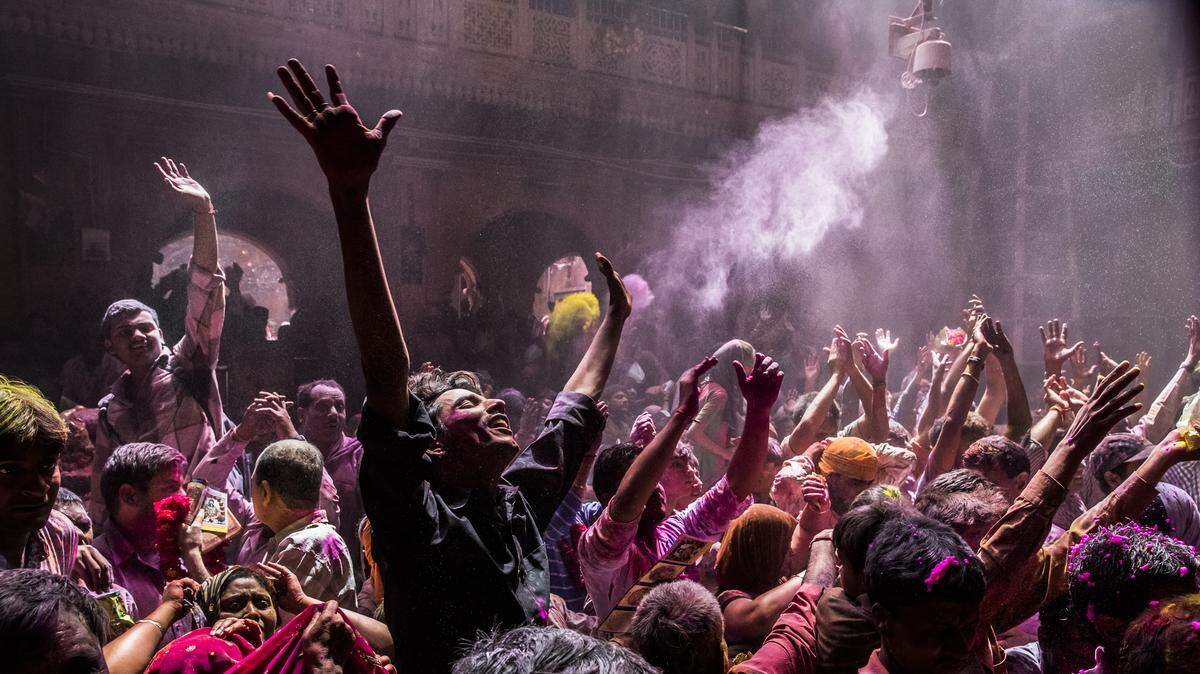
Travelers are increasingly building entire itineraries around a single cultural festival rather than chasing standard sightseeing, and the numbers back the shift — 86% of travelers are prioritizing immersive experiences over traditional tourism, according to 2025 Skift research. Here are eight festivals worth timing a trip around.
Why Are Travelers Planning Trips Around a Cultural Festival In 2026?
Travelers are seeking entry into local life rather than scenic backdrops, and a cultural festival offers exactly that kind of access. According to 2025 Skift research, 86% of travelers are prioritizing immersive experiences over traditional sightseeing, and 86% are seeking entertainment, sports and cultural activities when they travel.
That appetite is most pronounced among younger generations. Millennials (80%) and Gen Z (75%) are driving the trend, according to the Skift findings reported by Blooloop. For these travelers, a few days inside a major festival can deliver more cultural depth than weeks of conventional touring.
A separate 2026 study from the European Travel Commission — its Assessment of Responsible Travel Behaviours of Long-haul Travellers to Europe — found that long-haul travelers are increasingly seeking local and authentic experiences and showing openness to destinations beyond main tourism routes. Cultural festivals sit at the intersection of those two trends, anchoring trips that combine off-the-beaten-path destinations with genuine community immersion.
The catch: most of these festivals are crammed into a few short days. Miss the window and the experience is gone for another year, which is why advance planning matters more for festival travel than for almost any other kind of trip. Flights, lodging and local guides in host cities tend to book out fast, and prices climb the closer the date gets.
When Is Holi 2027 In India and What Happens at the Festival of Colors?
Holi falls on the last full moon day of the Hindu lunar month of Phalgun, which usually lands in March and occasionally in late February. The festival is widely considered the world’s most colorful celebration.
The tradition is simple to describe and unforgettable to witness: colored powder and water are thrown on everyone, regardless of age or status. Participants spill into streets, courtyards and public squares covered head to toe in pigment, and strangers smear color on one another as a greeting.
Holi marks several things at once — the victory of good over evil, the arrival of spring, the start of a new year and fresh beginnings in relationships. The festival is rooted in the story of Lord Krishna, the reincarnation of Lord Vishnu, who is said to have played pranks by splashing maids with water and colors. That mythology is why the powder-throwing is playful rather than aggressive.
It is one of the most anticipated celebrations in the Hindu calendar, drawing local participants and international travelers in roughly equal measure during peak years. Cities across India observe Holi, but the energy and crowd size vary significantly by region, so travelers should research which destination matches their tolerance for intensity before booking.
What Is Mongolia’s Naadam Festival and When Does It Happen?
Naadam runs July 10 through 13 each year in Ulaanbaatar, and it is the biggest festival of the year in Mongolia. The Mongolian name translates to “the three games of men,” a reference to the three traditional sports at the heart of the event.
Those sports are archery, wrestling and bareback horse riding — disciplines that trace directly to the steppe traditions Mongolian culture is built on. Athletes compete in colorful traditional costumes, and the tournament is paired with performances and ceremonies that turn the capital into an open-air cultural spectacle.
Naadam is described as an ancient cultural spectacle and one of the few opportunities outsiders get to experience Mongolian culture up close. The country sees relatively few tourists compared with other Asian destinations, which makes the festival days the best window for visitors to witness traditions that are otherwise hard to access from outside Mongolia.
Travelers planning around Naadam should note the tight four-day window. Ulaanbaatar fills up quickly during the festival, and the wrestling and horse-racing events draw the biggest crowds. For those willing to coordinate logistics in advance, the payoff is a front-row view of sporting traditions that predate most modern nations.
When Is Rio Carnival 2027 In Brazil?
Rio Carnival is held annually in the days right before Ash Wednesday, which means the dates shift each year based on the Christian calendar. It is the biggest carnival in the world.
The defining elements are elaborate parades, continuous samba dancing and vibrant costumes — every piece crafted by local samba schools that spend the entire year preparing. The samba schools compete with one another, and the parades function as both a community showcase and a high-stakes cultural contest.
The event amounts to a massive showcase of Brazilian culture, drawing visitors from every continent. Rio’s neighborhoods, beaches and the iconic Sambadrome all become stages, with street parties — known locally as blocos — running for days alongside the official competitions.
For travelers, Rio Carnival rewards advance booking more than almost any other festival on this list. Flights into Rio, hotel rooms and Sambadrome tickets sell out months ahead during peak years, and accommodations near the parade routes carry significant premiums. Travelers should also build in recovery days — the carnival schedule is relentless, with parties running through the night across multiple neighborhoods at once.
What Is Inti Raymi and When Is It Celebrated In Cusco?
Inti Raymi is held annually on June 24 in Cusco, Peru. The name translates to “Festival of the Sun,” and the event is an ancient Inca celebration honoring the sun god Inti — the second-largest festival in South America after Rio Carnival.
The day brings indigenous Andean music, colorful traditional attire and historical re-enactments of Inca ceremonies. The main event is staged at the Sacsayhuamán archaeological site, the massive stone fortress on the hills above Cusco, where the ceremony unfolds against a backdrop of original Inca masonry.
The festival is one of the clearest opportunities anywhere in the Americas to witness pre-Columbian traditions performed in their original setting. Performers in traditional dress portray Inca nobility, priests and warriors, and the rituals are conducted in Quechua, the language of the Inca Empire and still widely spoken in the Andes today.
Travelers timing a trip around Inti Raymi should plan to spend several days in Cusco. The city sits at roughly 11,000 feet, and altitude acclimatization is essential before any strenuous activity, including standing through the multi-hour ceremony at Sacsayhuamán. June 24 also falls during Peru’s dry season, which makes it a strong time to pair the festival with visits to Machu Picchu and the Sacred Valley.
When Is the Yi Peng Lantern Festival In Chiang Mai?
Yi Peng falls on the evening of the full moon during the 12th month of the Thai lunar calendar, which usually places it in November. The festival is famous for the thousands of lanterns released into the sky across Chiang Mai.
Visitors and locals light paper lanterns and send them aloft together, turning the night sky over northern Thailand into a slow-moving constellation of fire. The mass release is the image most associated with Yi Peng, and it draws photographers and travelers from around the world.
Yi Peng is often celebrated alongside Loy Krathong, a related Thai festival in which small floating offerings are placed on rivers and waterways. Together the two events stretch across three days of parades, markets and candle lightings throughout Chiang Mai’s old city and surrounding temples.
Travelers planning a Yi Peng trip should know that the largest organized mass-release events typically require advance tickets and sell out well ahead of time. The smaller, community-level releases happening across the city are free and accessible, but the headline events with the photogenic dense lantern displays are a different category of booking. Chiang Mai’s hotels fill quickly for the festival window, and flight prices into the city climb noticeably in the weeks leading up to it.
When Is the Harbin Ice Festival In China?
The Harbin International Ice and Snow Sculpture Festival runs from the end of December through February each year in Harbin, in northeastern China. The festival draws millions of visitors from China and around the world.
The centerpiece is the massive ice sculptures built specifically for the event — full-scale buildings, castles and figures carved from blocks of ice harvested from the Songhua River. Many of the sculptures are illuminated from within at night, turning entire sections of Harbin into glowing ice cities visible from across the festival grounds.
The scale is what sets Harbin apart from other winter festivals globally. Sculptures can reach the size of multi-story buildings, and the festival grounds span multiple themed parks across the city. The festival’s two-month run also gives travelers more flexibility than most events on this list, since visitors can plan around weather windows or holiday schedules rather than a single date.
Harbin is genuinely cold during the festival — temperatures regularly drop well below freezing — which is part of what makes the ice sculptures possible. Travelers should pack for extreme winter conditions and plan to alternate between outdoor festival time and warm indoor breaks. Direct flights into Harbin and connecting routes through Beijing both serve the festival, and lodging in the city center makes it easier to move between the major sculpture parks without long transfers in the cold.
Is Mardi Gras In New Orleans Family-Friendly?
Yes. While the Bourbon Street imagery dominates national coverage, Mardi Gras in New Orleans is deeply rooted in tradition and is really about a gathering of family and friends of all ages, with locals emphasizing community over chaos.
The Mardi Gras season officially begins January 6 on Twelfth Night and runs through the day before Ash Wednesday. The biggest parades and parties happen in the two weeks leading up to Mardi Gras Day itself.
The celebration encompasses parades, bars, formal balls and costumes, and the parade routes in particular are family territory. Neighborhood parades outside the French Quarter draw multigenerational crowds — families set up ladders for kids to catch beads, krewes throw stuffed animals and toys alongside the traditional throws, and the atmosphere along the Uptown routes looks more like a block party than the spring-break stereotype.
Travelers looking for the family-friendly side of Mardi Gras should book lodging outside the French Quarter and plan their schedule around the daytime and early-evening parades. The Quarter itself, and Bourbon Street specifically, runs adult during peak nights. The rest of the city — Uptown, Mid-City and the neighborhoods along St. Charles Avenue — keeps the community spirit locals consistently say defines the real Mardi Gras experience.
What Is Greece’s August Moon Festival?
The August Moon Festival is held annually in August, timed around the full moon, and unfolds at major historic sites across Greece. The Acropolis and the Roman Agora are among the headline venues, but the festival extends to more than 100 archaeological sites, monuments and museums nationwide.
Events start a day or two before the full moon and run through the night. Programming includes theatrical performances, poetry readings and concerts staged inside and around ancient ruins — a setting that is impossible to replicate at any other time of year, since most of these sites are not open after dark on ordinary days.
The combination of full-moon lighting, classical venues and live performance is what makes the August Moon Festival distinct. Travelers can stand inside the Roman Agora at midnight watching a concert, or sit at one of dozens of smaller archaeological sites across the country for poetry readings staged among the stones.
Because the festival spans the entire country and admission to many sites is free or low-cost during the event, it rewards travelers willing to move around. Athens offers the highest concentration of headline programming, but smaller sites on the islands and across the mainland often host more intimate events. August is also peak Mediterranean summer, so travelers should book accommodations well in advance and plan for heat during daytime sightseeing before the night programming begins.
This article was created by content specialists using various tools, including AI.