
Forget Paris and Rome, These Are Europe’s Most Underrated Cultural Destinations You Haven’t Heard Of
Europe’s biggest cities still dominate travel itineraries — but a growing share of travelers are skipping the crowds for something quieter, more local and more memorable. That shift is changing where the best cultural destinations actually are, and the most rewarding ones increasingly lie far from the usual postcards of Paris, Rome and Barcelona.
A 2025 Skift research report found that 86% of travelers now prioritize immersive experiences over traditional sightseeing, with 80% of millennials and 75% of Gen Z driving the trend toward entertainment, sports and cultural activities while traveling.
For more information: 8 Global Cultural Festivals Offering the Ultimate Immersive Travel Experiences in 2026
Why Travelers Are Skipping the Tourist Hotspots
The pull away from major capitals is not just about avoiding crowds. A 2026 study by the European Travel Commission on responsible travel behaviors found long-haul visitors are actively seeking local, authentic experiences and showing openness to destinations beyond Europe’s main tourism routes.
“Long-haul travelers are increasingly seeking experiences that are authentic, locally rooted and environmentally conscious,” said Eduardo Santander, CEO of the European Travel Commission. “Europe is uniquely positioned to meet these expectations thanks to its diverse destinations, rich local cultures and extensive rail network.”
That combination — culture, sustainability, accessibility by rail — is reshaping the map of where travelers go.
Which European Cultural Destinations Deliver Without the Crowds
Several smaller cities and regions stand out for layered history, distinct food and architecture you will not see on a typical European highlight reel:
- Odense, Denmark — the birthplace of Hans Christian Andersen, with museums and sculptures dedicated to his stories woven into a walkable, cyclist-friendly city that has been the capital of Funen for more than 1,000 years.
- Maastricht, Netherlands — arguably as beautiful as Amsterdam and far less crowded, with a network of underground casemates beneath the city, vineyards in the surrounding countryside and a compact center easily explored on foot.
- Belgrade, Serbia — a chaotic, layered capital split by the Sava River, where daily markets and traditional Kafana cafes anchor one of the most unusual cultural scenes in Europe.
- Ithaca, Greece — the legendary home of Odysseus, with quiet beaches and small towns offering a Greek holiday without the hustle of Mykonos.
- Sibiu, Romania — a Transylvanian city shaped by Romanian, German and Hungarian cultures, with medieval architecture built by German settlers and one of Europe’s best-preserved citadels.
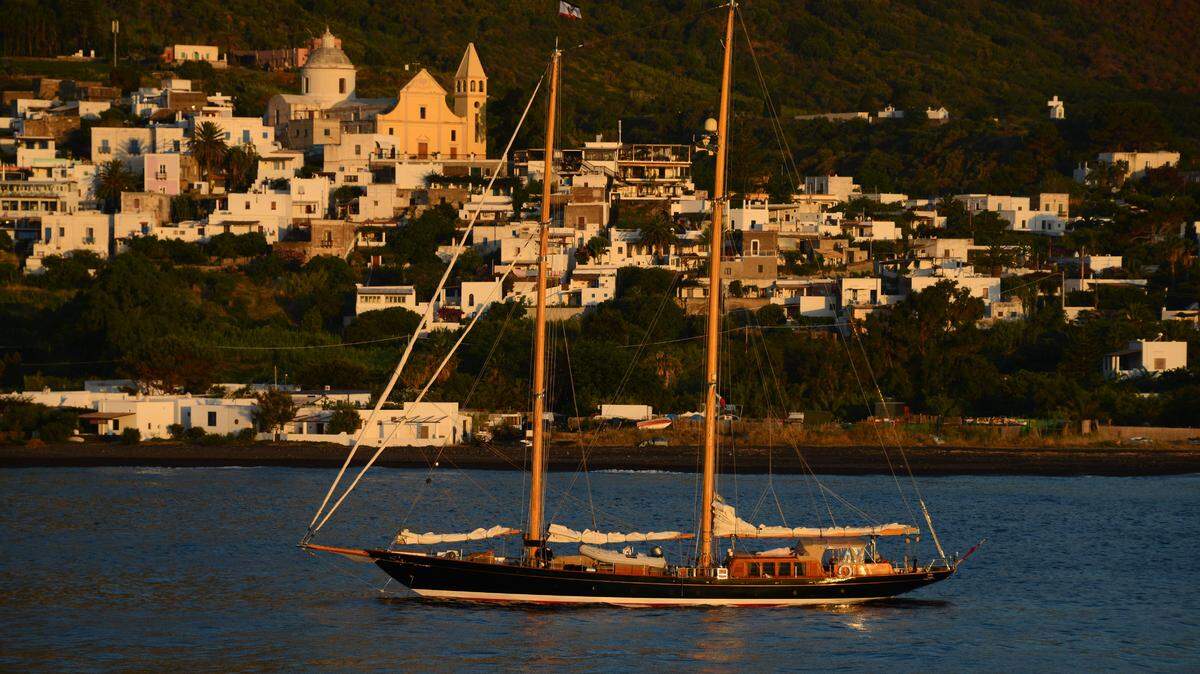
- The Aeolian Islands, Italy — a seven-island archipelago north of Sicily, including Salina’s vineyards, Stromboli’s active volcano and upscale Panarea, best experienced by boat.
- Plovdiv, Bulgaria — one of the oldest continuously inhabited cities in the world, with an impeccably preserved Roman amphitheater, 19th-century Bulgarian Revival architecture and budget-friendly prices.
- Rovinj, Croatia — a peninsula old town that is busy in summer but nowhere near the scale of Dubrovnik or Split.
- The Troodos Mountains, Cyprus — Mount Olympus rises more than 1,900 meters, offering hiking and cycling in warm months and skiing in winter, plus traditional villages like Lofou that bear no resemblance to a typical Cyprus beach holiday.
How to Plan a Slower, Deeper European Trip
The destinations matter, but so does the approach. A few practical strategies make off-the-beaten-path travel work:
- Choose small towns over big cities.
- Pick one neighborhood and stay there. Half a day spent walking, sitting and eating in a single area beats a checklist of landmarks.
- Use trains for short distances. Slow travel between smaller cities often ends up being more memorable than the destination itself.
- Remove friction from logistics. When transport and lodging run smoothly, you have the energy to explore spontaneously.
For more information: 8 Global Cultural Festivals Offering the Ultimate Immersive Travel Experiences in 2026
Europe’s best cultural experiences are rarely where the crowds gather. The destinations worth remembering tend to be the ones not yet on everyone’s list.
This article was created by content specialists using various tools, including AI.
.jpeg)