Why Bangkok, Taipei and Marrakech Rank Among the Best Street Food Cities and How to Eat Like a Local
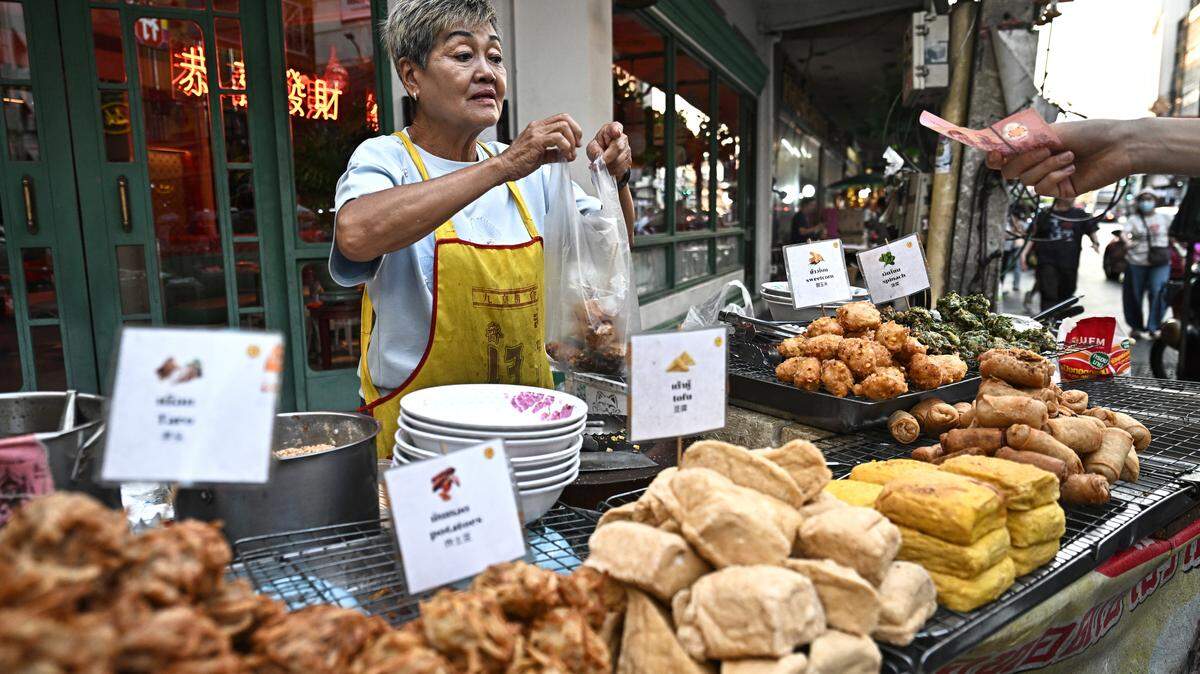
When you want to taste a place the way locals do, skip the white tablecloths and head to the curb. The best street food cities serve up culture, history and flavor on paper plates and plastic stools — and the price of admission is usually a few dollars. From Bangkok’s smoky woks to Taipei’s neon-lit night markets, street food is where a city’s culinary identity actually lives.
Whether you’re planning a trip or just dreaming about your next bite, knowing where to go (and what to order once you get there) makes all the difference. Here’s a guide to the best street food cities around the world, what makes each one special and how to eat like you belong there.
Why Street Food Tells You More Than Any Restaurant
Street food reflects what locals actually eat day to day, not what’s been polished up for visitors. It speaks to regional ingredients, immigrant influences and the rhythms of a city — the breakfast tamales grabbed on the way to work, the late-night noodles after a shift. A great way to dig in is to book a street food tour with a local guide in the city of your choice, especially if you’re new to the cuisine or the language. But don’t be afraid to wander on your own once you’ve got your bearings. Some of the best meals come from the stall you stumbled onto by accident.
Bangkok, Thailand: The Street Food Capital of the World
Bangkok is widely considered the true street food capital of the world. Every sidewalk, alley and canal-side has vendors who’ve spent decades perfecting a single dish, and eating this way isn’t a tourist activity — it’s simply how Bangkok lives. You’ll find pad thai made in woks older than your grandparents, boat noodle soup, mango sticky rice and grilled meats on practically every corner.
Yaowarat, the city’s Chinatown, and Or Tor Kor Market are two of the key spots to start your eating tour. Bangkok street food is so world-renowned that there’s even a street food tour that takes visitors to multiple stalls recommended by the Michelin Guide.
Mexico City, Mexico: Tacos, Tamales and Everything in Between
Mexico City is a paradise for anyone who loves bold flavors and big variety. Tacos al pastor shaved fresh from a vertical spit, elotes slathered in mayo and chili and tamales sold from corner carts at breakfast are just a few of the dishes you’ll encounter. It’s estimated that over 75 percent of the Mexico City population eats street food at least once a week.
Centro Histórico is considered the best neighborhood for historic stalls and variety, but great options can be found all over the city, especially in clusters near transportation hubs and office buildings. A reliable sign that a stall is worth stopping for: a crowd of locals and bubbling hot food. As a general rule, avoid raw vegetables.
Singapore: Hawker Centers and a UNESCO-Recognized Food Culture
In Singapore, street food is elevated to an art form known as hawker food, which has been recognized by UNESCO. Unlike some other street food cultures, hawker centers come with seating, and it’s common to find other activities like chess matches or live music happening alongside the eating — making these spaces true community hubs.
Maxwell Food Centre, Lau Pa Sat and Old Airport Road are among the most popular hawker centers in the city. Hainanese chicken rice, laksa and bak chor mee are just a few of the standout dishes you can sample at hawker stands.
Hanoi, Vietnam: Where Bánh Mì and Phở Were Born
Some of the most well-known Vietnamese foods served in the U.S. — including bánh mì and phở — are actually street food dishes at their core. Bún chả, a pork and noodle dish, is another beloved Hanoi specialty, and Bún Chả Đắc Kim in the Old Quarter has even earned a Michelin recommendation for their version.
Locals typically gather near food stands on tiny plastic stools to enjoy their meals, and seeing a cluster of people doing exactly that is a positive sign that the stall’s food is both delicious and safe. Stall owners often don’t speak much English, so if you don’t know Vietnamese, don’t be afraid to point to what you want on the menu.
Marrakech, Morocco: Open-Air Feasts at Jemaa el-Fna
Street food in Marrakech frequently impresses visitors more than the touristy cafes scattered around the city. Jemaa el-Fna Square is one of the main cultural centers in Marrakech and serves as the heart of food stall culture — an open-air dining room, marketplace and street entertainment hotspot all rolled into one.
Two of the most popular street food dishes here are msemen, a flaky pan-fried flatbread, and harira, a hearty tomato, lentil and chickpea soup. Eating at the square at night, surrounded by musicians and storytellers, is the kind of experience you can’t replicate indoors.
Taipei, Taiwan: Night Markets That Stay Open Until Midnight
Taipei’s bustling night markets are a huge part of the city’s social fabric. Shilin Night Market and Raohe Street Night Market are both extremely popular, and some stalls in Raohe have even received Michelin Guide recommendations.
Black pepper buns (hu jiao bing), scallion pancakes and oyster omelets are just a few of the popular dishes you’ll find at stalls throughout these markets. Most stay open until midnight, making Taipei a dream for night owls and late-shift snackers alike.
How to Eat Street Food Safely and Respectfully
A few simple habits will help you eat well and avoid trouble. Look for stalls with long lines of locals — high turnover means fresher food. Stick to dishes that are cooked hot in front of you, and be cautious with raw vegetables and tap water in places where the local water isn’t considered safe. Carry small bills and cash, as vendors often don’t take cards. And be patient: the best vendors often have one or two specialties they’ve made for decades, so trust their menu and order what they’re known for.
This article was created by content specialists using various tools, including AI.