Your First Omakase: What to Expect Before Booking a Sushi Counter Splurge
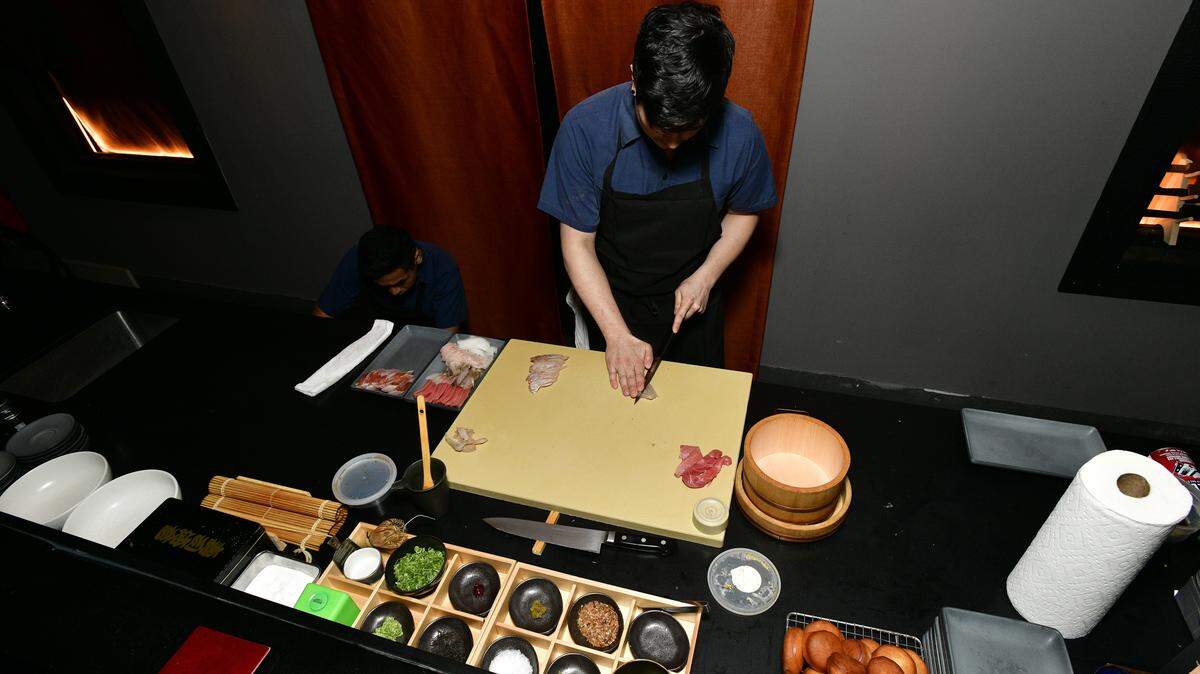
Booking an omakase counter for a milestone celebration — an anniversary, a birthday, a proposal — means committing to an experience as much as a meal. Before you reserve, here’s what discerning diners should understand about the cost, the time commitment and the etiquette that shapes the night.
What Omakase Actually Means
The word omakase translates literally to “I leave it up to you” in Japanese — and that phrase governs everything that happens at the counter. According to the Michelin Guide, “Aside from cases where a guest has an allergy or intolerance to a specific ingredient, an omakase chef determines at the spur of the moment what will appear on the plate. This is typically driven by the ingredients available to them, which are customarily selected based on both quality and seasonality. That being said, the philosophy of the chef will also guide what they serve, and this is important for diners to keep in mind. The omakase experience can vary dramatically depending on the philosophy and cooking style of the chef.”
Translation: trust is the price of entry. If you or your partner is a particular eater, omakase may not be the right venue for the occasion.
The Real Cost — and the Tipping Question
Pricing varies widely. Omakase experiences in the United States generally run from $100 to more than $500 per person, and the figure on the reservation page is rarely the full picture.
Before booking, confirm three things directly with the restaurant:
- The per-person price, and exactly how many courses it covers.
- Whether drinks are included, available à la carte or offered as an additional pairing package. Sake and wine pairings can meaningfully change the final bill.
- The tipping policy. In Japan, tipping is not customary at omakase counters. In the United States, a generous tip — 20% or more — is the norm, as omakase is considered a luxury service. Counters that don’t expect tips will typically state “no tipping” on their website or reservation form.
Factor all three into your budget before you walk in. A $200-per-person menu can quickly become $350 once pairings and gratuity are included.
Plan for the Time
Omakase is paced by the chef, not the diner. Most experiences include 10 to 20 individually prepared courses, and a full meal can run anywhere from one hour to two and a half hours at the counter.
A few logistics worth respecting:
- Arrive a few minutes early. Lateness disrupts the chef’s flow, and some counters will not seat guests who arrive late.
- Don’t schedule anything tight afterward. A post-dinner show or a second reservation is a recipe for stress.
- Note any allergies when you book — not when you sit down. The chef needs advance notice to source and plan accordingly.
Etiquette at the Counter
The counter itself is the show. You’re seated directly in front of the chef, watching each piece prepared and placed in front of you. A few etiquette basics will help you settle in:
- Eat each piece in one bite, immediately after it’s placed before you.
- Hands or chopsticks are both acceptable in the U.S.; hands are the norm in Japan.
- Use the ginger between courses to cleanse your palate.
- Don’t reach for extra soy sauce or wasabi. The chef has already seasoned each piece to their intended balance — adjusting it can come across as a critique.
- Engage with the chef. Mention what you’re enjoying, and ask respectful questions about the fish or preparation. Conversation is part of the experience.
Treat the meal as a performance you’re invited into, and the splurge tends to deliver on the occasion.
This article was created by content specialists using various tools, including AI.