
Sacramento food & drink: Hooked on canned fish, restaurant openings and Cali-Mex
Want more food news? Sign up for the Food & Drink newsletter at sacbee.com/foodnews to get your weekly fill.
The pandemic’s worst chapters are now squarely in the rearview mirror, yet you could well see a certain emergency pantry staple at restaurants across the Sacramento region.
Tinned seafood such as anchovies, mussels and cockles are making waves in dining scenes across the U.S. They’re affordable, relatively healthy and generally sustainable.
When I don’t feel like cooking or eating out, one of my go-to home meals simply involves opening a tin of sardines, mashing the fillets on buttered toast and finishing with lemon juice and dill.
Sacramento restaurants such as Alaro Craft Brewing and Masullo make anchovies, mussels and sardines the stars of certain dishes.
Ro Sham Beaux, a year-old low- and no-alcohol by volume midtown wine bar offers six types of seafood served still in their beautifully decorated tins, including tuna in olive oil, sardines in tomato sauce and mussels in escabeche.
Often, there’s not much that needs to be done with these li’l fishies. They’re already so flavorful, so salty, so deluged with oil or a sauce that the best thing to do is normally just let them punch up some sort of carb or sit atop a salad.
Canon has pickled anchovies for a grilled broccoli di ciccio dish, but normally, these crack-and-serve tins are friends to cooks under a time crunch.
Tinned fish are generally protein-rich, as with most seafood, and oily ones such as mackerel and herring are full of omega-3 fatty acids. Processing softens the bones to an edible state, allowing diners to take in calcium that way as well.
Once fish are preserved in cans, they can be saved for years before eating, thus cutting down on food waste from spoilage.
Canning promotes eating lower on the food chain, and small fish are often less at-risk than large predatory ones because of their shorter natural life cycles and quicker reproduction.
Not all tinned fish are so plentiful, though — commercial sardine fishing has been banned off the West Coast of North America since 2015, for example — so look for a Marine Stewardship Council label or check with the Monterey Bay Aquarium’s Seafood Watch program for details on the state of the species.
Humans have canned fish since at least the 1700s, and California is no stranger to the industry, as anyone who’s walked through downtown Monterey knows. Yet tinned seafood’s popularity has spiked in recent years, and the global market is expected to grow by $23.8 billion from 2021 to 2025, according to a report published this summer by market analysis firm Technavio.
To see evidence of tinned fish having its moment, look no further than The Anchovy Bar in San Francisco.
Opened by the owners of Michelin-starred State Bird Provisions in October 2020, it’s drawn rave reviews for presentation of its flagship fish as well as a wide selection of butter, wines and West Coast oysters. It just was named one of Eater’s 11 Best New Restaurants across the United States.
So don’t say “holy mackerel!” if you see tinned fish on a restaurant’s menu. Seems like this trend may have some staying power.
What I’m Eating
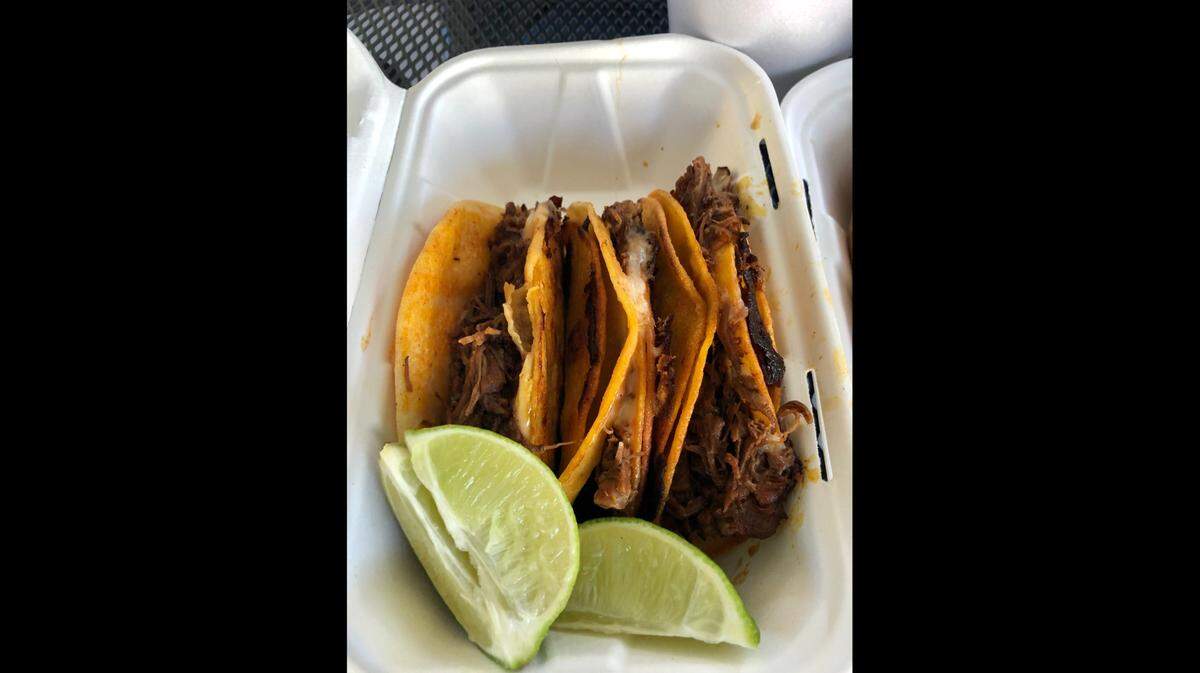
I first ate at Doggeros about a week before everything shut down in March 2020. After making it back to 437 First St. in Woodland last week, my first impression holds true: It’s an extremely fun, low-key Cali-Mex spot that embraces trends while holding on to a little nostalgia.
Doggeros’ menu has a whole “birria zone” section, including loaded fries and ramen, added as the stewed meat became popular over the last couple of years.
Start with the quesabirria ($3 each), a quesadilla/taco hybrid featuring shredded beef and melted mozzarella inside two semi-crispy corn tortillas, which fueled the 2019 birria craze in the Bay Area and Southern California that’s since spread to the rest of the country. No quesabirria experience is complete without a cup of dark, cloudy consommé ($1) made from leftover juices once the meat has been removed from the stew.
Borrowing its name from the Mexican slang term for hotdog vendors (the spelling is slightly Anglicized from dogueros), Doggeros is one of the few places around here to offer Sonoran-style hotdogs ($7.55). Popular throughout Arizona, these high-quality beef dogs are wrapped with bacon and piled with grilled green peppers and onions, tomatoes and avocado sauce in a housemade brioche bun.
The Chori-Burger ($9.75) was super flavorful, from a thoroughly-spiced patty to its many accoutrements (beef chorizo, mozzarella, chipotle mayo, avocado sauce, grilled onions, lettuce and tomato, with grilled yellow jalapeño slices available upon request).
Tajin-dusted fries were a nice surprise but came out slightly limp, the result of Doggeros using clamshell takeout containers for all orders, even those about to be consumed on the food stand’s garage-door-covered patio.
Word about Doggeros seems to have gotten out around Woodland, and service takes longer than expected for such casual fare — we waited an appropriately quoted half hour for lunch on Sunday. But for an affordable, new-school take in a town rich with Mexican food (co-owner Josue Peniche also owns Las Brasas Tacos & Salsas two blocks away), it’s worth the wait.
Openings
A new speakeasy bar called The Roost is now taking reservations inside Bawk, the fried chicken-focused restaurant from Urban Roots Brewing & Smokehouse owners Peter Hoey and Rob Archie at 1409 R St., Suite 102, in Sacramento. A limited amount of walk-ins will also be accepted.
Fujiya Ramen Sake Bar held its grand opening in Elk Grove’s Waterman Plaza shopping center on Tuesday.
Jing Lin’s Japanese restaurant at 9328 Elk Grove Blvd., Suite 100, carries a variety of sushi as well as bento boxes, ramen and oysters on the half-shell.
This story was originally published November 12, 2021 at 5:00 AM.