
Granite Bay orchard knows how to treat persimmons, yielding part fruit, part sugar bomb
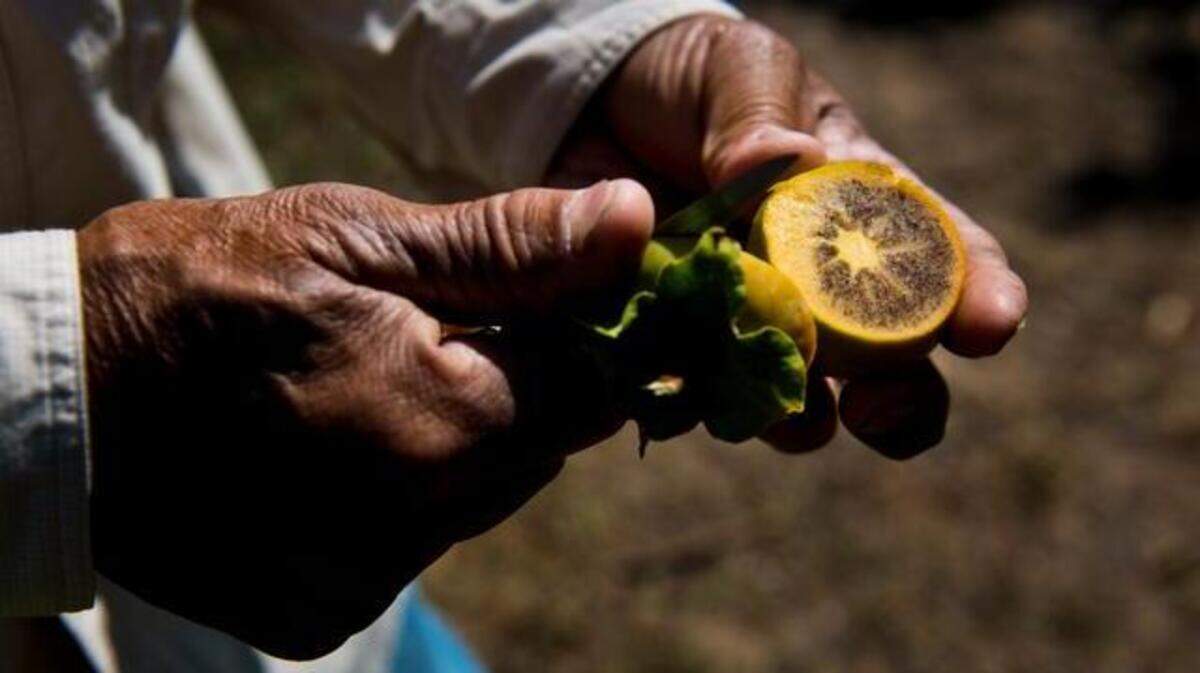
A paper bag full of conical hachiya persimmons sits on my kitchen table as I write this, a gift from a neighbor’s booming tree.
Hachiyas are notoriously astringent when eaten too early, unlike their squat fuyu cousins, which one can bite into the same way you would an apple. Letting my persimmons ripen to a point of squishiness is difficult enough. I know I don’t have the patience to treat them the way Otow Orchard takes care of its famous persimmons.
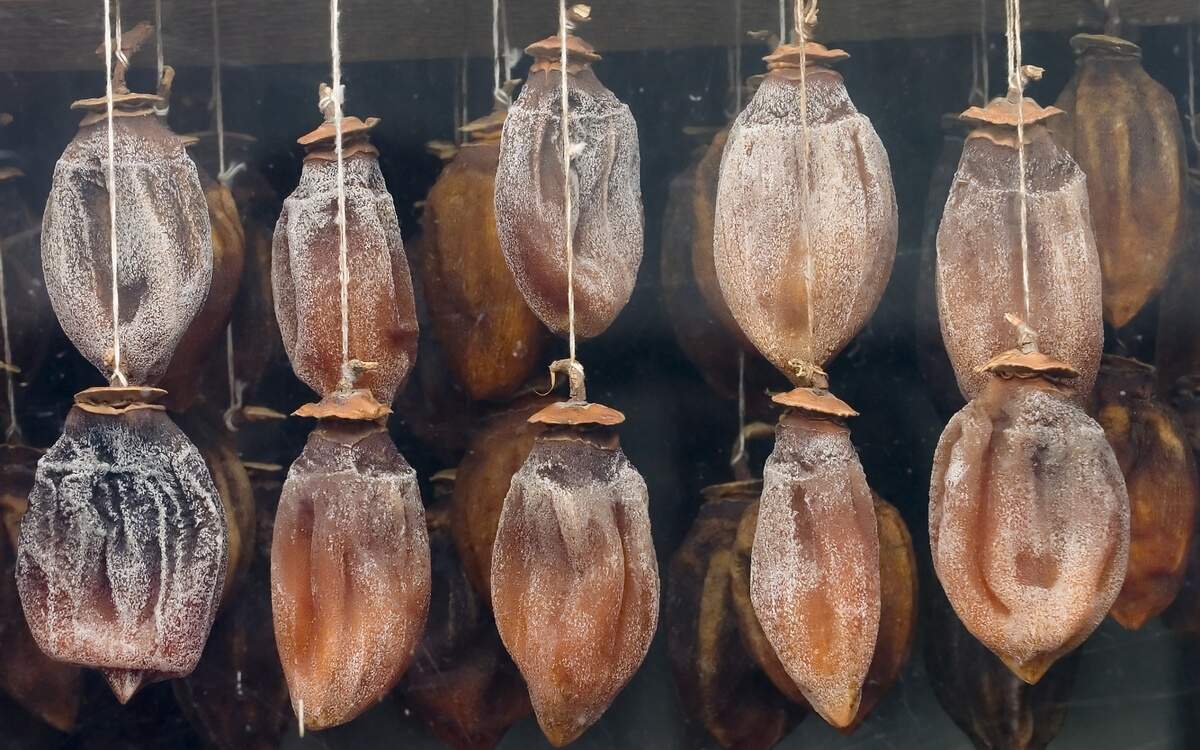
Semi-hidden off Eureka Road in Granite Bay, Otow Orchard specializes in hoshigaki, a painstaking Japanese method of preparing and drying persimmons over the course of six to 10 weeks. It’s one of the most popular hoshigaki producers in the United States, with customers in more than 30 states.
Helen and Seiichi Otow took the farm over from Helen’s father in the 1940s, then passed it down to their daughter Chris Otow Kuratomi and son-in-law Tosh Kuratomi, who have been running it for more than 20 years. Helen, who died at an astounding 106 years old in August, still worked around the farm even once she passed the century mark.
Otow Orchard produces persimmons varieties with names such as maru and hyakume in addition to the more popular fuyus and hachiyas, and a range of other fruit on the family’s 20 acres. The farm’s calling card, though, is its hoshigaki, which few commercial producers have time for but home cooks can prepare with a bit of knowledge.
Start with firm hachiyas (Otow Orchard also uses a persimmon variety called gyombo), peel them and tie strings around the stem or an inserted screw to hang them in a place decent humidity, good air flow and some light. Once they’ve hung for one to five days, massage them with your hands, and keep doing so every day until the sugars bloom through to the outside.
The result is a dried, sweet delicacy with a price point to match the effort. The fruity sugar bombs can be eaten straight like candy, balance the bitterness of matcha as a side snack or sliced and thrown atop pudding or yogurt.
Unfortunately, Otow Orchard and other area farms are expecting a persimmon shortage this year, the family wrote on its farm blog. That means fewer hoshigaki, which means more expensive hoshigaki, likely well past the $50/pound they’ve commanded in the past. Otow Orchard has also done away with a hoshigaki online order form. Customers must call the farm at (916) 791-1656 a day or two in advance as the fruit becomes available in November and hope some are left.
A handful of area restaurants have dabbled in hoshigaki-making within the last couple of years, including Binchoyaki in Southside Park and Hawks Public House in East Sacramento.
One safe bet to pick up hoshigaki: beloved Japanese grocer Oto’s Marketplace in South Land Park, which plans to start carrying them in a few weeks.
What I’m Eating
Cutting-edge Maydoon brought Persian food to the spotlight of Sacramento’s grid in 2020, but a handful of restaurants have been serving that cuisine’s tried-and-true dishes for years in suburban Sacramento County. That includes Kolbeh Kabob, Ali Liaghat’s 17-year-old concept at 8700 Greenback Lane, Suite B in Orangevale.
The dining room has a quiet, grown-up air at Kolbeh, which translates to “little house” in Farsi, decorates its dining room with bottles of California wines and uses glass-covered Persian rugs as tablecloths. Belly dancing has been a weekend fixture in the past and may return; all I know is that everyone’s midriff remained covered on my Friday night visit.
Kebabs are in the name, and our server recommended the sultani ($33). Twin skewers of koobideh (ground beef) and barg (a thin slice of filet mignon) came out with rice, onions and scorched half-tomatoes. I liked the koobideh’s gaminess, but the barg’s quality of meat was clearly superior and justified the price point.
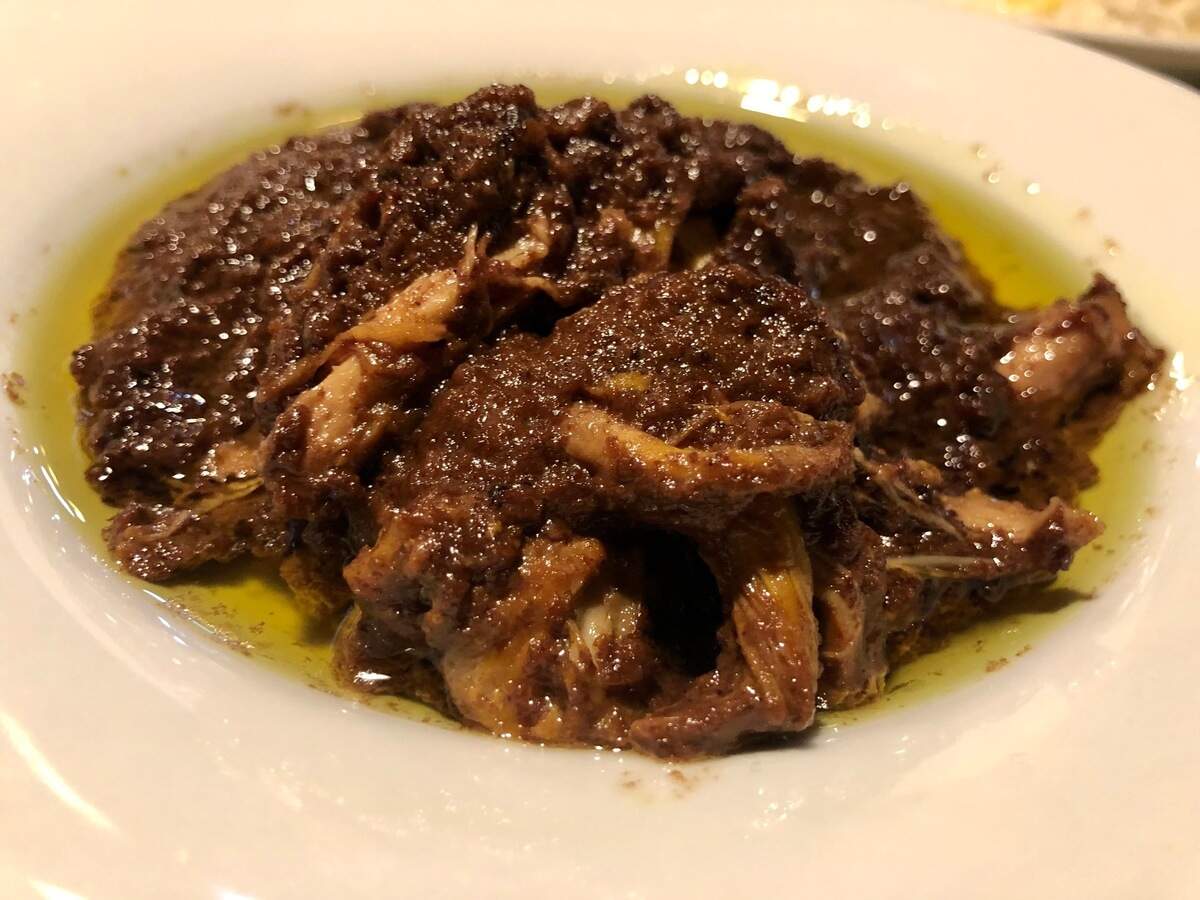
Fesenjān ($20), a deep brown chicken-pomegranate-walnut dish from the hills of Northern Iran, was a highlight. It was so tangy, so vibrant that we scooped the bowl clean with pita given as a complimentary appetizer.
Vegetarian dishes take up a page of Kolbeh’s menu, including a cinnamon rice dish called addas polo ($19) loaded with lentils and raisins alongside charred onions, peppers and squash. It made for a flavorful, somewhat lighter counterbalance to meatier dishes.
Address: 8700 Greenback Lane, Suite B, Orangevale.
Hours: 11 a.m.-9 p.m. seven days a week.
Phone: (916) 990-0233.
Website: http://kolbehkabobrestaurant.com
Drinks: Beer and wine, with an emphasis on the latter.
Animal-free options: A page of vegetarian options.
Accessibility: Two reserved parking spots, thinly carpeted floors, relatively snug dining room, low lighting in certain areas.
Noise level: Quiet.
Openings & Closings
- Part nostalgic Americana, part neon-lit futuristic concept, Roc & Sol Virtual Diner is Fred and Matt Haines’ (Wildwood Kitchen & Bar, Suzie Burger, 33rd Street Bistro) new restaurant and esports lounge at 1825 10th St. outside the R Street Corridor. Look for brioche crème brulée French toast and meatloaf drizzled with cayenne aioli until 4 a.m., as I wrote after the Nov. 2 opening
- Fro’s Midtown closed after just one month at 1010 18th St., paving the way for WeDaShii Sushi Bar & Lounge to open in midtown Sacramento. Its original Arden Arcade location has also served Golden 1 Center and The Flamingo House, The Bee’s Hanh Truong reported.
Crepes & Burgers has closed its Folsom restaurant at 313 Iron Point Road, the owners announced via Facebook on Nov. 3. They’re still frying and grilling in Citrus Heights and Fair Oaks, while the Sacramento Business Journal reported Roseville-based Chaat Paradise could move into the recently-closed Folsom location.