
Sacramento’s red hot real estate market storms into spring. Are we in a housing bubble?
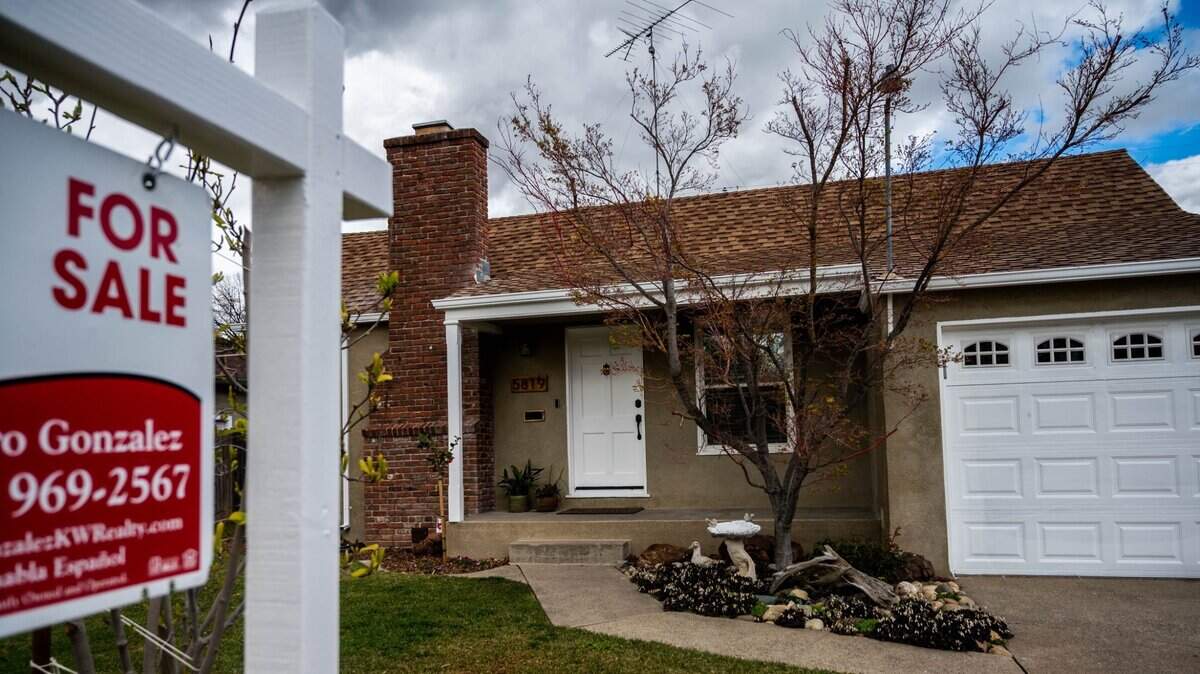
Sacramento’s home-buying frenzy continued through March and into April as buyers vied for a limited supply and home prices ratcheted up 6% in just one month – an increase that some thought might happen for the entire year.
It’s chaotic and, according to economists and real estate analysts, unsustainable. Are we in a price bubble that could burst, causing home values to drop? Would that be a bad thing if it allowed more younger buyers into the housing market?
Here’s an update on where things stand in the Sacramento region’s real estate market. And what the future may hold.
An epic sellers’ market
The Sacramento four-county regional median price hit $530,000 in March, 20 percent higher than the previous March.
The low number of houses being put up for sale is clearly a key driver of the price escalations. An analysis by the Sacramento Area Association of Realtors going back to 2015 shows that the number of houses available for sale in March of this year was by far the lowest.
As of April 1, Sacramento County had half as many listings as the year before, according to Sacramento area appraiser and real estate analyst Ryan Lundquist. Placer and El Dorado had 61% and 71% fewer listings, respectively.
Despite the low inventory, there are plenty of buyers competing for houses. Stories abound in recent months about homes that have had 10 or more bidders, turning some house sales into auctions. Houses often are selling within a week of going on the market, most for 5% to 10% more than the asking price.
“The market is profoundly imbalanced. Excessive demand. Anemic supply,” Lundquist said.
Real estate agents and others in the industry say they are seeing more houses coming up for sale in recent weeks, but so far not nearly enough to ease the hyper-competitive market.
Erin Stumpf, a Sacramento Association of Realtors board member, is hopeful. “At some point there is going to be this backlog of sellers who have forgone selling. We are going to see those people put their houses on the market.”
Not just a Sacramento problem
Much has been made of the fact that wealthier Bay Area residents are flooding into the Sacramento market, driving up house prices.
But home prices are increasing steeply in most of the country, and beyond, which suggests that Sacramento’s issues are not wholly caused by California housing policy, lack of construction, or by Bay Area migrants.
Prices jumped 20% in the last year in Canada, according to the Canadian Real Estate Association. “We have the most extreme demand-supply imbalance ever by a large margin,” the Canadian association’s economist wrote in a recent online assessment.
And home prices increased 18% in the United States in that time period, according to ATTOM Data Solutions. The big difference, though, is that the median price for a resale house nationally was $278,000, according to ATTOM, far less than what it takes to buy a home near Sacramento.
What’s causing the bottleneck?
The real estate industry hasn’t quite figured out why buyers outnumber sellers, but there are key trend lines:
Many workers have not had their pocketbooks negatively impacted by COVID-19. In fact, some are spending less on big ticket items like vacations and have more money to use for down payments. COVID-19 shutdowns appear also to have fueled a desire among some to own a home, where they have a yard and more personal space.
Meanwhile, nationally, the trend is that people who own homes stay in them longer, moving less, thus selling less often. More of them have been refinancing their homes with lower mortgage interest rates instead. COVID-19 has made some of shy about letting strangers walk through their house.
What it takes for this to be a housing bubble that will pop
California residents were the most likely in the country in the last week to search Google for the term “housing bubble.”
But no one is predicting that Sacramento-area home values are in for a large tumble. Yet. For that to happen, a series of sequenced events would have to occur:
- Mortgage rates would have to take a solid leap upward, sidelining buyers who no longer would be able to afford to make monthly payments. Rates have been rising slowly for three months, but remain low.
- Now that the COVID-19 pandemic appears to be easing, Bay Area companies may begin asking more employees to come back to the office. If many take a hard line about that, it could close down the spigot of Bay Area residents migrating to Sacramento and further reduce the number of buyers in the local market. One Sacramento house sale reportedly fell through last week because the buyer, from the Bay Area, got a “come back to the office” memo from their employer.
- If sellers start disappearing, it could encourage homeowners, currently sitting on the fence, to rush their homes onto the market to score a high sales price before the sellers’ market ends. That could, in the extreme, glut the market with product and create the first buyers’ market in Sacramento in nearly a decade.
- If federal stimulus and government protections are cut quickly, homeowners who are in trouble may have to list their home in distress sales, which would lead to lower prices.
The case for continued price increases
Prices could however continue to rise. As businesses reopen and as the economy grows post-COVID-19, and if the Biden administration scores with its infrastructure spending plan, recession fears will subside, boosting buyer confidence.
Economist Adam Fowler of Beacon Economics in Los Angeles says evidence suggests there still are plenty of potential buyers in California with good income and good credit, despite complaints about California’s lack of affordability.
Although California’s population is not increasing, two of the largest slices of the public, the Millennial and Gen X groups, are in their home buying years. If they feel financially stable, they will increasingly look to buy homes.
The down side is that many of them cannot afford a California home. Local governments have failed for a decade to incentivize affordable housing in California, economist Fowler and other observers say, and cautious builders have under-built since the Great Recession.
“We have these artificial walls that don’t let younger households in,” Fowler said. “It’s depressing.”
Economist Jeffrey Michael of the University of the Pacific in Stockton agrees that house prices are unlikely to drop. “It’s hard to predict a bubble when there is such a severe shortage of supply, a record low inventory of homes for sale and new home production is only increasing modestly in the face of supply constraints and rising production costs.”
Potential for a ‘normal’ market
Real estate experts lean toward a softer landing for the market this summer – or a price plateau – rather than a bubble pop or continued high price increases.
Stockton economist Michael is among those who see more of a normalization of the market this summer with more houses on the market as COVID-19 restrictions wane and as potential sellers feel more comfortable opening their homes to strangers.
“As the general economy accelerates over the summer, I think we will see an increase in mobility that could lead to more listings,” he said. “The end of pandemic forbearance programs could also generate more listings.
“So inventories should come off their record-low levels, which should reduce bidding wars and cause price appreciation to moderate. Mortgage rates should continue to rise gradually which will slow the growth in demand as well.”
This story was originally published April 14, 2021 at 5:00 AM.