What have MLB hopefuls learned from A’s first three months in West Sacramento?
Over the past three months, as the Athletics settled into West Sacramento’s minor league ballpark, local officials have wondered at residents’ commitment to securing a permanent Major League Baseball team.
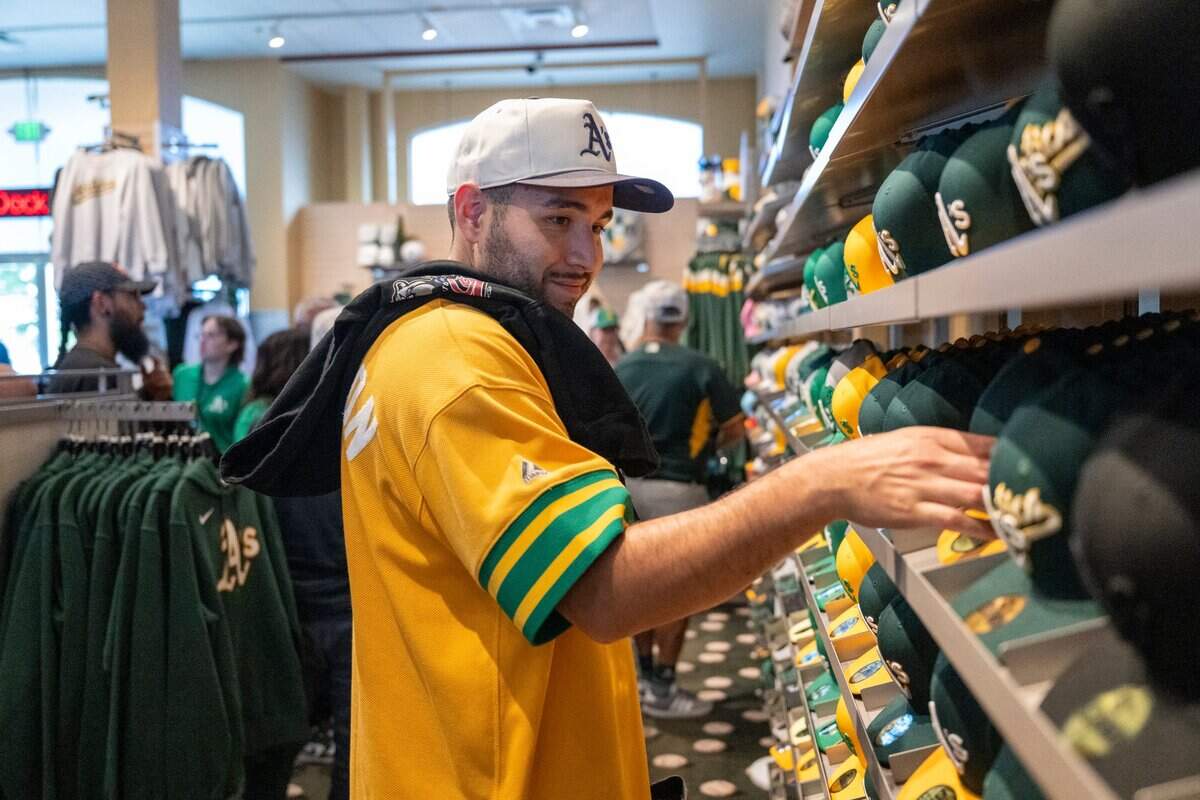
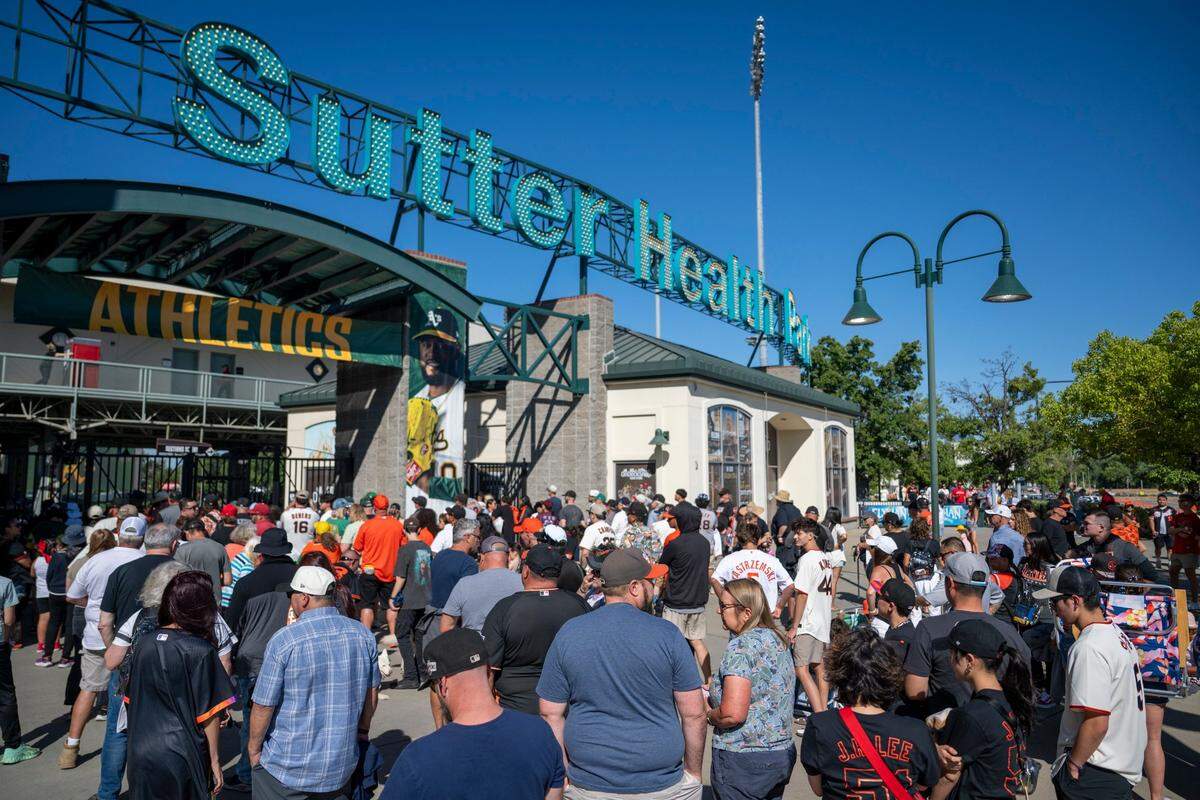
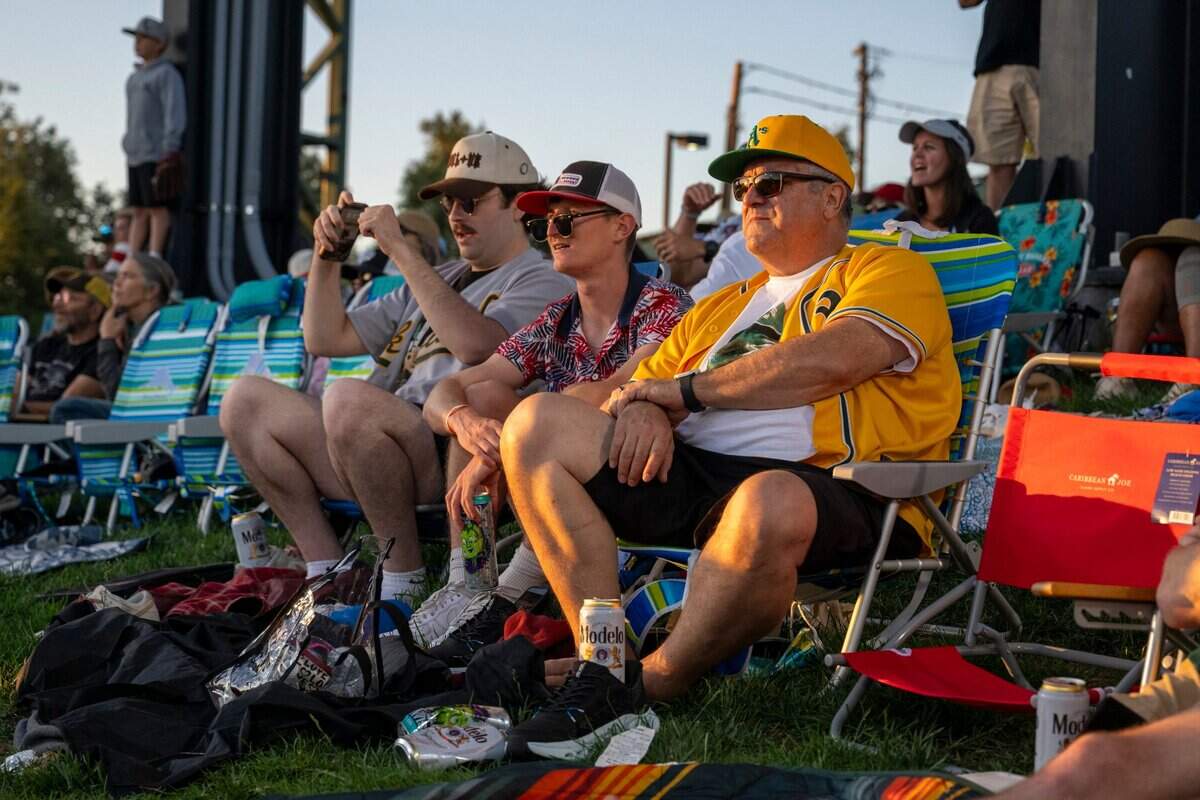
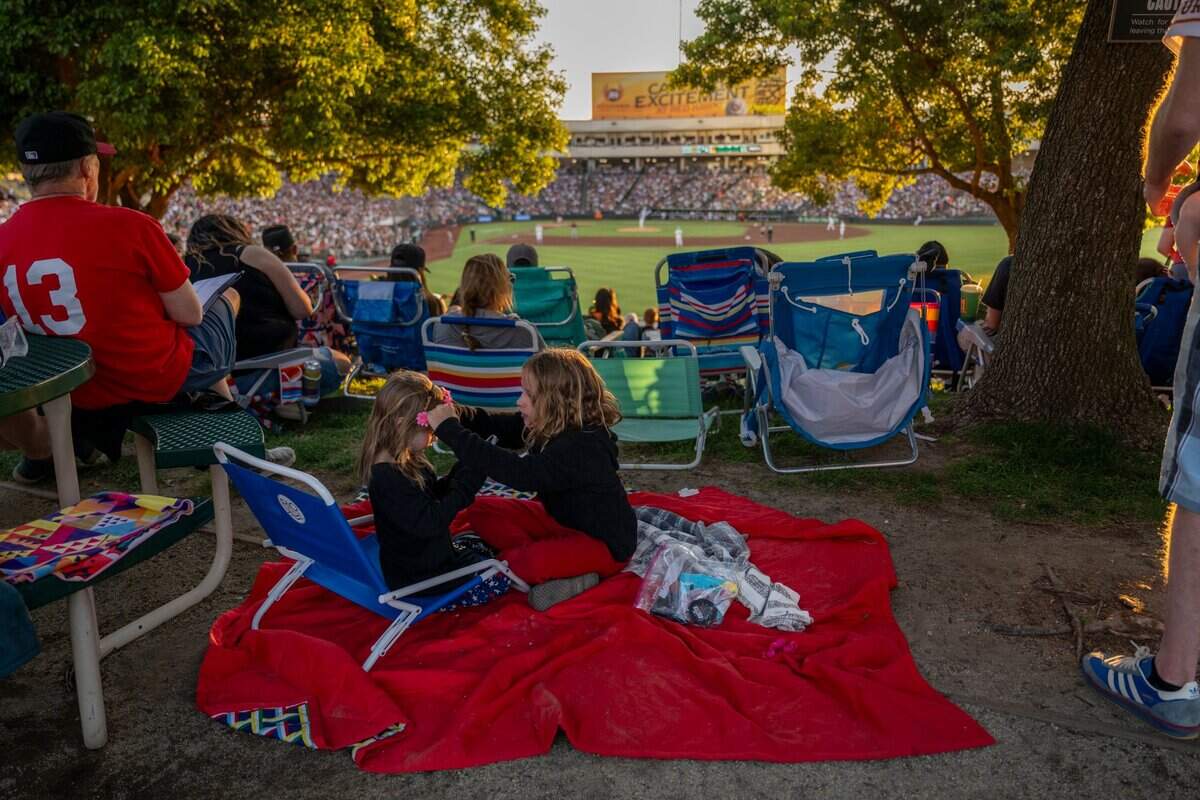
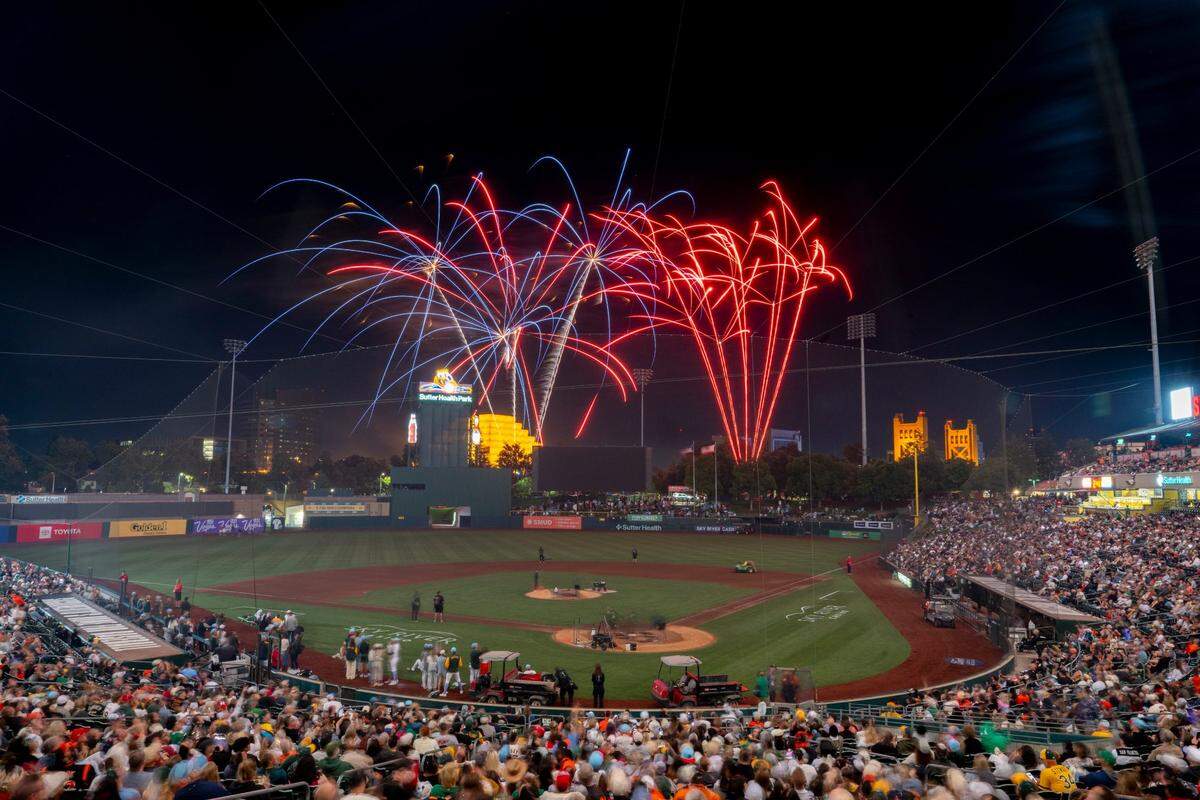
Despite some early hiccups, and the team’s 17-30 win-loss record at home — which as of Thursday was second-worst in the majors — thousands of people have reliably filed through the gates at Sutter Health Park on game days to watch the A’s play. Viewing the team’s three-year stint here as an audition of sorts, officials have pondered if the local enthusiasm for baseball could help prove the Sacramento region as a welcome home for MLB.
But cities like Portland and Salt Lake City have made headlines for years for their efforts to court the league. Experts say that in such situations, cities are judged not just by enthusiasm, but by corporate presence and median income, among other things.
Still, some locally say the region is doing what counts: Proving itself a friendly host to the A’s.
There is still plenty of legwork ahead, to determine whether permanent MLB would be the right choice for the area, and what an expansion bid would look like, said West Sacramento City Manager Aaron Laurel.
“I think what we’re doing right now is putting our best foot forward, and showing that we can be a host to a team successfully,” Laurel said. “We’re going to be smart about it... I think we have some time.”
Sacramento Mayor Kevin McCarty said he asked A’s leadership, recently, about what it would take to bring permanent major league baseball to the region.
“They said, ‘Just keep doing what you’re doing,’” he said. “‘Keep selling tickets.’”

A long season and a long journey
News broke last spring that the A’s would spend three to four years in West Sacramento. The announcement was followed by months of planning, stadium upgrades, and preparations for public safety and traffic. The city of West Sacramento moved up its timeline for a grant program that helped small businesses make upgrades, to ready for additional foot traffic.
Sacramento Kings owner Vivek Ranadivé made clear that he viewed the Athletics’ tenure here as a chance to audition for permanent Major League Baseball. In January, when Ranadivé pitched League Commissioner Rob Manfred on the region, Manfred responded, “I’m not going to forget the 10 million people,” the Bee previously reported, giving new relevance to the idea that Sacramento could be considered for a permanent team.
The idea of expanding the league to 32 teams, from 30, has been discussed for years. Last year Manfred said he wanted a process for expansion in place by the time he retires, expected in 2029, according to news reports.
Some local officials, energized by Manfred’s comments about the region and by the Athletics’ presence here, have since promoted the idea that Sacramento might court a permanent MLB team.
But the region would have to prove itself beyond population alone: Experts say leagues also examine a city’s demographics, economics, corporate presence, television viewership and public commitment toward securing a team, among other things.
Leagues want to have teams in growing cities, full of young people who are likely to go out and spend money, said Scott Rosner, director of the Sports Management Program at Columbia University. A league would, for instance, look at an area’s median household income. And a presence of large, corporate headquarters — Sacramento has relatively few — signals a pool of companies and individuals likely to buy sponsorships, luxury seats and suites.
Pittsburgh, for instance, home to MLB’s Pirates, has seven Fortune 500 company headquarters. St. Louis, home to the Cardinals, has five. Sacramento has none.
It also helps if a city has strong civic leadership, and a track record of supporting professional teams, said Lauren Anderson, director of the Warsaw Sports Business Center at the University of Oregon.
Sacramento’s television market is a bright spot: The area, which includes Stockton and Modesto, ranks 20th in the U.S., ahead of other cities vying for an expansion team, like Portland and Nashville, which rank 23rd and 26th, respectively. Sacramento is also ahead of some cities that have MLB teams, like St. Louis, Pittsburgh and Baltimore.

And for baseball, which stretches from spring training in February through postseason in October, attendance is critical.
“Baseball is a long season. There are 81 home games,” Anderson said. “There is a lot of commitment that needs to come from the fan side.”
Even in relatively small major-league stadiums, Rosner said, selling out means bringing 2.5 million people through the turnstiles each year.
“Those kinds of things really matter in baseball,” he said.
West Sacramento’s Sutter Health Park has outsold the first three months of the Athletics’ 2024 season — despite having less than one-third the capacity of the Oakland Coliseum.
Still, experts said, it’s difficult to draw any conclusions.
It’s impressive, Anderson said, that the region has so far proven capable of supporting both the A’s and the River Cats. Major league and minor league baseball teams, she said, rarely share a market.
But attendance at Sutter Health Park has likely received a boost from the novelty available to fans, of seeing a major-league team play in a 13,400-seat, minor-league stadium. And last year’s attendance at the 46,800-seat Coliseum was hampered by hard feelings around the team’s departure from Oakland.
“They were about to get divorced,” Rosner said. “And this year, you’re in the honeymoon phase… I’m not so sure it’s valid to say that, at this moment in time, Sacramento is a better major league market than Oakland. Might it be? Sure, but you can’t base it just on that.”
It would behoove the region if A’s games were consistently sold out, Rosner said. That had happened seven times, as of Monday, like on opening day, and during the Yankees’ and Giants’ series.
“It’s just not far enough along to really know,” Rosner said. “Is the population really supporting the team en masse, or is it really just a very small number of people who are really into them for a short period of time? Hard to know. Still too early.”
Barry Broome, president and CEO of Greater Sacramento Economic Council, said he respects that the A’s didn’t want to “set us up for a letdown” by giving the impression that the team might remain in the region for the long-term. But, he added, the team’s focus on Las Vegas, while playing in West Sacramento, has dampened enthusiasm to some extent.
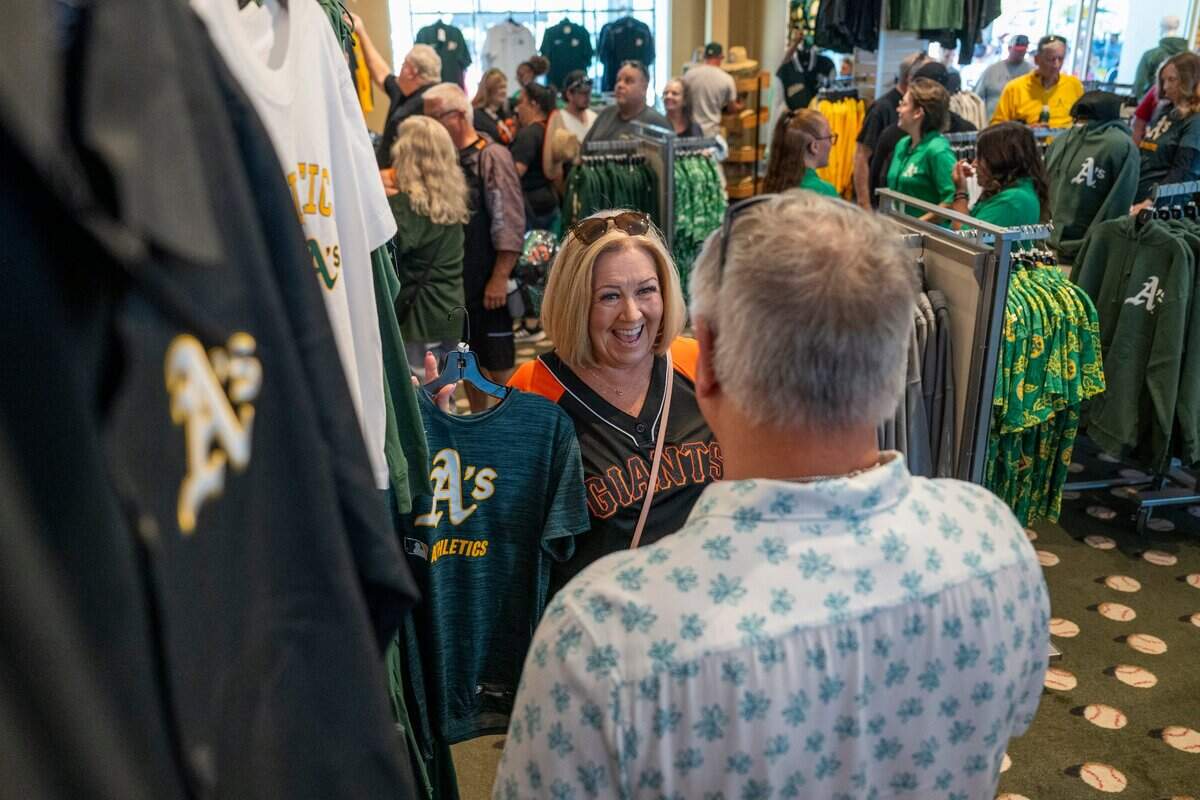
The Athletics stripped the city prefix from the team’s name before arriving here, announcing that the franchise would be known as simply the “A’s” while in West Sacramento. A’s players wear a Las Vegas patch on one arm of their jerseys, and a Sacramento patch on the other.
The team said in a statement that the A’s are proud to play in West Sacramento, and grateful to the region for hosting. The team cited its donations of more than 8,000 tickets and $25,000 to local organizations, along with youth baseball clinics it has hosted, and visits players have made to a local elementary school, an animal shelter and a children’s hospital.
“We recognize that there’s always more we can do, and we welcome feedback as we continue building stronger ties,” the statement read. “The support we’ve received from Sacramento has been incredible, and we remain committed to giving back to this community that has embraced us so warmly.”
Who would pay?
In Oregon, the Portland Diamond Project has been rallying support to bring an expansion team to the city for years. The state recently passed a bill that would authorize up to $800 million to help finance a stadium, according to The Oregonian.
In Tennessee, Music City Baseball has been working to bring a team to Nashville since 2019, according to The Tennessean.
“There are groups — that have names — that are talking about this in other cities,” Anderson said.
Matt McDonald, a lifelong A’s fan, lobbyist for the California Apartment Association and former consultant for the Coliseum City Project, said Sacramento lacks a clear vision.
“Somebody has to throw down the gauntlet and say, ‘It will be here,’” McDonald said. “The rest of the city would have something to rally behind.”
McCarty, the Sacramento mayor, referenced the financing agreement the city put forward for a slate of projects in the mostly-vacant Railyards district, including the construction of a new soccer stadium. The deal is structured to use the expected increase in property taxes, as the project is built out, to repay developers for the expenses of infrastructure like water and sewer lines, sidewalks and roads.
That model, McCarty said, could serve as a blueprint to help finance a ballpark. It doesn’t amount, he said, to a “direct subsidy,” but does help cover some of the underlying infrastructure.
McCarty in 2015 opposed the city’s financing agreement for Golden 1 Center, which included $255 million in cash and real estate. But he has backed the agreement for the soccer stadium, calling it a “good deal” for taxpayers.
Sacramento City Councilmember Phil Pluckebaum said he imagines that that structure of a deal, which doesn’t dip into the city’s general fund, is likely the level of support residents would be willing to back.
For now, many will continue waiting and watching, and taking measure of the Sacramento region’s appetite for baseball.
Competitions for professional sports teams are knock-down, drag-out fights, said Broome, the economic council head. Winning can change a city’s reputation.
“I’m trying to measure,” Broome said, “How committed is this town?”
This story was originally published July 10, 2025 at 5:00 AM.
CORRECTION: Due to an editing error, a previous version of this story incorrectly stated the A’s home win-loss record.