In West Sacramento, CA Democrats try to ‘bring home’ consequences of budget bill
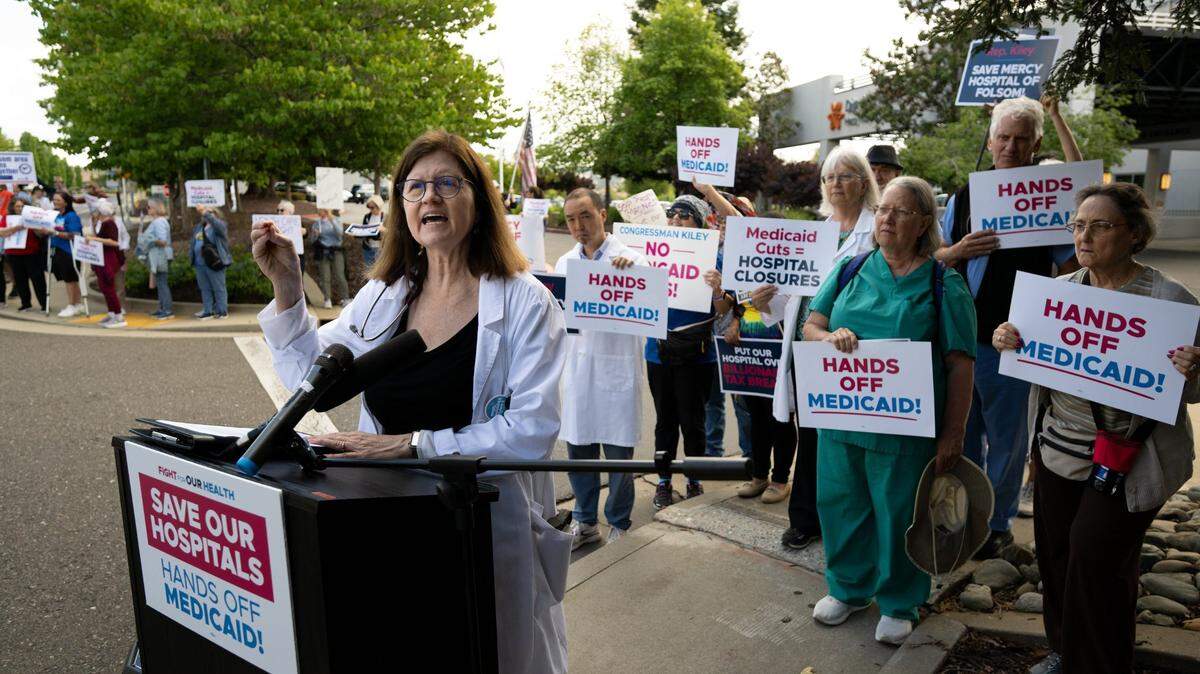
Sacramento-area Democrats are attempting to convince voters that Congressional Republicans’ proposed budget bill will hit their health care and their wallets.
Reps. Doris Matsui and Mike Thompson convened a group of local experts and officials for a hearing-style discussion Friday at West Sacramento’s City Council chambers, and called upon them to explain the hits they expect to see to residents’ health care and social assistance programs, should the proposed budget cuts pass.
“The more people know about this, the more they know it’s bad for the American people,” Thompson said. “Getting the message out in the court of public opinion is important, and it’s working.”
The bill would make changes to Medicaid and the food stamps program, in part by imposing work requirements. The nonpartisan Congressional Budget Office estimated that 8.6 million fewer people would have health coverage over the course of a decade, and 3 million fewer people would have food stamp benefits, the Associated Press reported. The bill was passed by the House earlier this month, and will next go to the Senate.
Matsui said the goal of the hearing was to “bring it home,” by giving local officials a chance to speak about their expectations for health care, schools and jobs, should the bill pass as written. Thompson directly appealed to attendees to spread the message.
“You all have friends and colleagues and relatives in red districts. Call them,” he said.
During Friday’s discussion, Sacramento Fire Department Chief Chris Costamagna said uninsured residents, often without access to primary care, turn to 9-1-1 for basic needs instead.
“It becomes the primary care for them,” Costamagna said.
Dr. Erika Roshanravan, a family physician at CommuniCare + OLE, a local chain of safety-net clinics, said the proposed cuts would be “catastrophic to our ability to operate.” Nearly 70% of its revenues come from payments for providing patient care, she said, most of that from Medicaid.
She said she fears deep cuts in health care will put staff in situations of “moral injury,” a term used by medical workers to describe the distress they experience when systemic issues prevent them from providing patients with the level or quality of care needed. The phrase was used widely among health care workers during the COVID-19 pandemic, often in reference to their struggles to care for large numbers of seriously ill patients on understaffed hospital floors.
For local schools, a drop in participation in a federal food assistance program would reduce schools’ abilities to provide free food to all, said Diana Flores, executive director of nutrition services, the central kitchen and distribution services for Sacramento City Unified School District.
Schools with high student participation in the program are able to provide universal free meals. If changes to the federal program cause participation to drop, fewer schools might be able to, she said. Students would be eligible individually, but many families make too much to qualify and too little to keep up with California’s cost of living. A family of four making $56,000, for instance, would not qualify, she said.
Flores said the district recently lost access to federal grants that were intended to help it buy from local farmers. She said the grants weren’t awarded yet, so it’s unclear how much the district would have received.
“There’s a whole economy based on this,” Matsui said.
The budget cuts may seem obscure or far-off for constituents, Matsui said in an interview after the hearing. But the issue is urgent.
“We wanted to have this hearing so that we could bring it home,” she said. “People see this or hear about it and realize, ‘This isn’t (happening in) Washington. This is here.”
This story was originally published May 30, 2025 at 3:03 PM.