Why MLS looms large as Sacramento Republic FC breaks ground on downtown stadium
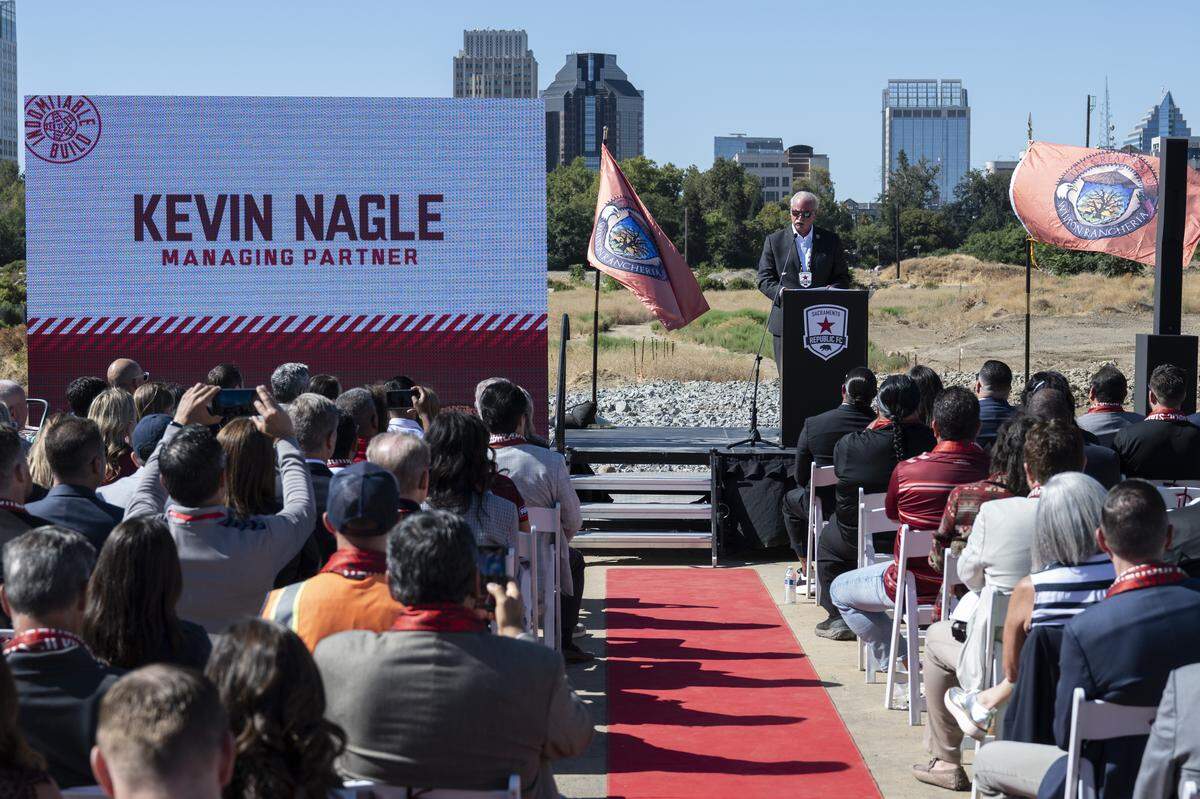
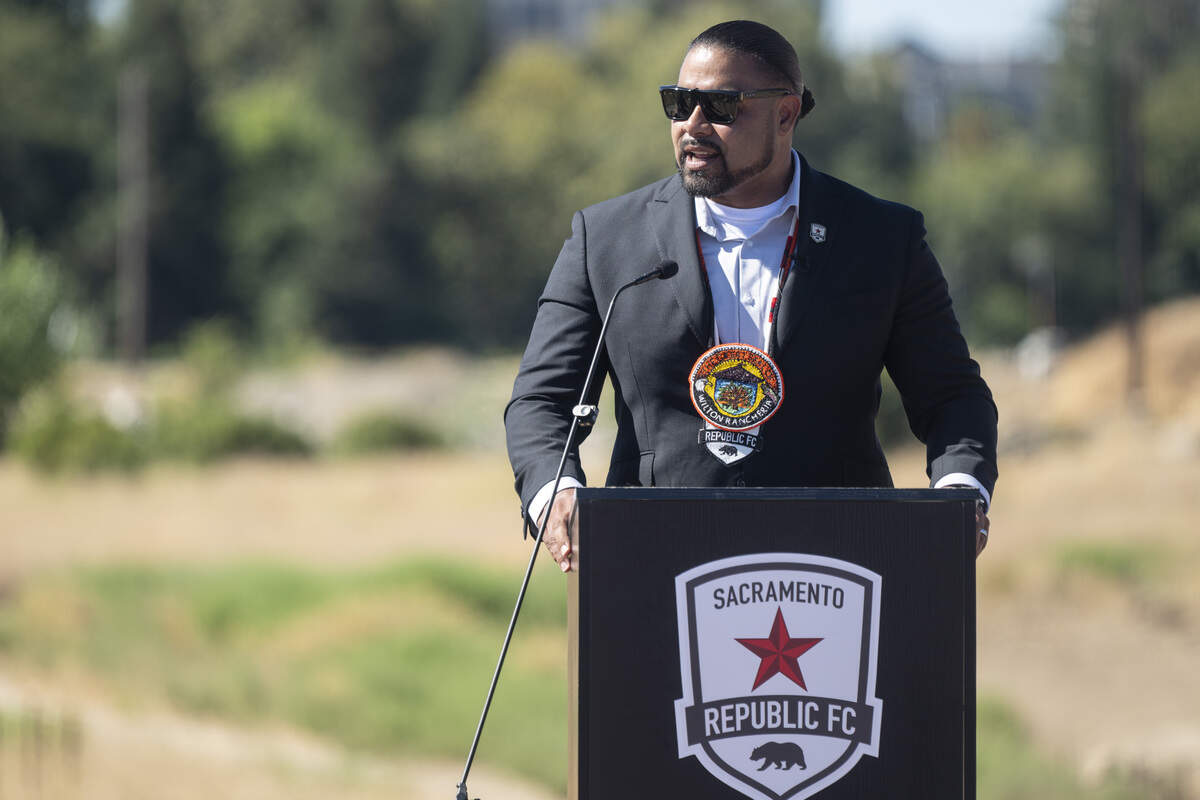
Sacramento’s sunlit skyline served as the backdrop for local politicians and Republic FC brass as they made their speeches behind a lectern in front of fans, city council members and television cameras.
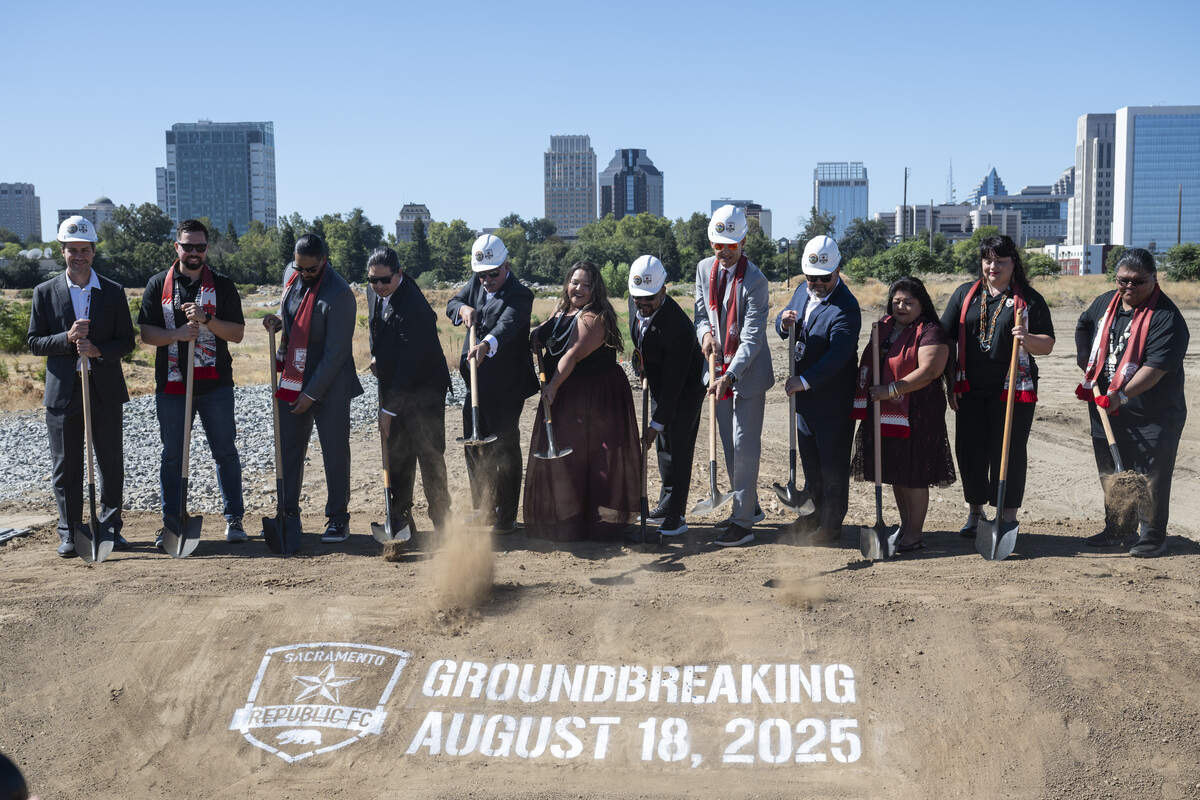
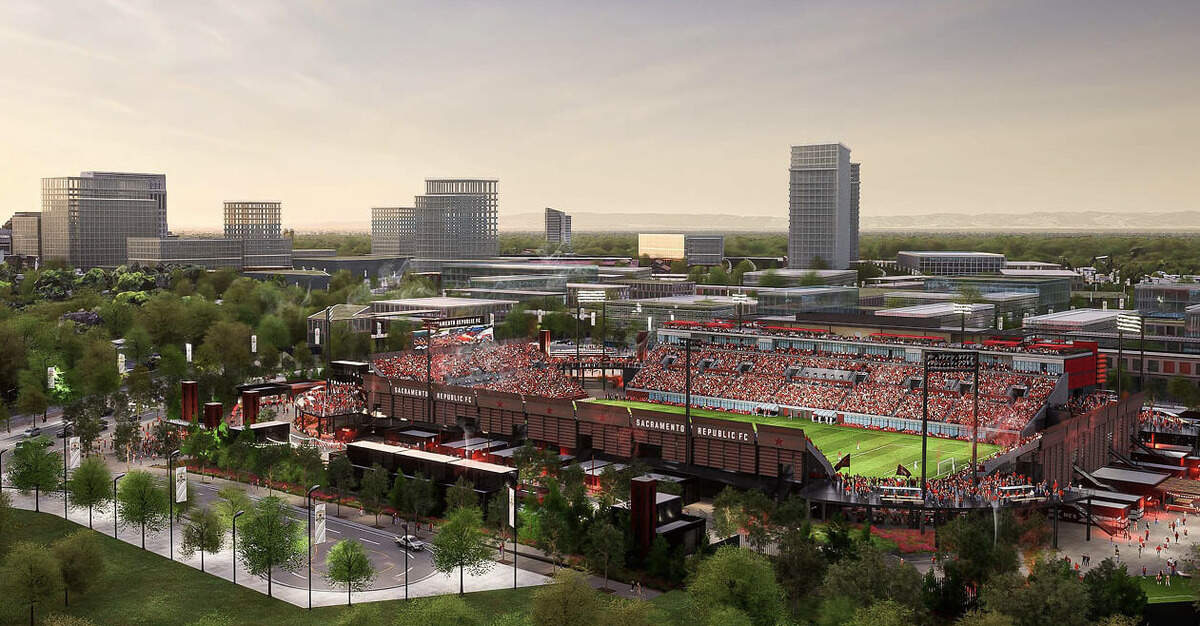
They were there Monday morning to commemorate the groundbreaking for the soccer team’s new 12,000-seat stadium in the downtown Railyards, a project 12 years in the making, that could grow downtown Sacramento’s footprint north with a new sports and entertainment hub.
But behind it all remains the looming proposition of Major League Soccer, which could be half a decade away, but has never left the forefront for some of Republic FC’s top decision makers.
The completion of the new stadium — set to open in 2027 and designed to expand to MLS requirements — is the key to Republic FC making the jump from the United Soccer League to MLS, the country’s top soccer outfit.
“We’re in a situation right now where, we might have to build a bigger stadium,” Republic FC managing partner Kevin Nagle said, “and we’re really sort of planning for that as well. So while there’s a lot of excitement, it’s really about thinking about the future.”
Planning for the future, as Nagle said, is about being ready whenever MLS becomes a real possibility. The league is currently in a holding pattern at 30 teams after introducing San Diego FC this past season.
The next move to 32 teams has been discussed largely as a hypothetical and remains years away, if it happens. Still, it’s been very much part of Republic FC’s long-term thinking when it comes to the construction of the new stadium.
Which is why the initial plan for the stadium is a design that seats 12,000, but allows for expansion to some 20,000 with a canopy to cover the grandstands, along with other amenities to meet league requirements.
“There might be an opportunity there,” Nagle said. “We don’t know yet. We’re sort of working on it, very informal discussions. But I would say we have to be thinking about that. MLS is really the leader in the U.S., and so if you’re going to be planning on a going-forward basis, larger stadiums demand for bigger and better services.”
MLS isn’t the only reason Republic FC is building a stadium that could expand. USL is working to launch a “Division One” League, which would operate under similar parameters to the MLS as defined by the U.S. Soccer Federation.
It would help the USL adopt a promotion-relegation model similar to leagues throughout Europe, which the MLS currently doesn’t have. The new division would be designed to compete with the MLS more directly than the current form of the USL.
The addition of Division One would give USL three divisions, along with the USL Championship and USL League One. It’s expected that 12 or 14 teams would join Division One in 2027 or 2028, around the same time Republic FC plans on opening its new stadium.
The team has been one of the most popular in the USL since it began playing in 2014. Republic FC would have to expand capacity to 15,000 to meet USL Division One requirements.
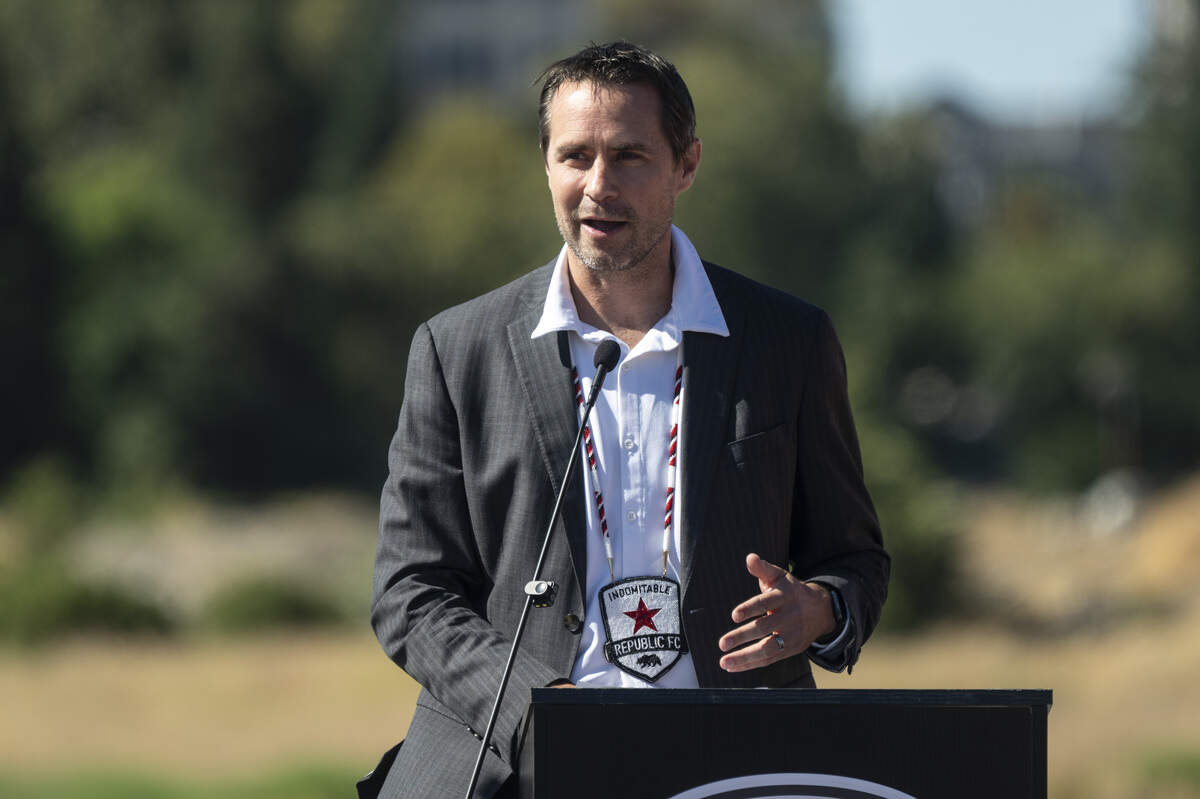
“Within our current design, without changing anything, we can get to 15 (thousand),” said Todd Dunivant, Republic FC president and general manager. “We don’t know where this stadium is ultimately going to go, so we want to make sure it’s ready for whatever comes. And we think that’s going to be bigger and better, whatever that means. I think for us, building it in a smart way that allows for its expansion, I think it’s going to be a huge, huge thing for us.”
The stadium’s design in its current form has a relatively modest cost of $175 million for Republic FC and Wilton Rancheria, the Native American tribe that took over a controlling stake in the club last November. The stadium is part of a $321 million entertainment district that will include housing, retail, office space and a new concert venue at the renovated Paint Shop in the Railyards that could hold 3,500 to 5,000 people. Building a new hotel has also been floated.
Money might no longer be an impediment
Capital investment was the biggest reason it took years for Republic FC to finalize its new stadium. The club nearly had a new stadium in 2019 in a deal that included MLS expansion, but billionaire financier Ron Burkle backed out of the agreement, citing business concerns relating to the COVID-19 pandemic, costing Sacramento its stadium and the MLS.
But Wilton Rancheria appears to be solving those issues, first with bankrolling the team and its new stadium, but also working behind the scenes to get more investment to help cover a potential MLS expansion fee.
“You’re going to see this paradigm shift of major gaming tribes that not only sponsor — we spend hundreds of millions of dollars in sports sponsorship — but now we’re getting in the equity game,” said Chris Franklin, Wilton Rancheria’s COO. “So we’re going to flip the switch a little bit.”
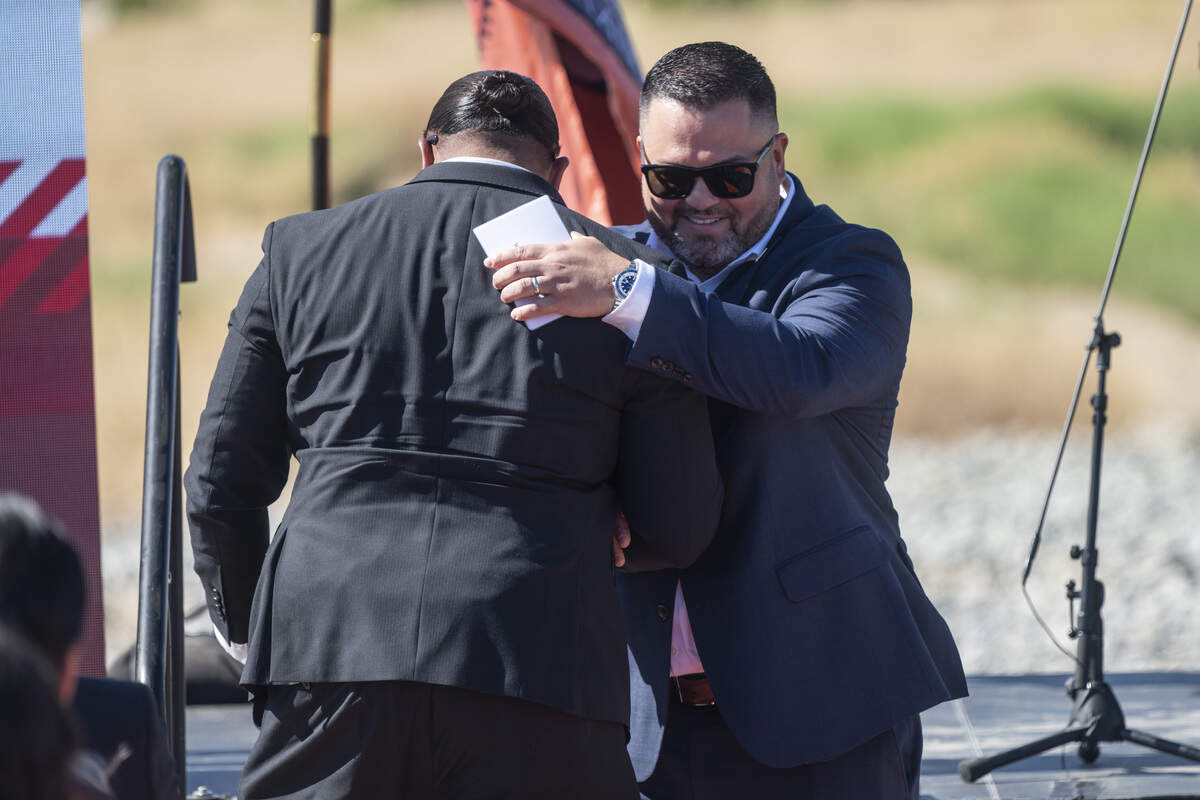
Franklin and Wilton Rancheria Chairman Jesus Tarango said they “100 percent” have been speaking to other Native American tribes in California about investing into Republic FC if jumping to the MLS becomes a possibility.
The expansion fee for San Diego FC was reportedly $500 million, a significant increase from the $325 million paid by Charlotte FC owners to join in 2019. Those costs are only expected to grow.
Part of San Diego’s ownership group was the Sycuan Band of Kumeyaay Nation, which partnered with billionaire Mohamed Mansour. Tarango said he’s had discussions with Sycuan leaders about their experience working with the MLS.
“We’ve had some conversations with them (about) their success and how happy they are,” Tarango said. “We have what they don’t have, though. We’re going to own our stadium, and it’s going to be on our land. ... So I think that they’re excited to see us come along and see what we could do.”
Where does MLS stand on expansion?
The MLS has grown from 10 to 30 teams since it began in 1996. Commissioner Don Garber has said he will consider adding teams under the right circumstances.
The 30 teams in the MLS is the same number as the NBA and Major League Baseball. The NFL and NHL both have 32 teams.
“I do think that our country and Canada could support a couple more teams,” Garber told reporters at San Diego FC’s first home match in March. “I think there are many more cities over time that could support professional soccer, men’s soccer at the highest level. But let’s cherish what we have tonight.”
In the meantime, Republic FC launched a website for fans to see renderings of the stadium and place deposits on future season tickets.
This story was originally published August 18, 2025 at 2:14 PM.