
California-based Del Monte Foods auctions assets, big Central Valley cannery to close
One of the nation’s largest players in the canned produce industry is selling off its assets, marking a pivotal moment in the Northern California company’s more than 100-year history.
Del Monte Foods, known globally for its canned and fresh produce products, announced Thursday that its assets sold at auction to three companies, following a Chapter 11 bankruptcy filing in July.
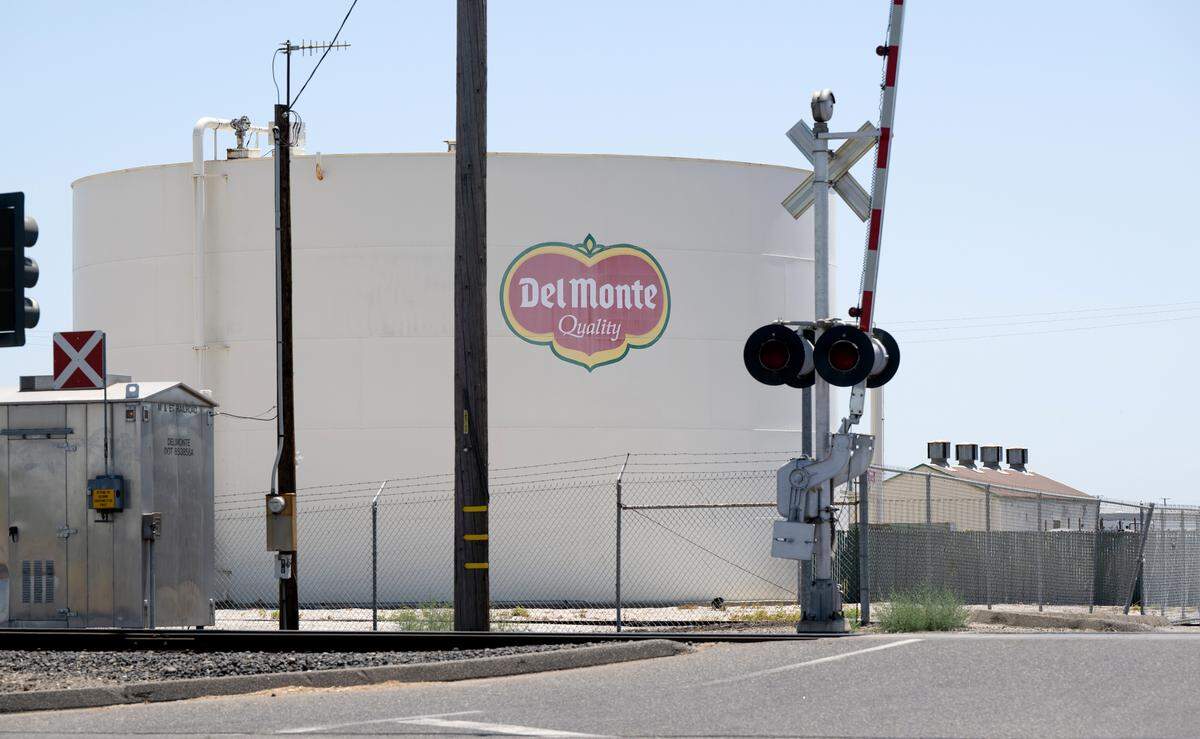
Those transactions don’t include Del Monte’s Modesto fruit cannery, its only plant in California, because no buyer stepped forward to keep that facility operating, The Modesto Bee reported Friday morning. As a result, Stanislaus County will lose about 600 year-round jobs and another 1,200 seasonal jobs during harvest time.
Del Monte, based in Walnut Creek, previously operated a Sacramento plant, though it closed in 1981.
The company’s broths and stocks, as well as its shelf-stable fruit products, are slated to be sold to external companies B&G Foods, Inc. and Pacific Coast Produce.
The remaining assets, including branding, canned vegetables, refrigerated fruits and more are set to operate under Fresh Del Monte Produce, Inc., which runs the former Del Monte Foods fresh fruit brand out of Florida.
As the company prepares for its split, Del Monte Foods has not yet said what will happen to its footprint in the Bay Area, where it has an extensive history.
Del Monte Foods’ roots
In 1886, nearly 140 years ago, Del Monte established itself in the Bay Area and it has since called Northern California home, even through its massive worldwide expansions and changes in ownership.
Since 2015, Del Monte Foods has been headquartered in Walnut Creek, with numerous subsidiary businesses around the world handling various aspects of the company’s production.
Del Monte Foods also owns canned Roma tomato company Contadina, organic tomato packager Take Root Organics, premium canned vegetable company S&W Fine Foods and the JOYBA bubble tea company, which are set to operate under the Fresh Del Monte Produce name.
Fresh Del Monte Produce was established in the 1980s when Del Monte’s former owners sold the company’s fresh fruit branch to a British retail conglomerate. It operates separately from the main Del Monte company, though it will absorb the original brand’s intellectual property as part of the recent sale.
College Inn and Kitchen Basics — Del Monte Foods’ broth and stock brands — will go to B&G Foods, a New Jersey-based company that includes brands like Green Giant, Cream of Wheat and Crisco.
The rights for Del Monte Foods’ shelf-stable packaged fruits and ambient-temperature fruit sauce products in the U.S. and Mexico is transferring to California grower cooperative Pacific Coast Producers.
Del Monte Foods CEO Greg Longstreet said in a press release announcing the sale that the auction was a “successful result in our sale process” and shows the “enduring value of Del Monte Foods’ brands and operations.”
“These transactions will create an opportunity for our beloved brands and businesses to thrive under the ownership of three of the leading companies in the food industry,” Longstreet said in the release.
According to the press release, the sale’s closure and transition of all assets should be completed by the end of the first quarter of 2026.
Pandemic effects, inflation contributed to Del Monte bankruptcy
Last July, Del Monte Foods and a number of its subsidiary businesses filed for Chapter 11 bankruptcy relief.
According to the company’s relief petition filing, Del Monte Foods suffered heavily from COVID-19 pandemic-related shifts in consumer demand. As demand for canned goods rose during the early pandemic, Del Monte Foods planned ahead and increased its production as far out as 2023.
However, the company’s filing said by that point in the pandemic, customer demand diminished significantly. It was left with excess stock to “store, write-off, and sell at substantial losses.” Future production cycles were pared back, but the unit cost of production was subsequently increased.
Steel and aluminum tariffs also hit the entire canned industry, according to reporting from Marketplace. The U.S. imports nearly 70% of tinplate steel — which is used for cans of fruits and vegetables. President Donald Trump doubled tariffs on aluminum imports. Finance & Commerce reports, since then, aluminum costs have grown by 40%.
In addition to the rapidly slimmed margins, inflated interest rates strained Del Monte Foods’ finances, with cash interest expenses nearly doubling to more than $125 million between fiscal years 2020 and 2025.
Del Monte Foods’ liquidity rapidly declined after missing its projections for the 2025 fiscal year, according to the bankruptcy filing. Two months prior to Del Monte’s bankruptcy filing, parent company Del Monte Pacific Limited declined to make a $45 million equity investment, and multiple vendors later renegotiated contract terms with the company.
At that point, the company began restructuring conversations.
This story was originally published January 16, 2026 at 2:28 PM.
.jpg)