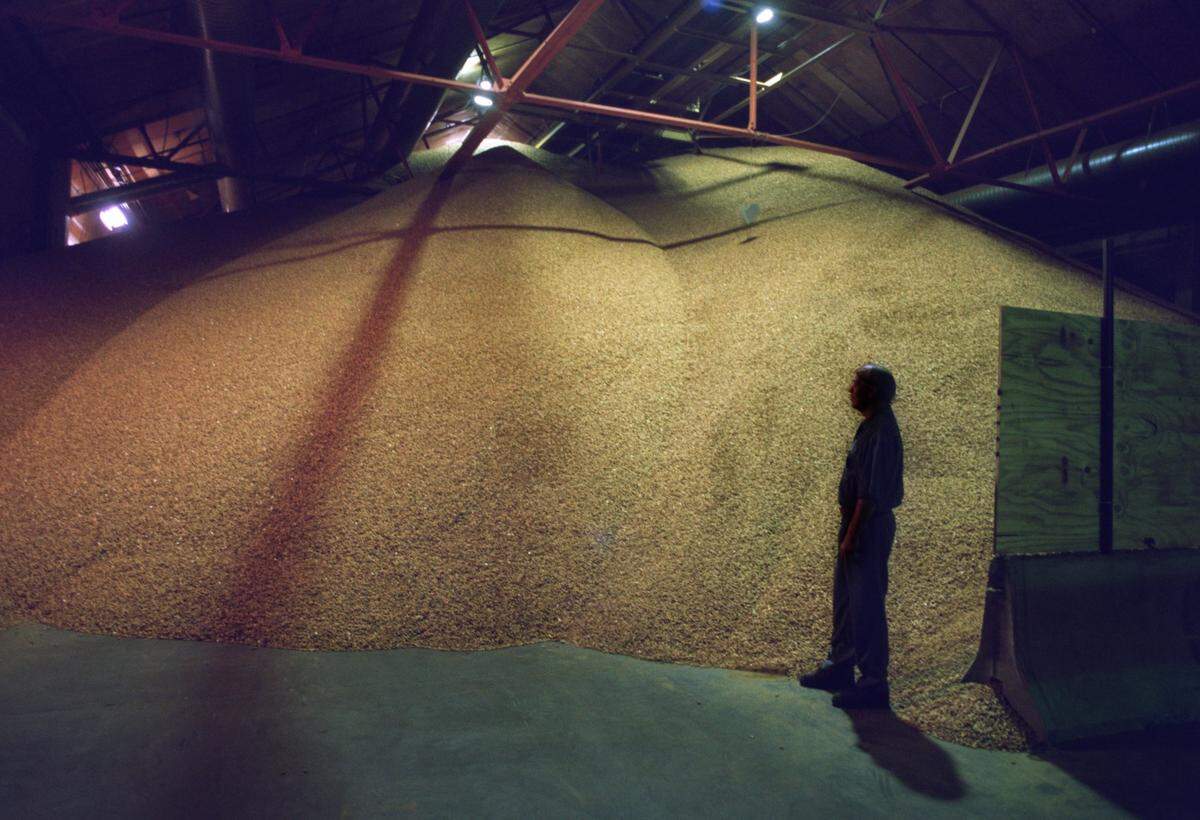
Blue Diamond looms large in Sacramento. The site’s future is an open question
AI-generated summary reviewed by our newsroom.
- Blue Diamond will close Sacramento plant by mid-2027, cutting 600 jobs.
- Cooperative shifts processing to Turlock and Salida to protect grower pay.
- City faces 53-acre redevelopment question balancing preservation, housing, jobs.
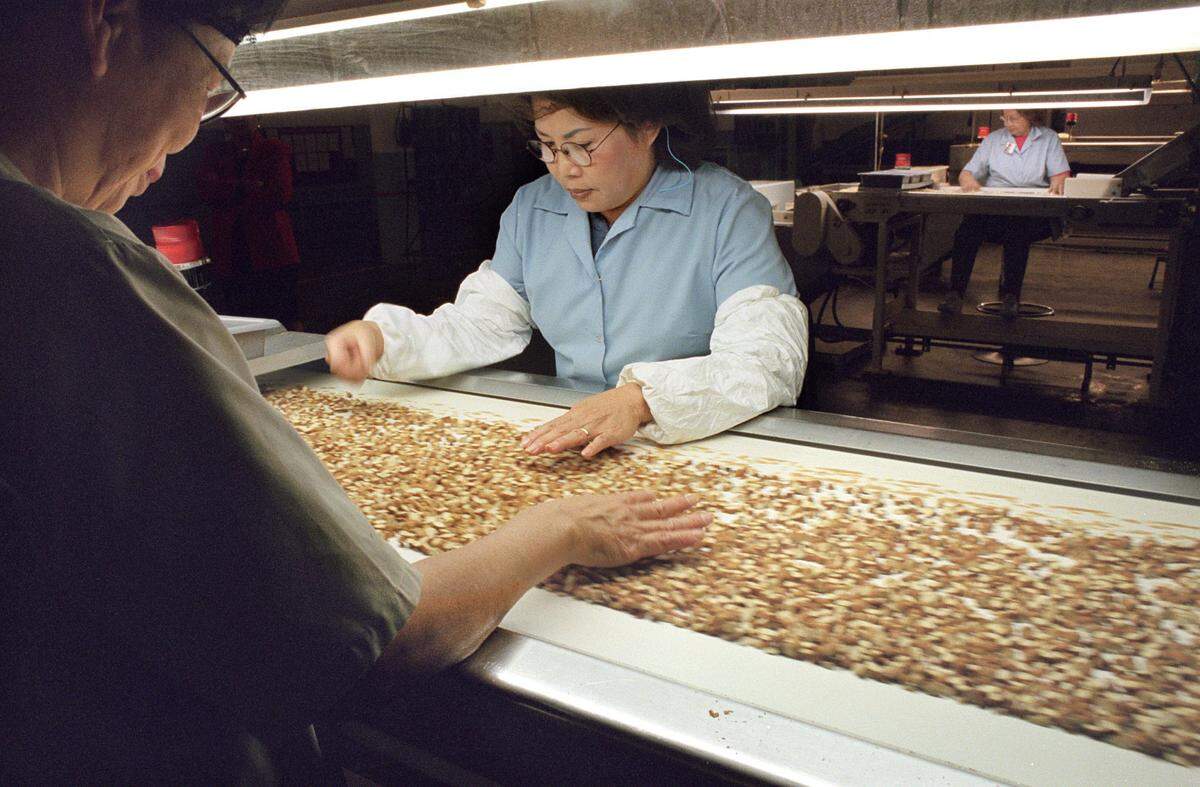
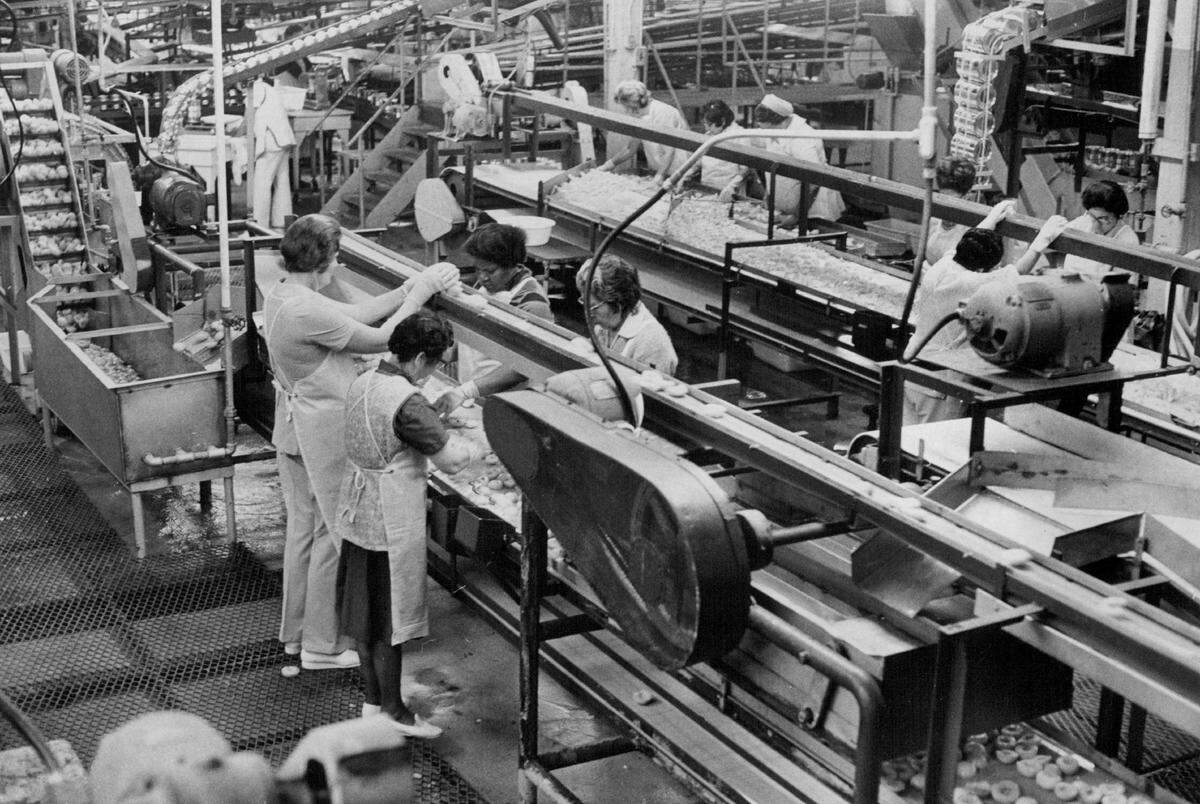
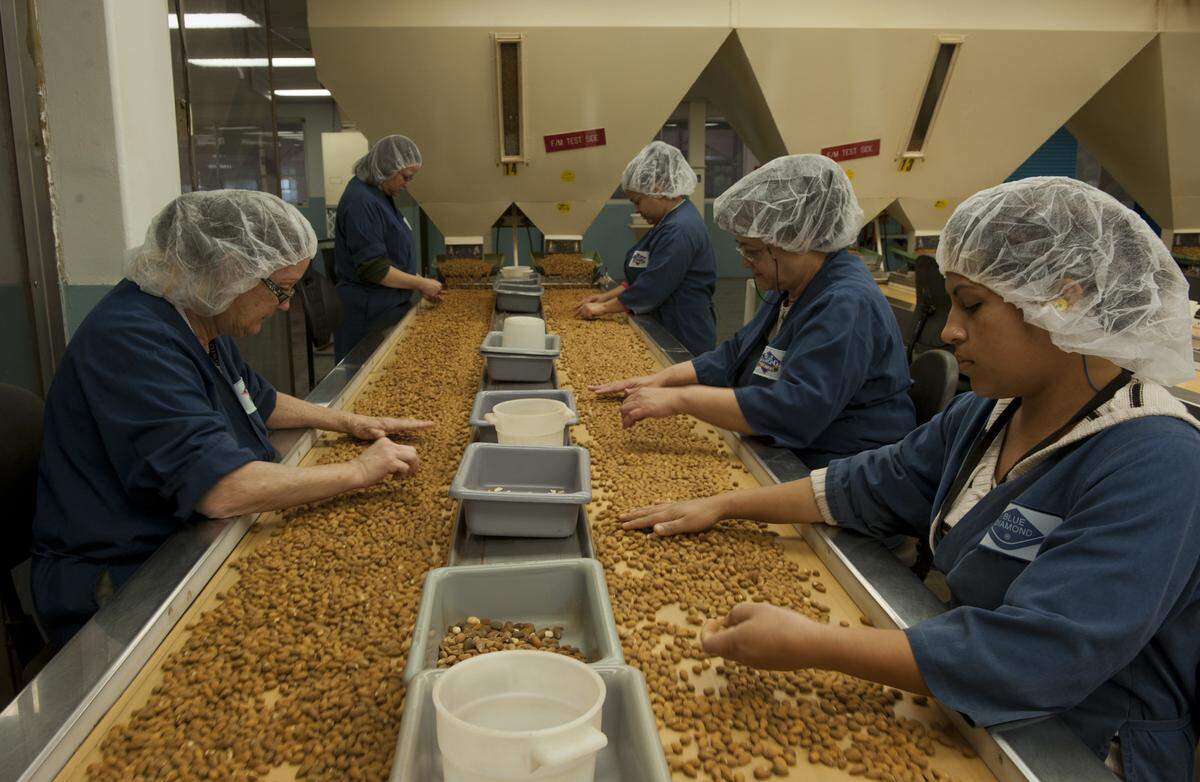
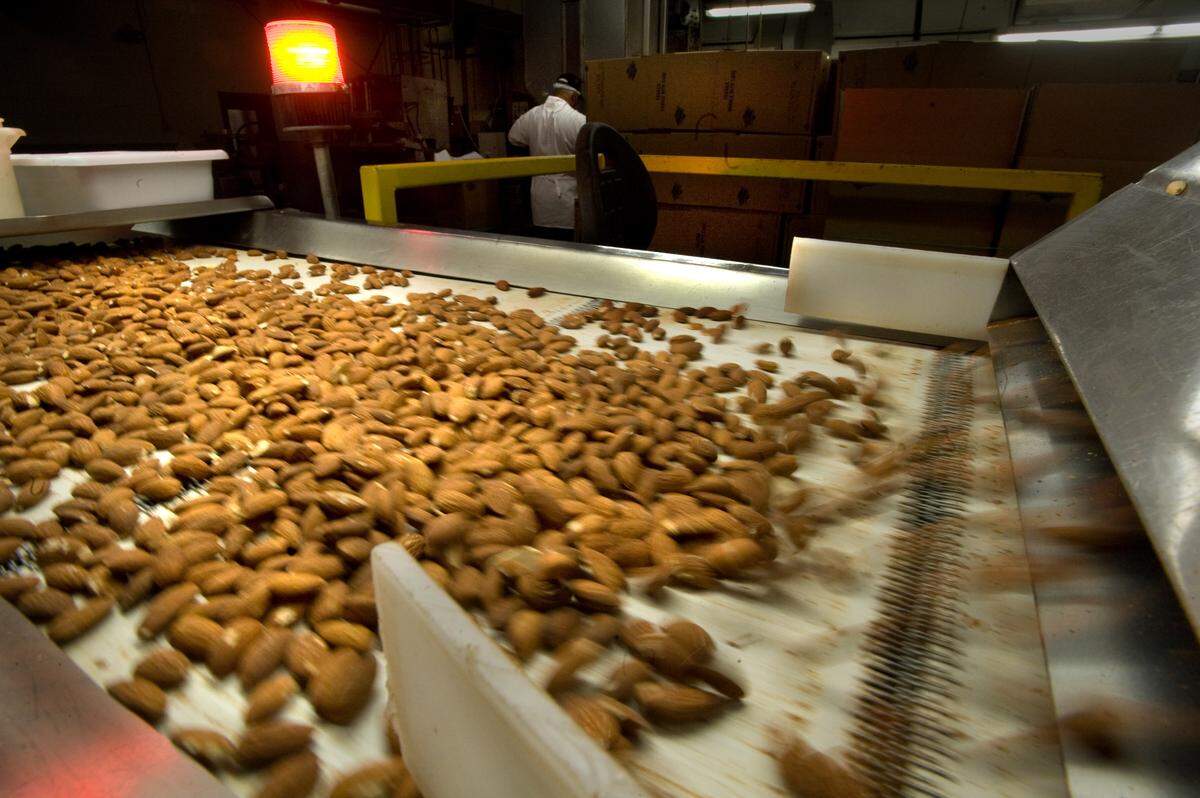
Before a series of upgrades beginning in the 1990s, more than 80 people stood shoulder-to-shoulder over the conveyor belts at Blue Diamond’s plant in midtown, sorting and grading the stream of incoming almonds, picking out stray sticks and rocks.
Now, equipped with more efficient machinery, this section of the plant is staffed by just eight. In another area of the factory, machines installed four years earlier already lack certain even-more-modern contrivances.
And recently, after 110 years in midtown, Blue Diamond officials announced that the Sacramento almond plant had fallen behind the times, and would be shut down sometime between late 2026 and mid-2027.
The plant is a vestige of an industry that once loomed large here. Its brand has become a nostalgia-laced bit of Sacramento identity, and an employer for generations of locals.
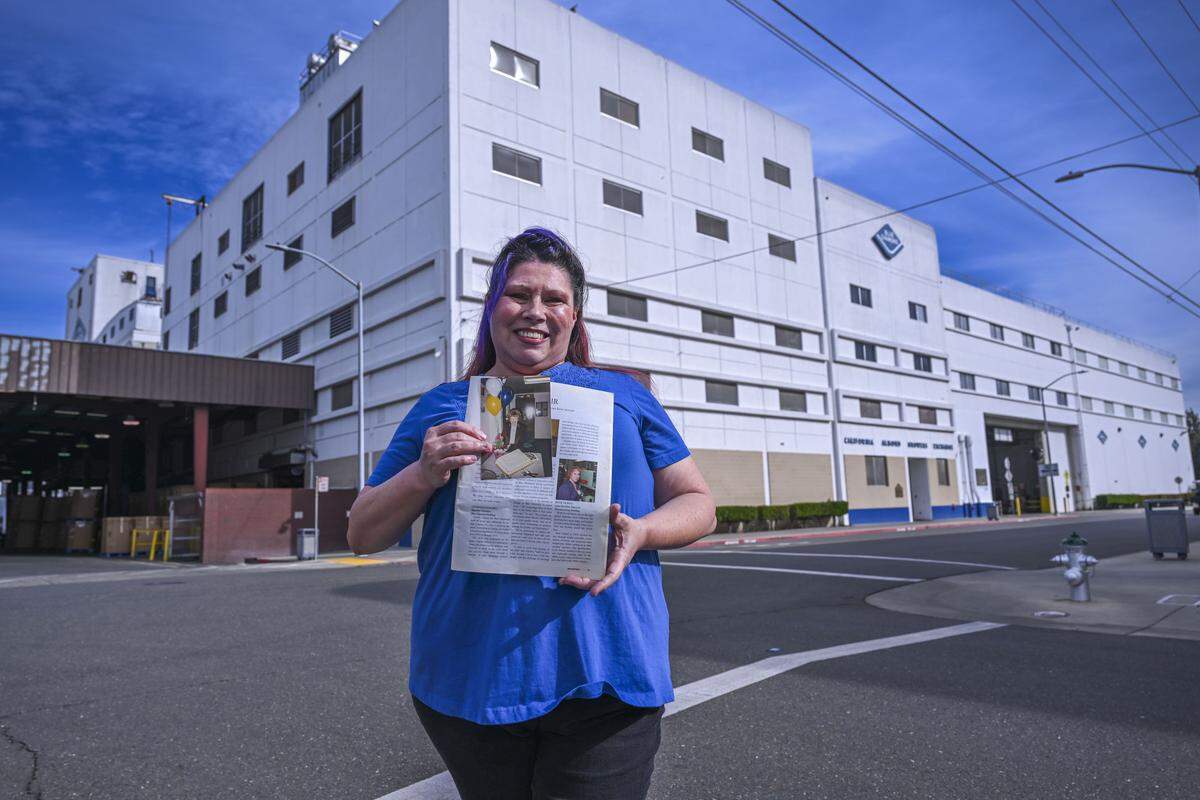
“It was the running gag: You’re the next to work at the nut factory,” said Cristy Rudkin, a production associate whose family has had at least one member employed at the midtown plant since 1963.
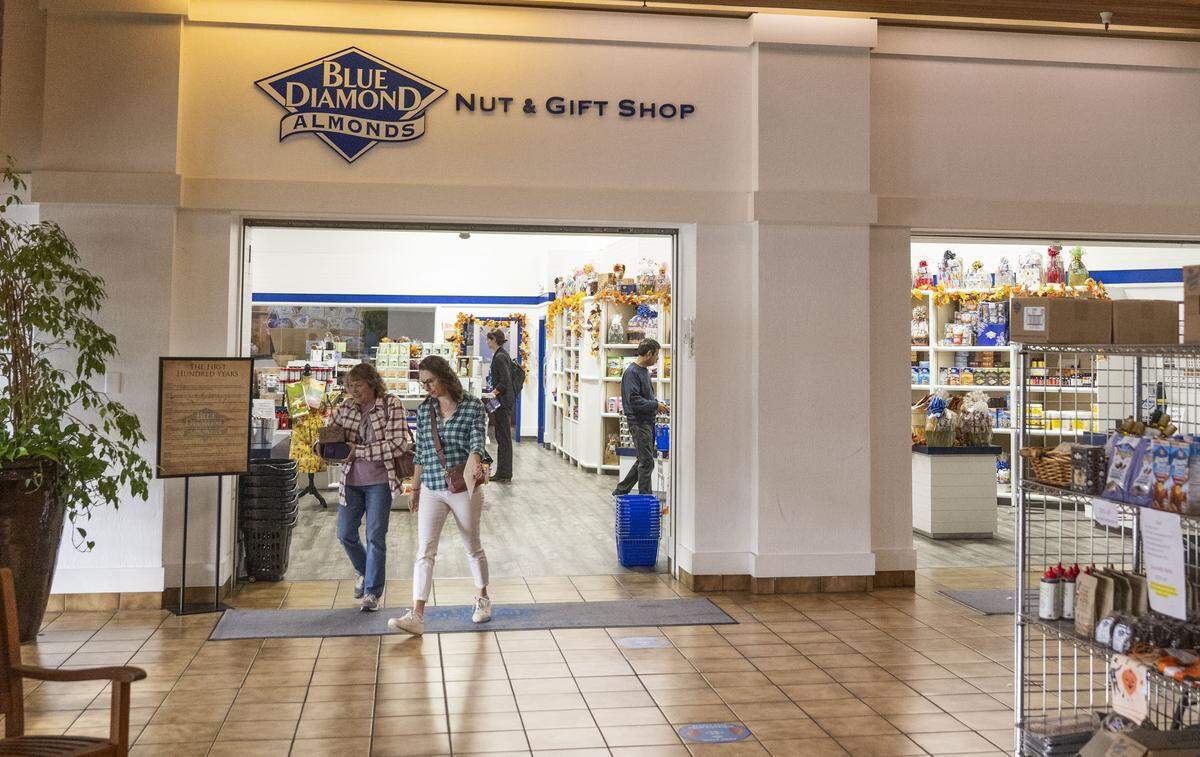
Like the rumble of cargo trains or congestion on 16th Street, the uncanny blueberry aroma that occasionally wafts out of the plant is one of the well-known features of life in northern midtown, and locals have long relied upon the gift baskets and offbeat flavored almonds in the factory store for Sacramento-themed presents.
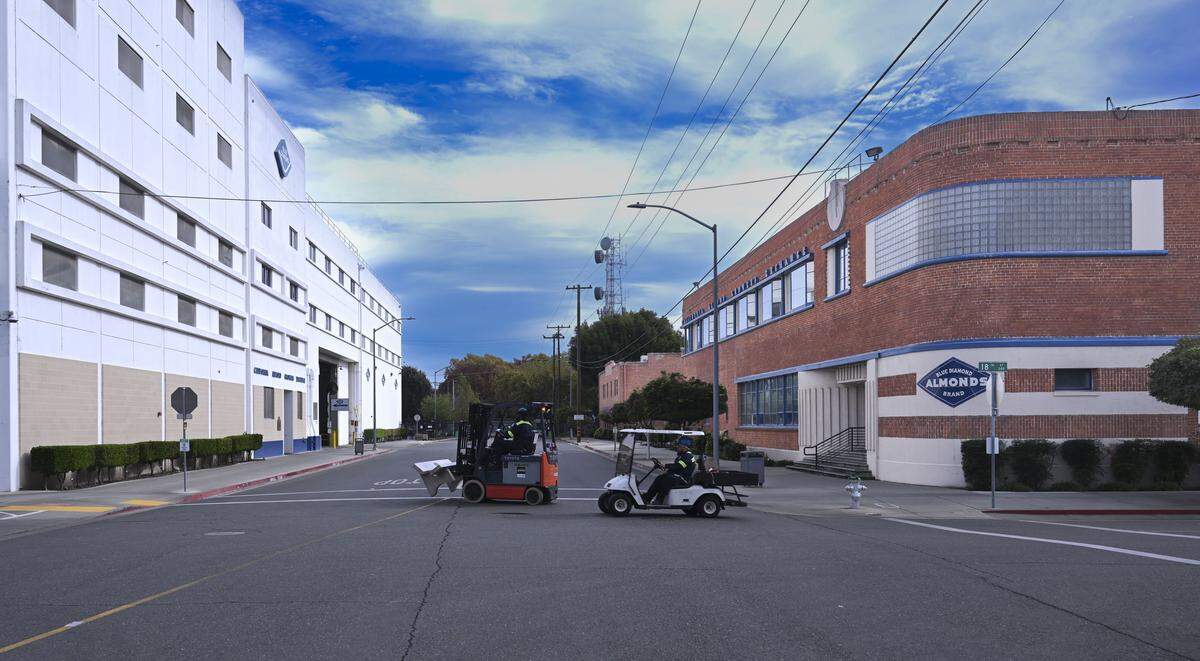
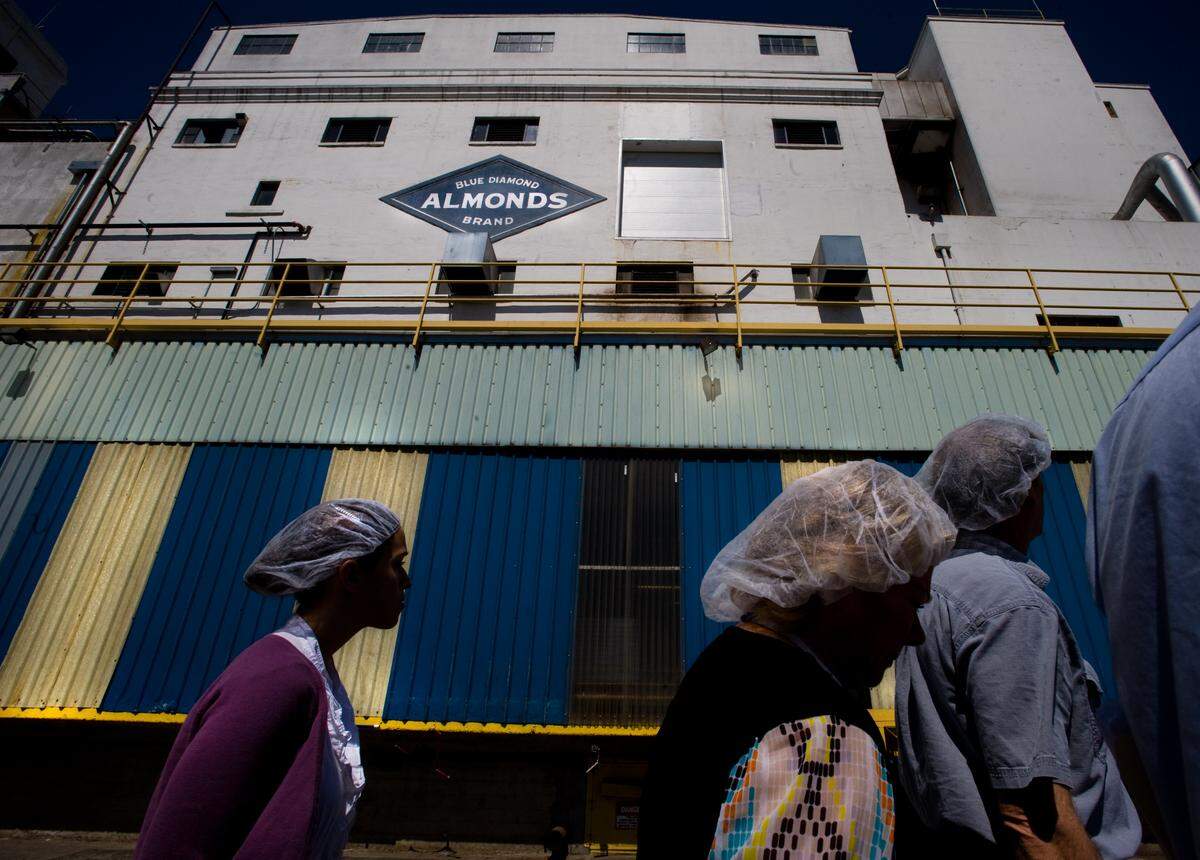
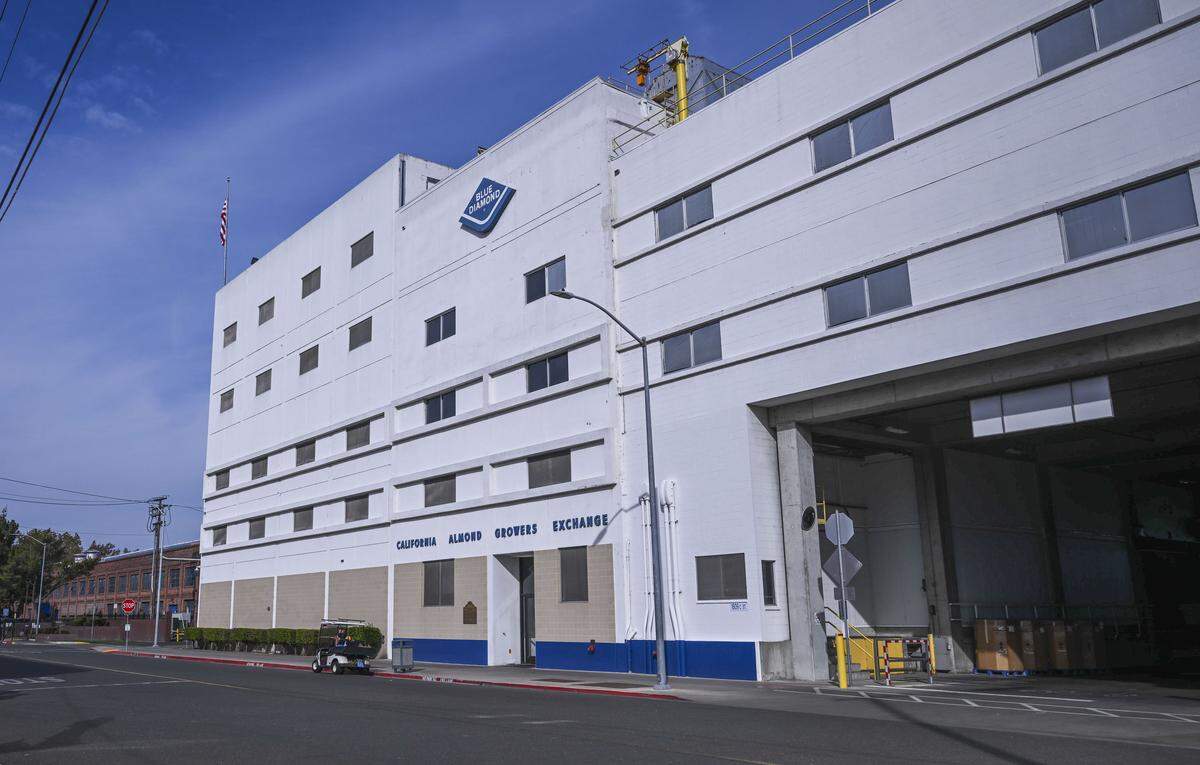
Among Blue Diamond leadership, the closure was a clear financial choice on behalf of the nearly 3,000 almond farmers who collectively own and make their livelihoods through the cooperative. At the sprawling campus, Blue Diamond’s longtime headquarters, many of the buildings are aging, and their layout is inefficient, said Jeff Hatfield, senior vice president of manufacturing. The main processing facility is six stories tall, while modern manufacturing plants are usually built flat.
“At the end of the day, we are here to support the grower-owners,” Hatfield said. “The overall layout of the facility proves to be inefficient, in terms of how far we have to move almonds.”
The closure will eliminate 600 jobs. And for Sacramento’s leaders, the cooperative’s exit leaves a 53-acre question mark in one of the city’s central neighborhoods.
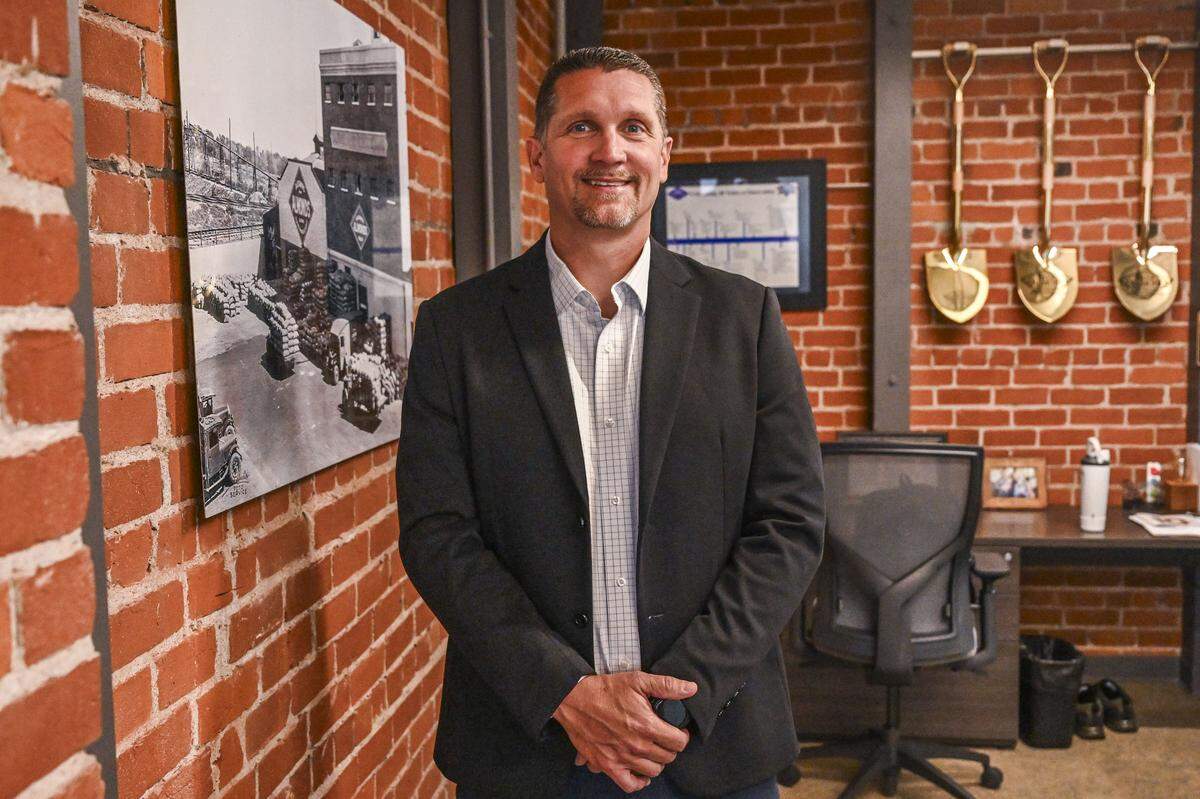
“I’ve been wracking my brain ever since this announcement,” said Councilmember Phil Pluckebaum, whose district includes the Blue Diamond campus.
There will be challenges in repurposing the site, from considerations around historic preservation to the sheer size of the campus. Still, civic leaders said it has the potential to create new jobs, vibrancy and maybe even housing for Sacramento.
“I think they really tried hard to stay as long as they could. I think the city worked hard to keep them,” said Devin Strecker, executive director of the River District. “I think there’s a lot of trepidation and worry that it may sit vacant for a while… But there’s also such an opportunity.”
An industry that came and went
Blue Diamond is one of the last traces of an industry that rose and receded in Sacramento over the course of about a century and a half.
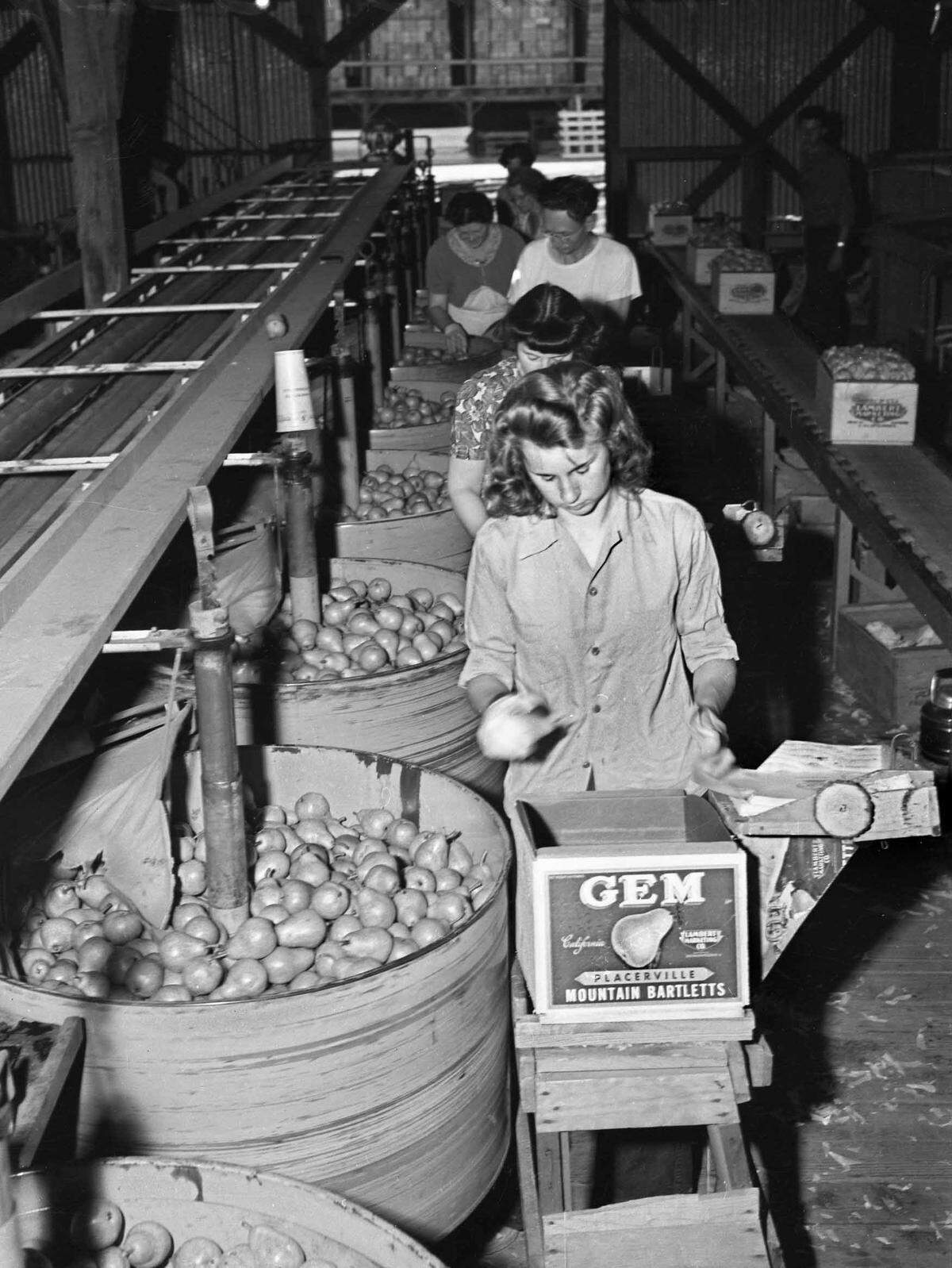
Beginning in the 1860s, canneries and food manufacturers large and small opened across the city. Sacramento had water and rail access, and workers. It was close to farms, which depended upon canneries to preserve produce for sale across the country.
The Bercut Richards fruit cannery operated at the corners of Richards Boulevard and Bercut Drive. American Can Company ran a 33-acre can-making factory at 33rd and C streets. The commercial center at the corner of Alhambra and Stockton boulevards — where The Sacramento Bee’s offices are now — was once a cannery operated by Libby, McNeill & Libby.
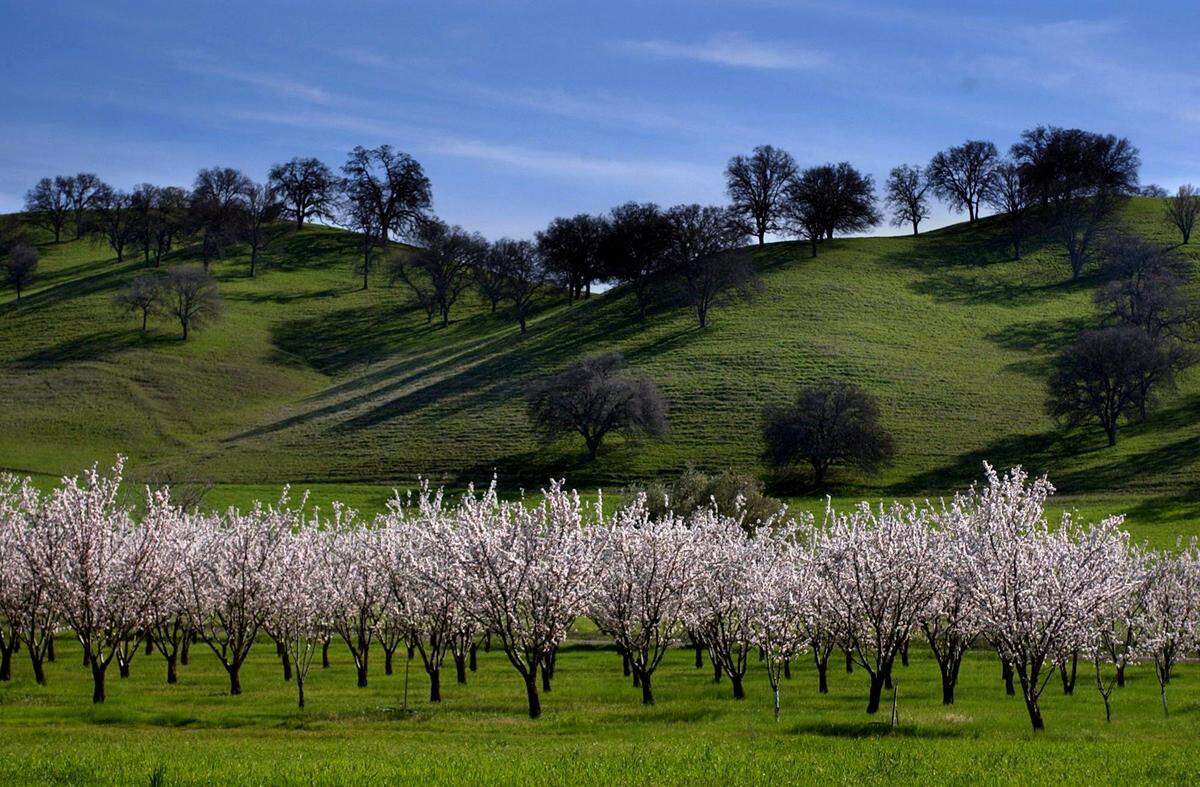
And Blue Diamond — founded by a group of growers in 1910 in an effort to gain leverage in negotiations and establish price and quality standards for the industry — opened its first almond-shelling plant in 1914.
At the industry’s peak here, more than 40 canneries, packing houses and food processing facilities operated in the metro area, according to the Sacramento History Museum.
Then, like the farms that moved out of Los Angeles County and the meatpacking plants that exited Chicago, history pushed canneries out of Sacramento, said William Burg, president of Preservation Sacramento, a nonprofit historic preservation advocacy group.
Trucks overtook trains in the business of produce-shipping. Suburb-building drove farms ever farther away from the city.
The decline was gradual, beginning in the 1960s. One by one, Sacramento’s major canneries gave word of their closure: Libby, McNeill & Libby in 1979, Del Monte Corp in 1981, Campbell Soup Company in 2012.
“Two of the big advantages — having the farms nearby, having the railroads nearby — both of those advantages left,” Burg said.
Sacramento’s business leaders saw the transition coming, and sought to make the region less dependent on industrial, blue-collar union jobs, and double down on white-collar, information-based work, Burg said. The region had other major employers in state and federal agencies and two Air Force bases.
“Now that’s what we have… Most of our workers are knowledge workers, who are working with information, with data, rather than building things,” Burg said. “That’s why we have a newspaper in an old cannery.”
As factories closed, Blue Diamond’s leaders were sensitive to their stature in Sacramento, said Roger Baccigaluppi, who served as the cooperative’s CEO from 1974 to 1991.
“We did feel a sense of responsibility, because we were, as time went by, more and more the largest private employer in the city, and probably the county,” Baccigaluppi said. “If you take away the hospitals and education institutions… next to them, it was us.”
“We practically owned that part of Sacramento,” he said.
.JPG "SAC_5136_BlueDiamond_HA_251111 (1).JPG")
Sacramento and Blue Diamond
Over the years, Blue Diamond has grown into a major player in the industry. Today, California supplies 80% of the world’s almonds, and the cooperative represents about half of the state’s 6,000 almond growers, said Hatfield, the senior vice president. The cooperative reported $1.5 billion in revenue for the fiscal year that ended in August.
The brand has expanded, over the years, in part by promoting new uses for almonds, taking advantage of health food trends and bringing its products into new markets around the world.
Blue Diamond persuaded Quaker Oats to create the first cereal with almonds in the U.S., Baccigaluppi said, and the rest of the cereal industry followed. The cooperative battled unfavorable tariff policies, and introduced almonds to new markets, like India.
“We’d sell them, so they’d plant more,” he said. “We kept finding places to sell them.”
Sacramento’s leaders have contemplated the loss of the Blue Diamond manufacturing plant for decades. In 1995, as Blue Diamond weighed the possibilities of building a new plant in the San Joaquin Valley, or reinvesting in its site here, the city council passed a multimillion-dollar tax incentive package to keep the cooperative in town.
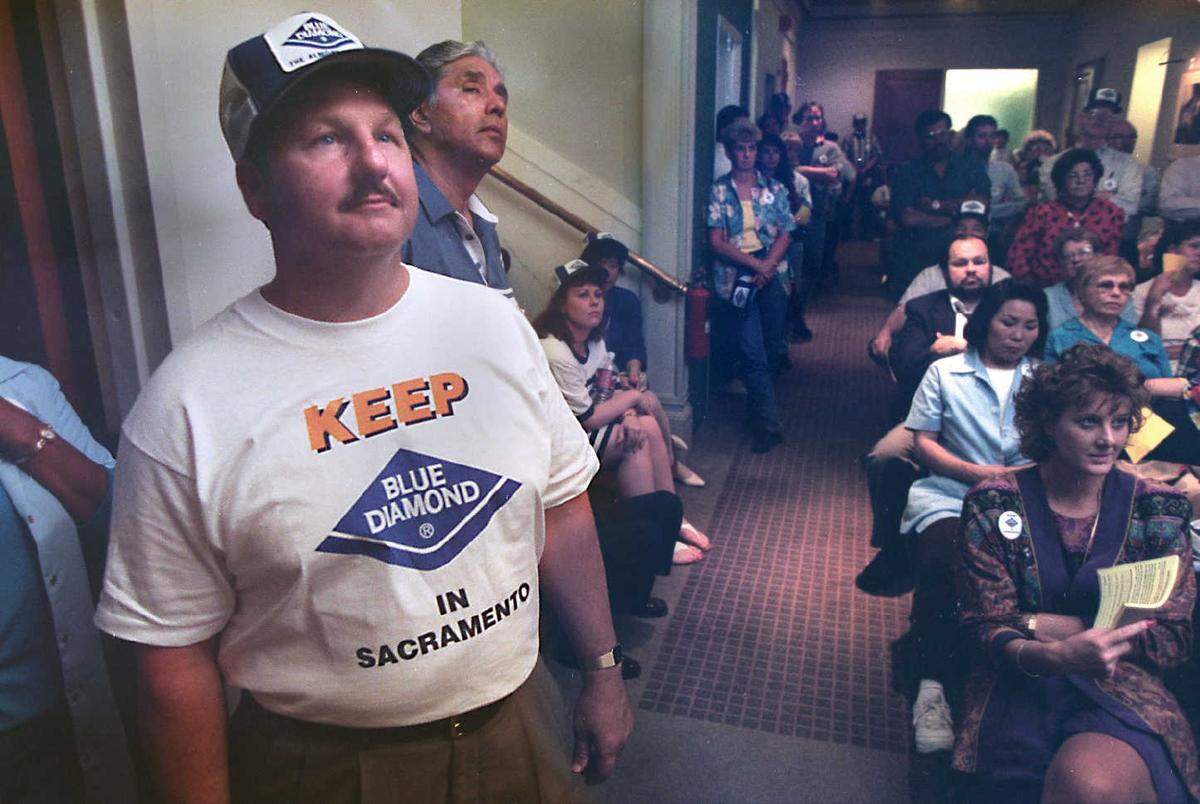
Over the past year, Blue Diamond took a more serious look at its operations, said Hatfield. In June, the cooperative gave notice that it would be closing down the facility over the next 18 to 24 months.
“Our balance sheet is healthy. This was not knee-jerk. We’re not in any rush,” said Hatfield. “This is a large operation that we have to wind down. We weren’t going to do that in a covert way.”
Officials have made clear that financial hardship for Blue Diamond would translate into lower payments for almond growers. Consolidating the Sacramento manufacturing south, into facilities in Turlock and Salida, was the best option.
The company’s corporate office will remain in the Sacramento area, though it has not said where.
“I’m really happy they’re going to keep their headquarters here,” said Baccigaluppi, the former CEO. “It’s not like Sacramento is losing Blue Diamond entirely.”
A ‘nascent’ real estate market
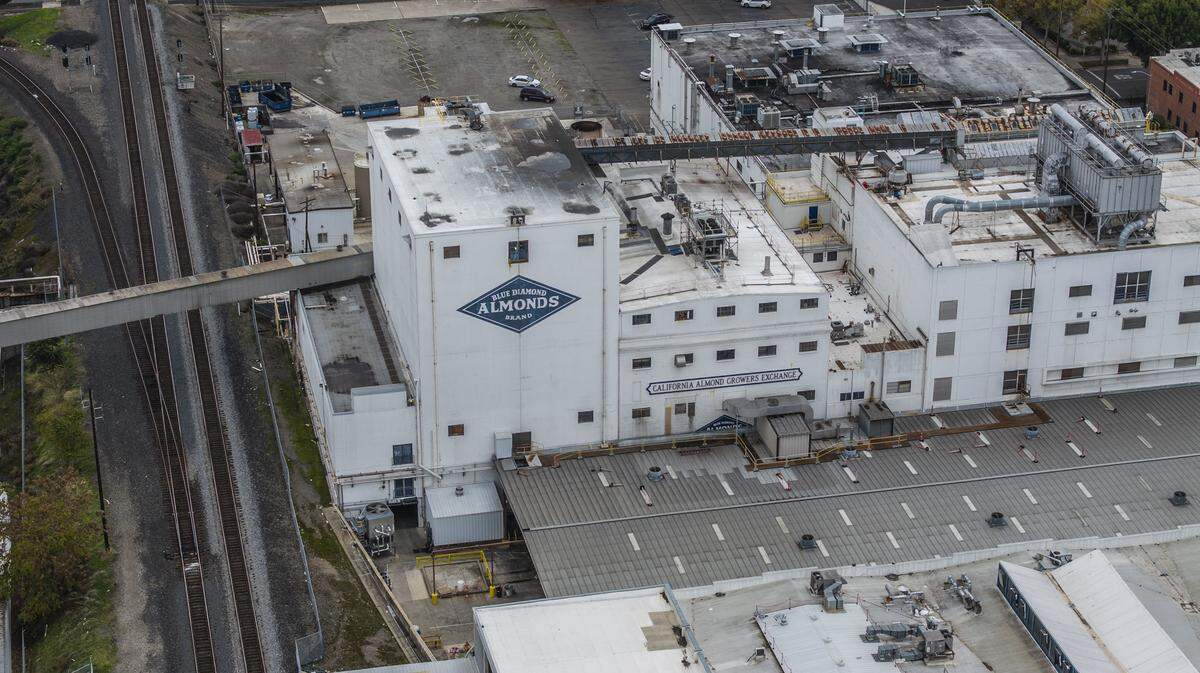
The Blue Diamond campus occupies 53 acres in an incongruous section of Sacramento, just over a mile from the Capitol, neighbored to the south by residential blocks of midtown, to the west by the suburb-bound 16th Street corridor, a casino, a rock climbing gym and a Ford dealership.
It sits on the southern edge of the River District — an expansive area stretching from the Sacramento River to 27th Street, north of the Railyards. The district was historically industrial by virtue of its river and rail access, but has seen new investment and housing in recent years, and is gradually becoming more connected to downtown as new roads are built through the Railyards.
Ian Barth, co-founder of Los Gatos-based Bauen Capital — which plans a mixed-use project called the “Grower’s District” at a former produce terminal near Blue Diamond — said he views the River District as “one of the best-positioned, nascent parts” of Sacramento’s real estate market.
Still, he said, the area needs energy, and would benefit from moves to make it more walkable. He hopes the Blue Diamond site, in the future, becomes a mix of commercial tenants and housing.
Pluckebaum, the city councilmember, said he has pondered wide-ranging possibilities for the property, from textile manufacturing to education to retail. He said he could see the site becoming a shopping center that catches commuters on the way out of town, before they head north to battle traffic.
It is unclear if the property would be developed as one project, or divided into multiple pieces.
Hatfield, the senior vice president of operations, said last month that the company was vetting potential brokers to market the real estate. On Tuesday, the company said it had not yet selected one.
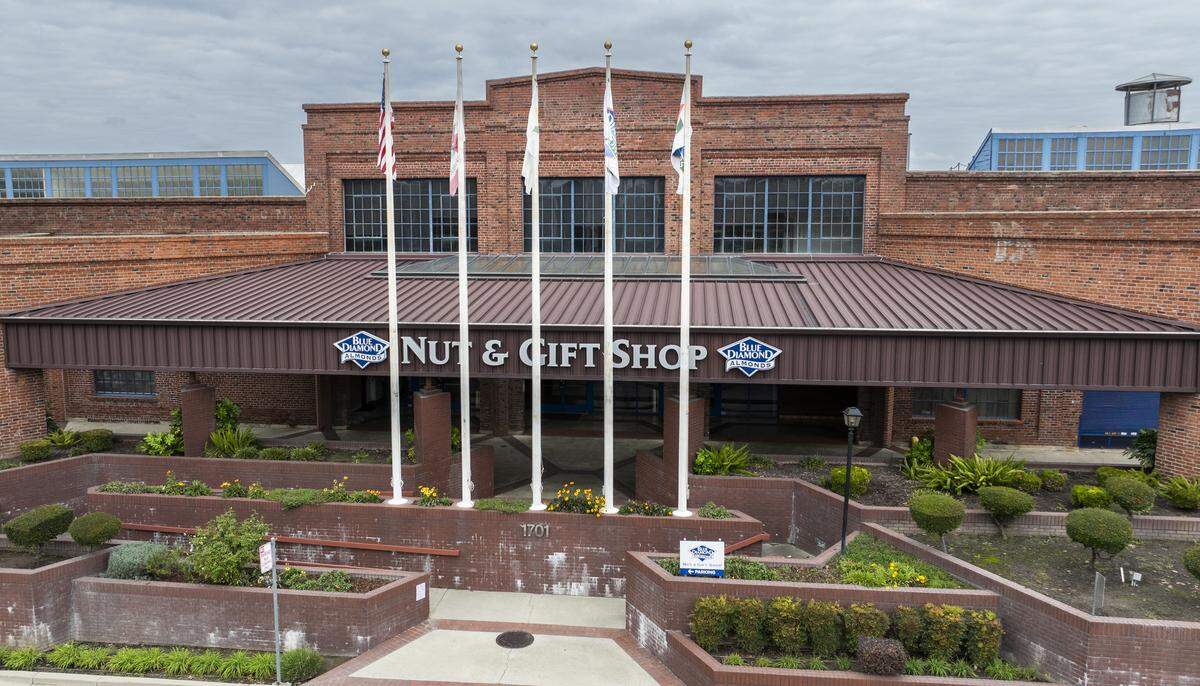
“We’re not in a hurry,” Hatfield said in November. “We want to make sure that we get the right value for the property, for our growers.”
Barry Broome, president and CEO of the Greater Sacramento Economic Council, said whoever takes on the property next will control “a critical economic recovery asset for the community.”
Broome drew a comparison to the owners and developers of the Railyards District, the former Macy’s building downtown, and vacant city block at 301 Capitol Mall — all considered influential pieces of land for the future of Sacramento’s urban core.
“That’s not just money,” Broome said. “That’s a civic mission.”
Historic weight
On a November morning at Blue Diamond’s processing plant, almonds poured down onto conveyor belts for examination by workers in hairnets and blue jackets, and run through a metal detector that finds the occasional, embedded bit of birdshot discharged by farmers hunting down pests. In another section of the plant, they were examined more closely for the smallest defects.
Rudkin, the production associate, said she recently became certified to drive forklifts, which would help her find another job. She started at the manufacturing facility as a temporary worker in 2016, and her mother, grandmother and great-grandmother all worked there before.
“We’re just very loyal people, and company-oriented,” Rudkin said. “We’re just proud of what this company is, and proud that we’ve been part of it for so long.”
The news of the closure, she said, was not entirely unexpected. It’s a century-old factory, after all.
“I’m proud to be at Blue Diamond,” Rudkin said. “The family legacy… I’ll still keep it alive.”
That history, said Burg, the preservationist, may influence the site’s future. One can look to the former workshops in the long-vacant Railyards, which developer LDK Ventures has slated for conversion into retail and entertainment venues. Or the former Crystal Ice and Cold Storage plant at the corner of 16th and R streets — now the Ice Blocks shopping district, where one today can browse for upscale furniture and green juices, or take a barre class.
In Sacramento’s urban core, much was lost to redevelopment in the mid-20th century. What remains, Burg argued, is valuable.
“The industrial buildings that have survived in Sacramento, they’re getting reused,” Burg said. “You’re talking about 120 years of this industry in Sacramento. That has weight.”
The industry’s past is still visible across the city, from the former Libby cannery to the Globe Mills building at 11th and C streets that was converted into apartments.
“Buildings adapt and learn,” Burg said. “That’s my hope for Blue Diamond — that as this city changes, it can keep what we care about. We could keep that heritage and that history alive.”