
Blue Diamond exits Sacramento, ending city’s yearslong fight to keep plant
It’s a moment that Sacramento has sought to avoid for decades.
Blue Diamond Growers, the 115-year-old almond cooperative that made Sacramento the world’s almond capital and became an economic linchpin for the region, announced on Friday that it will close down its midtown plant over the next two years.
As early as the 1990s, city leaders worried that Blue Diamond would relocate its plant, potentially to Stanislaus County. They gave the company significant incentives to stay.
In 1995, Blue Diamond got a deal to receive some $20 million worth of incentives from governments in the region. Four years later, Sacramento gave the almond behemoth two blocks of C Street, from 17th and 19th streets, so it could connect parts of the plant.
Residents at the time complained that Sacramento politicians gave out some of the concessions to Blue Diamond without adequately considering their input.
“For people who say we’ve done too much to keep Blue Diamond, I suggest they contemplate and ponder what it would be like to have that big hole in midtown,” then-Councilman Steve Cohn said in 1995, the Bee previously reported. “It’s not going to be an easy hole to fill.”
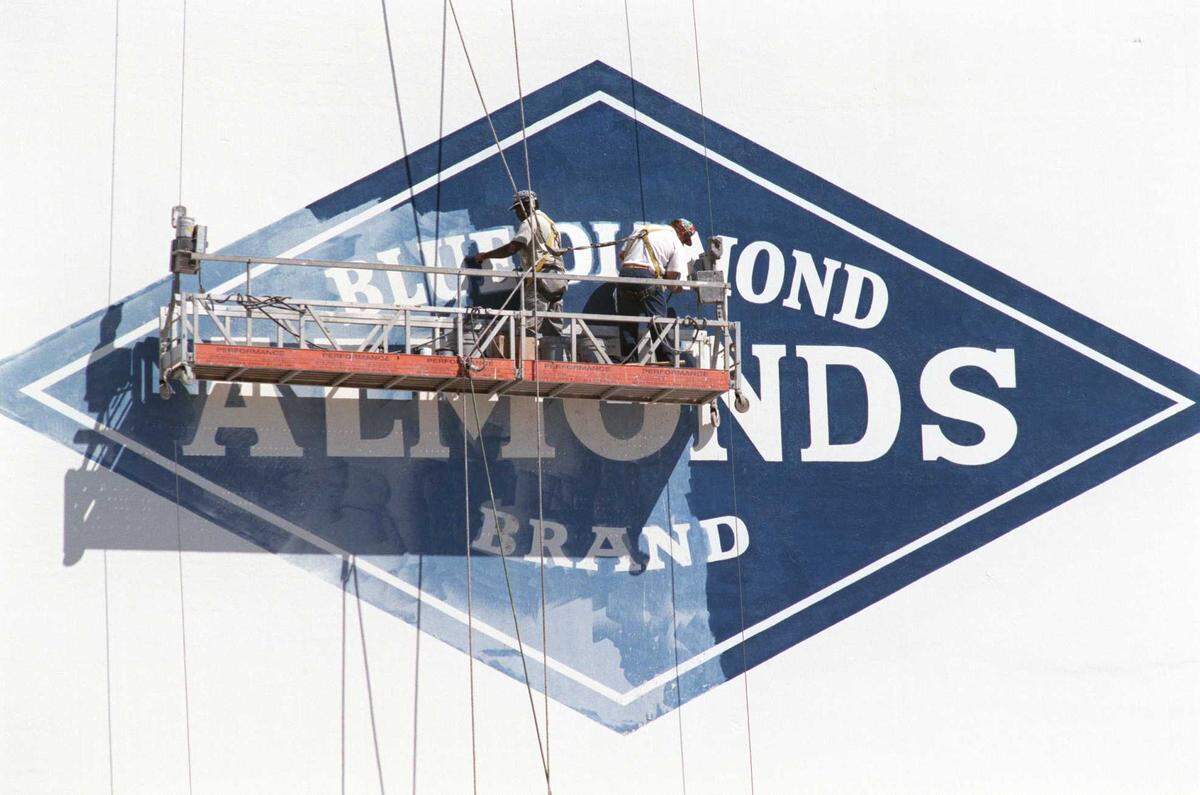
A study by the Sacramento Area Commerce and Trade Organization in 1992 found that Blue Diamond’s presence boosted the capital region’s economy to the tune of $264.2 million.
The 21st century brought booming sales and a contentious years-long unionization effort.
In 2006, two years into the labor dispute, the Sacramento City Council weighed in, calling for Blue Diamond to agree to organizers’ demands — and standing with the same workers whose local jobs the city had pushed to protect.
“It made it our business when we went out of our way to put together a package of subsidies to keep Blue Diamond in the vicinity and to keep the 700 jobs,” Cohn said at the time.
Workers at the midtown plant ultimately voted in 2008 not to join the International Longshore and Warehouse Union Local 17.
By 2010, its centennial year, the cooperative included over half of California’s 6,000 almond growers, which together produced about 80 percent of the world’s almonds.
Blue Diamond was looking to sell more in foreign markets, especially China and India, the Bee reported — all while the cooperative continued to operate its midtown Sacramento plant.
“Sacramento has been a fine place to do business for 100 years. We have committed to Sacramento,” Susan Brauner, then a Blue Diamond spokesperson, said in 2010. “We are looking for other assets for storage and processing. At the moment we’re committed to Sacramento. I can’t predict the future.”
Now the company plans to move the majority of its operations to facilities in Turlock and Salida.
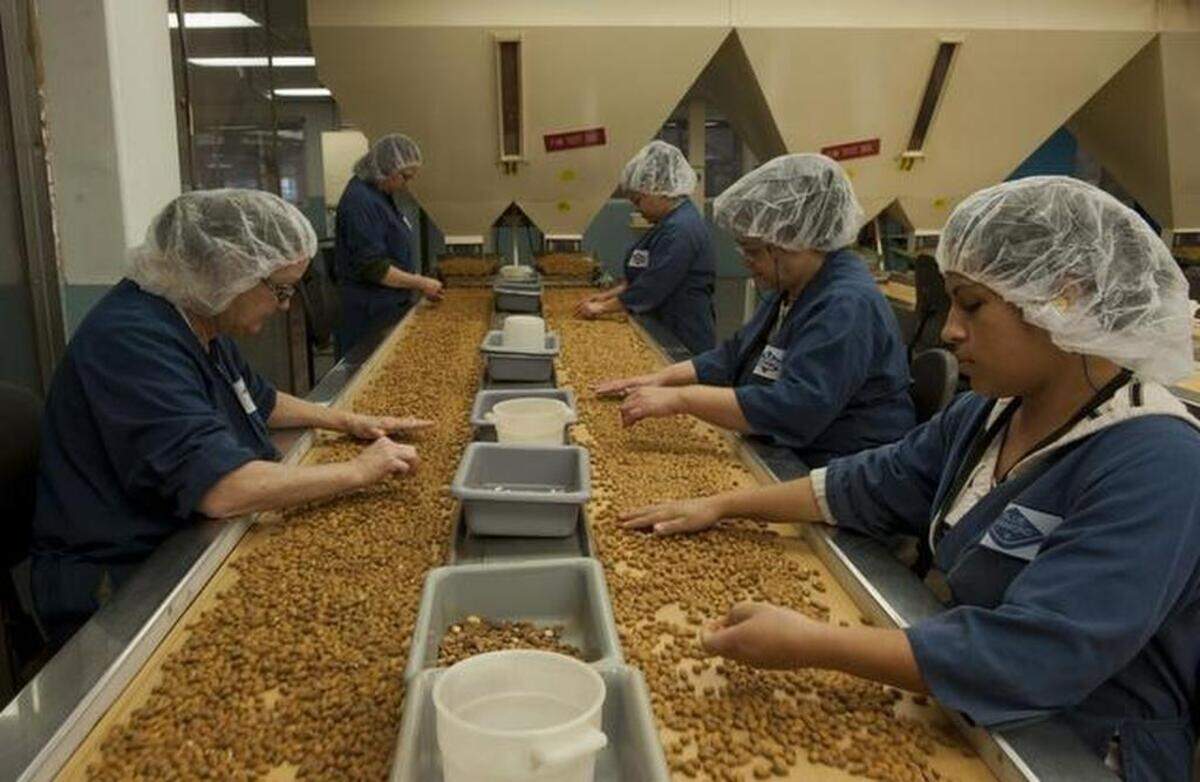
The closure, expected to unfold over the next 18 to 24 months, marks the end of an era in Sacramento’s industrial history. What once was a vital employer and civic symbol now faces a future away from the city that built its legacy.
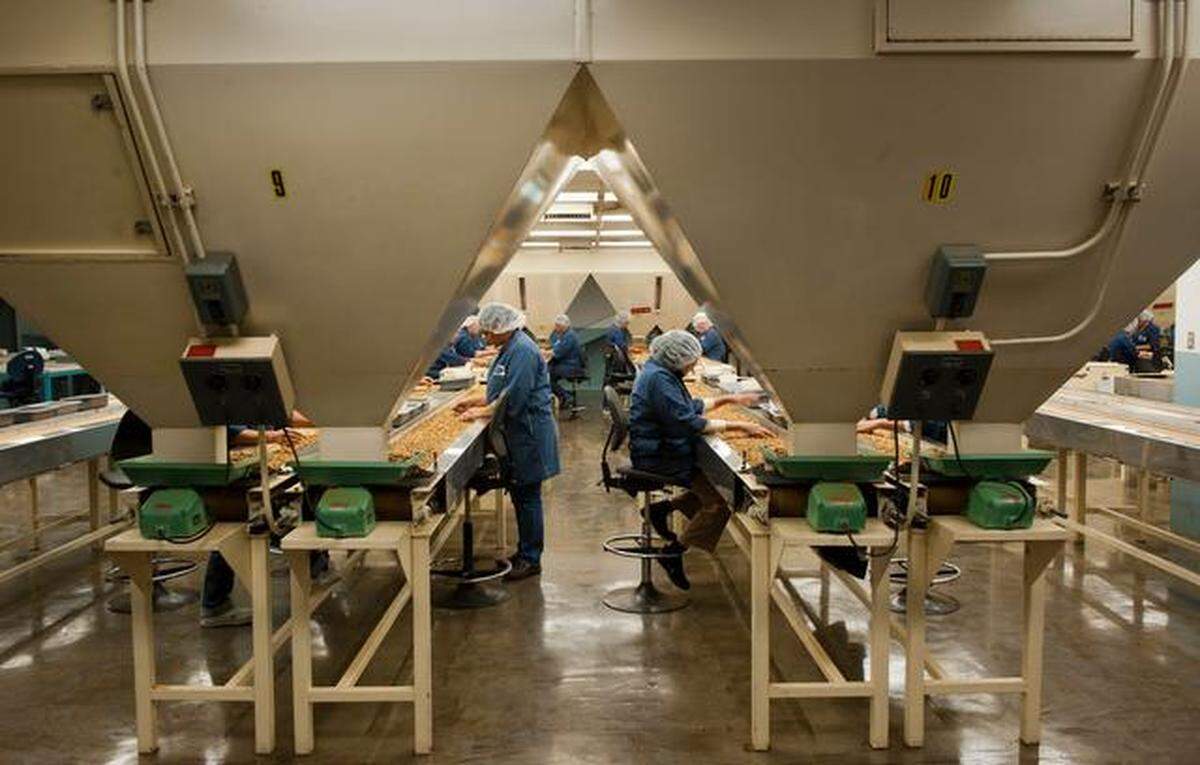
President and CEO Kai Bockmann said in a statement on Friday that “the challenges of running a plant from these historical buildings has become too costly and inefficient.”
Local officials have not yet detailed plans for the midtown site, but the impending vacancy has reignited questions about how Sacramento balances growth, legacy and New Era Park’s neighborhood identity.
“Thank you, Blue Diamond, for 115 years of partnership,” Sacramento Mayor Kevin McCarty said in a statement Friday. “Blue Diamond has been an iconic symbol of Sacramento’s history in the agricultural manufacturing industry. We wish you well as you relocate to the Central Valley and commend your care in supporting your workers through this transition.”
McCarty also said that the city looks forward to a new chapter for the 53-acre midtown site, not far from the Railyards development.
“The Blue Diamond factory is primed for new life and new opportunity for our city,” he said.
This story was originally published June 6, 2025 at 1:26 PM.