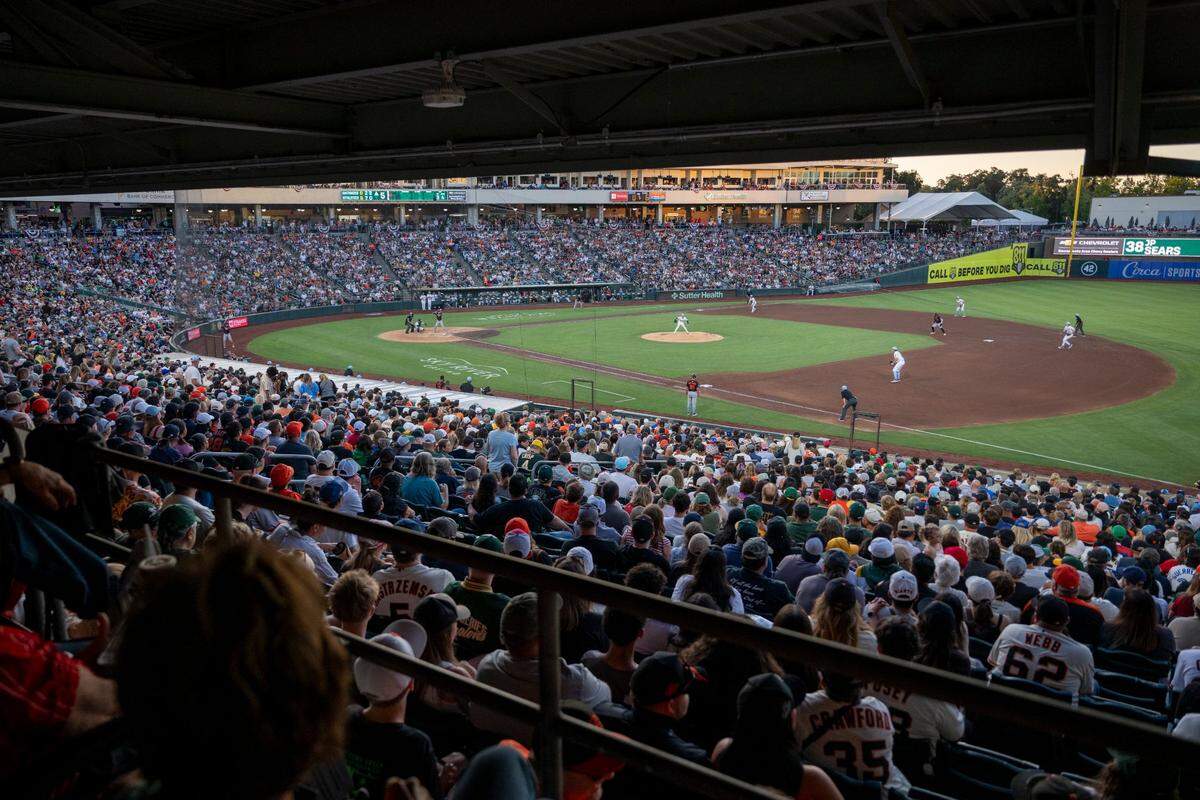
As A’s open 2026 season, what did West Sacramento learn — and earn — in Year 1?
The Athletics’ first season in Sutter Health Park marked the beginning of a three-year experiment for baseball — and for West Sacramento.
Locals wondered what the team’s tenure there would mean for the economics and reputation of the city, suddenly in the spotlight of Major League Baseball. Officials wondered what the team’s presence would mean for the sales tax and parking revenues that fund city services. Business owners around the stadium prepared for an expected influx of foot traffic, but had little idea what to expect.
“Every news station started coming to me,” said Jeff “Fro” Davis, owner of the Tree House Cafe, a four-minute walk from the ballpark. “It was like… we’ve got 10,000 people a block away from us. Imagine if we could get 100 of those people?”
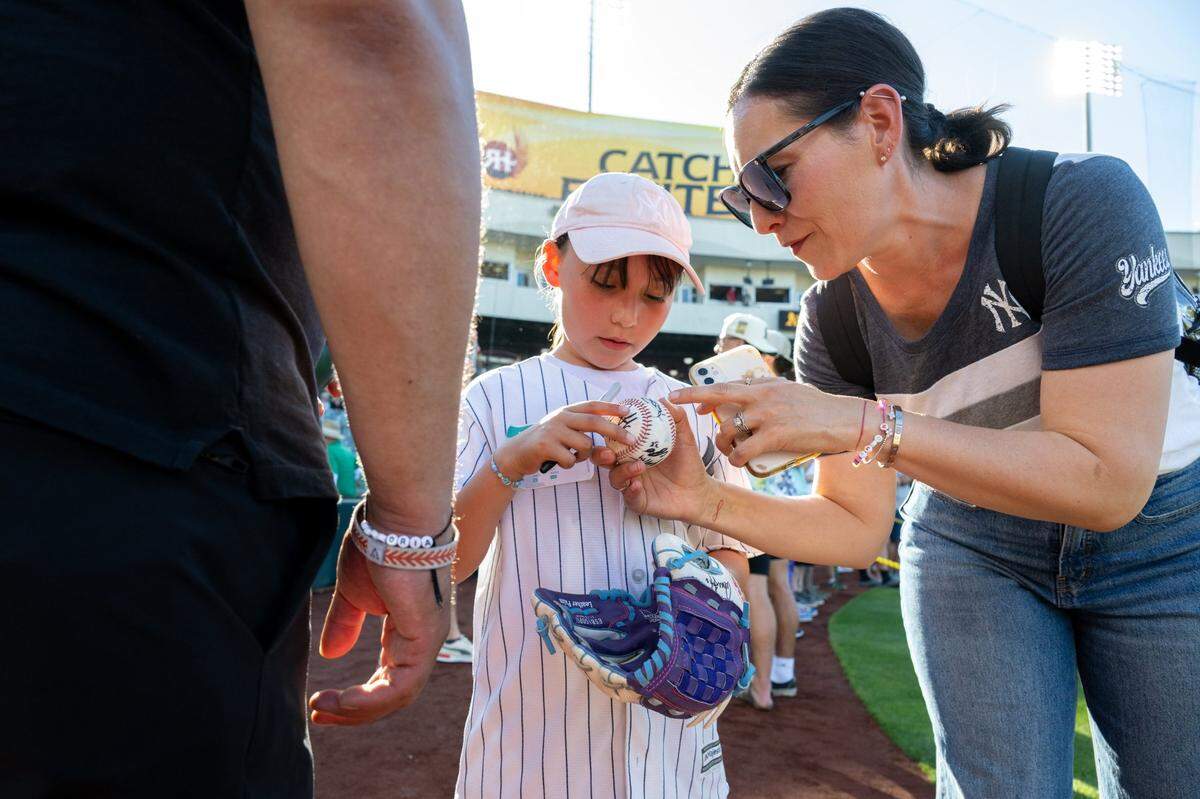
Baseball fans across the country, last year, saw the Tower Bridge on their TV screens. Home stands against the New York Yankees and San Francisco Giants delivered throngs of fans to a ballpark that has, for 25 years, hosted the minor-league River Cats.
It all happened under the shadow of the Athletics’ departure from Oakland — and as officials here speculated about whether they could leverage the unlikely circumstances in a bid for a permanent MLB team, as the A’s plan to move permanently to Las Vegas in 2028.
With one season elapsed and another approaching, some answers have taken shape.
The city, indeed, saw a boost in tax revenue. For businesses, the results were mixed. Some reported an uptick in foot traffic, while others said their revenues were about even with previous years.
“I think we’re learning as we go,” said West Sacramento Mayor Martha Guerrero. “We hit the ground running, just to get the ballpark ready.”
Even more, local officials have begun to view West Sacramento as the preferred location to site a campaign for an MLB expansion team, which city leaders on both sides of the river plan to launch this spring.
Living up to the hype
At the Tree House Cafe on Third Street, Davis added an outdoor bar ahead of the A’s first season in town. He kept it open during the first 10 games of the season, and hosted live music, hoping to catch ballpark-goers on their way to watch the A’s.
But fans, he found, were intent on getting to the stadium.
The cafe was packed during the Athletics’ series against the Giants over Independence Day weekend, he said, and during the Yankees series on Mother’s Day weekend. The A’s hosted seven sold-out game last season: The three-game series against the Giants and Yankees, and their home opener against the Chicago Cubs.
But other times, traffic was slower than expected.
“We had a good year,” Davis said. “It just wasn’t what we anticipated based on the way the hype in town was.”
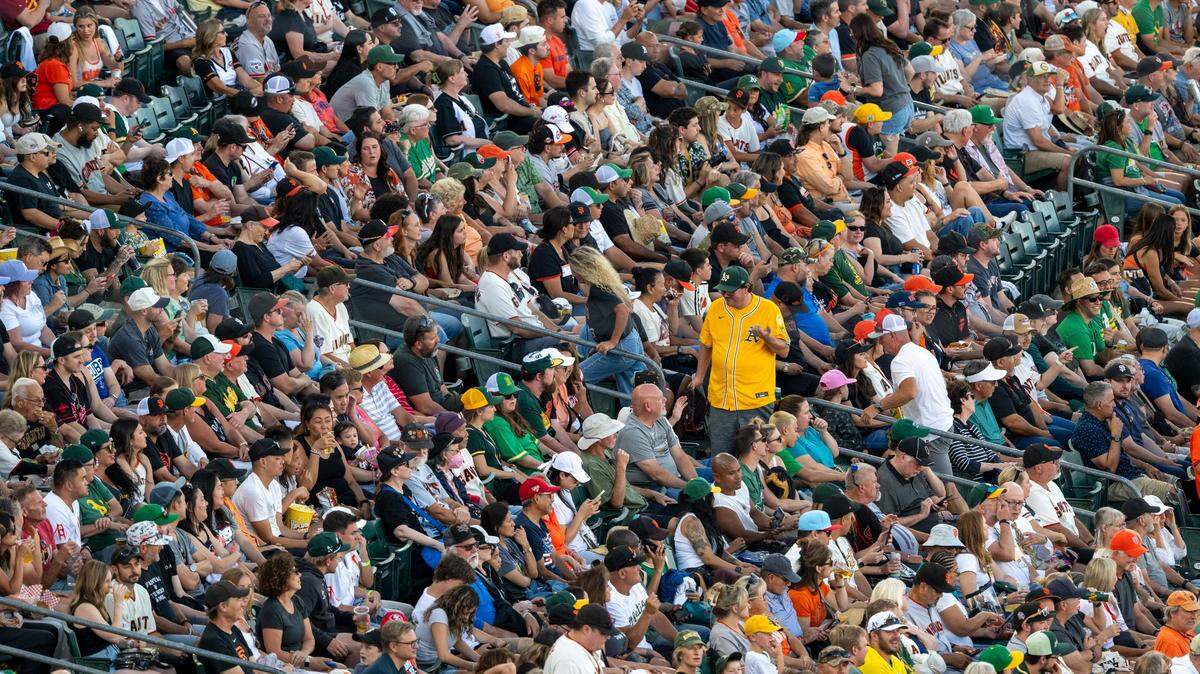
Officials and business owners offered a range of theories. Some fans may have walked across Tower Bridge to games, from Old Sacramento. Better promotion of the Ziggurat parking garage on Third Street might bring more foot traffic to the restaurants just north of the ballpark.
During day games, fans were more likely to linger in the neighborhood, Guerrero said, but local businesses reported less activity around night games.
The wine bar and cafe just beyond the stadium parking lots, Franquette, saw about the same business as usual, said co-owner Clay Nutting.
The beer garden across the street, meanwhile, drew crowds. The River Cats historically have created a one-hour pregame “pop” of activity at Drake’s: The Barn, said general manager Bia Hoskins. During A’s games, the crowds arrived three hours before games.
“It probably tripled the walk-in traffic during those times,” Hoskins said.
The beer garden’s busy season — typically from May to October — began more than a month early, when the baseball season began. Management expanded business to seven days a week, and hired more seasonal staff. Revenues rose.
But perhaps more significantly, Hoskins said, the beer garden drew crowds of new customers who may return in the coming years, and its regular appearance in media reports brought new attention.
“That has longer-lasting impacts than just a single season,” Hoskins said. “My goal has always been: Folks come here and have a great experience and want to stay here even when the A’s leave town.”
Business owners for the most part had high expectations, Nutting said. There is room for improvement, he acknowledged. Franquette staff will add new signage this season, and do more promotion on social media to reach baseball fans.
“It’s a huge win for the city, still,” Nutting said. “Even if it isn’t as robust as maybe everyone had hoped.”
Was tax revenue from A’s game-changing?
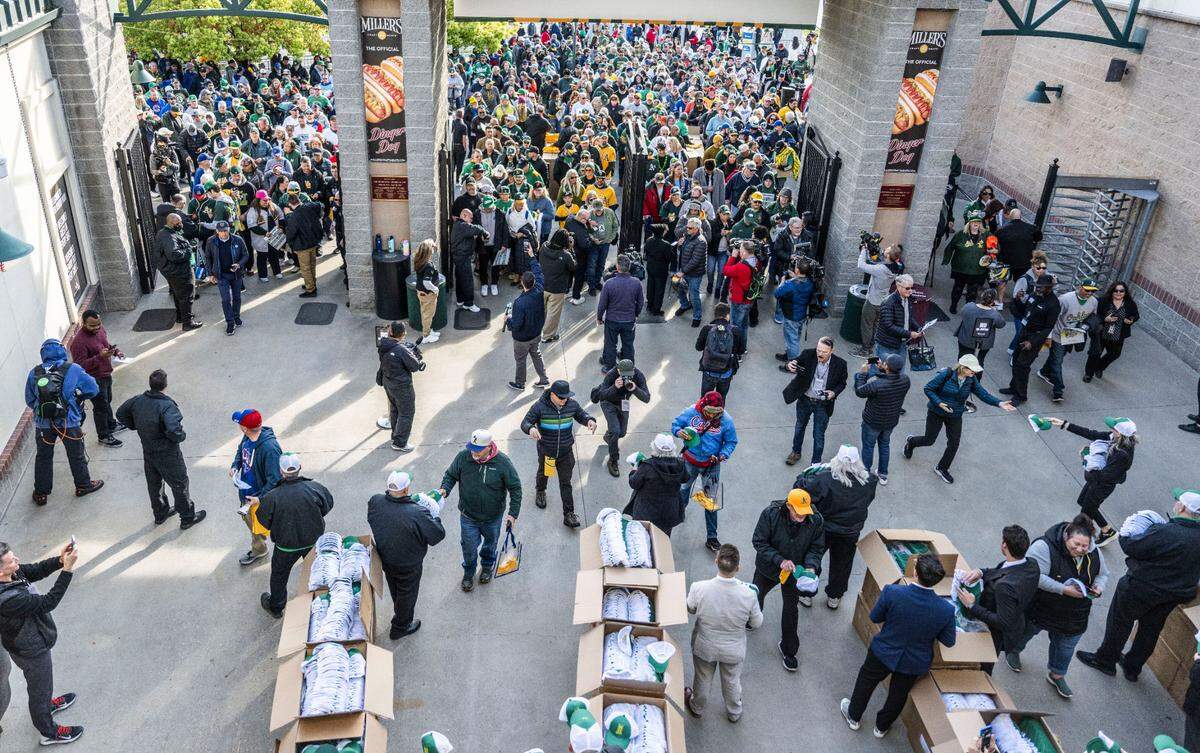
City staff estimated West Sacramento saw a roughly $870,000 revenue increase due to the Athletics’ presence. Compared to West Sacramento’s $80 million general fund, that’s about a 1% increase — on par with what the city would expect from gaining a new big-box store.
It was a significant increase in revenues, said City Manager Aaron Laurel, though not “game-changing.”
As has been standard practice for events at the stadium, the city is reimbursed its costs for traffic control, security and other services in and around the ballpark, Laurel said.
A portion of the estimated revenue increase came from sales tax on concessions and merchandise within the ballpark. The city doesn’t collect any tax on ticket sales. Another portion came from an overall increase in hotel stays across the city.
The rest came from a year-over-year increase in revenues from paid parking spaces, which are primarily located around the stadium. The city does not receive any revenues from the stadium’s on-site parking lot — that is split between the property owners and the team — but it receives a portion of the revenues from the Ziggurat parking garage.
The increase in hotel tax revenues was “fairly minor,” Laurel said, perhaps because many of the games’ attendees come from within the Sacramento region. And the area competes directly with downtown Sacramento’s hotel market.
Hotel occupancy across the river, in downtown Sacramento, was modestly higher during all seven months of the 2025 baseball season, compared to the same period the prior year, according to data compiled by the Downtown Sacramento Partnership.
Guerrero, the mayor, noted West Sacramento likely also saw an increase in event permit fees, and in sales tax from businesses around the ballpark, which were not included in the estimate.
“I was pretty satisfied with the outcome,” Guerrero said. “That this brought in that much revenue, just on that limited scope.”
‘We want to be the frontrunners’
Attendance is critical in baseball. The season is long, extending from spring training in February through the postseason in October.
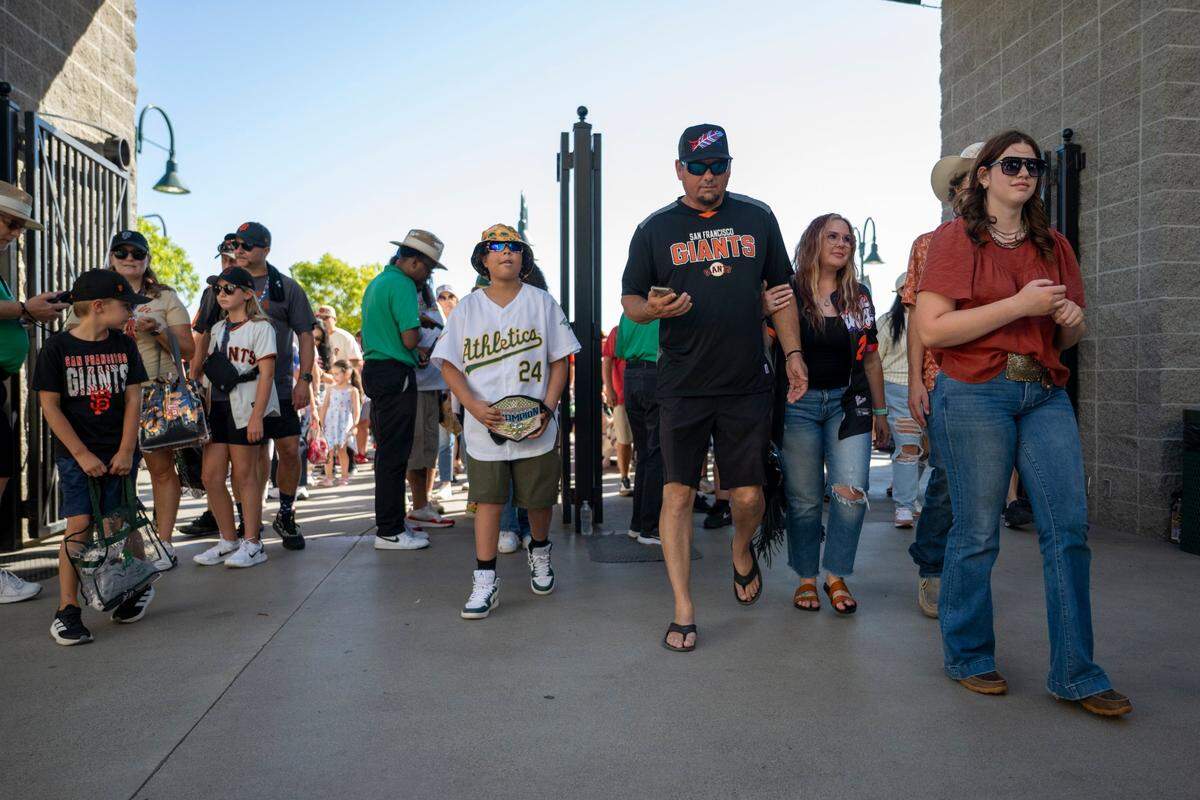
The A’s and River Cats were tasked with filling West Sacramento’s ballpark 150 times for home games last year, about double the usual number for a minor-league season, and the A’s had to sort out how to manage ticket sales in a ballpark with less than one-third the capacity of the Oakland Coliseum.
“There was no real data around what you could do in a situation like this,” said Steve Fanelli, the team’s senior vice president of sales and business operations.
The A’s paid attendance at home games averaged around 9,500. Sold-out games saw more than 12,000.
To draw fans to the ballpark this year, the A’s will offer some cheaper single-game tickets, particularly in the first couple of months of the season, when attendance is typically lower in MLB.
Turnout tends to pick up in the summer, and varies in the later months, depending partly on a team’s playoff prospects. The A’s failed to make the postseason last year, with a win-loss record of 76-86. To start the 2026 season, the team lost five of its first six games during the season-opening road trip against the Toronto Blue Jays and Atlanta Braves.
The team will offer $8 tickets for select games in April and May, and $99 family “four-packs” for Sunday home games, which include four tickets, four hot dogs, four drinks and four snacks. Season tickets — which sold out last season — have seen “strong” sales but haven’t matched 2025, Fanelli said.
The team this year added more locally-themed promotions, like giveaways at home games on so-called “Sacramento Saturdays.” During those matches, players will wear gold jerseys with green “Sacramento” lettering.
“We heard from fans the same thing you’re hearing,” Fanelli said. “Fans wanted it as part of the experience, and we wanted to lean into that and appreciate their support, and the incredible atmosphere that they help create at the ballpark.”
Still, to build hype for the franchise’s planned move to Nevada, the A’s will host six June games at Las Vegas Ballpark, the site of their Triple-A affiliate Aviators. Sutter Health Park will host 75 home games this season instead of 81.
Attendance isn’t just critical for the teams. When the Athletics take the field Friday against the Houston Astros, opening their home season, the region will resume what some officials view as an audition for a permanent, Major League team — which, experts say, would be bolstered by consistently high attendance at Sutter Health Park.
Sacramento Mayor Kevin McCarty has said publicly that he and Guerrero, the West Sacramento mayor, planned to launch a campaign this spring for an expansion team. MLB Commissioner Rob Manfred has said that he wants to have a process in place to expand to 32 teams from 30 by the time he retires in 2029.
“We want to be the frontrunners,” Guerrero said.
Davis, the cafe owner, also remained bullish.
“It will build,” he said, “and Sacramento will hopefully show enough demand to have our own team here in a few years.”