Sacramento foothills estate with 8 homes, ties to early California for sale
AI-generated summary reviewed by our newsroom.
- Applegate 5.5-acre estate with eight homes hits market for $1.95M in 2025.
- Property traces to 1890s Sierra resort, restored and operated successfully as rentals.
- Estate includes wells, dual septics, owned propane, RV hookups and event potential.
In the rolling foothills between Sacramento and Lake Tahoe, a rare 5.5-acre estate is for sale for $1.95 million for the first time in decades.
The piece of California history, once part of a busy Gold Rush-era stop along the Central Pacific Railroad, now holds potential as an income-generating property.
In the late 1800s, a transplanted Chicago family built one of the region’s earliest resorts: Walmond, the Sierra Resort. Later known as Pine Knoll Resort, the Applegate property, elevation 2,000 feet, was marketed to affluent San Francisco families as a place to come, stay and relax “above the fog and below the snow,” according to the official property listing.
“The best place in the world is the mountain region in the spring,” an early 1900s magazine advertisement reads. “Walmond ... offers modern accommodations — cottages, with or without private baths; modern plumbing; comfortable rooms; wood fires when required, at no extra cost. The table is plain, but bountiful and wholesome, being supplied with milk, eggs, etc. from the home ranch.”
Lodging back then cost $10 to $14, according to the ad, but the Placer County resort also emphasized “NO TUBERCULARS” were allowed — showing the fear at the time over people suffering from the widespread disease tuberculosis.
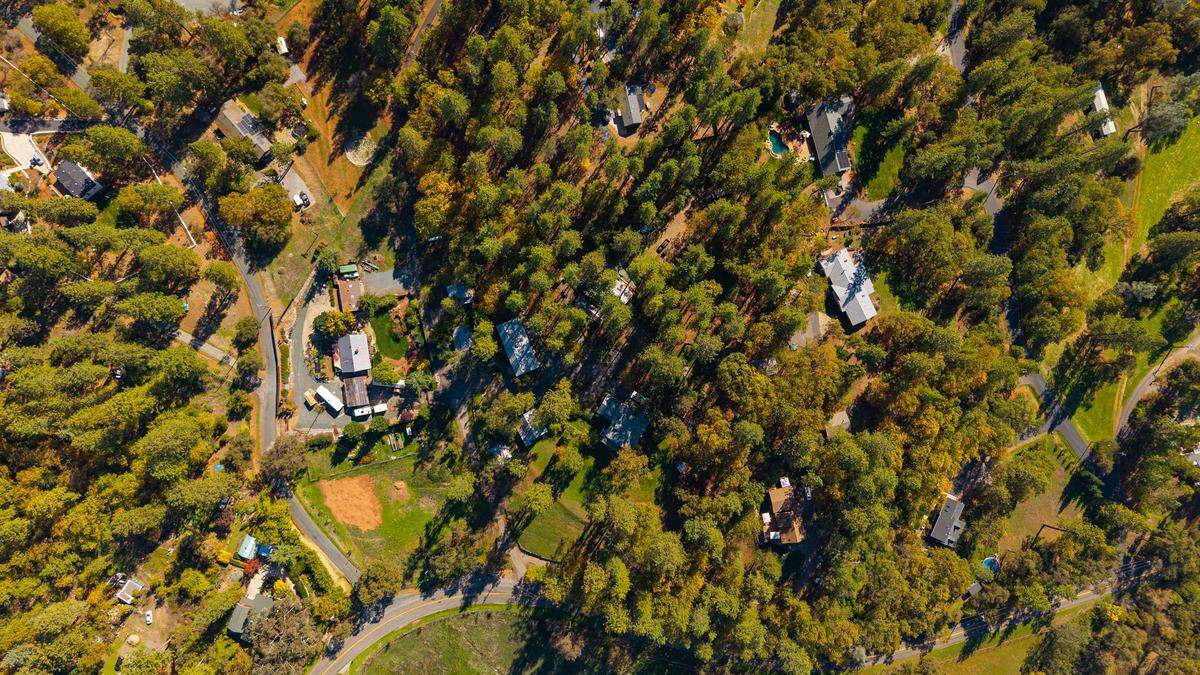
8 homes, 2 grand residences, 6 cabins
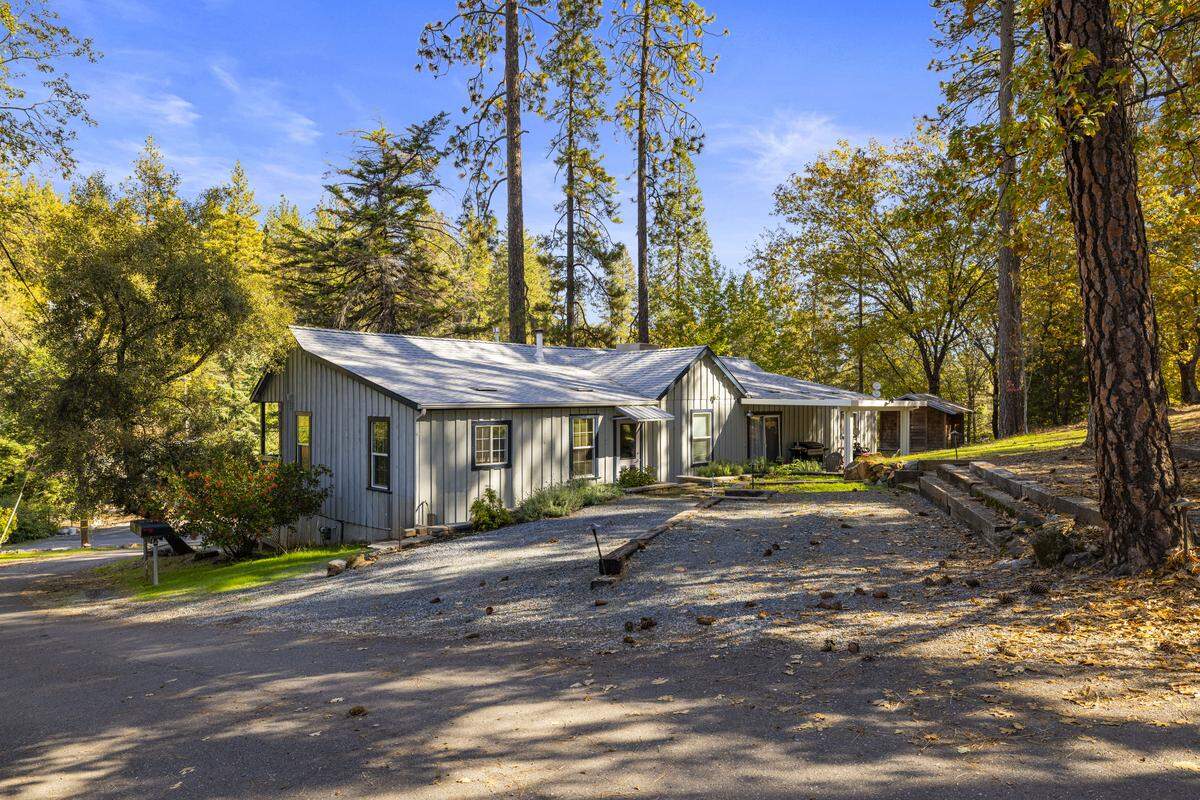
Today the compound at 790 Pine Knoll Road in Applegate, 40 miles northeast of Sacramento, encompasses eight homes — a blend of two grand residences and six separate cabins, some dating to the 1890s.
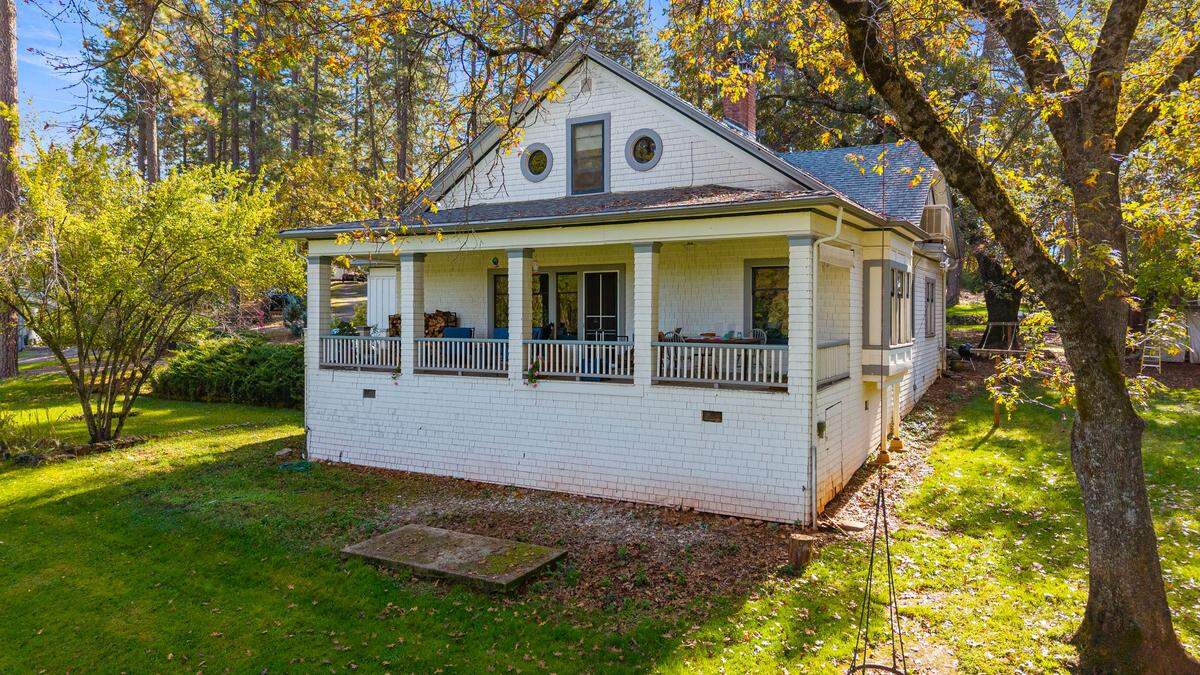
The main house, believed to have been built in 1906, is the centerpiece at roughly 3,700 square feet, featuring six bedrooms, four and a half baths, vintage details and virgin-growth redwood. The second-largest house — dating to around 1890 — is a three-bedroom, two-bathroom home with a walk-in pantry and an office. It was recently renovated for modern comfort.
Both grand homes offer roomy covered porches, large gathering spaces and generous light — ideal for a family compound, premium rental or a retreat center, according to the listing agency.
“Walking onto this property feels like slipping back into another era,” Compass listing agent Kristin Rolph said in a statement. “The towering pines, the stillness, and even the chickens moving across the lawn create an immediate sense of ease. The sellers have thoughtfully restored the homes, preserving their history while bringing new life to the entire estate.”
The owners’ careful stewardship is reflected in their 20-year restoration of the 1906 home.
“Within nine months of our purchasing the property, the tenants in 750, ‘the big house,’ gave notice and moved out,” seller Gordon Starr said in an email. “The house, like all the buildings on the property, was in very run-down condition, and we began immediately to renovate, repair and restore virtually every aspect of the house.”
Time capsule discovered
During renovations, the sellers discovered San Francisco Examiner newspapers from the 1890s tucked in the walls — a time capsule from the days when guests came to “take the cure” in the hills. San Franciscans were encouraged to escape the city for wholesome food, open lawns and crisp pine breezes.
One of the oldest cabins, at 820 Pine Knoll, still showcases hand-hewn beams, a rarity predating the arrival of readily milled lumber in the region.
The owners eventually moved into the smaller house.
“Our efforts were acknowledged in 2018 when we were visited by the grandchildren of W.B. Hotchkiss, who built the house in 1906,” Starr said. “They were thrilled that someone was finally restoring the property and shared with us family photos of the house and memorabilia from those early days.”
A unique blend of historic character and practical infrastructure, the estate has been operated as a successful rental income property, according to Compass. All the cabins are occupied by tenants, Rolph said.
For Starr, good memories abound.
“We have a large extended family that always gathers on Thanksgiving, and it has been wonderful to have a house that is large enough to accommodate everyone,” Starr said. “It has been a joy to live on the property and have the space for gardens and animals, and to get know and socialize with our tenants. We have had Christmas and Chanukah parties, potlucks, outdoor movies, weddings and birthdays. We have also hosted weekend retreats for our church.”
Time for a new steward
But the time has come for a new overseer, he said.
“I have entered my eighth decade, and it is now time to slow down and let someone else have all the fun,” he said.
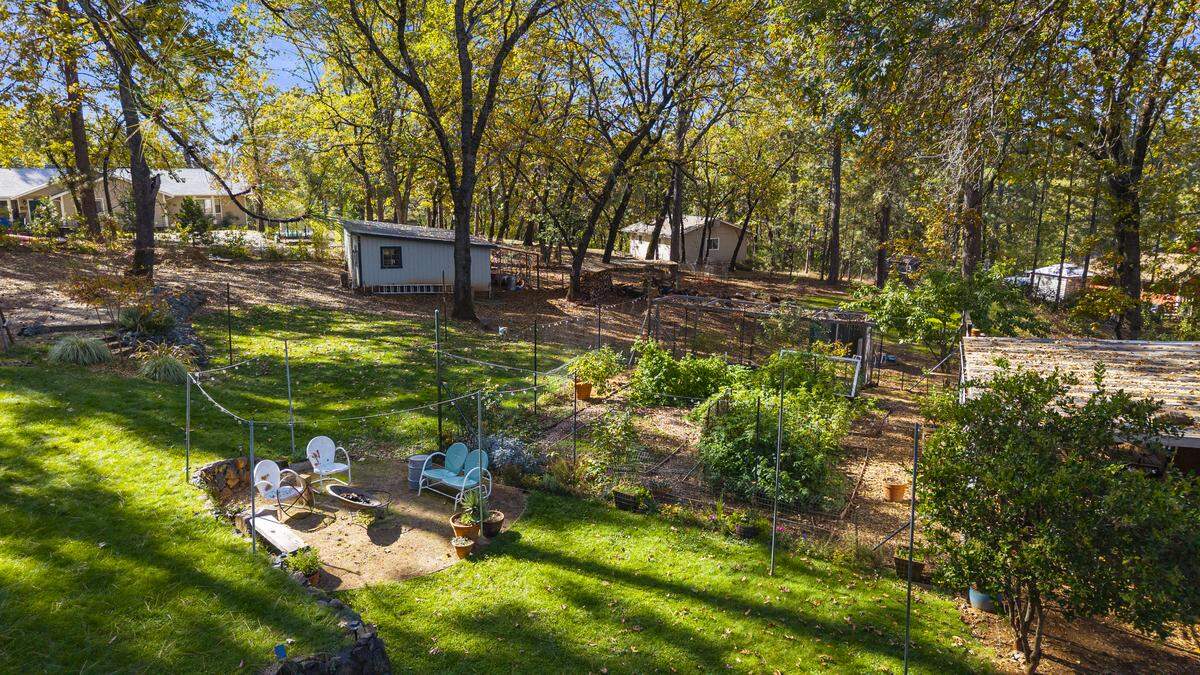
The property’s infrastructure reflects both its historic heart and its evolution into a practical, income-generating retreat. Visitors will find productive wells, two septic systems, an owned propane setup, upgraded electrical, RV hookups and more. Fenced gardens, a chicken coop, animal pens, and mature landscaping encourage a true indoor-outdoor lifestyle, just as resort-goers enjoyed more than a century ago.
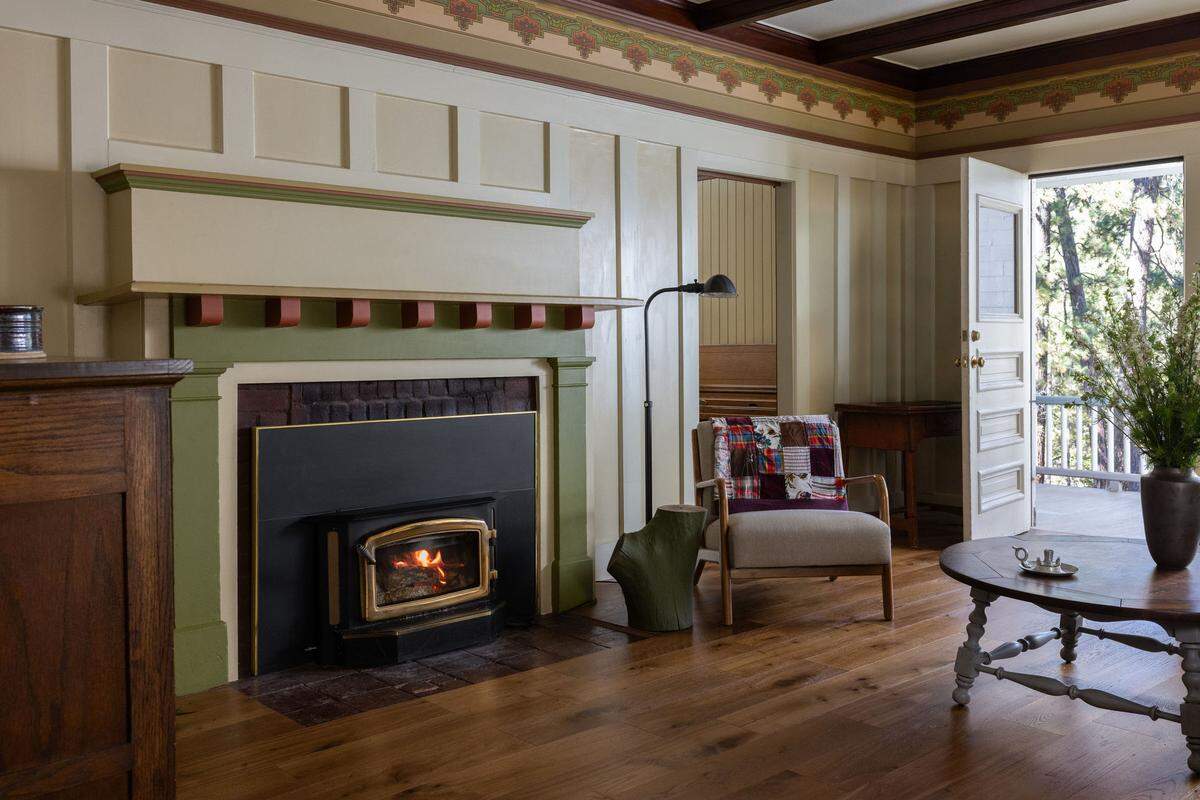
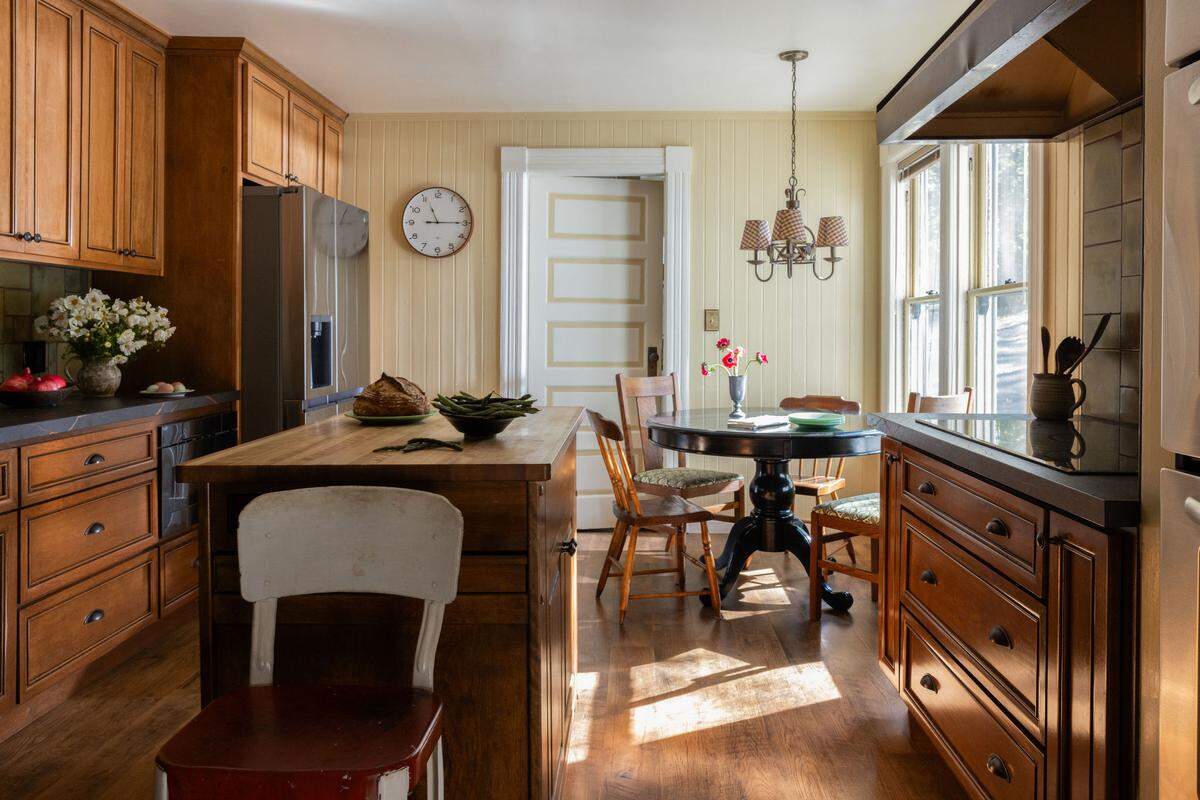
Restoration of the main house included a complete kitchen remodel with handmade backsplash tiles by artists Cha-Rie Tang and Mei-Ling Hubbard. The current owners went so far as to hand-scrub and restore the original beams in the living room that were coated with soot. The home exudes timeless charm, according to the property listing.
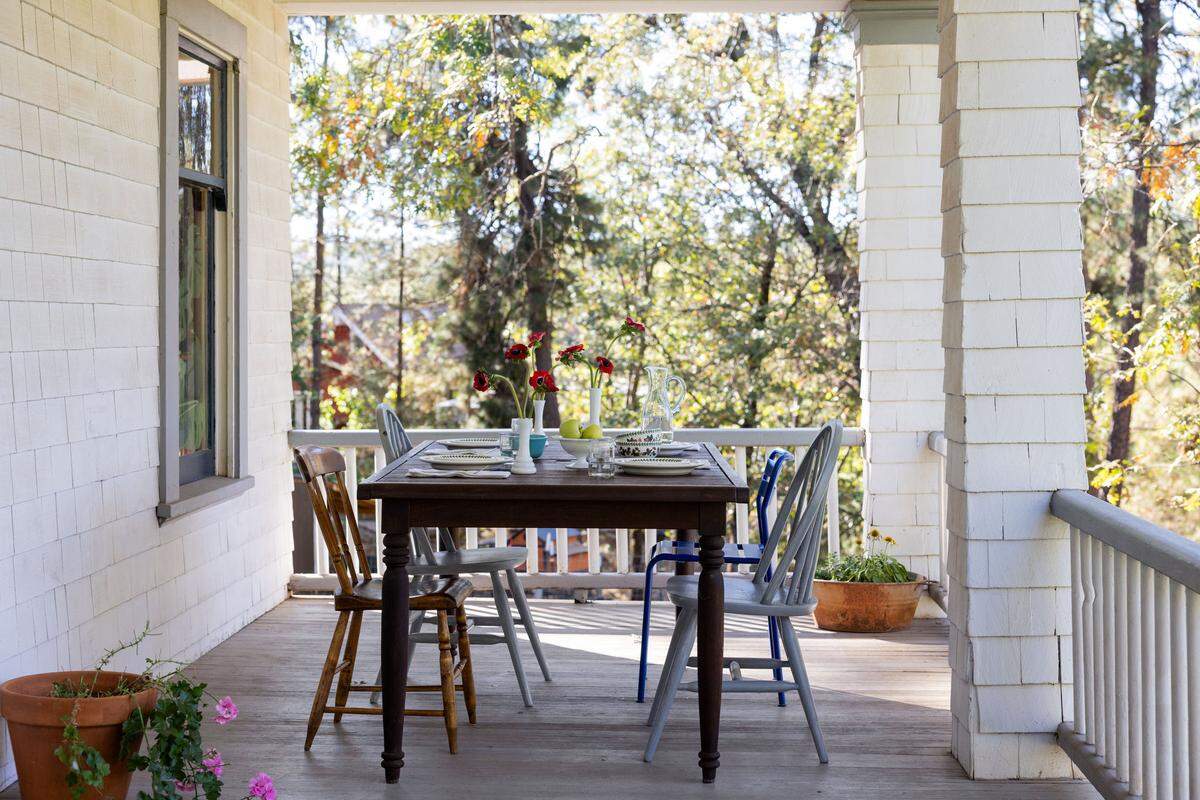
The six separate cabins each have their own charm and history. With its history, acreage, and versatile layout, this property lends itself to countless uses, Rolph said.
“With its historic cottages, wide lawns, and natural beauty, the setting could be perfect for intimate weddings, retreats, or workshops,” she said. “Opportunities to own a piece of California’s early resort history are exceedingly rare. This Applegate estate offers both a connection to the past and a canvas for the future—whether as a family haven, an income-generating property, or a one-of-a-kind retreat in the Sierra foothills.”
This story was originally published November 15, 2025 at 6:00 AM.