
Is it a ‘She-cession’? COVID’s economic crisis is hurting California women more than men
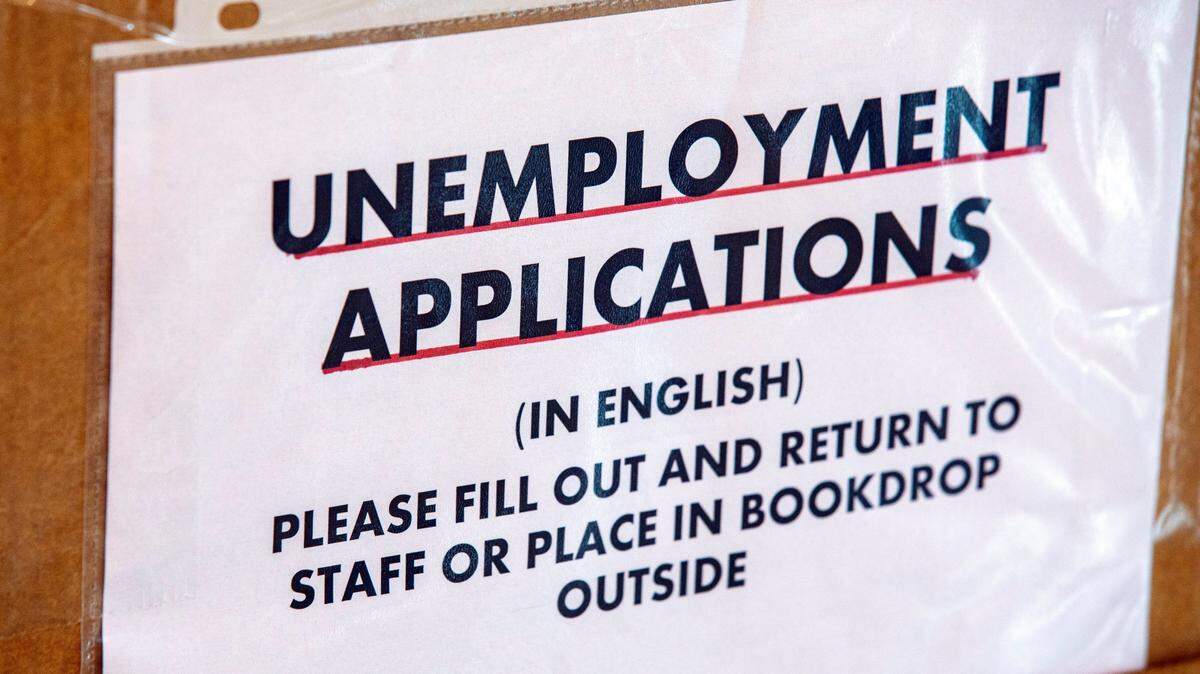
Did California’s unemployment troubles during the COVID-19 pandemic trigger a “she-cession?”
Has the state suffered through an economic crisis that hit people of color and less educated people harder?
A new study by the nonpartisan California Policy Lab, released Tuesday, suggests strongly that both answers are yes.
Nearly one of every three California workers sought regular unemployment benefits during the first year of the COVID-19 pandemic starting in March 2020.
The percentages were higher for women and less educated people. Thirty-five percent of female workers in California sought benefits, compared to 28% of men.
And women, along with Blacks, older people and less educated people tended to be unemployed longer than others, usually because it took them longer to find work. Many were employed in industries more vulnerable to the downtown, such as tourism-related occupations.
California’s economy, like the rest of the nation, crashed as the COVID-19 pandemic spread quickly in the spring of 2020. The state’s unemployment rate jumped from 4.1% in February 2020 to 16.1% by May. Latest reported rate was 5.4% in February..
The job losses sent unemployment claims soaring. The state’s regular benefit was a maximum of $450 a week, but the federal government added $600 a week at first, then smaller amounts later.
The $450, currently the maximum benefit, is “equivalent to an income that’s less than half of California’s ‘very low’ income threshold,” the Lab study said.
The federal supplements were therefore a huge help, it said, “cushioning the financial shock from the extended periods of unemployment during the pandemic.”
Women, COVID-19 and unemployment
The sense that women were hit harder by the economic downturn has been noted by many economic analysts for some time. The term “she-cession” has been popular with some writers and economists since the start of the pandemic.
A big reason is that a disproportionate share of jobs lost during the pandemic tended to be those that employed more women, notably service industry and hospitality work.
“In typical recessions, sectors such as manufacturing and residential construction are much more severely affected compared to, say, education and health care,” said an April 2020 study by the National Bureau of Economic Research, a nonpartisan research group.
Also affected by the pandemic has been women’s ability to work..
“Closures of schools and daycare centers have massively increased child care needs, which has a particularly large impact on working mothers,” the bureau found..
A consistent pattern throughout the pandemic has been that people with less education and people of color often got smaller unemployment benefits and in many cases had more difficulty dealing with the unemployment system.
The study found nearly half of workers with a high school diploma or less sought regular benefits, while 31% of those some college and 13% with bachelor’s degrees did.
Geography also played a role in who got benefits. Counties with higher incomes and better wireless service, such as Sacramento County, tended to provide benefits to unemployed residents.
“In contrast, counties with larger shares of Hispanic individuals, people with limited English proficiency, and more COVID-19 cases had lower rates of access,” the study found.
This story was originally published April 12, 2022 at 5:00 AM.
.jpg)