
More birds with avian flu found in Northern California — one county declares health emergency
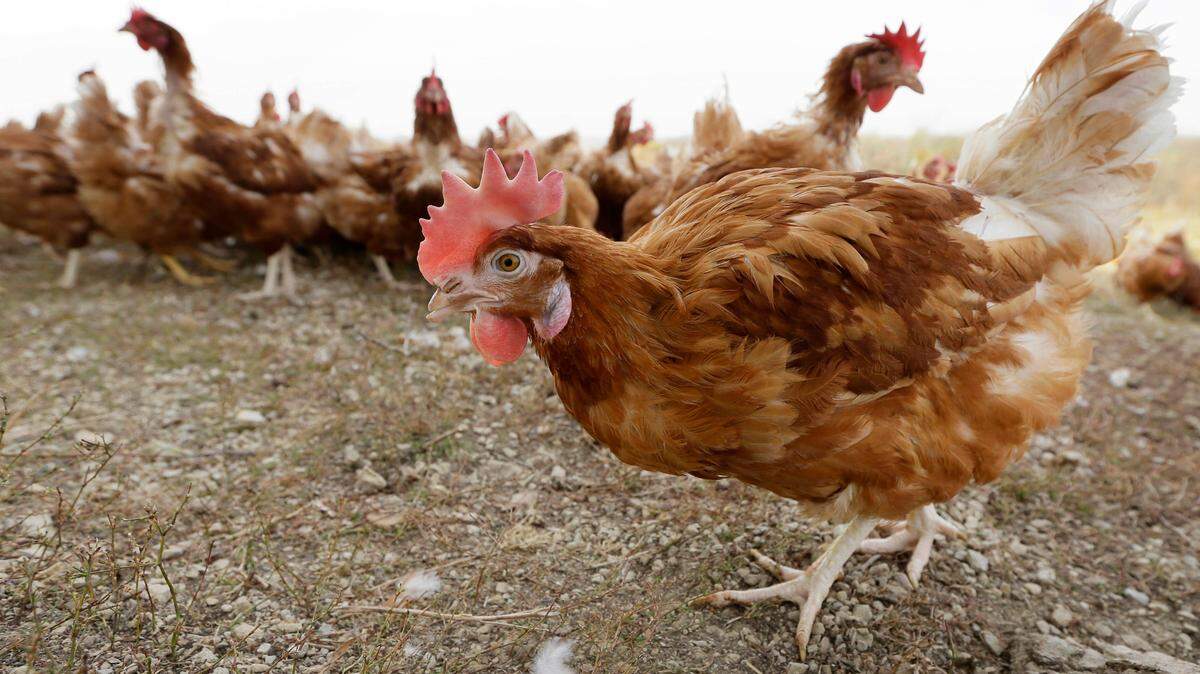
More avian flu outbreaks have been reported in Northern California, including a backyard flock of chickens in Sacramento County and a large outbreak among 1,500 privately-owned birds in Butte County.
The Butte County discovery prompted a declaration of a “local health emergency” Wednesday. It appears to be the largest outbreak in California, according to records compiled by the U.S. Department of Agriculture. Until now, only 40 birds were found to have been infected with the disease in California, according to the USDA’s tally, although those records appear to be incomplete.
In addition to the discoveries in Butte and Sacramento counties, the California Animal Health and Food Safety Laboratory has also found two cases of the Eurasian H5N1 strain in Stanislaus County and one each in Mendocino and Santa Clara counties, according to a memo from the California Department of Food and Agriculture.
The disease, which is rare in humans and typically caused by direct contact with birds or infected surfaces, can cause symptoms similar to those of human influenza. There is no treatment for the disease. The U.S. Centers for Disease Control and Prevention reported one case of a human contracting the disease in May. Officials said the person was an inmate at a prison in Colorado who was working with chickens as part of a pre-release program.
All told, about 40 million birds have been infected across the country, the USDA says. The disease has been most prevalent in Iowa, where more than 13.3 million birds have been diagnosed.
In Butte County, the birds were expected to be killed Thursday afternoon, according to a memo from Public Health Director Danette York. State and federal officials then planned to dispose of the carcasses in a landfill south of Chico and Paradise, she wrote.
Her memo didn’t identify the type of birds that contracted the disease. A county spokeswoman referred questions about the facility to the California Department of Food and Agriculture. Citing privacy concerns, a spokeswoman at the agency declined to identify the facility where the outbreak occurred or reveal what type of birds were infected.
Meanwhile, Butte County Health Officer Davis Canton declared a local health emergency because of the “threat of communicable disease due to a large number of potentially infectious animal carcasses.”
“The flock will need to be depopulated and the carcasses properly disposed of,” she wrote.
“An important note is that while Avian Influenza is infectious and can be very contagious, the only risk to humans at this time is anyone who has handled the live birds or the carcasses (without PPE),” she wrote, referring to personal protective equipment. “The risk we are preventing with this emergency declaration is potential spread if the carcasses were not disposed of properly.”
Meanwhile, officials euthanized the flock of 10 in the Sacramento County backyard discovery on Aug. 10.
“The chickens that were still alive after receiving a presumptive positive test ... were immediately euthanized and disposed in order to prevent further spread,” CDFA liaison officer Sonia Brown wrote in a memo.
Last month, two infected Canada geese and an American white pelican — discovered in Glenn and Colusa counties — were put down at the Sacramento National Wildlife Refuge complex in the first detection of the virus in wild birds in California.
State health officials said the virus also was previously detected in other wild birds in Placer, Plumas, Siskiyou, Solano, and Sonoma counties.
“Although avian influenza viruses naturally circulate among waterbirds, the strain of H5N1 currently in circulation in the U.S. and Canada has been causing illness and death in a higher diversity of wild bird species than during previous avian influenza outbreaks,” fish and wildlife officials said at the time.
The domestic flock infected in Butte County almost certainly caught the virus from contact with wild birds, which is why people who own birds should take extra caution to prevent mingling between wild and captive species, Canton, Butte County’s health officer, said Thursday in a news release.
There is potential for the virus to infect other mammals as bird flu viruses evolve.
Wildlife officials have urged bird owners to not allow wild birds into enclosures with domestic birds nor to allow wild and domestic birds to share food or water.
This story was originally published August 18, 2022 at 10:28 AM.