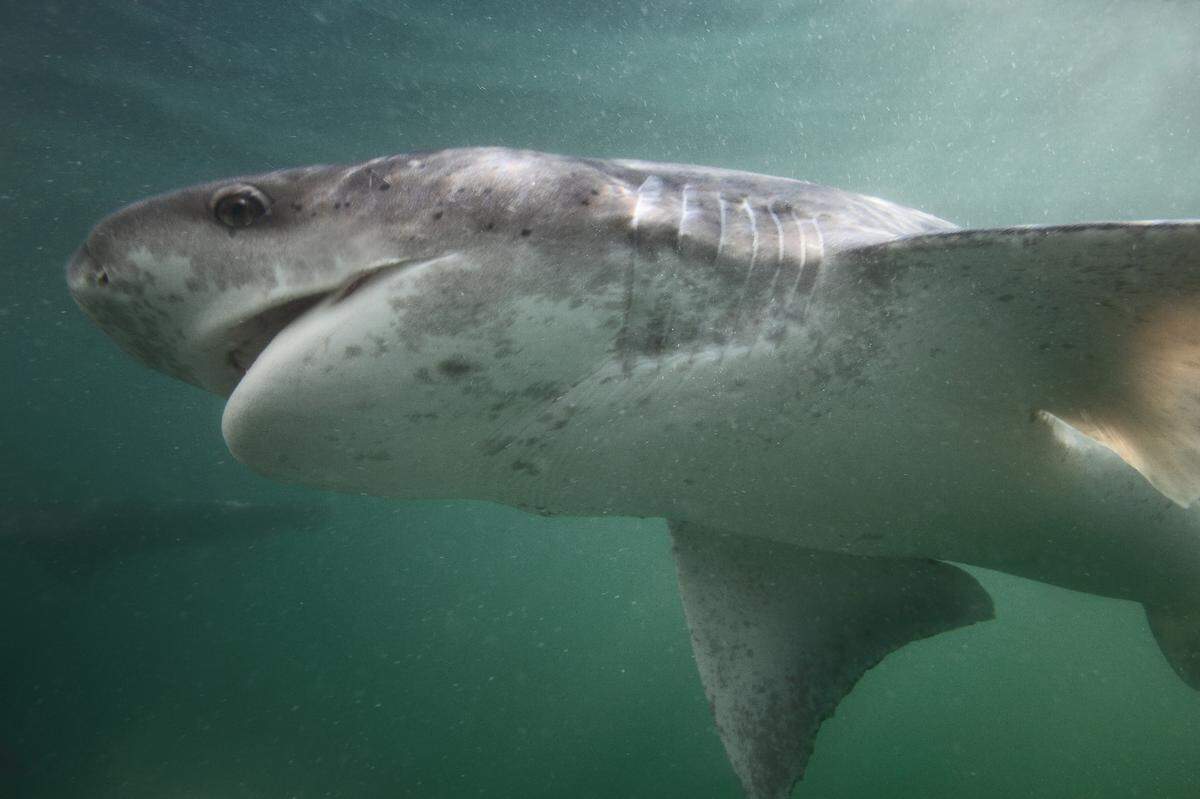
Shark attacks are on the rise worldwide, study says. How common are they in California?
The start of summer signals the return of shark sightings, according to the California Department of Fish and Wildlife.
Last year, the number of unprovoked shark attacks increased worldwide, with over half of the incidents occurring in U.S. waters, the University of Florida’s International Shark File, a scientific database of global shark attacks, reported in February.
Among the 36 shark attacks in the United States, two were fatal — including one in California.
How common are shark attacks in California?
Here’s what our journalists with How to California — a community-driven series to help readers navigate life in the Golden State — found:
BEHIND THE STORY
MOREWhy we did this story
Our community-driven series — How to California — is here to answer your questions about state laws, history, culture, recreation and travel in the Golden State.
McClatchy’s service journalism team, focused on helping our readers navigate daily life, works in communities across the state, including San Luis Obispo, Fresno, Merced, Modesto and Sacramento.
Ask us your questions — big and small — by emailing howtocalifornia@mcclatchy.com or filling out a form here.
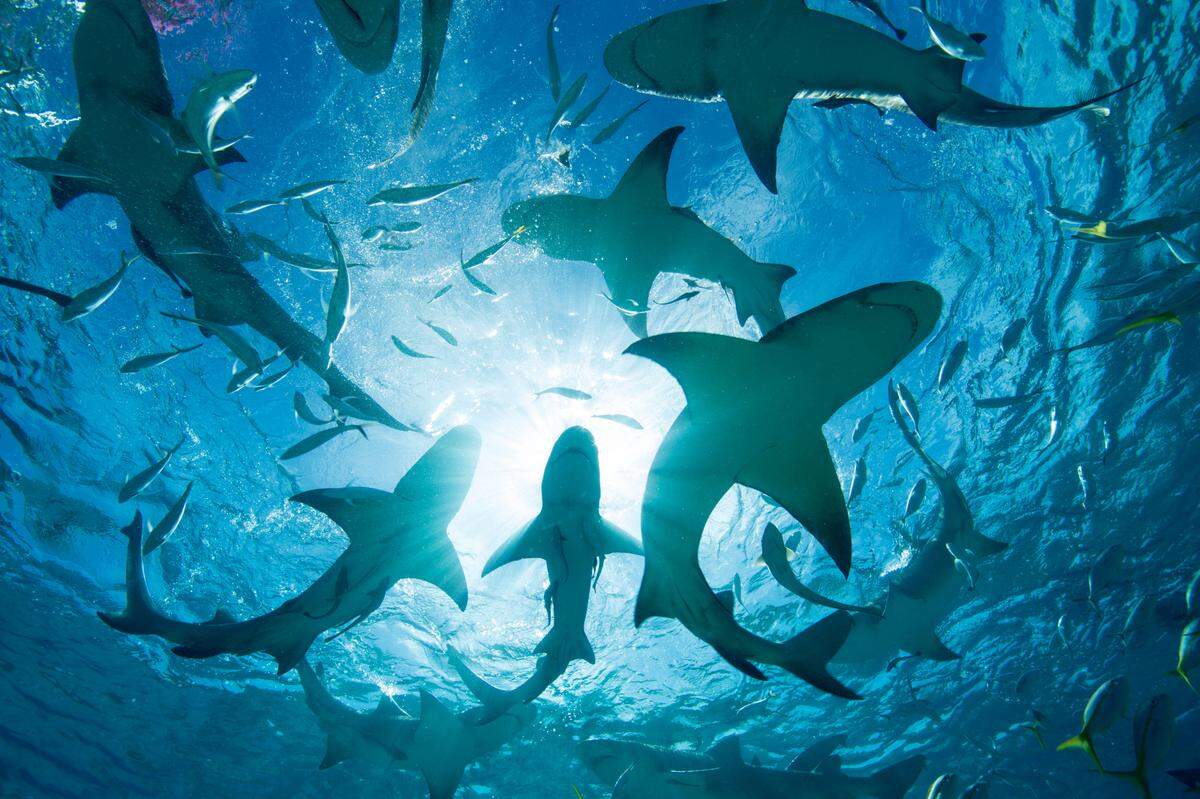
How common are shark attacks along the California coast?
According to the California Department of Fish and Wildlife, “incidents where sharks bite humans are extremely rare in California.”
“While human beach use and ocean activities have greatly increased due to the growing population and greater popularity of surfing, swimming, and scuba diving, shark incidents have not increased proportionally,” the department said.
There have been 29 shark-related incidents in California since 2020 as of June, according to the latest data from the department.
Of these incidents, 12 did not result in any injuries, while 14 led to non-fatal injuries and three were fatal.
Research conducted by California State University, Long Beach Shark Lab in 2023 revealed a significant overlap between areas frequented by people and sharks.
Researchers conducted more than 1,500 drone surveys from 2019 to 2021 across 26 different Southern California beaches, ranging from Santa Barbara to San Diego.
Humans encountered sharks at observed sites on 97% of the surveyed days, according to the study.
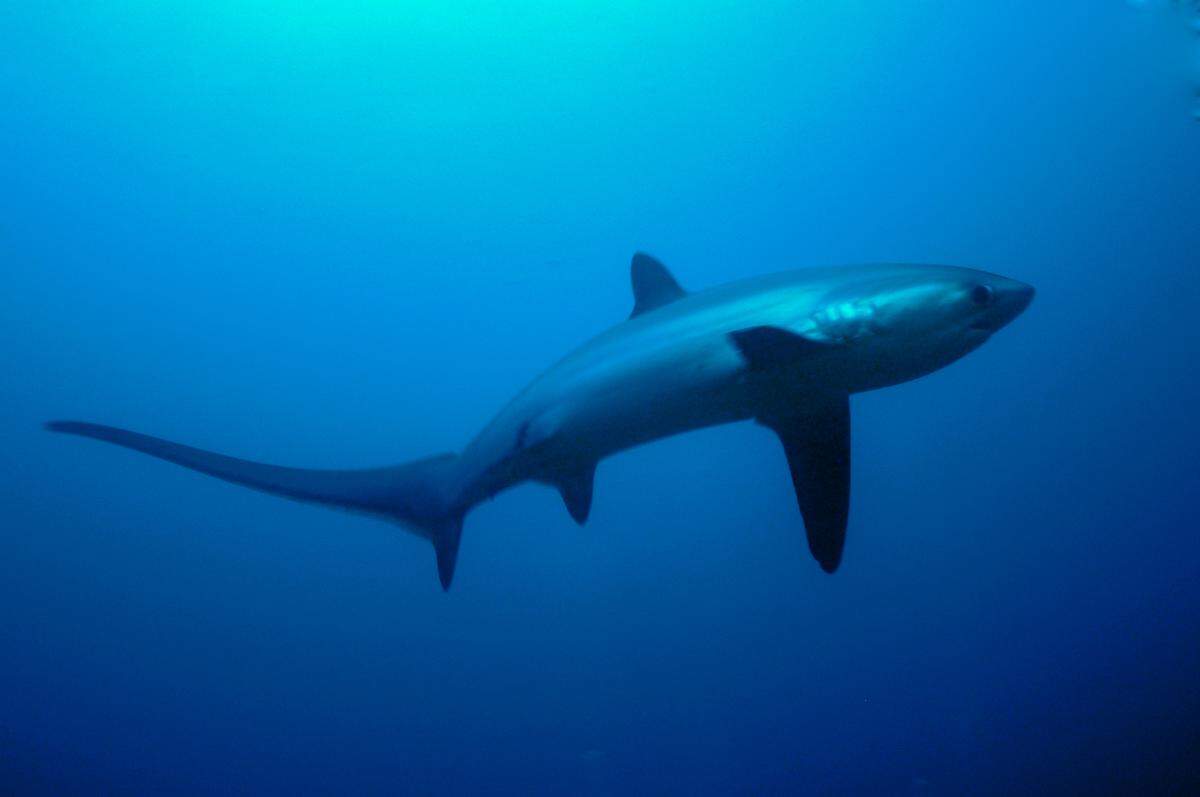
Where have sharks been spotted off California coast?
Researchers with the CSU Long Beach Shark Lab found that sharks spend more than 50% of their time within 110 yards of the wave break, which is an area in the ocean that causes a wave to break and form a barreling wave.
Shark and human interactions were most frequent at beaches in Santa Barbara and San Diego counties, according to the study.
“What’s really special about Southern California in particular is that it contains a lot of nursery areas for the juvenile white sharks,” Emily Spurgeon, a research technician, told The Tribune in San Luis Obispo in 2023.
Rising water temperatures mean more nursery sites with perfect conditions for white sharks, also known as great white sharks.
“We’re now seeing aggregations and nursery sites in Monterey and possibly the Central Coast,” Spurgeon said.
When was latest fatal shark attack in California?
The growing white shark population and the rise in public use of beaches for recreation have heightened safety concerns.
In 2021, a man died in a fatal great white shark attack while bodyboarding in Morro Bay on Christmas Eve.
.jpg "Image from iOS (10).jpg")
In October, a shark bit a man swimming off Point Reyes National Seashore and pulled him under, presumably killing him.
More recently, a surfer escaped injury in May after a shark bumped him off his board at a Southern California beach.
How can people avoid shark encounters?
The only way to avoid a shark interaction is to stay out of the ocean, according to the California Department of Fish and Wildlife.
“Swimming in areas where sharks have been observed or where white sharks have been seen feeding is not recommended,” the department said.
While most white shark incidents occur at the surface, the department said divers have also had underwater encounters
However, scientists say most shark interactions are “not predatory attempts” but are due to exploratory bites as sharks investigate unusual objects, including surf boards and kayaks.
Additionally, sharks may mistake humans for their usual prey, such as seals or sea lions, the department said.