What does a ‘spring ahead’ time change mean for California? When will it get light and dark?
Are you prepared for an early wake-up call?
Californians will soon lose an hour of sleep when clocks “spring ahead” in March for daylight saving time.
Returning to daylight saving time means some sleep deprivation but a lot more sunshine leading into the evening hours when the time change officially starts on March 9.
Here’s what you need to know:
When is daylight saving time?
Daylight saving time starts across most of the United States on the second Sunday of March and ends on the first Sunday in November, according to Time and Date, an online world clock.
At 2 a.m. Sunday, March 9, clocks in most of the country will jump ahead by one hour.
Clocks will switch back to standard time in November.
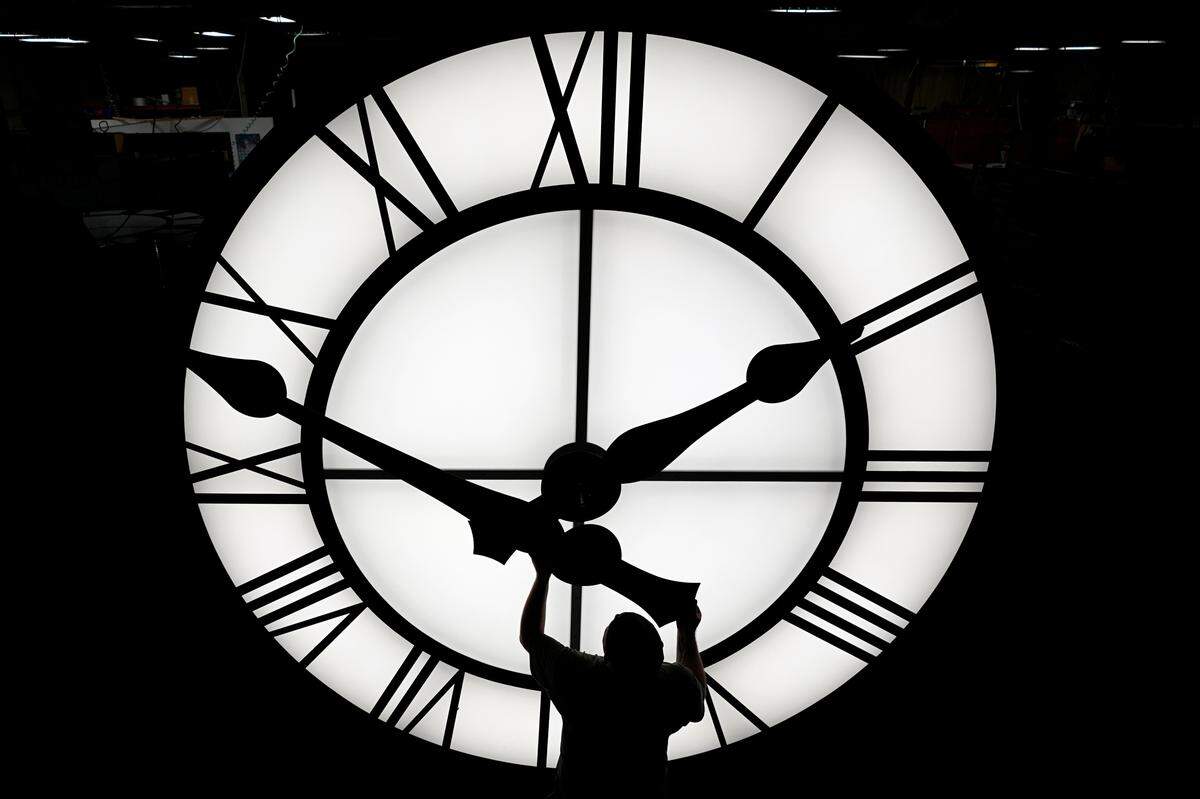
What does time change do to morning and evening?
After daylight saving time begins, sunrise in Sacramento will be at 7:25 a.m. and sunset will be at 7:07 p.m., according to online clock website Time and Date.
Here are the monthly sunrise and sunset times in California until November:
- April 9: 6:38 a.m. sunrise, 7:37 p.m. sunset
- May 9: 5:59 a.m. sunrise, 8:05 p.m. sunset
- June 9: 5:41 a.m. sunrise, 8:29 p.m. sunset
- July 9: 5:50 a.m. sunrise, 8:32 p.m. sunset
- Aug. 9: 6:15 a.m. sunrise., 8:07 p.m. sunset
- Sept. 9: 6:42 a.m. sunrise, 7:22 p.m. sunset
- Oct. 9: 7:09 a.m. sunrise, 6:35 p.m. sunset
Why do clocks ‘spring forward’?
Daylight saving time was instituted to save energy, according to Time and Date.
It was first practiced in Thunder Bay, Canada, in 1908 to make better use of daylight.
The idea didn’t catch on globally until Germany adopted daylight saving time to conserve energy during World War I in 1916. Soon after, countries across Europe moved their clocks forward an hour.
The U.S. started observing the time change in 1918, Time and Date said.
The more than 100-year-old practice has gained critics since its introduction.
According to health experts, the time change can disrupt sleep and cause fatigue and general sadness.
In the last decade, 20 states have passed legislation to make daylight saving time permanent and end biannual clock changes. However, Congress must first approve the measures for the change to take place, according to Time and Date.
When does daylight saving time end?
Daylight saving time will end at 2 a.m. on Sunday, Nov. 2, when clocks “fall back” by an hour.
Sunrise and sunset will be about an hour earlier on Nov 2 than the day before. In Sacramento, sunrise will be at 6:34 a.m. and sunset will be at 5:04 p.m., according to TimeandDate.com.
“There will be more light in the morning and less light in the evening,” TimeandDate.com said.
This story was originally published February 28, 2025 at 5:00 AM with the headline "What does a ‘spring ahead’ time change mean for California? When will it get light and dark?."