How long can someone legally park in front of your house? What CA law says
The holiday season is in full swing across California, bringing turkey dinners, football and family visits.
If you’re planning a get-together, it’s important to know California’s rules for parking and driving.
Being aware of state law can help you avoid being ticketed or having your car towed.
How long can someone legally park in front of your house? And what’s the penalty for ignoring the time limit?
Here’s what California law says:
Where is it illegal to park your car in California?
According to California Vehicle Code, drivers should never park or leave a vehicle:
- Where a “No Parking” sign is posted.
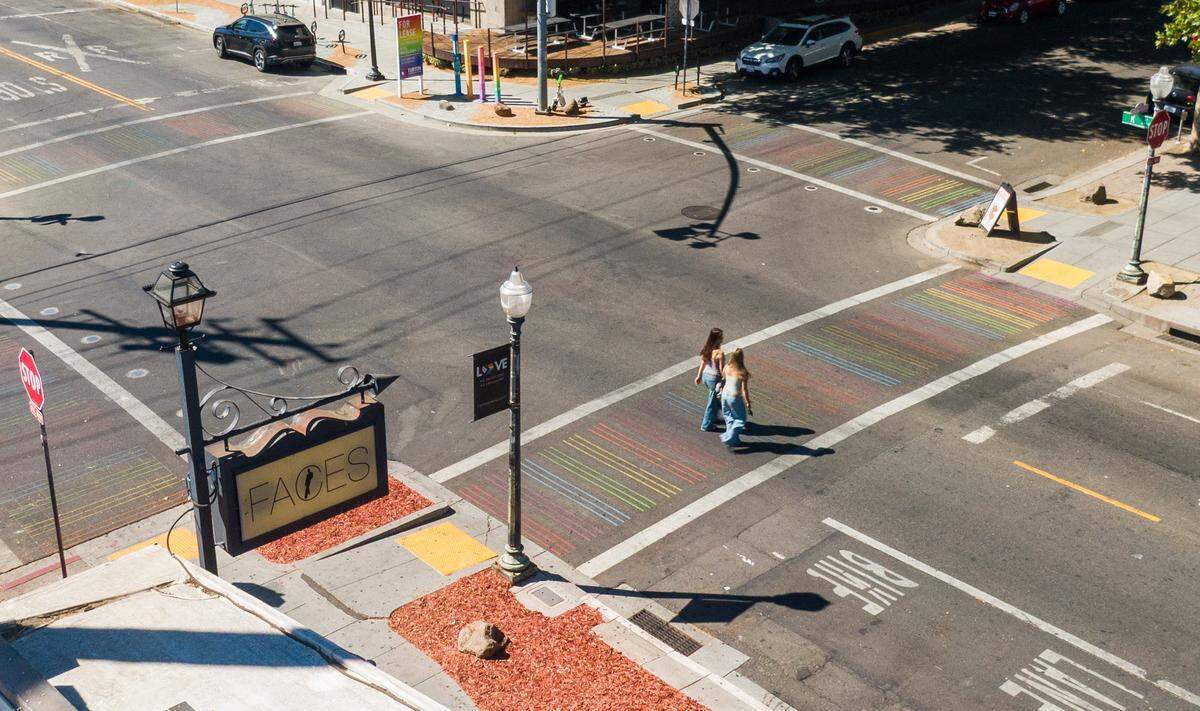
- On a marked or unmarked crosswalk.
- On a sidewalk or partially blocking a driveway.
- Three feet within a sidewalk ramp for disabled people.
- In front of a curb with wheelchair access.
- In the diagonal lines area next to a disabled parking space.
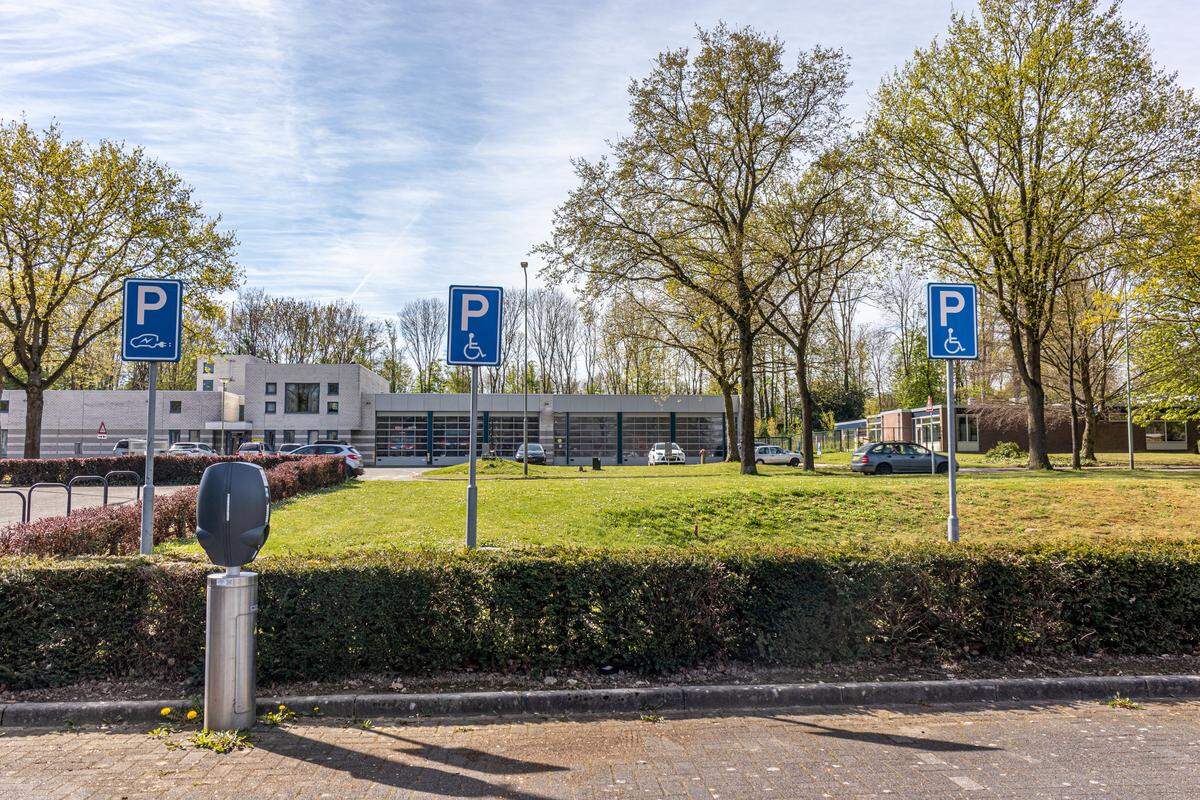
- In a space for zero-emission vehicles, unless you are driving one.
- In a tunnel or on a bridge, unless signs permit parking.
- Within 15 feet of a fire hydrant or a fire station driveway.
- Between a safety zone and curb.
- Double parked.
You’re also not allowed to park your car on a freeway or the opposite side of the street unless it’s an emergency, a law enforcement officer required you to stop your vehicle or a stop is specifically permitted.
“If you must stop on a freeway, park completely off the pavement and stay in your vehicle with the doors locked until help arrives,” the California Department of Motor Vehicles said on its website. “A vehicle that is stopped, parked or left standing on a freeway for more than four hours may be removed.”
How close can I park to a crosswalk in California?
A new California law changed how close you can park near crosswalks.
According to Assembly Bill 413, which took effect Jan. 1, drivers cannot park within 20 feet of any crosswalk, even if it isn’t painted.
If the crosswalk has a curb extension, the no-parking zone is reduced to 15 feet. The so-called daylighting law also permits local authorities to establish a distance for parking or commercial loading and unloading zones that differs from those limits, The Sacramento Bee previously reported.
How long can I park in front of someone’s house in California?
“It is generally legal to park in front of another person’s house provided the vehicle does not block a driveway,” the DMV previously told The Sacramento Bee.
However, there is a time limit to how long a car can be parked in front of someone’s house.
Under California law, a car cannot remain in the same spot on a public street for more than three days, or, 72 hours.
“This means a homeowner could have a car removed if it is parked in front of their house on a public road for more than 72 hours,” the DMV said.
How much do parking tickets cost in California?
According to the 2025 Judicial Council of California’s Uniform Bail and Penalty Schedule, the fine for a parking ticket depends on where a driver was illegally parked.
Parking in a bus loading zone carries a $250 base fine, which can climb to $1,105 once penalty assessments and court fees are added.
Breaking the 72-hour parking limit — which can lead to your vehicle being towed — has a base fine of $35 and typically totals about $238 after additional fees.