
Where can I park on the street in California? Here’s how a new law changes the rules
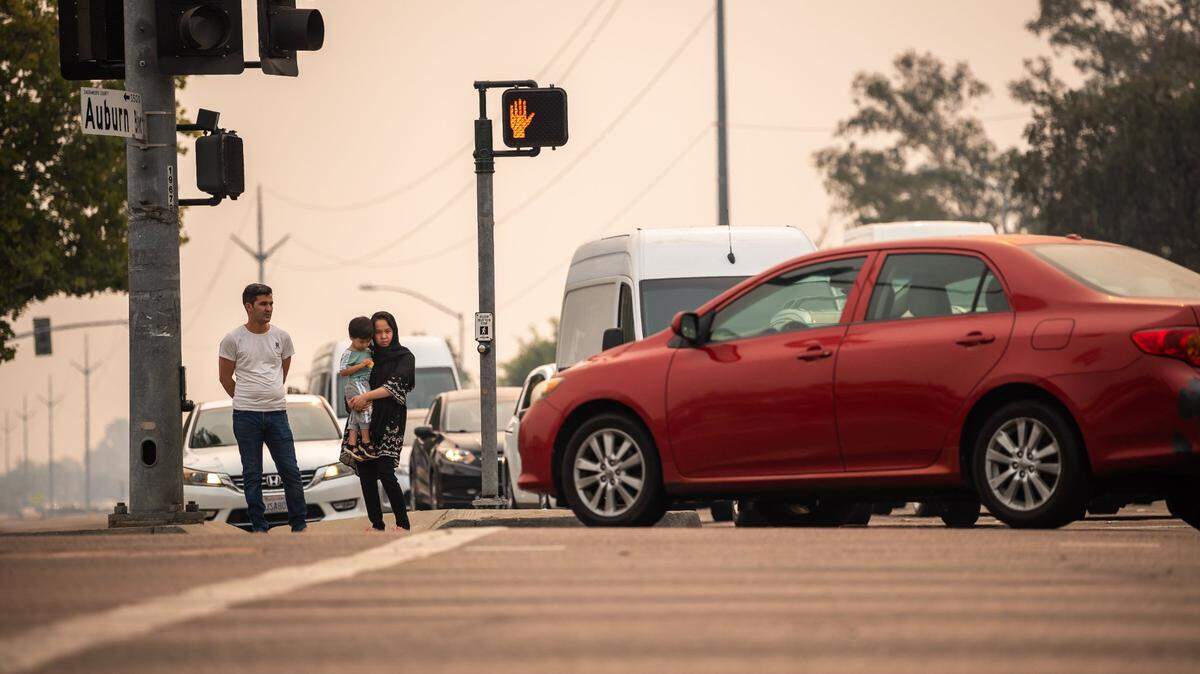
If you’ve ever strolled across a crosswalk in California, you may have been forced to peek around a car parked on the corner to check for oncoming traffic.
Between 2018-2022, a total of 1,544 pedestrians were killed by motor vehicles at intersections in California, according to data from the National Highway Traffic Safety Administration. That’s the most of any state in that time period.
A law that went into effect on Jan. 1 is expected to improve pedestrian visibility in crosswalks by preventing cars from parking too close to crosswalks.
Here’s what to know about the state’s new parking law:
How does new California law change parking rules?
Assembly Bill 413, known as California’s Daylighting Law, was signed into law by Gov. Gavin Newsom in 2023. It amended the section of the state vehicle code that regulates vehicle stopping and parking.
California Vehicle Code now specifies the distance that cars must maintain from a crosswalk when parking on the street.
The law also permits local authorities to establish a distance for parking or commercial loading and unloading zones that differs from the standard 15 to 20 feet — as long as certain requirements are met.
According to Tim Weisberg, a spokesperson for the California Office of Traffic Safety, more than 40 other states have implemented a similar law.
Where can I park on the street in California?
According to Section 22500(n) of the state vehicle code, which went into effect on Jan. 1, vehicles can no longer park within 20 feet of a marked or unmarked crosswalk or within 15 feet of a crosswalk with a curb extending into the road.
The restriction only applies to the approaching side of the road before a crosswalk.
Can I get a ticket for parking near crosswalk?
Cars may be subject to a citation and/or fine if they are found parking in these newly restricted areas, according to the code. Some California municipalities are rolling out enforcement gradually.
San Francisco, for example, will only issue a warning to cars parked too close to crosswalks — unless the area is marked with a sign or painted sidewalk — until March 1.
After that date, the city will begin ticketing and fining for daylighting violations. Fines will start at $40.
Conversely, the city of Livermore has warned drivers since Jan. 1 that enforcement of the daylighting law has begun.
How does new state parking law improve pedestrian safety?
Requiring cars to move 15 to 20 feet ahead of a crosswalk improves visibility for pedestrians waiting to cross and drivers approaching an intersection, according to Weisberg.
Daylighting laws have been proven to improve safety outcomes for everyone involved, Weisberg said.
Hoboken, New Jersey, had not seen any traffic fatalities since January 2017 after implementing a comprehensive street safety plan, The Associated Press previously reported.
Daylighting was credited as one of the top reasons safety outcomes improved.
Weisberg said children are especially vulnerable to being obscured by vehicles parked at the edge of an intersection, increasing the risk that they will not be seen by an approaching driver until the last minute.
The improved visibility also allows pedestrians to safely stay on the sidewalk when looking for oncoming traffic instead of venturing into the road, he said.
“We have to think safety over convenience,” Weisberg said. ”While this may appear to be an inconvenience … when it comes to finding parking spaces, the safety benefit really is going to outweigh any type of inconvenience.”
This story was originally published January 21, 2025 at 5:00 AM.
.jpg)