Daylight saving time has ‘real toll’ on sleep in CA. Doctors share tips to adjust
In just a few days, clocks across California will “spring forward.”
Daylight saving time begins soon, meaning Californians will lose an hour of sleep but gain more evening daylight.
How long does it take your body to adjust to the time change?
Here’s what California sleep experts said:
When is daylight saving time in 2026?
According to the Old Farmer’s Almanac, daylight saving time begins on the second Sunday in March and ends on the first Sunday in November across most of the United States.
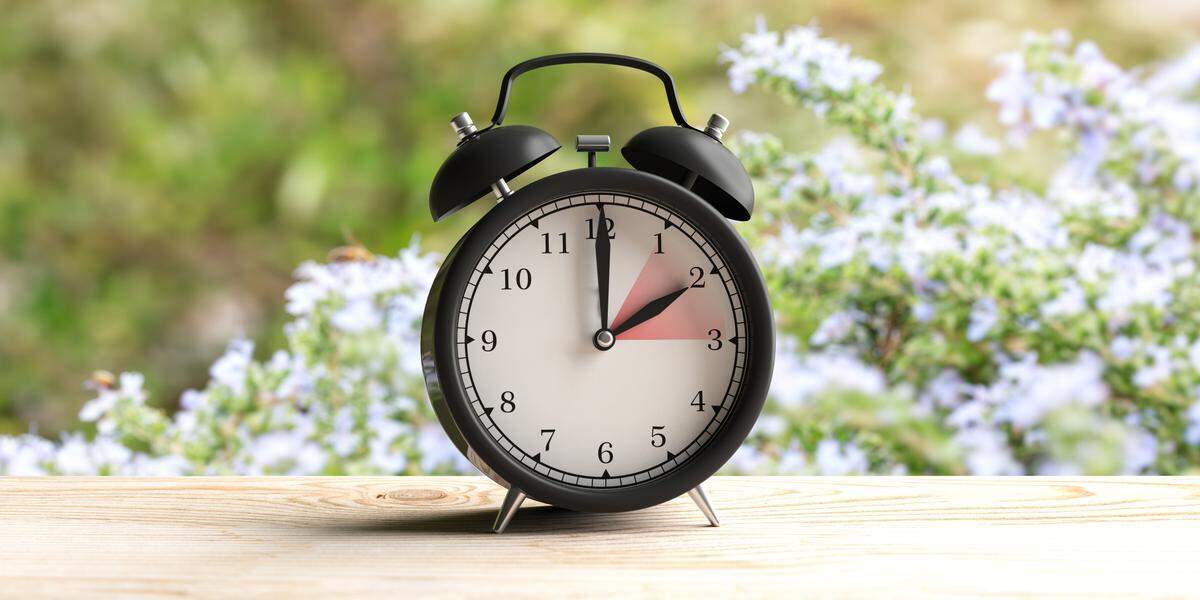
In 2026, clocks in California will “spring forward” at 2 a.m. on Sunday, March 8, moving ahead by one hour.
That means losing an hour of sleep that night — but gaining more daylight in the evening.
After the seasonal shift, sunsets will happen an hour later, while mornings will be darker.
How does daylight saving time affect sleep?
Though the one-hour shift might not seem like much, losing an hour of sleep “can take a real toll on our bodies,” according to the Cleveland Clinic.
“Decades of research have shown that hour loss of sleep leads to an increased risk for health problems,” Alicia Roth, a sleep psychologist with the Cleveland Clinic, said in a Feb. 25 report. “In the week right after daylight saving time, the incidence of heart attacks and strokes significantly increases as well as motor vehicle accidents.”
Roth said that the adjustment can be especially tough because — even after the clocks move forward — most people still have to wake up for work or school at the same time, leaving the body scrambling to catch up.
Temitayo Oyegbile-Chidi, a neurologist and sleep specialist at UC Davis Health, said the human body naturally follows the sun.
“When we change the time on the clock to be an hour against the sun, it throws our bodies off,” she previously told The Sacramento Bee.
Even a single-hour shift can affect sleep schedules, brain activity, metabolism and the immune system, Oyegbile-Chidi said.
How long does it take to adjust to time difference?
How long does it take our bodies to adjust to the time difference?
“Some have argued two weeks, and others have argued it takes about a full month to reset,” Oyegbile-Chidi said.
The adjustment period varies from person to person, she said, but “the Monday after daylight saving time are when people are more likely to be thrown off or feeling” under the weather.
“People tend to feel this way because they’re not realigning as quickly,” Oyegbile-Chidi said.
How can I better prepare for changing clocks?
While you can’t get back that lost hour of sleep, there are steps you can take to adjust more smoothly to the time change, according to the Cleveland Clinic.
Preparation is key to adjusting quickly, Roth and Oyegbile-Chidi said.
Roth recommends going into the time change well-rested by aiming for at least seven hours of sleep in the nights leading up to daylight saving.
“Start slowly adjusting your body to the time change two weeks before daylight saving,” Oyegbile-Chidi said. “Start going to sleep five minutes earlier every day before, so that you can be a little more ready for the sudden change.”

Oyegbile-Chidi said gradually adjusting your daily routine, including meals, exercise and caffeine can also help you adjust.
“You want to have your wind-down period of about 30 minute to an hour about five minutes earlier everyday before you go to sleep,” she said. “Everything should be shifted, including exercise and caffeine consumption.”
Avoid caffeine and alcohol close to bedtime, as they can disrupt sleep, according to the Cleveland Clinic.
Getting sunlight in the morning is another important factor.
“We’re entering a time of year when the days are longer, and we’re getting more sunlight,” Roth said. “Sunlight is a very important zeitgeber, or clock setter, for our sleep. Ensuring that you get sunlight in the morning is one of the most important things you can do to reset your clock.”
The Cleveland Clinic said you should avoid taking long naps, as they could interfere with your ability to fall asleep later. You should also limit phone and screen time before bed.
If sleep problems continue for a few months after the time change, Roth said, you should consider consulting with a sleep specialist.
“They can help you figure out if an underlying sleep disorder is to blame,” the Cleveland Clinic said.