How did daylight saving time begin? What to know as California clocks change
It’s that time of the year again.
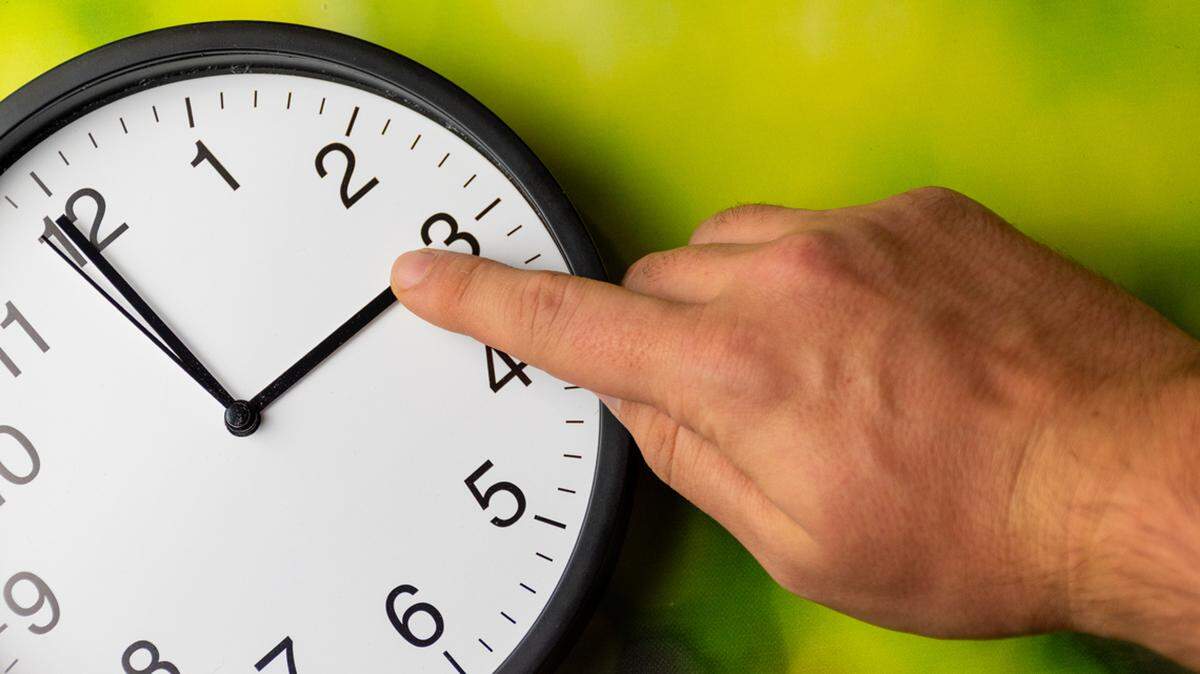
As daylight saving time begins, clocks across California are about to “spring forward.”
That means Californians will lose an hour of sleep but gain more evening daylight.
How did daylight saving time begin? Didn’t California vote to end daylight saving time?
Here’s what you need to know:

When is daylight saving time in 2026?
According to the Old Farmer’s Almanac, daylight saving time begins on the second Sunday in March and ends on the first Sunday in November across most of the United States.
In 2026, clocks in California will “spring forward” at 2 a.m. on Sunday, March 8, moving ahead by one hour.
That means losing an hour of sleep that night — but gaining more daylight in the evening.
After the seasonal shift, sunsets will happen an hour later, while mornings will be darker.
How did daylight saving time begin?
Daylight saving time was created to make better use of daylight during the longer days of the year, according to National Geographic.
The modern concept is officially credited to New Zealand entomologist George Hudson, who proposed it in 1895, according to the Smithsonian National Museum of Natural History.
“Working as a mail clerk in New Zealand, Hudson’s day job cut into the daylight hours available to hunt and collect the wide ranges of insects that interested him since childhood,” the Smithsonian said.
The idea, however, dates back even further to nearly a century earlier when proposed by Founding Father Benjamin Franklin.
In 1784, Franklin suggested shifting schedules to rise earlier in a satirical letter to the Journal of Paris. He said that doing so would reduce candle use and save money.
“Yet it so happens, that when I speak of this discovery to others, I can easily perceive by their countenances, though they forbear expressing it in words, that they do not quite believe me,” Franklin wrote.
Daylight saving time was later implemented to save money and energy, The Sacramento Bee previously reported.
During World War I, countries briefly pushed clocks forward to reduce fuel use, according to the Johns Hopkins Bloomberg School of Public Health.
Germany adopted the practice in 1916, and the United States followed suit in 1918.
Do other US states have daylight saving time?
Not all states in the United States observe daylight saving time.
Under the Uniform Time Act, states can choose to participate or stay in standard time all year.
Hawaii and most of Arizona observe permanent standard time, according to History.com.
There have been movements in California and across the country to establish a permanent time change.
In 2018, then-U.S. Sen. Marco Rubio introduced the Sunshine Protection Act, seeking to daylight saving time “the new, permanent standard time.”
The bill has been reintroduced several times, mostly recently in 2025, but has failed to make it out of committee.
Didn’t California vote to end daylight saving time?
In November 2018, California voters approved a ballot measure that would allow the state to move to year-round standard time or year-round daylight saving time.
Proposition 7 passed with 59.8% of the vote.
Nearly eight years later, state lawmakers have yet to pass any legislation to move California to permanent daylight saving or standard time.
That legislation would need a two-thirds vote in both the State Assembly and the State Senate, along with the governor’s signature.
If California chose to stay on daylight saving time all year, Congress would also have to approve the change.