What are California’s laws to protect the environment? Recycling, littering fees
Over the decades California has developed laws pertaining to the protection of the state’s diverse environment. These laws range from recycling and littering fees to the ban of toxic chemicals in food packaging.
This Earth Day, take time to learn and explore the ways that the state tries to legally protect California’s environment.
Here’s what to know:
Environmental laws in California
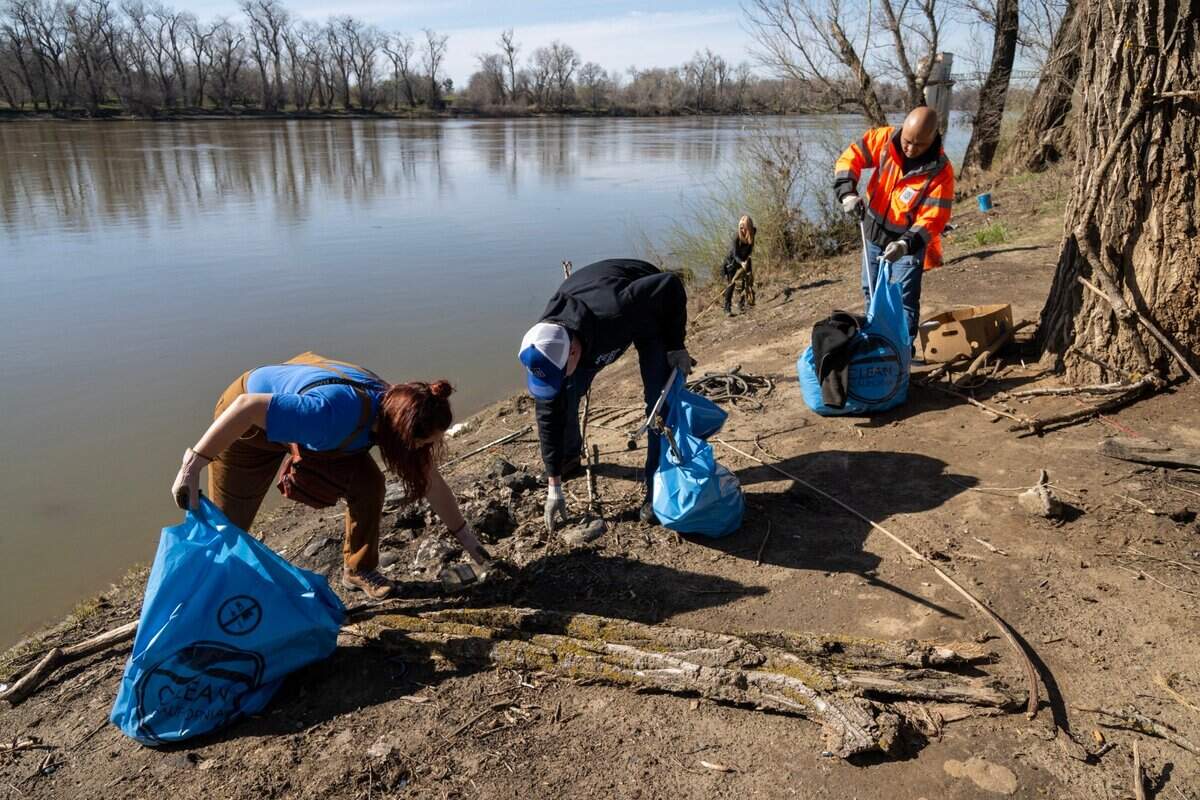
California’s environmental laws were developed to protect the state’s forests, deserts and coastal line. The state’s protection laws have continued to grow and expand in order to create clean and sustainable living for the residents of California.
The California Environmental Quality Act
The California Environmental Quality Act establishes a state policy of sustainability to “create and maintain conditions under which man and nature can exist in productive harmony to fulfill the social and economic requirements of present and future generations,” according to the California attorney general’s website.
The act requires state and local agencies to disclose and evaluate the significant environmental impacts of proposed projects. Additionally, local and state agencies must adopt all feasible mitigation measures to reduce or eliminate those impacts, including the mitigation for greenhouse gas emissions.
The California Safer Food Packaging and Cookware Act of 2021
The act bans toxic PFAS chemicals in paper food packaging in California and bans the sale or distribution of plant-based food packaging that contains intentionally added perfluoroalkyl and polyfluoroalkyl substances, also known as PFAS or “forever chemicals.” These chemicals are linked to serious health problems including breast and other cancers, liver damage, birth defects and other serious health conditions.
Additionally, the California Safer Food Packaging and Cookware Act of 2021 requires cookware manufacturers to disclose on the product label and online of hazardous chemicals that were included in the state’s Department of Toxic Substances Control’s Candidate Chemical List.
Idle oil wells cleanup
Senate Bill 47 raises the cap on how much money from the Oil, Gas, and Geothermal Administrative Fund can be spent to plug and cleanup deserted oil wells, according to the California State Senate website.
The California Geologic Energy Management Division can now spend up to $5 million a year, according to the California State Senate.
Abandoned oil wells can leak and degrade air quality, water quality and harm surrounding communities, according to the California Environmental Voters. The measure was signed into law in 2024.
How much does it cost to litter?

California littering laws
Need to throw away trash with no trash cans around? Well don’t litter in California unless you are looking for hefty fines.
It is unlawful to litter in or on public or private property. According to California law, “litter” means the discarding, dropping or scattering of small quantities of waste matter ordinarily carried on or about the person. This includes beverage containers, wrappers, wastepaper and packaging.
A person, firm or corporation convicted of littering can expect fees between $250 to $1,000 for the first conviction and upon third conviction fines can rise up to $3,000.
Looking to earn cash for recycling?
California Beverage Container Recycling and Litter Reduction Act
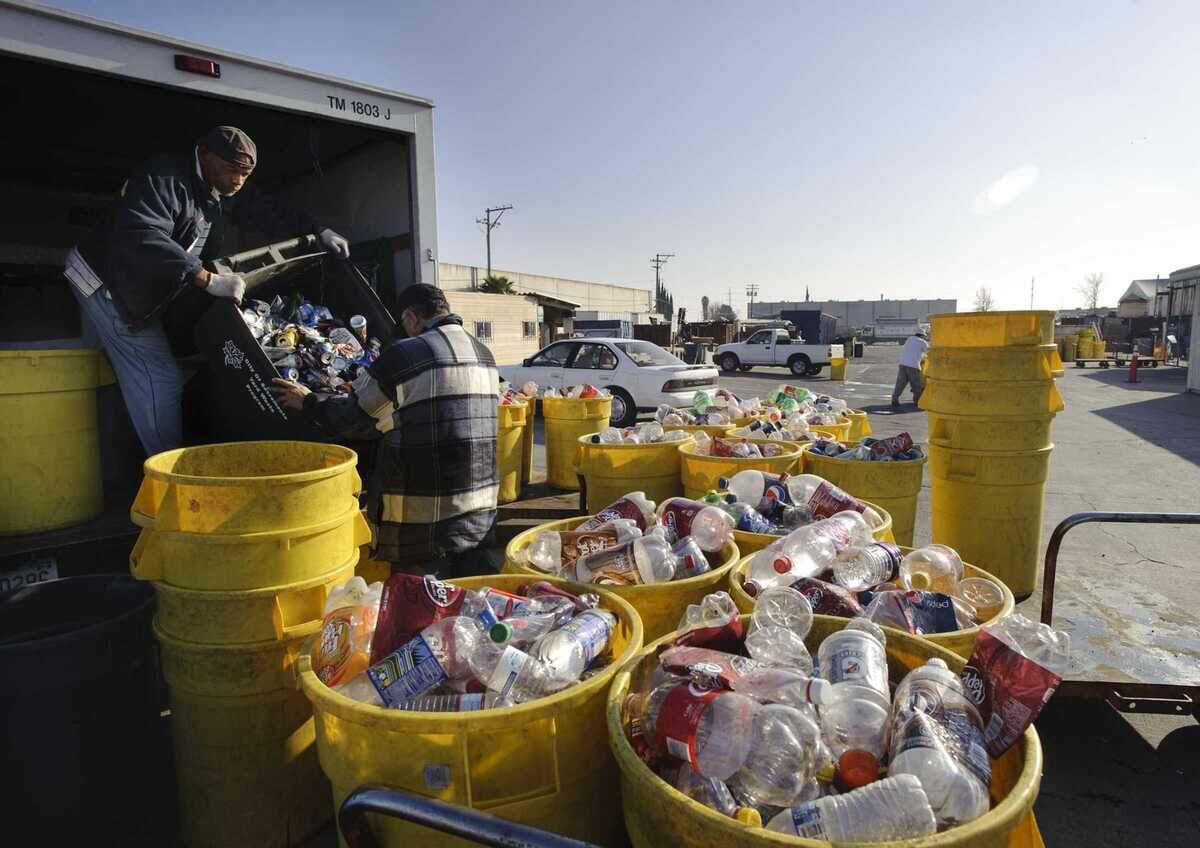
This act provides financial incentives and convenient return systems to encourage large-scale recycling of beverage containers to individuals in the state. People interested in recycling beverages can visit dealers and other shopping center locations, independent and industry operated recycling centers, curbside programs and other recycling systems, in every region of the state, to take advantage of the redemption opportunities.
People can expect to receive 5 cents for containers less than 24 ounces and 10 cents for containers 24 ounces or larger. Customers can also be paid by weight of their containers, according to CalRecycle. Daily load limits of empty beverage containers are 100 pounds each for aluminum and plastic and 1,000 pounds for glass.