Strawberry moon, meteors and stars to light up California sky. Here’s when
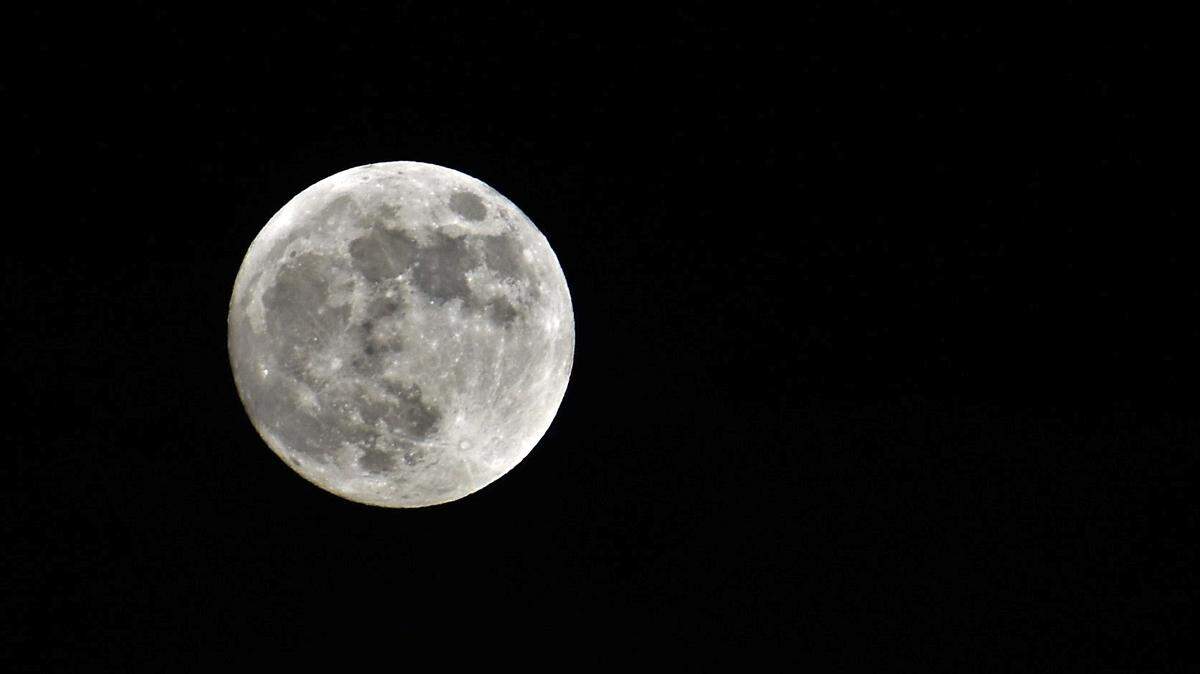
Need more time in the day? California will soon experience longer days and shorter nights.
The summer solstice arrives in June, marking the official start of summer in the Northern Hemisphere.
Also in June, California sky watchers can spot a strawberry moon, meteor shower and other celestial sights in the night sky.
Certain stars and planets will also be on display.
Here’s when to watch:
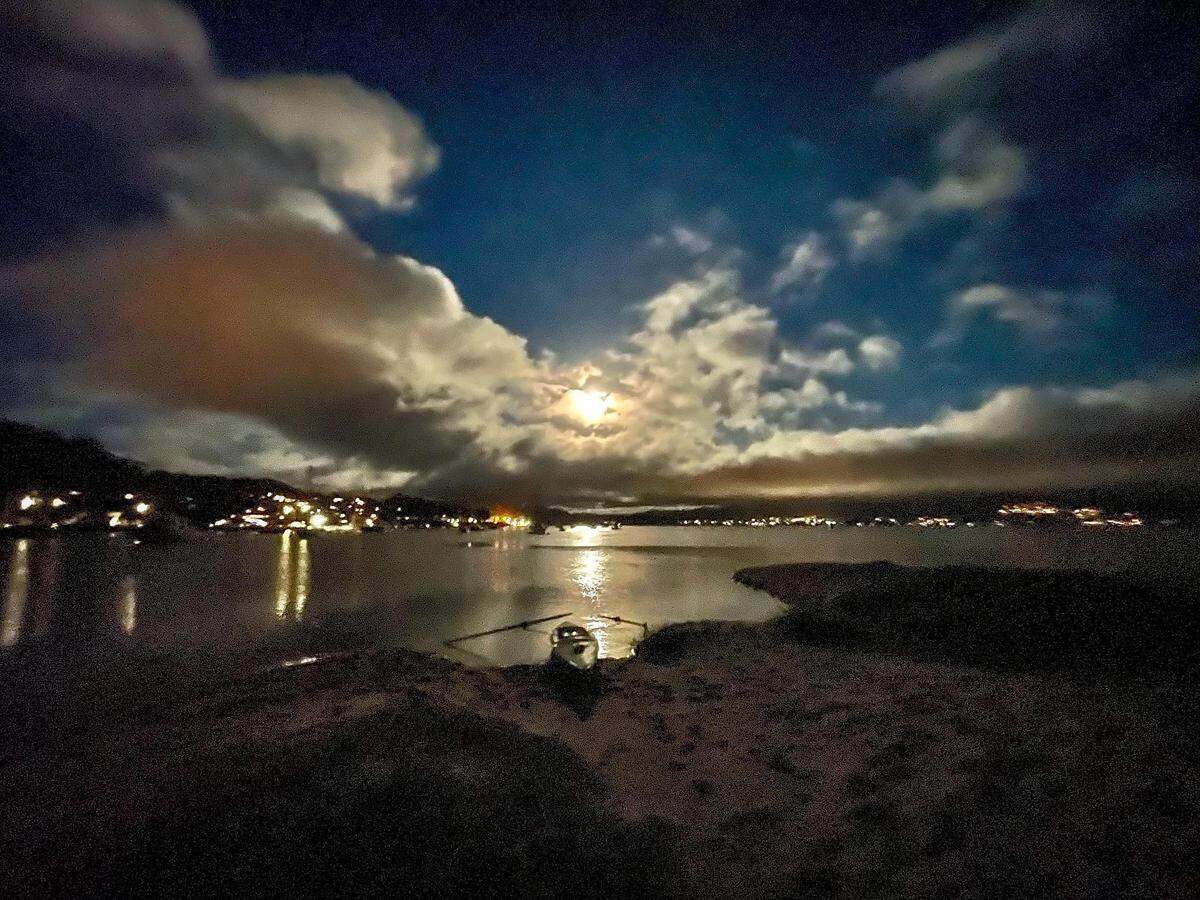
When’s the best time to see full moon in June?
In May, California stargazers were treated to two full moons in one month.
The fifth full moon of 2026 reached its luminous peak on Friday, May 1.
Another full moon — a blue micromoon — lit up the sky in the early hours of Sunday, May 31.
Sky watchers will have to wait nearly a month to see another full moon.
The June full moon will reach peak illumination at 4:56 p.m. on Monday, June 29, according to online clock Time and Date.
It’s also the first official full moon of summer, National Geographic said.
Why is June’s full moon called the strawberry moon?
June’s full moon is known as the strawberry moon because of its connection to wild berry harvesting season, according to the Farmer’s Almanac.
In June, “Wild strawberries ripen in the meadows, gardens push their first real growth of the season and the sun rides its longest arc of the year,” the almanac said.
“The sphere won’t look any redder than other months, but it can reflect warmer hues if you watch at the right time,” National Geographic said.
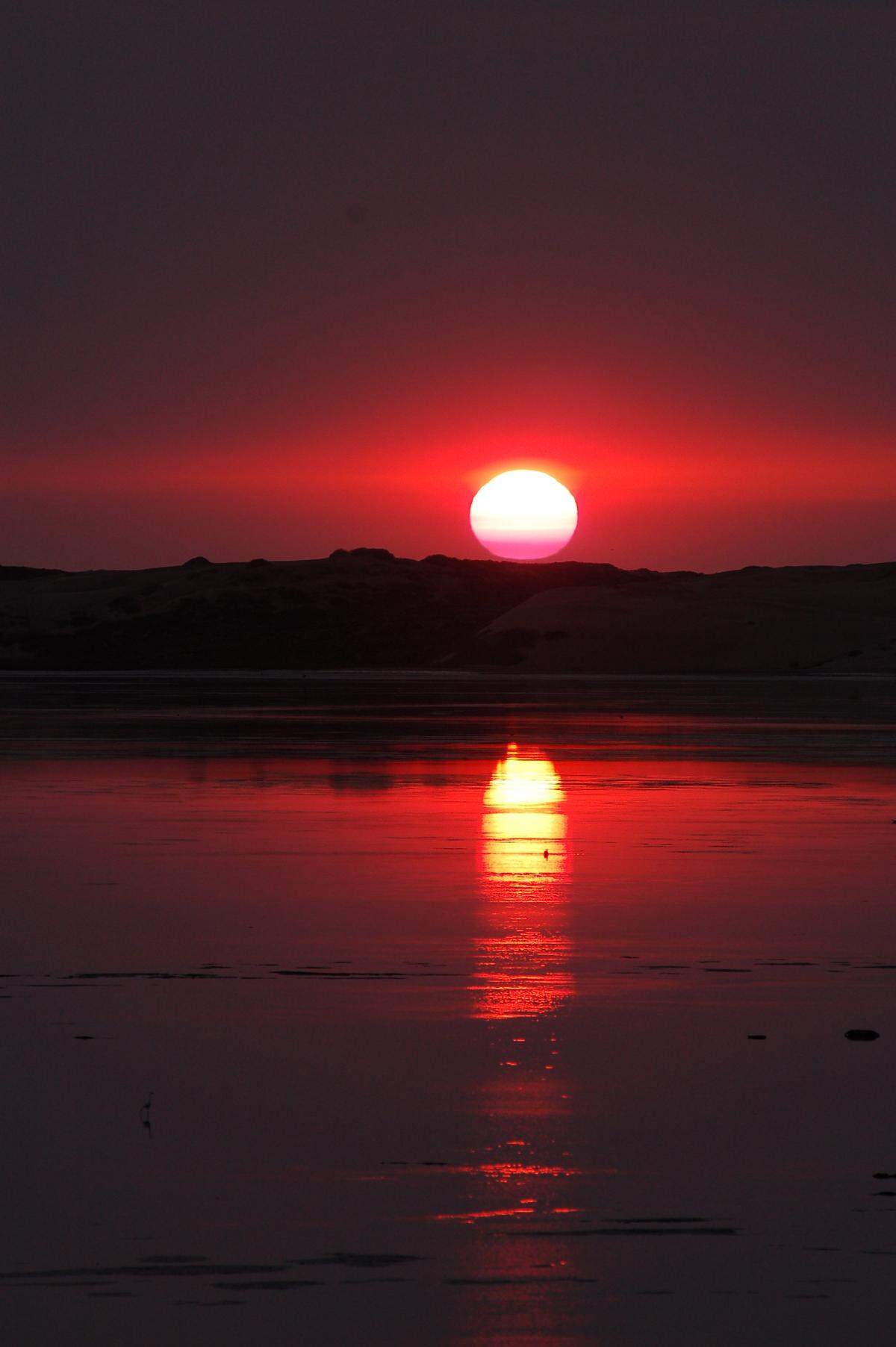
When is the summer solstice?
In the Northern Hemisphere, the summer solstice takes place annually on June 20, 21 or 22, depending on the year, the Old Farmer’s Almanac said.
In 2026, the first day of summer falls on Sunday, June 21.
“In the Northern Hemisphere, the June solstice occurs when the sun travels along its northernmost path in the sky,” The Old Farmer’s Almanac said.
Once this happens, Earth reaches a point in its orbit where the North Pole is at its highest tilt toward the sun, The Sacramento Bee previously reported, launching the summer season.
When summer starts in the Northern Hemisphere, it’s the beginning of winter in the Southern Hemisphere.
How can I see the Summer Triangle of stars?
A special star formation will be present in the summer sky, according to astronomy app EarthSky.
Three stars — Deneb, Vega and Altair — will form a triangle, known as the Summer Triangle asterism.
These stars are from different constellations but from a “noticeable pattern of stars” in the eastern night sky, EarthSky said.
“As night falls in June or July, look east for a sparkling blue-white star,” EarthSky said. “Reigning at the apex of the celebrated Summer Triangle, Vega is also the brightest of the Summer Triangle’s three stars, which are all bright enough to be seen from many light-polluted cities.”
When is the Bootid meteor shower active?
The Bootid meteor shower will be active from Monday, June 22, to Thursday, July 2, according to InTheSky.org.
The meteor shower will reach its peak around 10 p.m. on Saturday, June 27 at 10 p.m.
Space.com called the Bootids “unpredictable,” noting that post-dusk hours will be the “best time to scour the sky for elusive meteors.”
Will planets be visible in the night sky?
According to National Geographic, a few celestial bodies will keep close company in June.
Jupiter and Venus will appear within 1.5 degrees apart from each other on Monday, June 8, and Tuesday, June 9.
On Wednesday, June 10, Saturn and the moon appear close together in the night sky. To see Saturn’s rings, you can use a backyard telescope or even strong stargazing binoculars.
Mars, Saturn and the moon will be in a diagonal line about an hour before sunrise on Thursday, June 11.
Where are the best places to stargaze?
For the best views, get away from city lights.
The ideal stargazing locations offer “unobstructed views of the horizon,” National Geographic said. “Mountains, moorlands, deserts and remote islands are good choices, thanks to their isolation, clear conditions and lack of light pollution.”