
Five charts — and dramatic photos — show how California drought has drained Folsom Lake
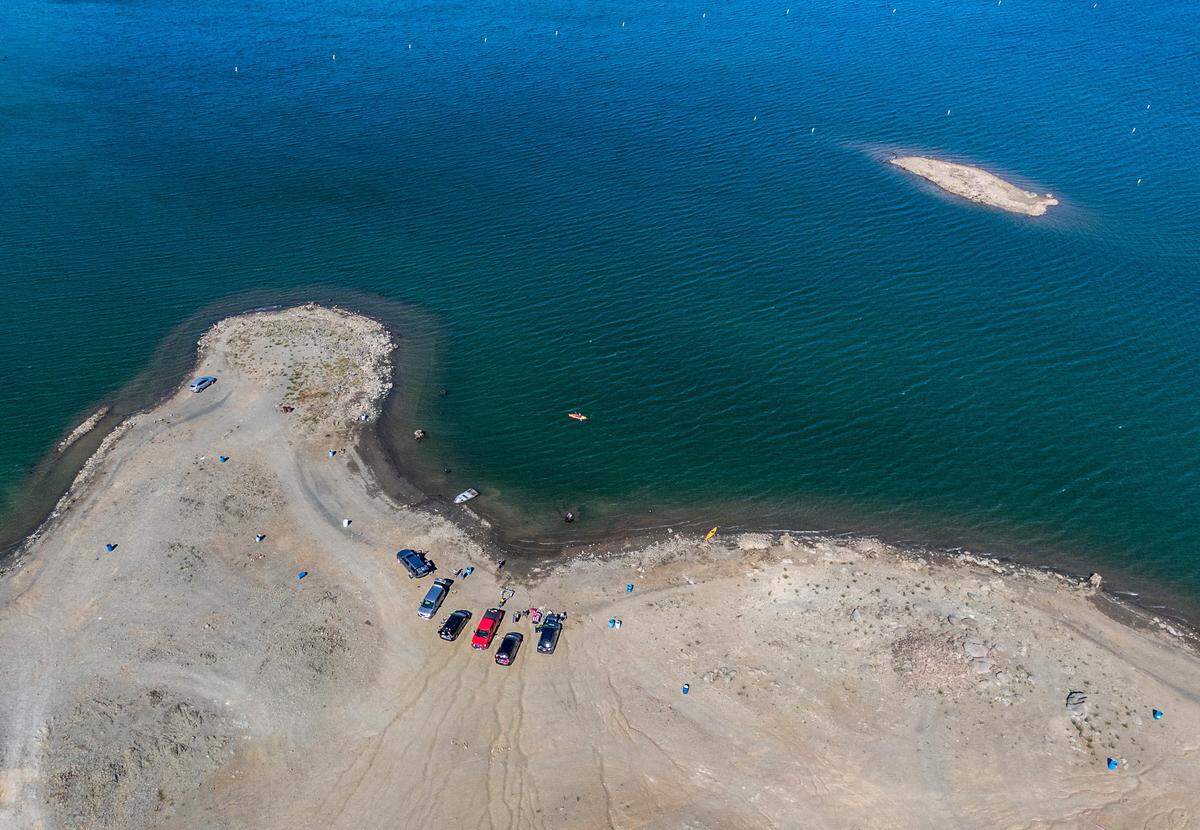
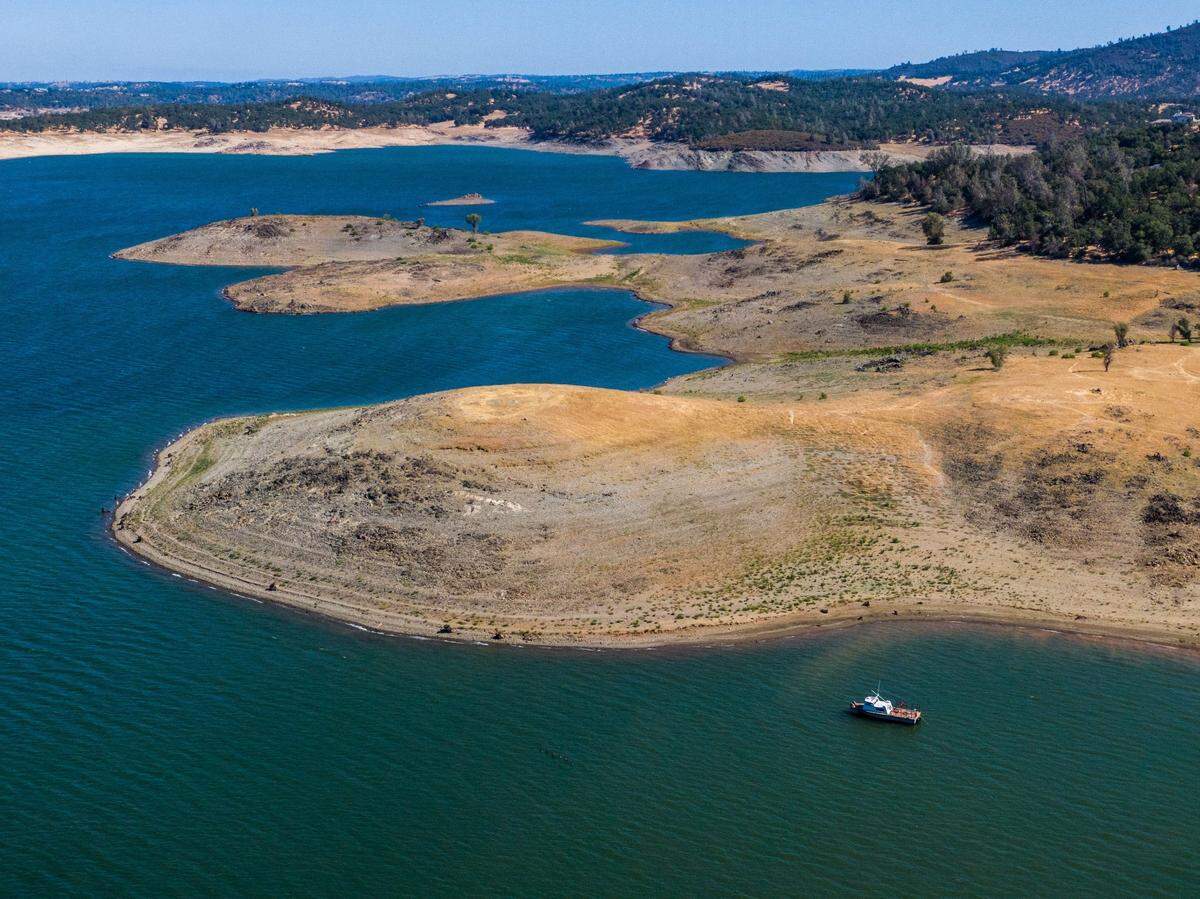
Folsom Lake hasn’t been this dry at this point in the year since 1977.
From 1956 to 2020, Folsom Lake contained, on average, about 830,000 acre-feet of water at the end of May, equivalent to 85% of capacity, state records show.
At the end of May this year, Folsom Lake contained just 361,000 acre-feet of water, equivalent to 37% of capacity.
The only other time the lake was this dry at the end of May was in 1977, when the lake contained about 303,000 acre-feet of water.
The pace at which water managers released water from Folsom Lake this year contributed to its low water levels.
Reservoir managers released about 432,000 acre-feet of water from Folsom Lake during the first 155 days of 2021.
By comparison, they released 272,000 acre-feet during the first 155 days of 2014, a few months after then-Gov. Jerry Brown declared a drought emergency.
The releases came as relatively little water flowed into Folsom Lake.
Folsom Lake took in about 511,000 acre-feet of water during the first 155 days of 2021. It took in 633,000 acre-feet during the first 155 days of 2014.
Folsom Lake rose by an average of 400,000 acre-feet from January through early June during the last 10 years.
In 2021, it rose by just 70,000 acre-feet, due to lack of rain, hot weather and water releases.
Among the state’s largest reservoirs, Folsom Lake and Lake Oroville are hurting the most. Both were at just 37% of capacity on June 4.
The state’s 11 largest reservoirs were at 51% of capacity as of June 4, similar to the levels seen at this point in 2014.