California universities stash stolen Native ancestors. Here’s who’s fighting for them back
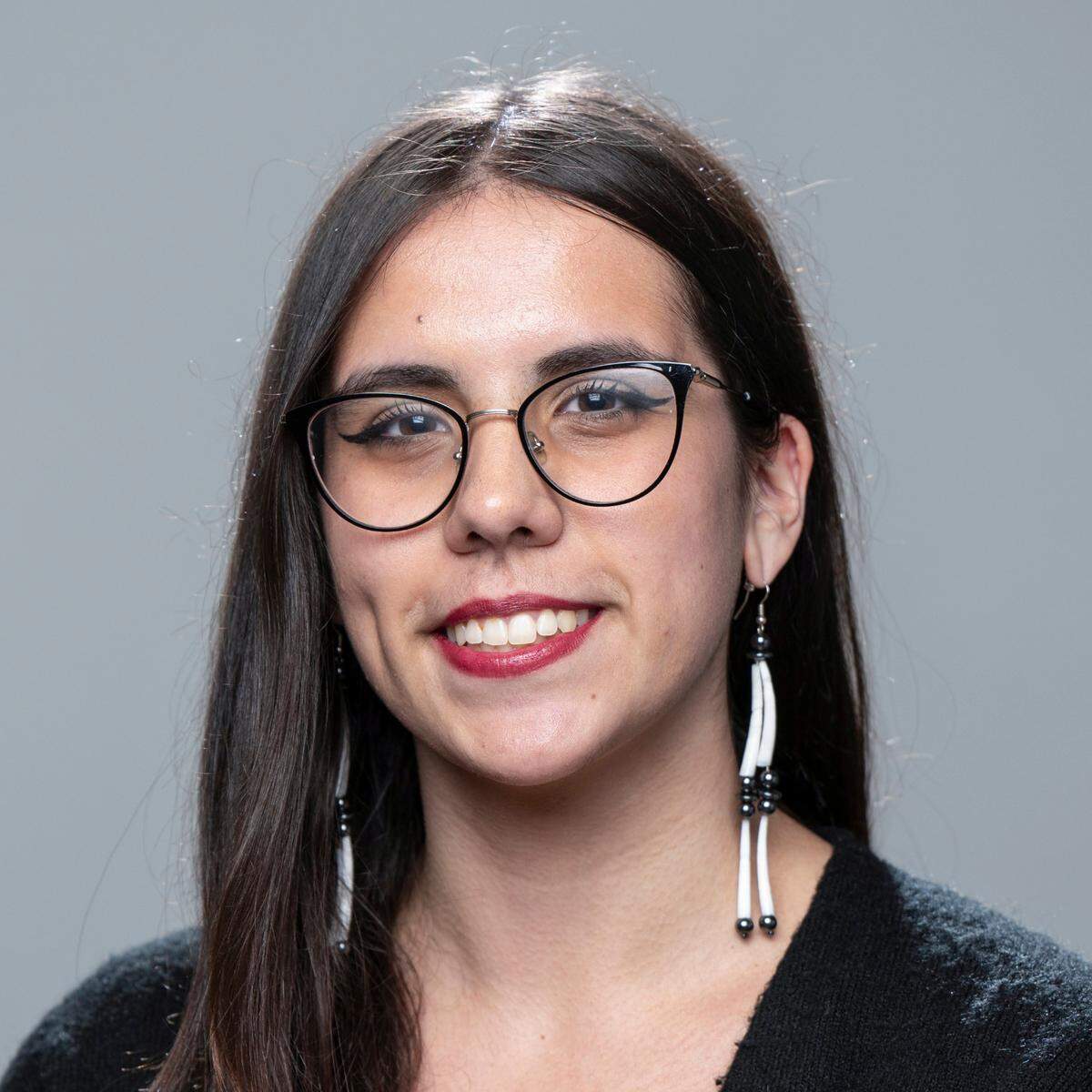
Cassie Dowdle’s family no longer buries relatives at the same cemetery in Porterville, California, as they had for decades.
Dowdle is a lineal descendant of the Tule River Indian Tribe. Decades ago, archaeologists repeatedly excavated the tribe’s burial grounds in Madden Farms — the remains of her great great grandmother Mary and her great great aunt Jenny among those stolen.
“After the excavation date of that cemetery, my great grandmother never buried another person in an Indian cemetery,” Dowdle said. “She sent them to the Catholic cemeteries from that day on.”
Native American burial sites, including this cemetery, were raided across the country by anthropologists. In the 19th century,Indigenous remains were studied like objects and viewed as less than human because Native people were seen as an inferior race or as a dying culture, said Dowdle.
Where could her ancestors be? Most likely in a museum or institutional archive. And for Native Americans, that isn’t an uncommon situation.
The California State University system had almost 700,000 ancestors and family items according to an audit released last year.
“As soon as I figured that (UC Berkeley had been involved), then I really started researching ... because we have to bring home that cemetery,” said Dowdle.
Stories like Dowdle’s are the reason why the Native American Graves Protection and Repatriation Act exists. Passed 30 years ago, colleges and universities were required to start the return of ancestors and family items by putting them into inventory and beginning the repatriation process.
What is the Native American Graves and Repatriation Act?
Dowdle works to bring ancestors back from museums, libraries, state agencies, federal agencies and universities as the NAGPRA manager at Wilton Rancheria. She communicates with institutions holding ancestors and family items traced back to the Miwok and Nisenan. The California State University system is one of the institutions Dowdle communicates with.
The discovery of her family inspired her to take on this profession.
“Now I actually have something that’s personal, as a lineal descendant, to go after,” Dowdle said.
Excavations happened a lot more recent than people think, she said. Dowdle’s relatives even knew of her lost ancestors.
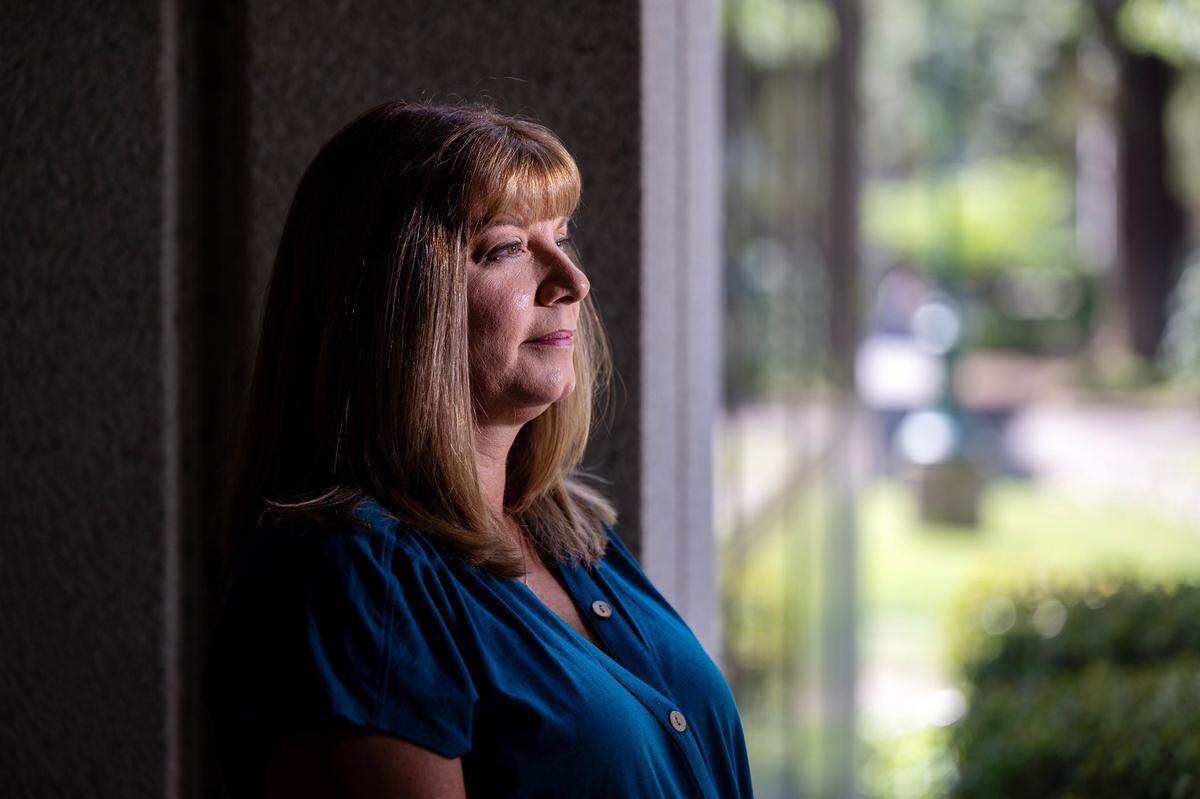
“My 95-year-old grandfather is still alive. We have this conversation a lot, about trying to get this (repatriation) done in his lifetime,” Dowdle said. “As a kid, that was his grandmother. He knew her.”
It wasn’t until 2020 that Dowdle began deep diving into her genealogy. Dowdle’s ancestors were displaced and forced out of their original reservation around 1863, to build the land into a fort. They were marched up by knife and gunpoint by California colonists, she said.
Where is Sacramento State on repatriation?
The delayed repatriation of Native ancestors and family items is a national issue. Institutions like Harvard and the University of California, Berkeley have thousands of ancestors and family belongings that haven’t been made available for tribes to recover.
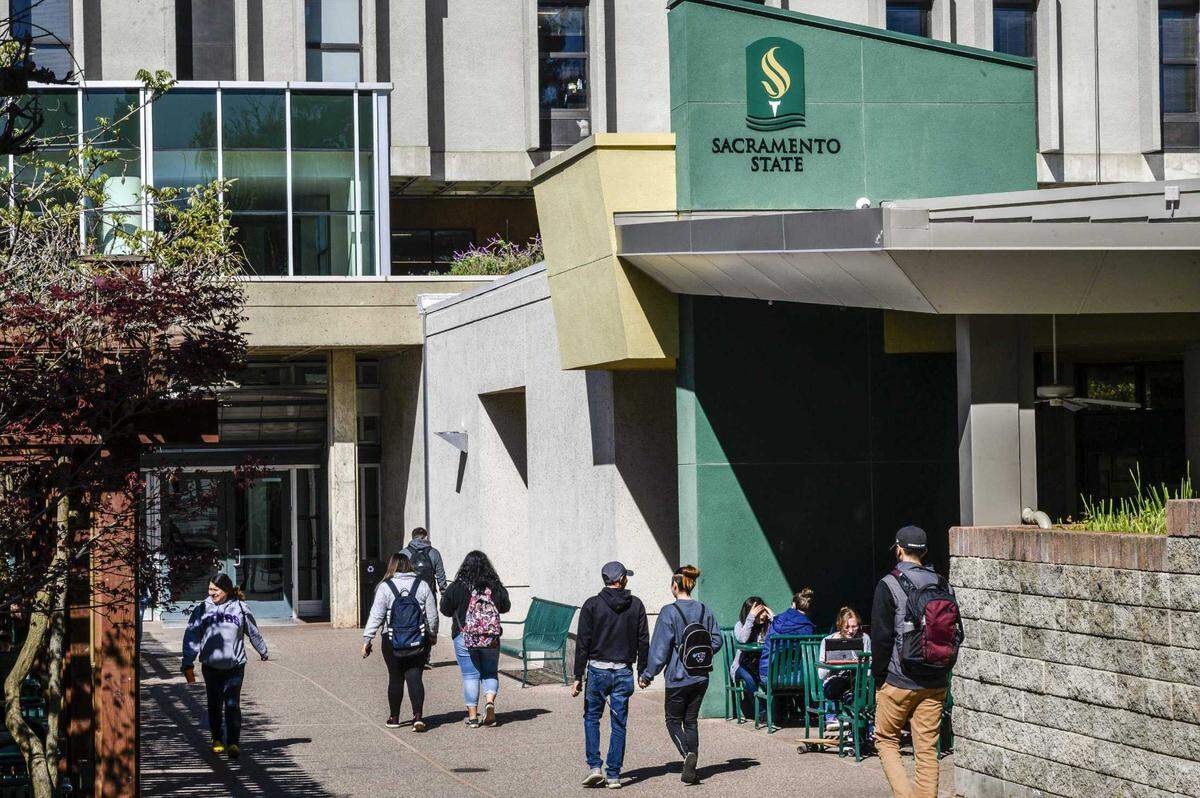
Sacramento State had the third largest collection in the California State University system with over 115,900 remains and family belongings. At the time, the university had not finished it’s campus review.
Sacramento State completed its review of all collections traced back to local tribes this year, said Mark Wheeler, the chief of staff for the president’s office. In the past year, Sacramento State transferred 66,686 belongings and 489 remains to nearby tribes.
Last year, President Luke Wood told The Sacramento Bee it would repatriate its entire collection in the “next few years.” Wheeler said the university will not meet its goal of repatriating 100% of its collection by the goal it originally set.
Then, Sacramento State didn’t articulate goals as “clearly as (they) would want to now” when it came to repatriating.
Through the repatriation process, Wheeler said Sacramento State has learned that returning the entirety of its collection is a complicated process, one that will require more time. The university also has to work to collaborate with tribal communities.
Since August 2023, 85% of ancestors in sole responsibility of Sacramento State have been legally repatriated, a report from the university stated. The university has held 82 consultation meetings and reburial preparations with 15 tribal nations.
Dowdle, who frequently works with Sacramento State, said the university has been helpful with repatriating to Wilton Rancheria. Currently, 60% of ancestors and belongings traced back to Wilton Rancheria have been repatriated. Dowdle said this has been a “milestone” for the tribe and Sacramento State.
Obstacles with the California State Universities
It’s only been in recent years that repatriation has started to be taken seriously, said Assemblyman James Ramos, D-San Bernardino, in May.
More and more, universities are being held accountable for bringing ancestors and family belongings home. The California State Universities have been criticized for their non-compliance since an audit last year.
In June, tribal leaders said they are still facing obstacles with repatriation, especially with the California State University system.
Additionally, it’s difficult for Native families preparing to send their children to these colleges, said Robert Jeff, vice chairman of the Santa Rosa Rancheria during a repatriation round table in May.
“We want our kids to get an education so we can fight for what we need to fight for,” Jeff said “But the CSUs, that say they want our kids to go to, are the same institutions holding our ancestors. Our kids go to these schools knowing that these institutions have our ancestors right in their building.”
The expedition of repatriation is now California law. California State Universities are required to follow the recommendations of last year’s audit. Among the recommendations were completing inventory by December 2025, full time NAGPRA coordinators, and a system-wide NAGPRA policy.
“(We need) the respect, to see Indian people as human, not as a trophy in the archives, or something less than human,” said Ramos, who is Serrano and Cahuilla.
NAGPRA coordinators
Despite the push to repatriate after several state audits and legislation mandating the process be expedited, tribes still face obstacles. As a part of last year’s audit, universities were required to hire NAGPRA coordinators, like Sarah Eckhardt, to speed up the process. NAGPRA coordinators act as liaisons between universities and tribal communities and hold consultations.
So far, the California State University system has hired eight full-time coordinators across its 23 campuses.
To be a NAGPRA coordinator, an individual must have degrees in anthropology, Native American studies or any related field. They need to be versed in state and federal laws.
Some coordinators are even from the tribal communities the ancestors they’re repatriating come from.
One is Kellie Carrillo, who works at Fresno State. Like her cousin, Dowdle, Carrillo works with the repatriation of ancestors. But for her, she works on the university side, handling the collection at Fresno State specifically. Fresno is located on Yokut and Mono land, where Carrillo and her ancestors descend from.
Being a descendant of the ancestors in Fresno State’s possession has put a heavy responsibility on Carrillo.
Not only does she work towards bringing their ancestors home, but educating non-Native communities on repatriation.
“As an Indian person, we always have the expectation to do more, to educate people. That’s not our job to do, necessarily, but we don’t have a choice,” Carrillo said. “We’re always educating, always finding the right way to communicate because the ultimate goal is to meet this objective.”
Dowdle’s ancestors, Mary and Jenny, had died of tuberculosis, Dowdle said. They both lived hard lives and wanted to be buried at the original Tule River Reservation.
Tule River Reservation is working on a request for repatriation of her ancestors, along with all of their relatives, from the university museums. When this specific cemetery is brought home, Dowdle and her grandfather hope to be part of the reburial process.
Knowing the real story of her ancestors, it has brought into greater perspective on the power of repatriation and reburial of collections, Dowdle explained.
As a Native woman, Carrillo faces similar emotions when repatriating. There’s a great sense of sadness, anger and frustration. And at times, she does a prayer so she doesn’t carry anything bad back to herself or her community.
“We need to get them to their home, reburied in a respectful way, in a respectful manner, as timely as possible,” Carrillo said.
This story was originally published September 3, 2024 at 6:00 AM.