
How Sacramento community advocates are taking on PTSD after surge in gun violence
Ahisha Lewis felt she had to do something to help her community when a mass shooting in downtown Sacramento took the lives of six people and wounded 12 more earlier this month.
She wanted to make a difference in addressing the psychological trauma caused by the violence, so she began free therapy sessions at her nonprofit, A Different Path.
“I did it because we have to change the mindset. We have to. The trauma that these individuals experience is heartbreaking and it’s hard to carry. Those of us who already experienced it were retriggered, which is what PTSD is,” said Lewis.
Her offering reflects a new emphasis among community advocates in the resources they want to provide as they confront the ripple effects of a recent surge in deadly shootings.
They want the city and other organizations to focus on post-traumatic stress disorder, mental health and education in underserved communities that are more likely to experience violence than others.
Many who have personal experiences when dealing with any violence will often describe the action as the outcome of built up tension, trauma, and pain that doesn’t get enough attention until fatalities occur and innocent lives are taken.
“I understand that trauma, because I’ve been in that trauma. I’m continuously in that trauma, whether it be my immediate family, an extension of my family, or a friend of my family,“ said Lewis. “This has been a constant constant generational battle of the mind. We have to change the mind.”
The recent violence includes high-profile homicides that unfolded in public places over the past month.
Early Sunday morning in the Natomas Crossing neighborhood, Sacramento police reported two men were shot and killed in a double homicide. One of the men was Giovanni Pizano, a well-known disc jockey who goes by DJ Gio.
A day before that, an 18-year-old man was shot and killed early Saturday during a party at an Airbnb rental home in the 7400 block of Brandamore Court in Elk Grove, according to police.
And on April 3, the mass shooting in downtown Sacramento that killed a half dozen people, inspiring calls from around the city for renewed attention on addressing gun violence.
Following that mass shooting, Sacramento Mayor Darrell Steinberg urged Gov. Gavin Newsom to allocate $3 billion toward crime prevention, which includes $100 million dedicated to community-based crime prevention and $200 million towards mental health treatment for people in the criminal justice system.
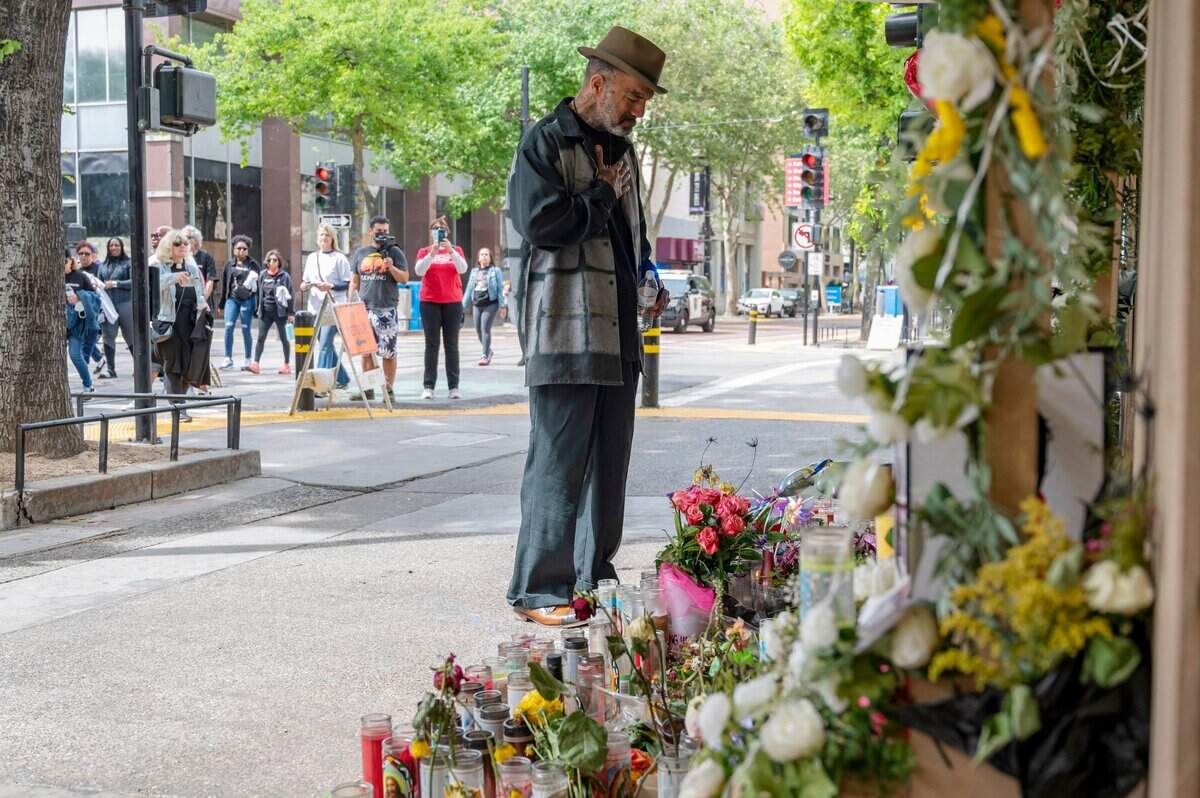
Healing from trauma
Samual Brown, a former gang member, was recently released from prison after serving 24 years behind bars. Prior to his release, he began taking necessary steps to put an end to violence.
Before the end of his incarcerated stint, he held an associate’s degree of arts and social science, an associate of sociology, and a bachelor’s degree in communication studies. He found the Anti-Violence, Safety, and Accountability Project (ASAP), a nonprofit organization that works to break the cycle of violence.
ASAP’s 10P Program provides rehabilitative programs and restorative justice programs to people who are incarcerated.
The organization also provides grief and counseling services for community violence or officer-involved shootings. It holds space for victim-offender mediation seminars.
The nonprofit addresses the harms of violence through dismantling systemic racism, providing healing spaces to those impacted, and offering the insights, platforms, and other tools of justice that communities need to transcend violence.
“For someone to go out and shoot a number of people. That person is dealing with a lot of pain,” said Brown. “I really just feel like at the core of it all, is this transgenerational trauma and personal trauma. We need strategies implemented to heal those.”
In a 2017 report, the Public Policy Institute of California revealed that Black people are overrepresented in the prison system and are imprisoned at a higher rate than their Latino and white counterparts. The incarceration rate for Black men is 4,236 per 100,000, while the rate for white men is 422 per 100,000. The rate for Latino men is 1,016 per 100,000 and 314 for men of other races.
Black women, too, are overrepresented in prison. The rate is 171 for every 100,000, which is more than 10 times the rate of white women incarcerated, 30 per 100,000. For Latina women it’s 38, for women of other races, 14 per 100,000.
“I strongly feel that our community needs healing and punitive measures are not the way. The same white supremacist practices that have been in place with the criminal justice system is not the way,” said Brown.
He believes that “no one is born evil” but rather people adopt criminality as a coping mechanism for unprocessed trauma.
“I’m a firm believer in that there are conversations that need to take place. There are social programs that need to take place. There’s a lot of healing that needs to take place,” said Brown.
Through ASAP, he cultivates social, emotional, and societal awareness to help individuals who come from “marginalized and written-off” communities envision a brighter future for themselves, realizing and reclaiming their potential.
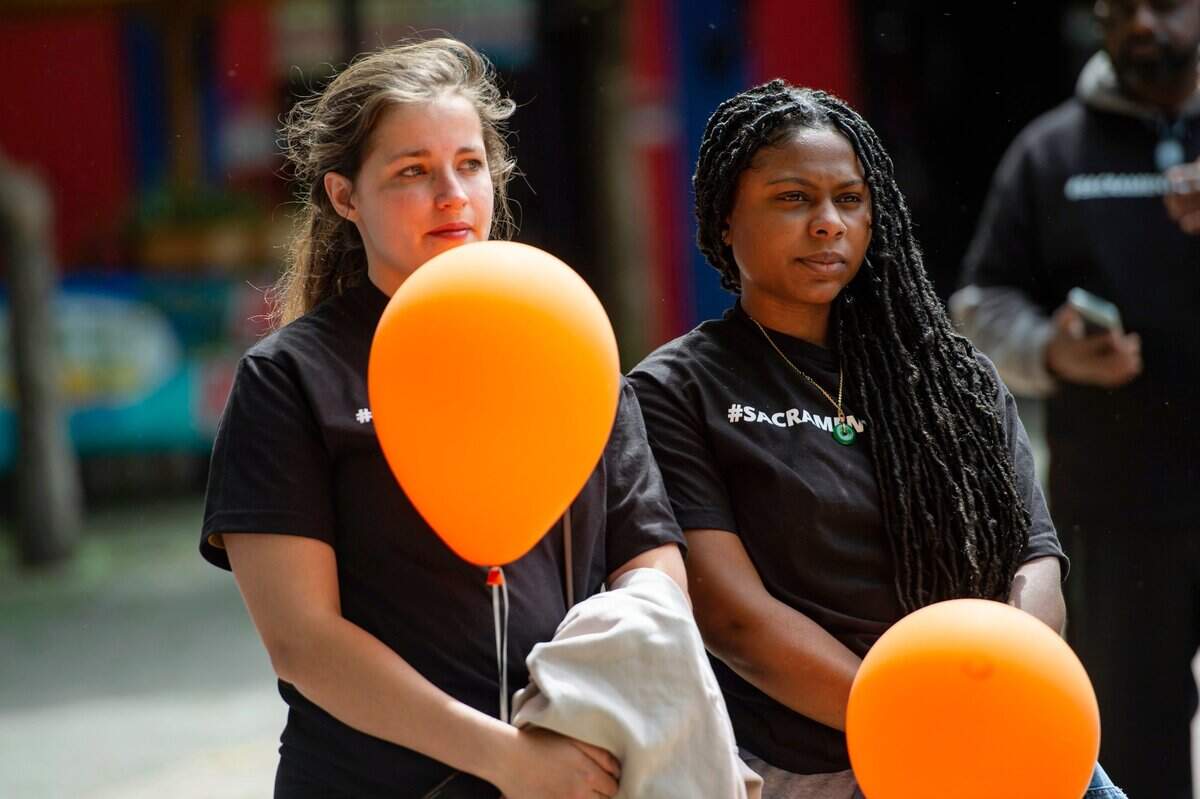
Community investments, youth programs
Community-based organizations and their leaders feel the power of change is deeply rooted in investment into community programs dedicated to addressing mental health, past traumas, and social developmental programs for youth and adolescence.
Community activist and youth advocate, Tyler McClure, wants to get to the root of the problem.
“We have to invest in our young people,” said McClure. “A lot of our youth have triggers and a lot of our youth turn into unhealed young adults.”
Berry Accius, a community activist, said the violence is why he advocates heavily for preventive measures and resources in needed areas.
He says the recent uptick in gun violence continues because there’s a “lack of emotional and economic investment” into neighborhoods that are underserved, or otherwise often ignored by society.
Accius, founder of Voice of the Youth, a nonprofit that specializes in youth mentorship programs, said the investment is “critical” because “adults were once kids”.
“When we look at their past and their history, this act of violence, and this ignorance, didn’t start when they turned 20. They were up in it probably when they were seven years old,” said Accius.
Accius places importance on establishing a solid foundation because some families have experienced generations of dysfunction.
“When the foundation isn’t solidified or the foundation isn’t solid, you cannot rehabilitate individuals in a broken system. A system that is not designed for them. A system that is only incorporated to keep them broken,” said Accius.
For many individuals who come from a broken family or impoverished community, Accius wants small support systems to help them stay on a straight and narrow path.
Without that guidance, he said many become influenced by the streets, the internet, and music that glorifies heinous behavior.
Accius said their cries for help that have been masked and disguised through various acts of terror and counterproductive behavior.
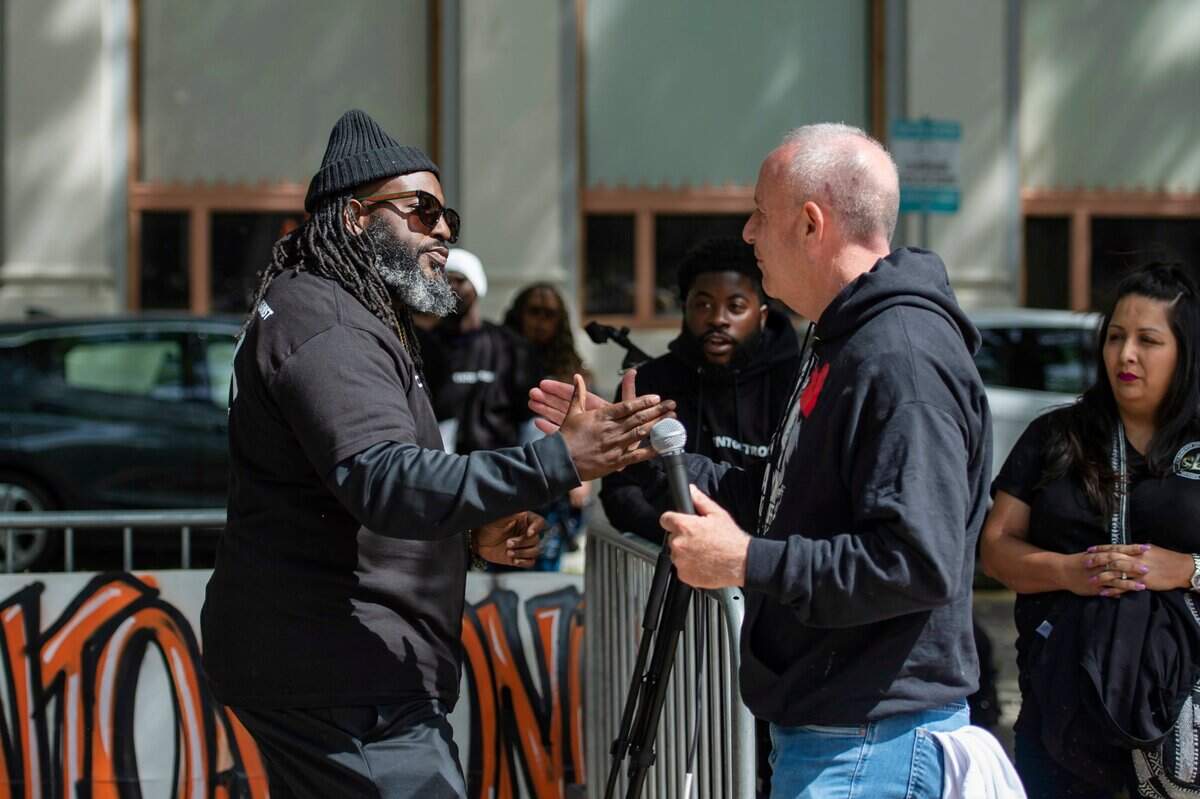
This story was originally published April 15, 2022 at 5:00 AM.