
Sacramento State’s Full Circle Project + UC should stop using the SAT: Your AAPI newsletter
If you value coverage of California’s Asian American and Pacific Islander community, please spread the word about our newsletter and send to a friend. Sign up here to receive this newsletter each week.
It is Wednesday, Nov. 13, and this is The Sacramento Bee’s AAPI weekly newsletter brought to you by yours truly.
Here’s a recap on the stories I recently covered and issues I’m following:
In its ninth year, the Full Circle Project at Sacramento State University is a two-semester program that has assisted hundreds of students with academic support and leadership opportunities. The framework was designed to prepare students to be successful in college, as Sacramento State sees one of the lowest graduation rates for Asian and Pacific Islander students compared to other California State University campuses.
Paha Xiong recalled being reluctant to join the program at first, despite her older brother’s recommendation. She didn’t want to be pitied or to ask for help, as she would be associated with being low-income if she joined the program.
“But I needed help,” she said. “You have to accept yourself and get help, and there are always someone wanting to help. There’s no need to be ashamed of who you are.”
Read the story of how Young, Paha and Tommy Xiong navigated their university life.
In other news, Hiroshi Kashiwagi, known as the “Poet Laureate of Tule Lake,” passed away on Oct. 29, the Nichi Bei reports. Born in a boarding house in Sacramento in 1922, Kashiwagi was incarcerated in the Tule Lake concentration camp in California with his mother and siblings. He joined a theater group there and began to act and write in the camp before refusing to sign the compulsory leave clearance application form, known as the “loyalty questionnaire” and almost got deported to Japan. He was one of the founders of the Tule Lake Pilgrimage, an intergenerational educational trip to the former Tule Lake concentration camp. He also wrote poems, plays and essays about his experiences in the camps. Read his story here.
Read this opinion article on the L.A. Times on why it’s time for University of California to stop using the SAT, authored by Janelle Wong, professor of American studies at the University of Maryland. A group of civil rights advocates has threatened to sue the UC system if it does not eliminate the SAT and ACT in admissions requirements.
Gayle Romasanta, author of a children’s book tracing the little known story of Larry Itliong, talked to The New York Times about the labor organizer who was instrumental in helping 2,000 Filipino grape workers in the Central Valley town of Delano to organize a strike that led to the establishment of United Farm Workers union. Romasanta delved a bit into the reasons why Itliong’s legacy was less renowned as compared with famed Chicano labor leader Cesar Chavez, the face of the first farmworker unions in the country.
This NBC article talks about the fetishization of Asian women, cultural stigma and the model-minority myth in how race plays a role in Rowena Chiu’s Weinstein allegation.
Hmong sisters Xee and Pachia Vang honor parents’ farming legacy by making floral candles out of the unsold flower bouquets at their family’s farm in St Paul, Minnesota, MPR News reports. “A lot more second generation Hmong Americans are craving ways to reconnect to culture,” said Oskar Ly, one of the founders of the ArtCrop program. “Art and food really is a way to do that.” It’s also a way to share Hmong culture with people who are not Hmong, she said.
“Farming is not just labor work. It’s a creation,” Xee said. “I hope we’re able to express that in a way that people can actually see that.”
The Japanese American National Museum in L.A. is running an exhibition that features the U.S. atomic bombings of Hiroshima and Nagsaka since Saturday, Kyodo News reports.
“Our biggest issue is how to convey the extent of the damage to the next generation, as atomic bomb survivors are getting old and passing away,” said Takuo Takigawa, director of the Hiroshima museum.
For things to do in Sacramento, mark your calendar for the upcoming Hmong New Year celebration at Cal Expo from Nov. 28 to Dec. 1 for the Sacramento community to preserve the culture and tradition.
Finally: What do you want to read about on Sacramento or California’s AAPI population or newsletter? What are you curious about? What topics do you want to see more coverage of? Do you have any questions that have been on your mind?
Send them to me, Theodora Yu, at tyu@sacbee.com. That’s what I am here for.
That’s it for this week’s newsletter. Thank you for reading!
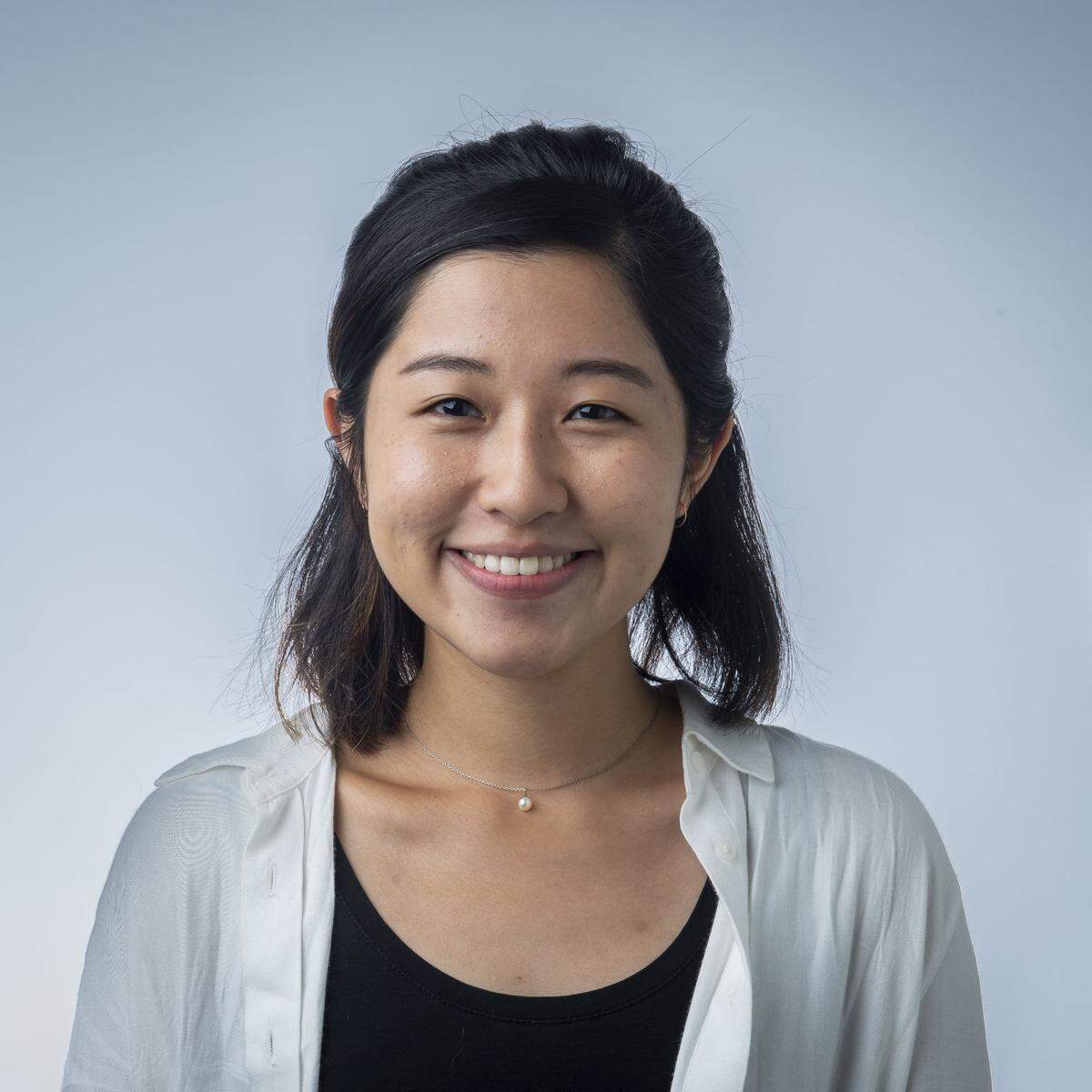
Theodora Yu covers Asian American and Pacific Islander communities in California for The Sacramento Bee. She is a member of Report for America’s 2019 corps of journalists.