
Why are there so few rabbits in urban Sacramento?
This story is part of our “Beyond Sacramento” series. This story was originally published on Nov. 26, 2019.
• • •
This question by Kelly Kaufmann won our last voting round: Why are there so few rabbits in Sacramento? Even in urban Sacramento, there should be many more like many other major cities, from Denver to Minneapolis to Chicago to St Louis.
In the yard of Kelly Kaufmann’s Carmichael home, she sees all kinds of animals: coyote, turkey, deer, squirrels — but no rabbits.
That seemed unusual to Kaufmann. Before moving to Sacramento two years ago, the sight of long ears and fluffy tails hopping around suburban gardens and grassy urban parks had been commonplace. In St. Louis, when rabbits were living in a burrow under her yard, she would put a laundry basket over the nest to avoid mowing it down.
“People don’t even seem fazed that they’re not around here,” Kaufmann said. “It just confuses them.”
It’s true that rabbits roam many urban American cities — The Denver Post has reported “bunny rabbit plagues” hitting Colorado gardens in the past, and a Chicago Reader article called urban rabbits the “unofficial mascot of Chicago.”
“Drawn by the elevated heat level of the city, rabbits began spreading from parks into grassy areas like expressway ramps, and even made their way into the Loop,” wrote J.R. Jones. “They eat any kind of vegetation, laying waste to people’s gardens. When there’s no greenery available, they’ll chew the bark off a tree trunk.”
So where are all the pesky bunnies in the Sacramento region?
“We do actually have a lot of rabbits,” said Peter Tira, a spokesman with the California Department of Fish and Wildlife.
Where are the rabbits living?
Specifically, the region is teeming with desert cottontails and black-tailed jackrabbits — living along the American River trail, foraging around the outskirts of the Sacramento McClellan Airport or hiding in Natomas’ grassy lots.
“If you got out of your car and parked and walked across a vacant field, no doubt you’d flush out a jackrabbit,” Tira said. “I guarantee they’re there. That’s what keeps the hawks and coyotes fed.”
Tira said one reason for the lack of rabbit sightings in the capital region is the fact that large swaths of natural bunny-friendly habitats are often just a few miles, and at times a few steps, away from urban tracts.
Terri Muzik, a volunteer with Wildlife Care Association, a local rescue and rehabilitation nonprofit, agrees.
“There’s no reason for them to be in a neighborhood when they can be protected in those open spaces,” she said. “I think it’s just their instinct as a wild animal to stay safe and stay away from highly populated areas.”
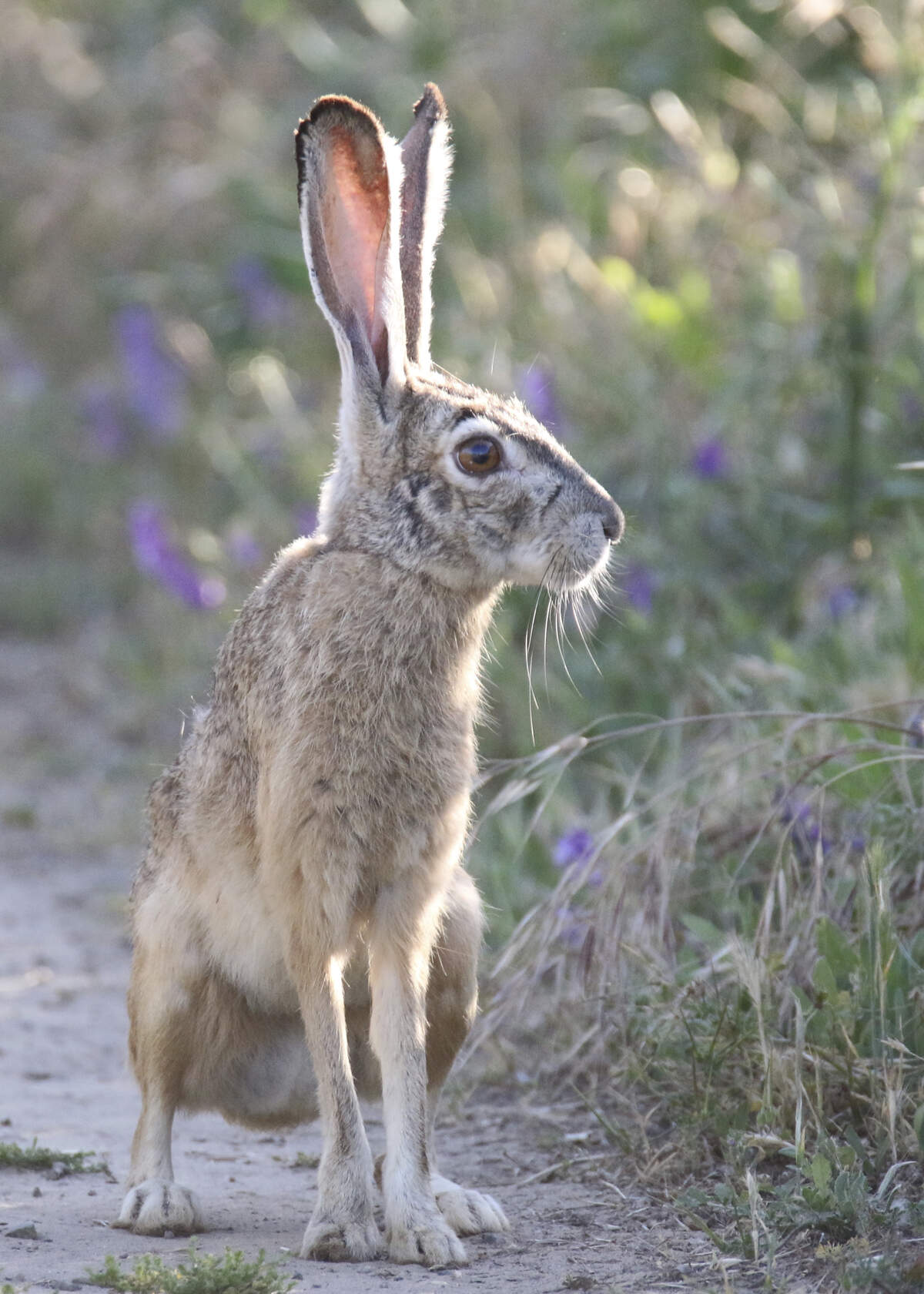
And perhaps important to note, the cottontails cropping up in urban cities in the Midwest and east are different than the ones living here — eastern cottontails tend to prefer dense grassy patches near open fields, meadows, orchards and thickets. Our local desert cottontails prefer dry desert-like grasslands, shrubs and sagebrush.
One place that checks off some of those boxes in Carmichael is Ancil Hoffman Park on the American River Parkway. Along one trail, there’s an area so packed with the furry creatures naturalists at the nearby Effie Yeaw Nature Center like to call it “jackrabbit highway,” said volunteer coordinator Rachael Cowan.
“This is the best space for them because there’s enough food to support to population and there’s enough coverage, and there’s also not things like cars,” Cowan said.
“If you spend enough time, and you’re able to manage a quiet sit spot, you’d be surprised of how many animals come out and continue work as usual.”
This story was originally published December 8, 2019 at 5:00 AM.