
Sacramento Hmong women discuss clan system + Netflix series divides viewers: Your AAPI newsletter
It is Thursday, July 23, and this is The Sacramento Bee’s AAPI weekly newsletter.
Here’s a recap of the stories I’ve recently covered and issues I’m following:
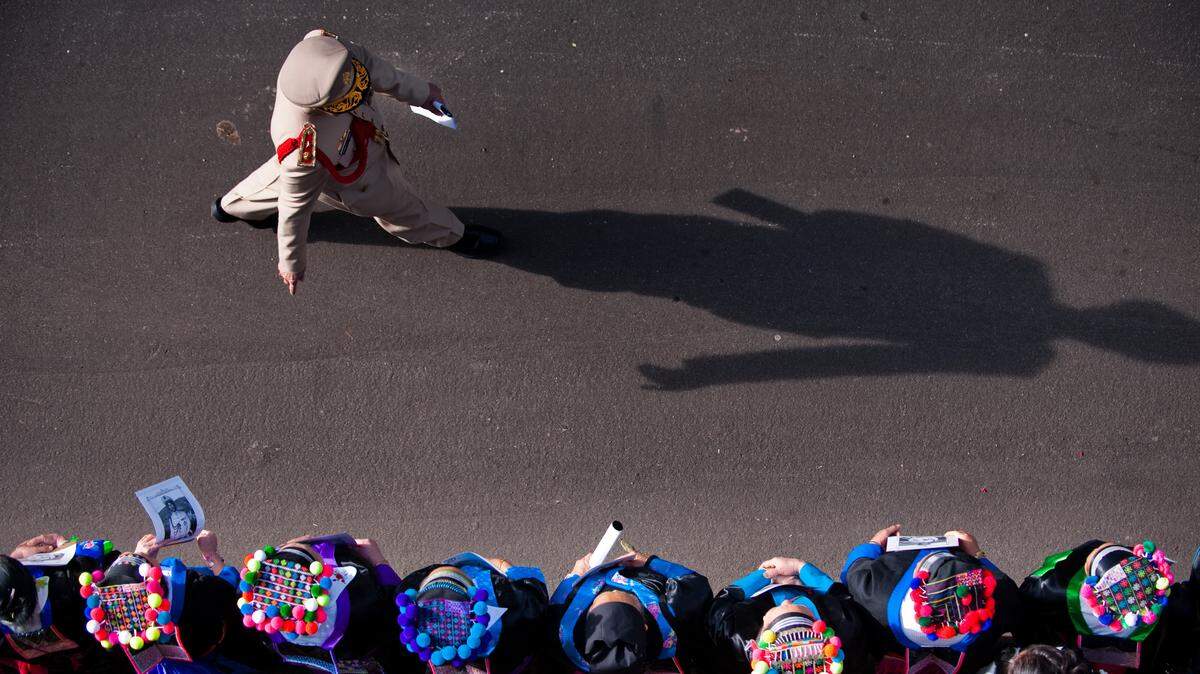
Several Hmong women spoke with The Bee about how they’ve been affected by patriarchal systems in the Hmong community. In theory, several Hmong Americans said, the clan system is meant to be a neutral tool that can be used for conflict resolution and passing on Hmong traditions. But several Hmong women said that, in practice, the clan system can silence female voices by restricting clan leadership to older men only.
“It’s led by men, it’s in favor of men, and to this day, it still is,” said Yia Vue, a Central Valley-based Hmong American writer.
Elk Grove Mayor Steve Ly compared the clan system to a “Native American peace circle” after he was accused of attempting to use the clan system to silence online criticism against him. Hmong women disagreed, citing their experiences large and small with sexism and misogyny within the Hmong community as evidence of a noticeable difference between the way Hmong men and women are treated.
For example, when Vue’s family tried to address cases of domestic abuse through the clans, she said, all the mediators were men. Besides the victim, only one other woman was present.
“How is that fair at all? You really have no advocacy,” Vue said.
However, these issues are not unique to the Hmong community, several stressed, and Hmong culture itself is not the root cause. Sexism and toxic masculinity exists across America, and patriarchal structures such as those found in the Hmong community are often amplified and upheld by American social structures, Hmong Americans said.
In other news
Elk Grove Mayor Steve Ly seeks third term in November, facing two challengers so far [The Sacramento Bee]
Racist neighbors pushed this South Asian woman out of her home. Now Berkeley is poised to name a street after her [Berkeleyside]
- Coronavirus backlash triggers wave of progressive activism from Asian Americans in Orange County [The Orange County Register]
- ‘I was naive to think this couldn’t touch my family’: Pacific Islanders hit hard by the coronavirus [Los Angeles Times]
Little noticed, Filipino Americans are dying of COVID-19 at an alarming rate [Los Angeles Times]
- Overcoming the guilt of pursuing ballet as a Korean American [Dance Magazine]
- The Japanese-American sculptor who, despite persecution, made her mark [The New York Times]
- Anti-Asian harassment is surging. Can ads and hashtags help? [The New York Times]
How Vietnamese Americans rallied behind nail salons during the California shutdown [POLITICO]
Listen: Culture wars and the untold story of Lyndie B. Hawkins [NPR]
- 250 Asian American and Pacific Islander elected officials, leaders announce Biden endorsement [NBC News]
- ‘Bulge Bracket’ brings Wall Street’s Asian-American faces to TV [Bloomberg News]
- Asian Americans, long used as a racial wedge, are confronting anti-Black racism in their own communities [The Boston Globe]
Why I’m moving to the country my parents fled decades ago [Conde Nast Traveler]
This week in AAPI pop culture
A new reality show called “Indian Matchmaking” debuted on Netflix last Thursday, which follows Mumbai-based professional matchmaker Sima Taparia as she attempts to arrange marriages for clients all over the world. While the show drew immediate buzz, it’s also divided viewers, especially those in the South Asian community.
Critics have accused the show of depicting South Asian culture and arranged marriages through a whitewashed lens. Others have called the show “classist” and “caste-ist,” saying the show perpetuates colorist beauty standards through clients’ repeated emphasis on finding “fair and lovely” partners.
“wow Indian matchmaking is really a cesspool of casteism, colourism, sexism, classism and what is this matching kundlis and all. are we in the 21st century??” wrote one person on Twitter.
“The show also depicts people who unthinkingly normalize some of the most pernicious biases that plague South Asian communities,” wrote Mili Mitra of The Washington Post. “At no point does it make any effort to interrogate or dive deeper into these attitudes.”
Show creator Smitri Mundhra said she wanted the show to highlight the “marriage industrial complex” and get more South Asian families to assess their own biases and generational conflicts.
“My hope is that it will spark a lot of conversations that all of us need to be having in the South Asian community with our families — that it’ll be a jumping off point for reflections about the things that we prioritize, and the things that we internalize,” Mundhra told Decider.
Got a story suggestion? Please reach out to me at awong@sacbee.com.
That’s it for this week’s newsletter. Thanks for reading! Fun things to do this weekend include going to the zoo and getting a COVID-19 test, if you haven’t already.
Please spread the word about our newsletter and send to a friend. Sign up here to receive this newsletter each week.
This story was originally published July 23, 2020 at 11:39 AM.