
Here’s why your Sacramento tap water might taste and smell funky this summer
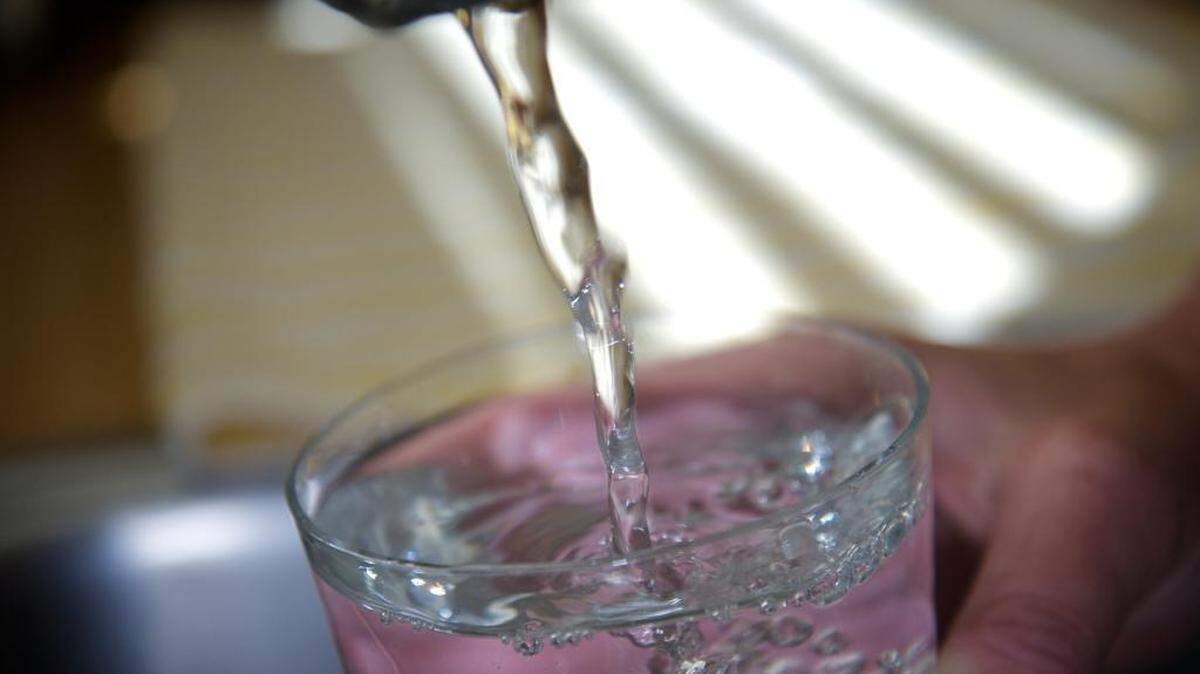
After spending the day outside in the sun, you run the kitchen faucet to rehydrate, only to find the water to have a questionable taste and odor.
This is normal, if your water runs from the city of Sacramento’s service line.
It’s common for the drinking water — essentially any water that comes from the sink, hose or faucet — to have an “earthy or musty taste and odor” during the summer, according to the city’s website. And it’s not harmful.
Carlos Eliason, media and communications specialist at the city’s Department of Utilities, said that reports of the water tasting and smelling unusually typically come in around August through October.
However, calls about the odorous water were reported in June last year.
“We have not actually received that many complaints about it as yet,” Eliason said.
What causes the water to smell and taste different?
Essentially, dry conditions concoct the earthy taste and odor in the drinking water.
Eliason said that the latter part of the summer is the time of year when the region gets the least amount of water and its the period that’s furthest from the last rain, usually from the springtime. With less water and higher temperatures, naturally-occurring compounds become more present in the reservoir.
“Geosmin and Methyl-Isoborneol (MIB) are naturally occurring compounds that are responsible for this strong earthy taste,” according to the city’s website.
Sacramento’s water treatment process neutralizes the bacteria that spawns the compounds, but it does not remove them. And while it might taste and smell unpleasant, the city said it’s not toxic.
Will the water taste weird this year?
Eliason said it doesn’t necessarily happen every summer, but it usually does occur in later in the season.
The city gets most of its drinking water from the Sacramento and American Rivers. He said, as of right now, the American River system — the Folsom Reservoir up to the Sierra Nevada mountains — is in “relatively good shape, especially considering the time of year we’re at.”
He said its “probably likely” the difference will appear later in the year, unlike in 2021, which utility staff attribute the early occurrence to lower levels of water.
Does your water taste more like chlorine?
If your water from the city isn’t earthy or musty, but more like chlorine, that’s common, too.
The water treatment process includes using chlorine to offset bacteria and parasites, according to the city. The levels of chlorine are monitored everyday of the year, but depending on the temperature, where you got the water and personal taste, you might notice it more.
“Chlorine taste and odor can be reduced by filling a pitcher with water as the chlorine will dissipate once the water comes out of your tap,” the city advised. “You can also put the pitcher in the refrigerator since chlorine taste and odor is less pronounced in chilled water.”
What can customers do?
The odors and taste might not affect everyone.
“Some people can taste it and don’t mind it. Some people can taste it and do mind it. And then others still don’t taste it at all,” Eliason said.
The city recommends that you chill your water or add a lemon to lessen the musty taste. If you’re experiencing this or want to learn more about the city’s water quality, you can call 311.
What is the city doing about it?
According to the city’s news release from June 2021, the utility department anticipates upgrades and expansions to its treatment facilities that will remove the particles that cause the smell and taste.
Eliason said construction is expected to start in 2024 to improve the process via “ozone treatment,” a water disinfectant method.
How safe is Sacramento’s water quality?
The water quality meets federal and state drinking water requirements. But contaminants have been found in the city of Sacramento main service line, according to the Environmental Working Group’s Tap Water Database.
In a 2021 update, the EWG found 29 total contaminants of some level in the water that exceed the group’s health guideline, including 2.8 parts per billion of arsenic, 7.29 ppb of chloroform and 68.5 ppb of total trihalomethanes — cancer-causing pollutants that arise from chlorine and disinfectant water treatments.
The legal limit for arsenic is 10 ppb and 80 ppb for total trihalomethanes. There is no legal limit for chloroform.
EWG guidelines for arsenic is 0.004 ppb or less, chloroform 0.4 ppb or less, and total trihalomethanes 0.15 ppb or less.
You can learn more about Sacramento’s tap water or assess your local water service by searching your ZIP code.
The database is updated every two years. The recent update from fall 2021 uses data from 2018-2019.
This story was originally published June 17, 2022 at 5:00 AM.