
Did Elk Grove police cause Daniel Landeros’ death, or was it the methamphetamine?
After a week of conflicting claims about what caused Daniel Landeros’ death while he was in Elk Grove police custody, a jury in Sacramento federal court is being asked whether to reward his family millions of dollars in damages or conclude officers acted reasonably.
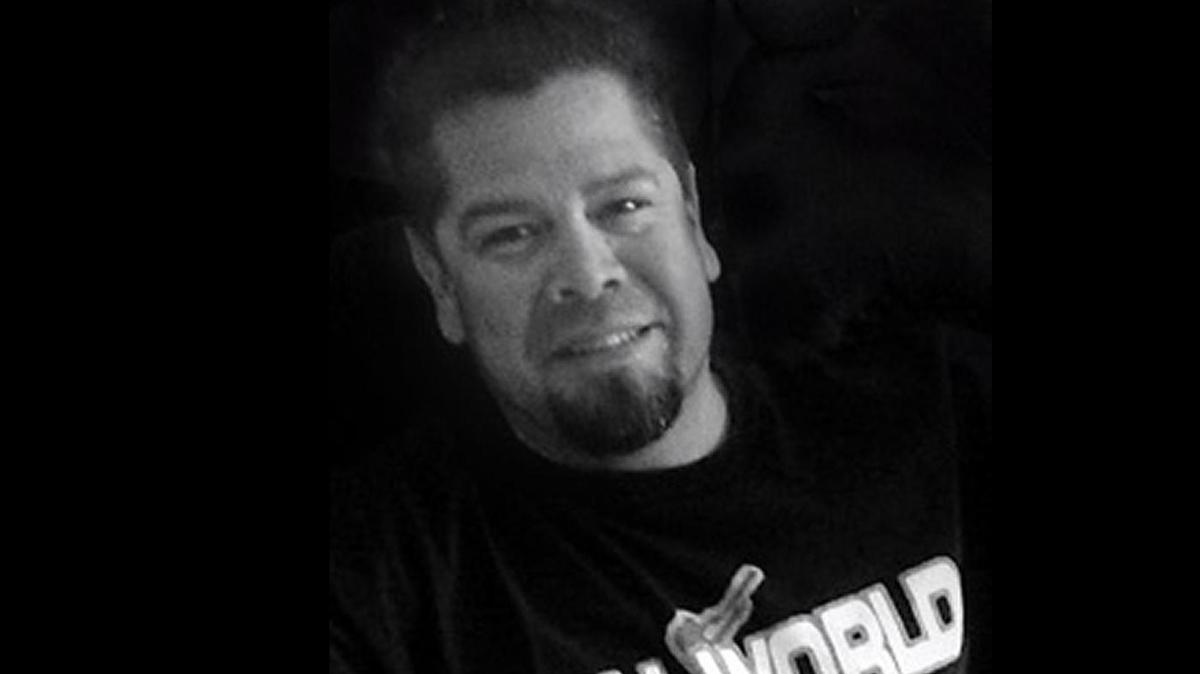
Landeros, a 41-year-old tile layer and father of five, was the first person to die in Elk Grove police custody since the department was founded in 2006, and lawyers in a lawsuit over his Nov. 30, 2016, death have been sparring in court for a week over whether police used unreasonable and excessive force when he was handcuffed face down after fleeing a traffic collision.
“I’m not standing before you saying Daniel Landeros was perfect and he didn’t make any mistakes,” Landeros attorney Dale Galipo told jurors Wednesday morning in closing arguments. “What I’m saying is he didn’t deserve to be treated the way he was and die.
“He needed help. He needed medical attention and he needed someone to help him,” Galipo said.
Galipo contends Landeros died because officers handcuffed him face down, then placed hundreds of pounds of weight on his back while struggling to subdue him, leading to Landeros being unable to breathe and dying.
“I can’t breathe,” Landeros can be heard saying on an officer’s body camera at one point as four officers are holding him down, Galipo noted, playing the recording for jurors.
Elk Grove attorney Bruce Praet disputes the claim, saying Landeros had a toxic level of methemphetamine in his body the night he died, had a history of heart trouble and died from cardiac arrest.
“What caused Daniel Landeros’ death?” Praet asked jurors. “Really simple answer, one word: methamphetamine.”
Testimony has shown Landeros spent the day at his Elk Grove home watching television on the couch before declaring he wanted to go out and buy a six-pack of beer.
Landeros did not have a valid driver’s license and his wife, Jennifer, ultimately decided to go with him in his truck not knowing he had taken a level of methamphetamine that one expert testified could be fatal.
Landeros began driving and behaving erratically, passing by the liquor store and running a red light before his wife convinced him to stop and let her get out of the vehicle.
The two first met when she was a third grader and he was a year ahead of her, Jennifer Landeros said in emotional testimony Tuesday. As she left the truck he reached out to her and said, “Don’t go.”
“And that was the last time I saw him,” she said.
After she left the truck, she called her oldest daughter and the family children came to pick her up.
Landeros continued driving, eventually hitting 60 mph going the wrong way on Elk Grove Boulevard before colliding with oncoming traffic, according to testimony.
Landeros had a gash in his forehead and was walking away from the crash when police arrived and ordered him to stop. Landeros yelled at them, claiming they were “fake” and turned toward them with a clenched fist, testimony showed.
An officer fired a Taser and Landeros went down. Officers handcuffed his wrists behind his back and placed him face down while struggling to subdue him, but within five minutes he turned blue and died despite efforts to revive him.
Galipo, who represents the family along with Sacramento attorney Stewart Katz, has argued that officers acted unreasonably and with excessive force and caused his death by placing their weight on him as he was face down.
“We have to do better than this,” Galipo said. “This isn’t some armed person who just robbed someone.
“This is a citizen who needs help, who has a family.”
‘He always told me he loved me’
On Tuesday, the last day of testimony before Senior U.S. District Judge William B. Shubb, Galipo called Landeros’ five children, who range in age now from 11 to 23, to recall how much he loved them and how much they have missed out on in the nearly six years since his death.
“He always told me he loved me, every day” his oldest daughter, 23-year-old Deja Landeros, testified through tears. “He made me feel beautiful.
“He always encouraged me in school. He didn’t want me to work on my hands and knees like he did.”
Galipo showed the jury family photos from trips to Disneyland, Little League shots and a Thanksgiving Day family portrait taken in a park five days before Landeros died.
Jennifer Landeros recounted how Elk Grove police initially told her that her husband had died in a traffic accident.
“They came to my house and they started asking me questions,” she said. “And i said, ‘Where is my husband?’”
“Oh, you know about the accident, right?’ she recalled them saying.
Elk Grove points to man’s meth use
Galipo on Wednesday suggested to jurors that they could award the family $1 million for Landeros’ pain and suffering before he died and another $4 million for his wrongful death, as well additional compensation for all six surviving members of the family.
“When you get down to damages, I’ll totally leave it up to you,” Galipo told jurors. “What you think is fair.”
“They lost their father forever,” he added. “Jennifer lost the love of her life forever.”
Praet had another figure in mind: “Not one penny, much less millions to reward this self-induced unlawful activity,” he told the jurors.
“This case is not about sympathy,” he said. “Nobody blames Jennifer and the kids in this case.
“They all seem like nice people. But that doesn’t mean you award them damages.”
Praet said the emergency room doctor who first saw Landeros and the autopsy both concluded Landeros died from cardiac arrest. He argued that Landeros, who had an enlarged heart, likely would have died that night even if police had never confronted him.
“If he had just run another 50 yards, likely he would have died anyway,” Praet argued. “Daniel Landeros was going to have a heart attack that night.
“Take the methamphetamine out, Daniel Landeros doesn’t die.”
This story was originally published August 3, 2022 at 3:12 PM.