
Is Sacramento air as fresh as it seems after rain? What it does to allergies and pollution
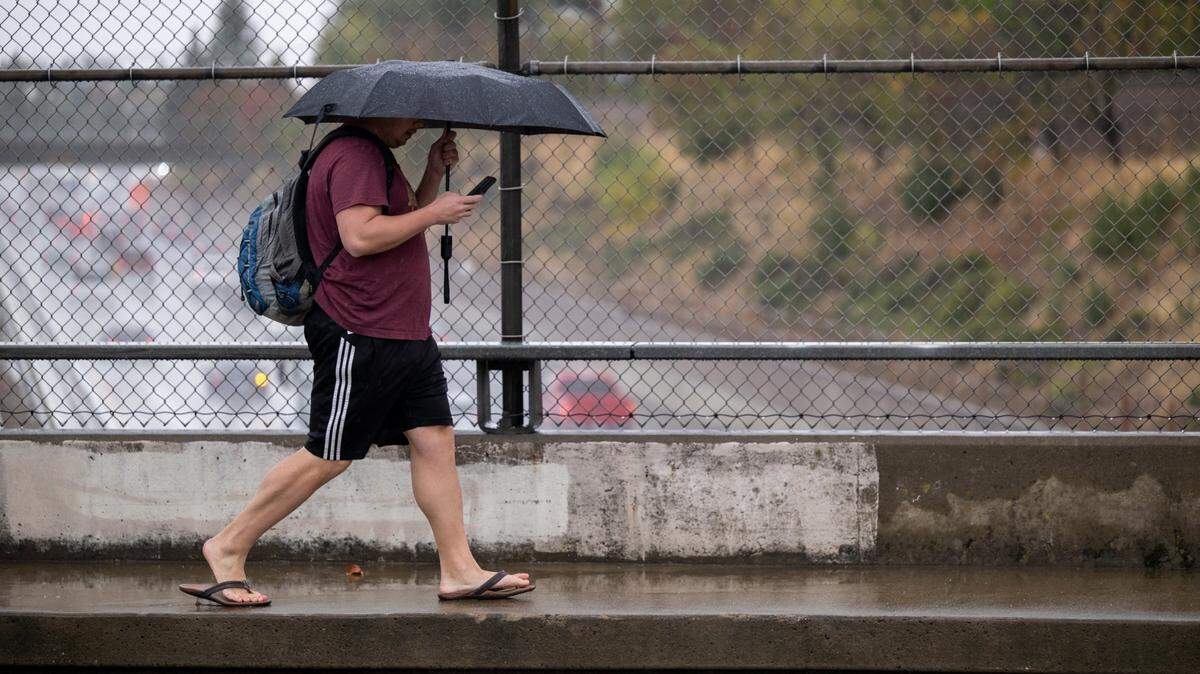
Wet weather is finally in Sacramento’s forecast, and if you step outside, you’ll likely catch a whiff of brisk, cold air. But is it as fresh as it seems?
Typically, in warmer weather, air pollutants thrive. Reactions that create ozone in the atmosphere, according to the Center for Science Education, depend on sunlight.
That said, rainy and gloomy weather has a different effect on the air.
Rain and air quality
Rainy days do have a positive effect on air quality, for the most part.
“Rain typically results in less pollution since it washes away particulate matter and can also wash out pollutants that are dissolvable,” the National Weather Service stated on its website.
The Massachusetts Institute of Technology conducted a study in 2015 to see how effectively rain can clean the atmosphere, given factors such as raindrop size and amount of small particles in the air.
When rain falls, the university stated, it attracts “tens to hundreds” of small air particles before hitting the ground. This process helps eliminate pollutants, such as soot and sulfates, from the air. From the study, researchers at MIT found that smaller rain droplets were more likely to attract particles, especially in low relative humidity conditions.
But that doesn’t mean there’s no air pollution during rainy days.
“... particulate matter and carbon monoxide pollutants from wood burning increase during the cold winter months,” the Center for Science Education states. “Idling cars to defrost or keep them warm increases the amount of air pollution as well.”
Precipitation also lowers the risk of wildfires, as long as it’s not accompanied by lightning. During peak California fire season, particulate matter is of high concern for local air quality.
As of Wednesday, the Sacramento area has an air quality index around 20 to 30 for both ozone and PM2.5, which is good.
Allergies are here to stay
Allergies are oftentimes associated with blooming flowers from the spring and pollen from windy trees in the fall. Yet they still come about even in colder, wetter weather.
While light rains can wash away pollen, the Asthma and Allergy Foundation of America states that it can cause allergies for people that are allergic to grass, weed, dust and mold.
“When it rains when grass and weed pollen is high, drops can hit the ground and break up clumps of pollen into smaller particles,” the foundation wrote. “They then quickly disperse, causing a sudden increase in allergy and allergic asthma symptoms during the rain shower.”
This happens more often in heavy downpours.
When there’s rain and humidity, mold and dust mites thrive. So it’s best to remove fallen leaves and lower indoor humidity, the foundation advised.
This story was originally published November 2, 2022 at 12:03 PM.