Exclusive: A Sacramento nonprofit pulled in millions to house the homeless. Did it lose its way?
Eight months pregnant, Jessica Gilbert sleeps outdoors, her baby swing at her side. All her belongings are soaked from a recent rainstorm. In November, her car was towed and her tent was stolen. She can’t find her kitten.
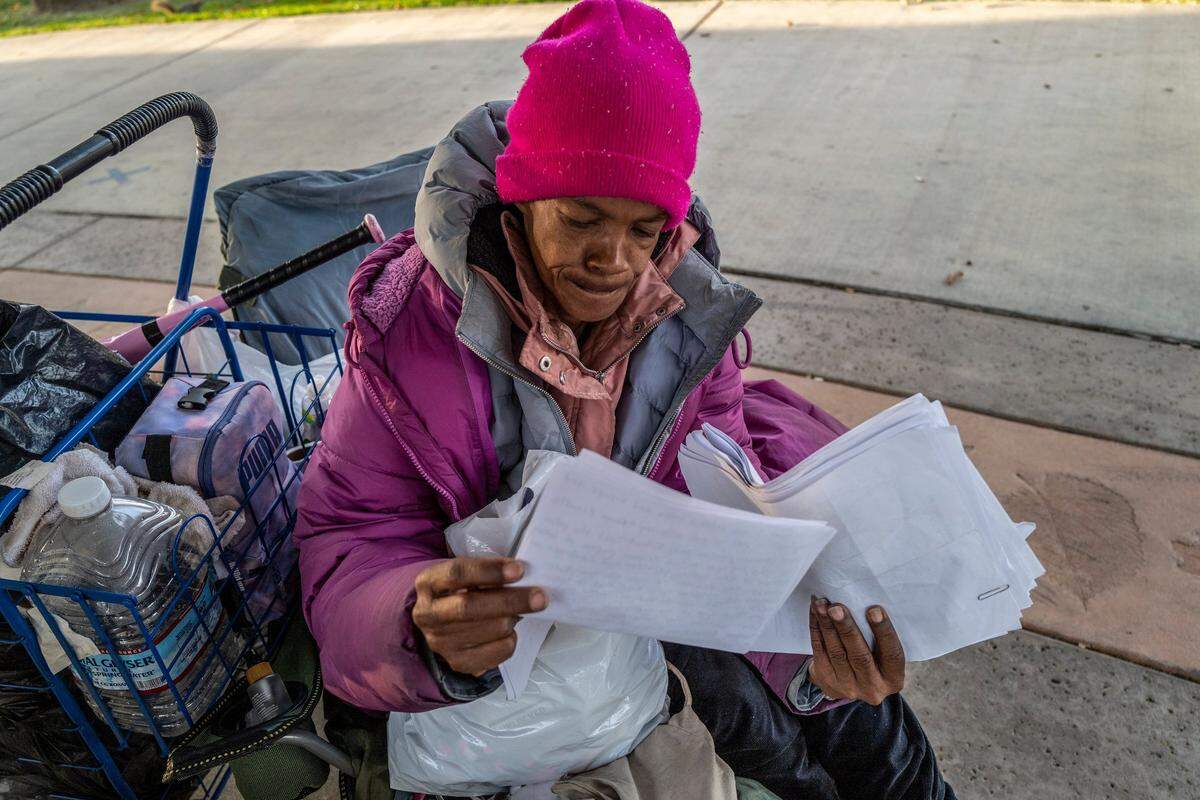
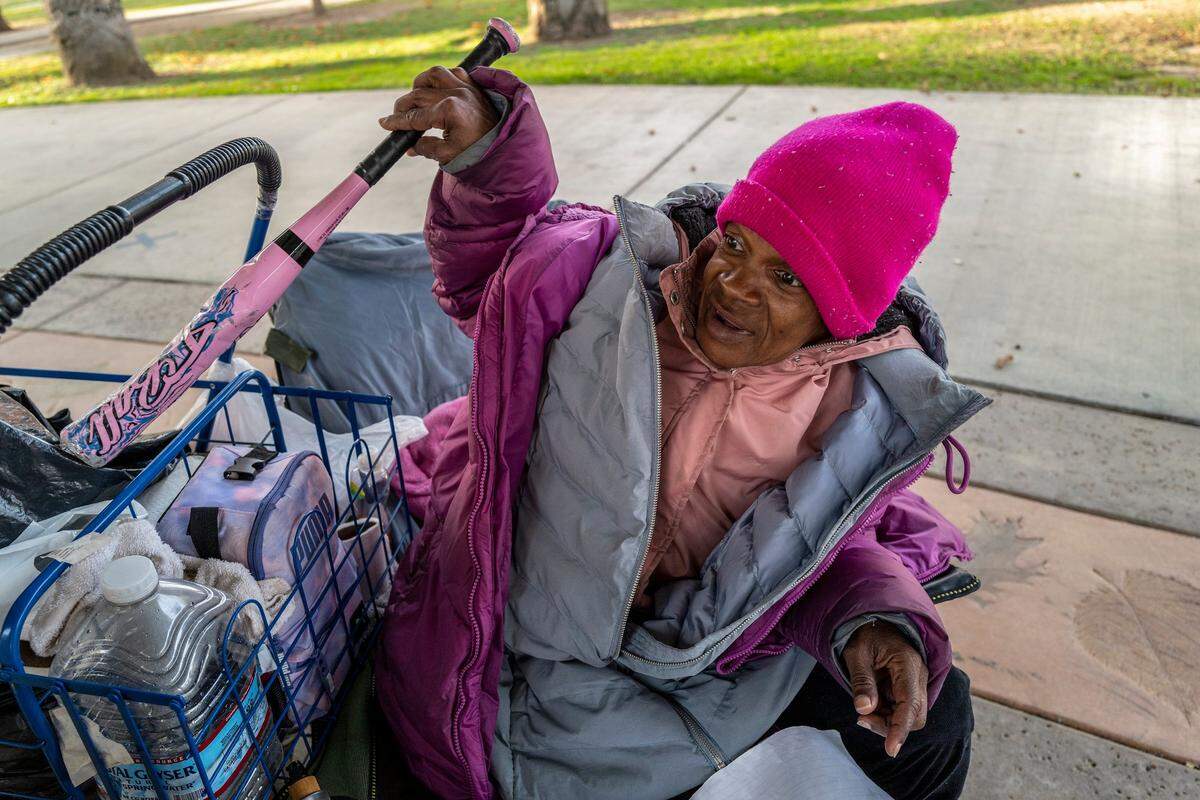
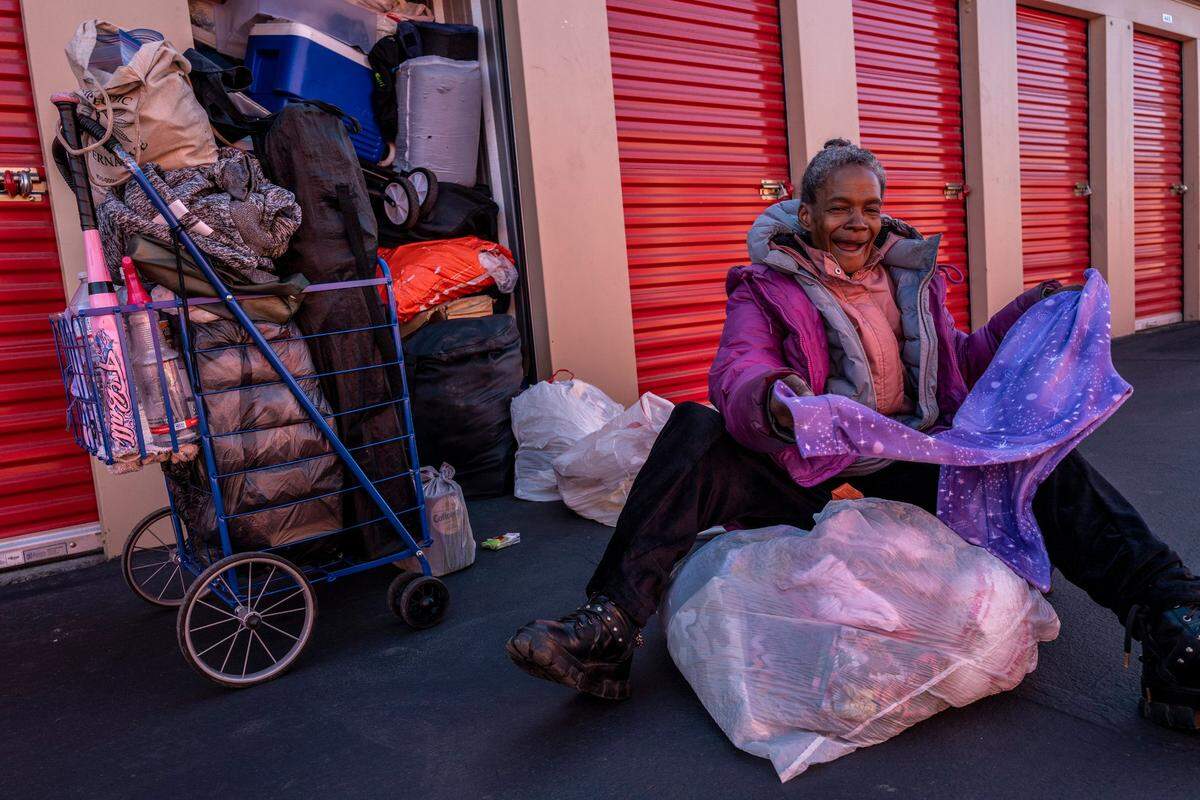
In Oak Park, Sharon Pendarvis, 58, with neuropathic pain, sleeps in a lawn chair at the entrance to McClatchy Park, a pink metal T-ball bat by her side. Some nights the cold prevents her from leaving the warmth of her three blankets to walk to the restroom, so she pees in a water jug.
In south Sacramento, Paula Riboni, 54, sleeps on a mattress on the floor of a friend’s house, where she’s been for three years. There is no heat. Her back and legs have been hurting for months.
All three unhoused women thought their days on the streets were finally over when they scored rooms in houses from Sacramento Self-Help Housing, a nonprofit property manager that plays an outsized role in the city’s and county’s efforts to house the homeless.
Instead, the three women lost their housing for different reasons: two over alleged rule violations, and one over a funding setback at the nonprofit organization. They haven’t found a way back into housing.
Their stories illustrate a hole in Sacramento’s safety net for homeless or nearly homeless people. Sacramento Self-Help Housing is one of just a handful of organizations in the city that places people directly from the streets into a house or apartment, and people have few other places to look for assistance when a placement with the nonprofit fails.
Its services are critical in Sacramento County, where studio apartments go for at least $1,100 a month, more than 54,000 people are on waiting lists for housing vouchers and all 2,300 city and county shelter beds are full on any given night. SSHH serves as a middleman, linking someone in need with a willing landlord.
“Right now housing is so challenging to provide and this is certainly a less expensive way per person to provide housing with, I think, the socialization benefits of the community it forms there,” SSHH founder John Foley said in a video interview in 2017, as Sacramento’s surge in rents was starting to escalate.
But when SSHH kicks people out, they are again homeless. In some cases, they’re worse off than before because they have eviction on their records.
“I’m big and pregnant, about to have a baby in a tent, it’s raining, this freakin’ tent is like flooded in here as you can see,” Gilbert, holding back tears, said in a video message early December, days after SSHH evicted her out of a North Highlands group home. “Nobody deserves to have to live like this”
SSHH, founded in 1990, started placing homeless people in housing in 2000. It grew out of a counseling service at the Loaves and Fishes nonprofit in downtown Sacramento. It’s well-regarded by Sacramento leaders, including Sacramento Mayor Darrell Steinberg, who, at an April City Council meeting, praised Foley as a “hero.”
SSHH has 418 people in permanent housing at any given time, and it moves about 400 people through temporary housing each year, said Cynthia Lawrence, an attorney representing the organization.
The nonprofit’s annual revenue has surged alongside Sacramento County’s homeless population, growing from $2 million in 2015 to $14.5 million in 2020. Most of the money comes from gifts, grants and contributions, according to its 2019 tax return, the most recent available.
Part of the growth stems from Sacramento County dramatically expanding its work with the nonprofit. The county now funds 145 SSHH beds, up from 75 in 2018, Foley said in an email to The Bee.
Few details are available to the public about its revenue and expenses. SSHH has not submitted an annual audit — its only apparent form of oversight — to the county since 2018. It has received about $36 million in contracts from the city and county since 2017.
The nonprofit has evicted at least 23 people over the past five years. That number includes only those resulting from SSHH filing an unlawful detainer in Sacramento Superior Court, prompting deputies to change the locks. The actual number of people pushed out of SSHH could be much higher, as most tenants leave long before the courts get involved, experts say.
The nonprofit is facing a lawsuit from Gilbert, who is due this month. It recently settled one from another tenant who lived with a severe rat infestation.
Foley had served as the nonprofit’s executive director throughout its recent period of rapid growth. On Jan. 13, after receiving questions from The Bee for this story, SSHH announced Foley was no longer with the organization. It named Robert Spurlock as interim executive director and Ethan Evans as board chairman.
SSHH leaders declined to say whether Foley quit or was terminated.
Evans commended the mission of the organization Foley created, but pledged a fresh look at its practices.
“We want to continue the legacy John Foley started at SSHH, which is housing homeless people in Sacramento,” said Evans, a sociology professor at Sacramento State. “We need to look internally to make sure that we’re doing the things as an organization to be a success. And we need to work with our partners, including city and county leaders, to make sure we’re working productively together.”
Spending too much time in the bathroom
SSHH’s exit notice said it evicted Gilbert from temporary housing for violating house rules — leaving the back door unlocked, letting her cat out without a leash, and spending too much time in the bathroom.
Because the house was considered “temporary shelter” by SSHH, state and local eviction protections, intended to prevent homelessness, did not apply.
SSHH defended its decision to remove Gilbert, and has not placed her back in housing, despite an ongoing lawsuit in claiming pregnancy discrimination, filed in federal court by the Sacramento Homeless Union on her behalf.
“SSHH maintains the confidentiality of its participants and thus will not publicize private details to refute allegations of prior participants,” Lawrence, the attorney for the nonprofit, wrote in a statement. “However, as a general principle, the safety of all SSHH participants and staff is of utmost importance and therefore, SSHH cannot accommodate individuals who place others at risk and do not follow the rules.”
Gilbert deeply wanted SSHH to move her from the temporary housing into permanent housing before her baby arrives this month, she said, but instead she is back on the streets, fearing her child will be taken by Child Protective Services, as her son was in 2021.
After Gilbert lost her housing, her life quickly went downhill.
The Homeless Union paid for a hotel for several nights, but once funding ran out, Gilbert and her boyfriend moved into a tent on the side of a busy road in Rancho Cordova.
Federal Senior Judge Morrison C. England on Nov. 30 denied the Homeless Union’s petition for injunctive relief that would have required SSHH to put Gilbert back into housing or pay for a hotel.
“The bottom line is she had certain rules to follow and she didn’t follow them,” England said during the hearing. “That’s the end of discussion.”
Gilbert had belongings in a vehicle, including blankets. On Dec. 1 it was towed from a Carl’s Jr. parking lot.
“I’m really stressed out and struggling right now,” Gilbert wrote in a text message to The Bee Dec. 1 during a rain storm. “We have no blankets or anything. Carl’s Jr towed it while we were asleep and all of our stuff inside the tent is completely wet ... I don’t know what to do.”
On Dec. 5, someone stole her tent — her only remaining shelter from the rain and wind.
“They threw my baby swing outside and left that a box that’s all,” Gilbert wrote. “They took everything else.”
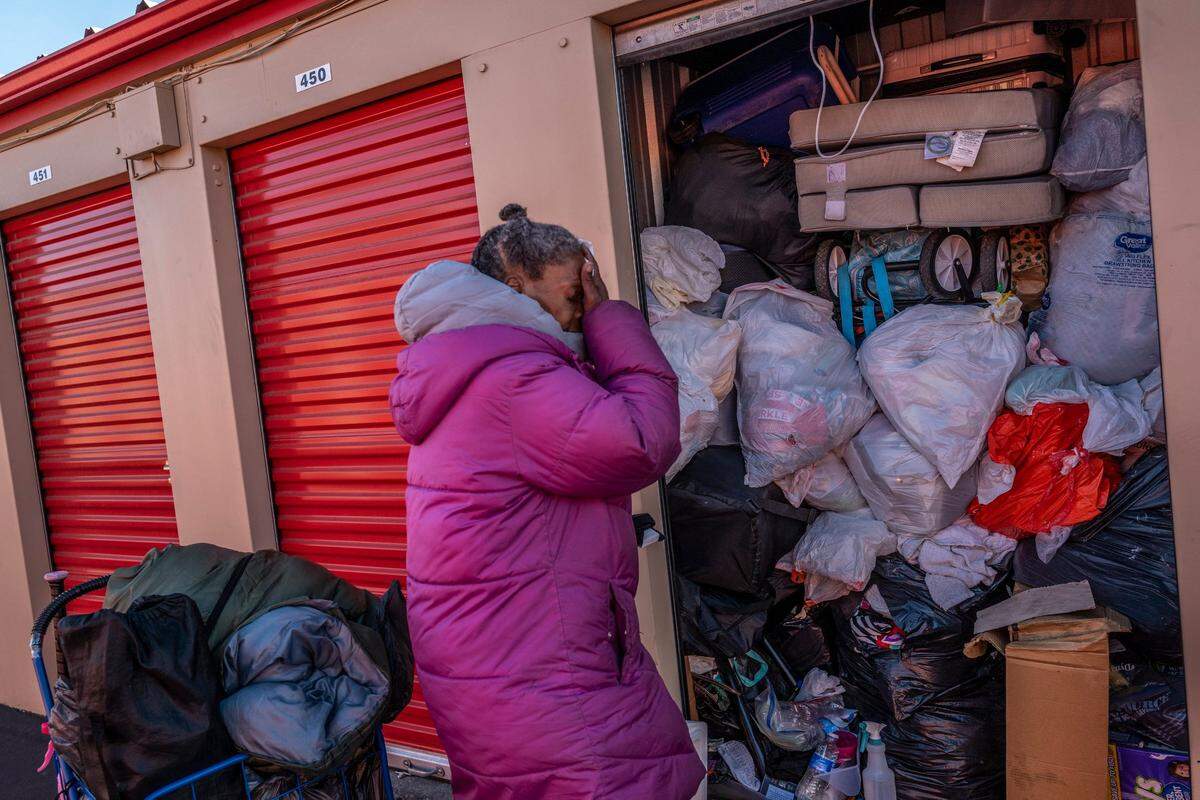
Sharon Pendarvis is also living outdoors without as much as a tent to protect her from the rain and wind. SSHH evicted her in 2020.
Pendarvis, 58, was thrilled when a SSHH case worker moved her into housing after spending several years homeless and camping at Shasta Community Park. But after just a few days, her roommate physically assaulted her, leaving welts on her face and a broken jaw, she said. Pendarvis said she did not fight back. SSHH evicted both of them.
SSHH filed unlawful detainer paperwork, and Pendarvis was evicted in 2020, just months after the coronavius pandemic hit. She slept outside City Hall, where one bystander called her a “Black bitch.” She then moved to McClatchy Park in the Oak Park neighborhood where she grew up.
“It’s so hard to finally get a room and then have to go through hell,” said Pendarvis, a former state worker. “I let somebody whoop my ass so I wouldn’t lose my house and I still lost my house.”
Pendarvis suffers from neuropathic pain, has no teeth and sleeps in three jackets, a pink hat, a sleeping bag and two blankets in a reclining lawn chair at the entrance of the park. But with temperatures frequently dipping into the 30s and rain frequent, she can’t keep warm.
“The cold makes more pain for me,” Pendarvis said. “Sometimes my hands get so numb ... my doctor is constantly saying I need to be indoors for my safety and for my health.”
She’s tried. She’s on the waiting list for Mercy Housing and also for a Housing Choice Voucher, formerly called Section 8. It’s unlikely she will get one, though. More than 54,000 people are currently on waiting lists for various housing vouchers in Sacramento. Of those who have a voucher here, over 1,200 still can’t find housing.
“I’m on all the waiting lists, they just don’t call my name,” Pendarvis said. “I just want a bitty house with a backyard where I can see my grandkids.”
Paula Riboni, 54, also suffers from medical conditions and is homeless again after SSHH evicted her.
“My back and legs hurt a lot,” Riboni said. “I’ve been sleeping all night and day just on a mattress on the floor with a portable heater.”
SSHH told Riboni it had to evict her because it lost funding for the property, she said. Instead of moving her to another property, she was on the streets, she said.
Sheriff’s deputies removed Riboni and her 90-year-old mother in the summer of 2021, after SSHH filed an unlawful detainer and a judge granted it, according to records The Bee obtained from a California Public Records Act request. About two weeks after they were kicked out, in 2021, Riboni’s mother Claire, 90, died. The cause of death was COVID, according to the Coroner’s Office.
“I think if we weren’t evicted then my mom might still be alive because she probably wouldn’t have gotten COVID,” Riboni said.
Citing privacy concerns, SSHH declined comment on Riboni, Gilbert and Pendarvis’ experiences in the program.
Rats and roaches
In addition to evictions, some tenants complain about unsafe conditions in the units.
The county since the start of last year has charged property owners $29,000 in fines for code violations at two apartment complexes where SSHH places clients.
At the complexes, one in North Sacramento and one in south Sacramento, county inspectors found rats, roaches, broken heat and air conditioning, mold, holes in the walls, lack of smoke detectors and carbon monoxide detectors, dry rot and structurally unsafe staircases and balconies.
The complexes are not owned by SSHH, and SSHH tenants are not in all units, but they live in several.
SSHH tenant Tina Marshall, 57, said on Dec. 7 she’s been dealing with cockroaches for months at Rosedown Apartments in South Sacramento, despite multiple complaints to the front office.
Inspectors have also found serious code violations at SSHH housing units in the city limits.
At one North Sacramento house, city inspectors in October took photos, obtained by The Bee through a PRA request. The photos showed rat droppings spread across the floor of the kitchen and bedroom — so many that it was difficult to decipher the color of the flooring. Huge holes were present in the tile floor, the walls and the ceiling. One photo showed a smattering of what appeared to be blood next to a rat trap.
James Shtaway, 63, who was living in the house at the time, sued SSHH and property owners Roger and Terista Polling in Sacramento Superior Court this fall, alleging breach of implied warranty of habitability, and negligence.
The lawsuit alleges the rats scampered across Shtaway’s body and bit him while he slept, ruined clothing, contaminated food, and exposed him to plague, salmonella and other diseases, and killed his beloved bird. In addition to the rodent infestation, the house had a broken toilet, nonfunctional oven, hazardous wiring, flooding, the lawsuit alleges.
Shtaway complained to SSHH for two and a half years about the conditions, but they were not fixed, and instead, SSHH staff told Shtaway to get rid of the rats himself, the lawsuit alleges.
In an August letter, SSHH’s lawyer said Shtaway has been verbally abusive and made threats of violence to staff, and has not paid rent for several months. The settlement agreement is not public.
In September, property owner Roger Polling emailed the city saying he has evicted the tenants and is eradicating the rats. By November, Shtaway had moved out and the city closed the code case, according to the documents. The city did not fine SSHH for the code violations.
During a 2017 interview that was posted on SSHH’s website, Foley said the nonprofit had already learned its lesson about slumlords and no longer uses them.
“One of the mistakes I made early on was working with slumlords,” Foley said. “It took me a long time to stop doing it because I’d be so desperate to find housing for folks and people were willing to move in, but then over time when the landlord wouldn’t maintain the house properly, it got very frustrating for the folks who lived there ... it sort of got out of control.”
Foley in an interview earlier this month said finding property owners to participate in the program is difficult.
“Regarding property owners, there are very few that are willing to rent their property to our population, and the ones that do retain the vast control over the lease terms,” Foley said. “This is yet another struggle we face.”
Overdue audits
The organization has not submitted an independent annual audit to Sacramento County since 2018, according to records The Bee received from the records request. A January 2022 county fiscal monitoring report found the organization had not even started the 2019 audit. County officials also found that the SSHH’s 2018 audit contained inaccurate financial statements, which could result in “incorrect claims being submitted to (the county’s Department of Human Assistance).“
“SSHH has not responded to the fiscal monitoring requests in a timely manner” the county report said
The city has never performed an audit of the organization.
The relationship between the city, county and SSHH that has been growing in recent years might have caused oversight to decrease, said Michelle Pariset, a housing advocate with Organize Sacramento.
“The city gives them a lot of money. There’s a relationship there,” Pariset said. “The city and county tend to work with people they’ve worked with before. The longer those relationships go on, sometimes the oversight drops off.”
Sacramento City Councilman Eric Guerra said the nonprofit has done a good job getting people into housing and also providing advice to keep people housed through a renter helpline it runs for the city.
“The experience in District 6 has been very positive,” said Guerra, who represents south Sacramento neighborhoods along Stockton Boulevard.
Elected officials rely on SSHH due to trust built up over the years, but also a lack of other options, he said.
“I think the bigger issue here is — why don’t we have enough providers?” Guerra said. “And why don’t we have the resources for full wraparound (homeless) support?”
Guerra said a new city-county homeless partnership includes federal funding through Medi-Cal to help low-income people pay for rent, including in market rate units, which will help relieve SSHH.
“That component was critical in the legally binding agreement,” Guerra said. “The wait lists are extremely long.”
After seeking bids, county staff transferred one SSHH contract to another organization, Consumer Self Help Housing, on Jan. 1, said Janna Haynes, county spokeswoman. But other contracts to SSHH have increased. The city and county have increased funding without presentations, discussions or votes from the City Council or County Board of Supervisors.
Pariset said more the city and county leaders need to require oversight, including data on how many people SSHH housed, and how many it kicked out, to keep awarding funding.
“The city and county should have sufficient oversight to anyone we’re giving money to,” Pariset said. “Their units should be inspected. If there are issues with units they’re giving to folks, that needs to be addressed.”
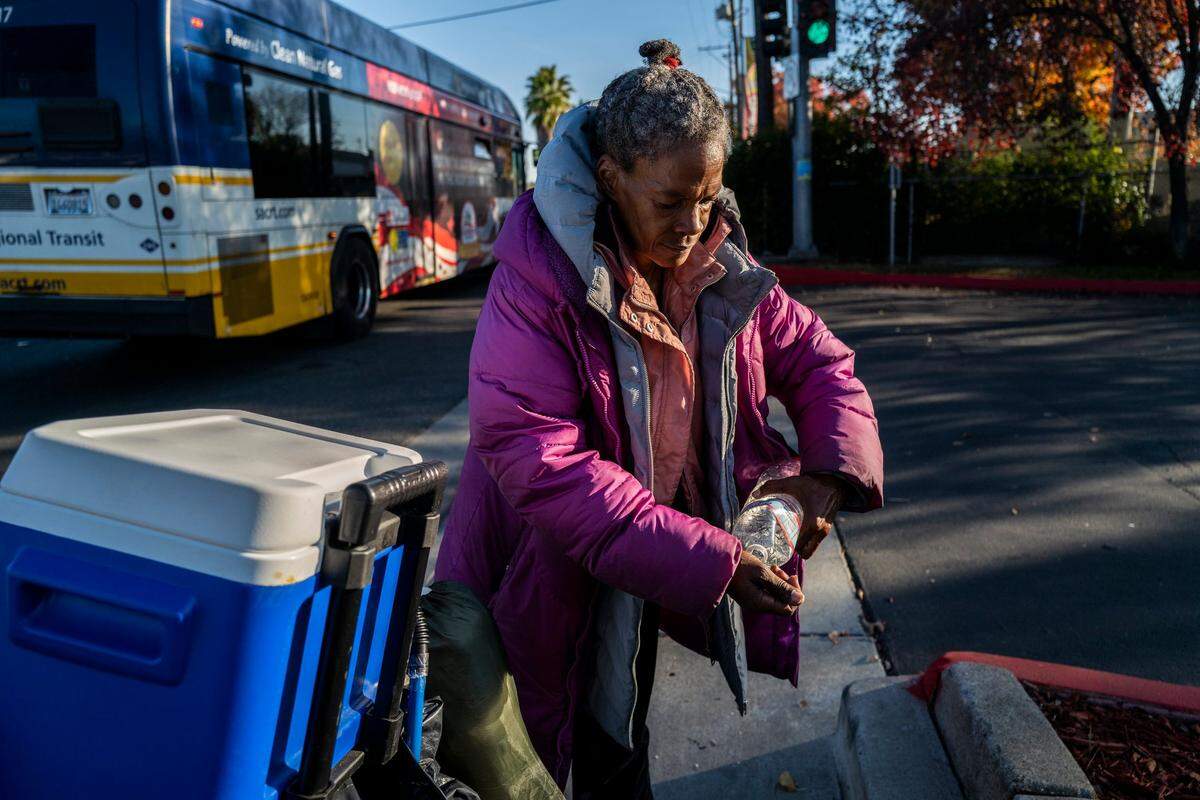
Pendarvis, who still sleeps outside McClatchy Park amid heavy rain, has called at least 35 different apartments for rent since she was evicted in 2020, she said. Not one has called back.
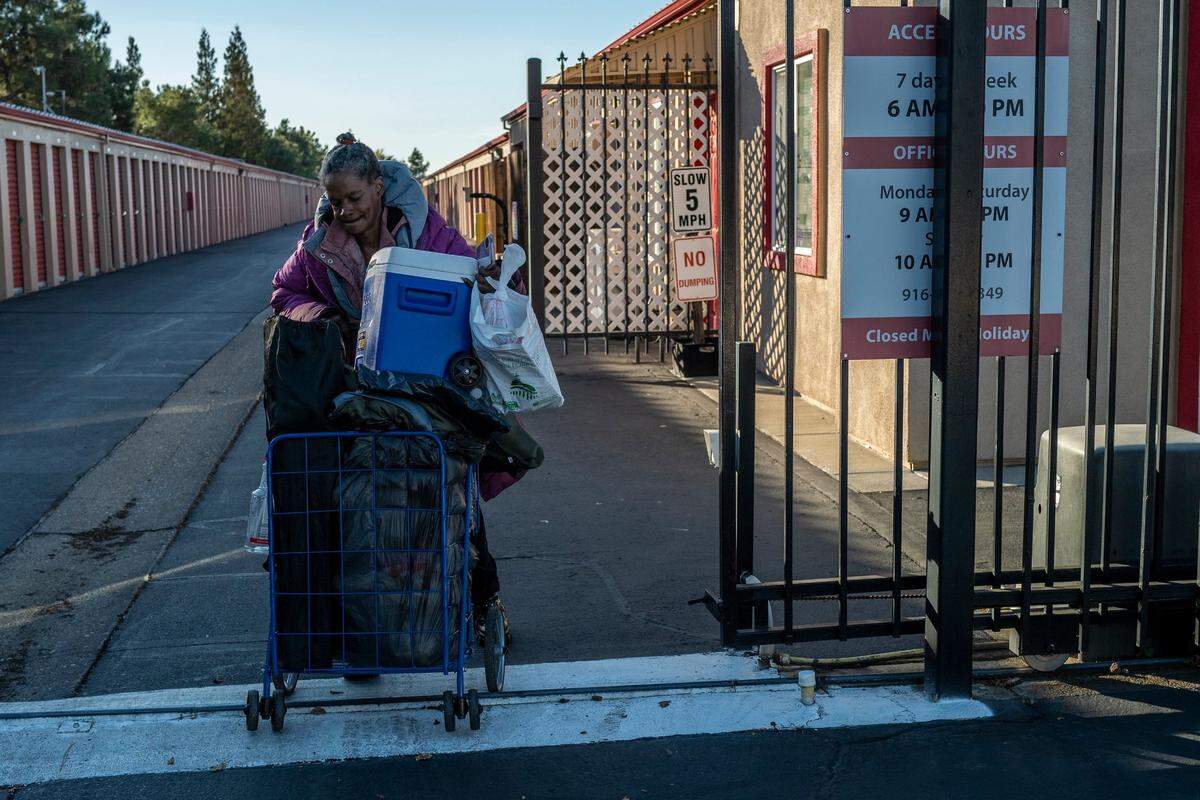
“It doesn’t feel good at all,” Pendarvis said Dec. 27. “Some people don’t even take my information down.”
Still, she’s hopeful. While bundled up and reclining in her lawn chair, she often looks to the gray sky and daydreams about what she would do on her first day in a new apartment.
“The first day I would go in and pray around it,” she said. “And let God know how thankful I am for getting it.”
This story was originally published January 18, 2023 at 5:00 AM.