I-80 reopens after Tesla Semi EV fire shuts down Sierra freeway. Batteries smoldered for hours
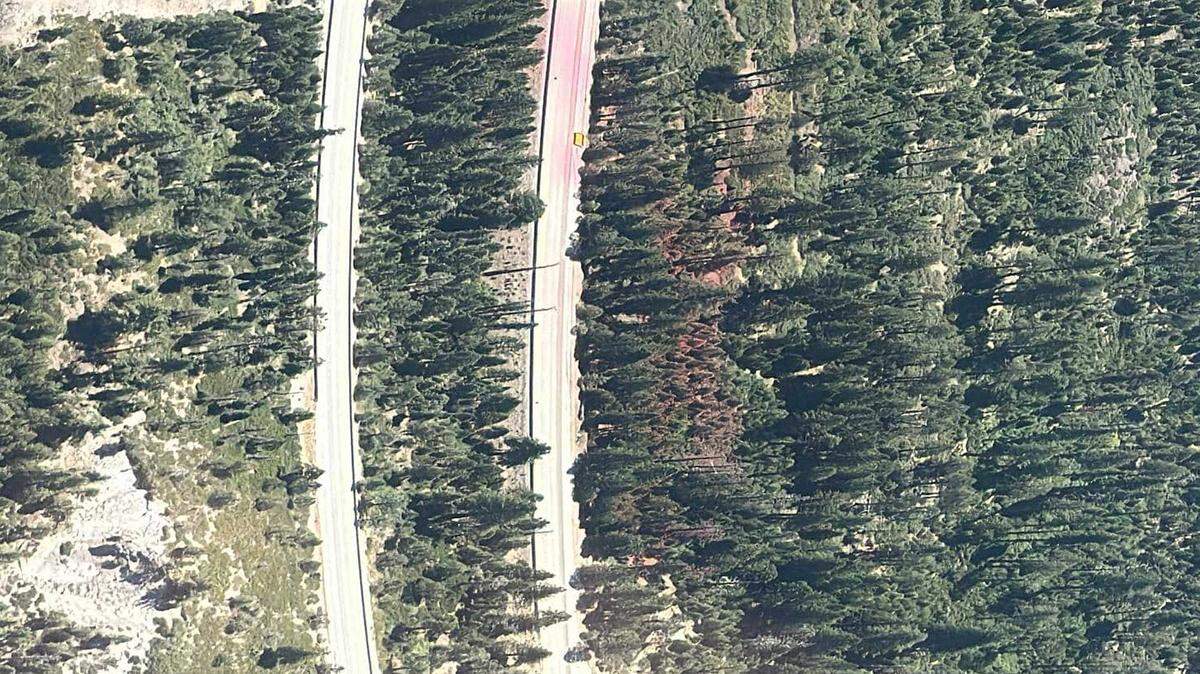
An electric big-rig truck fire Monday prompted officials to shut down both directions of Interstate 80 in Northern California’s Sierra Nevada for several hours as authorities battled the intense heat and toxicity from the vehicle’s batteries.
After battling the fire for more than 16 hours, the roadway reopened to traffic about 7:30 p.m. and the remains of the Tesla were taken to Nevada to be examined.
The crash occurred around 3:15 a.m. near Emigrant Gap where an electric vehicle traveling eastbound at the Laing Road offramp crashed onto the right shoulder and into trees, according to the California Highway Patrol’s incident log. Officer Jason Lyman, a spokesman for the CHP’s Gold Run office, said that only one vehicle was involved and that the driver was not injured.
Lyman said the white Tesla Semi truck was without a trailer when it was headed uphill west of Yuba Gap. Investigators were still trying to piece together what led the Tesla to leave the roadway, he said.
But authorities’ immediate concern was the fire, sparked by the batteries of the roughly 13-ton vehicle, after the vehicle was seen “smoking.” Lyman said that the fire produced “quite the plume of smoke” early on as firefighters rushed in to fight the flames with chemicals. By 9 a.m. the fire was still smoldering, Lyman said.
Lyman said authorities had to create a half-mile buffer zone around the fire to keep “toxic” fumes from injuring bystanders and motorists. Firefighters from the Cal Fire Nevada-Yuba-Placer unit were battling the flames using masks and breathing apparatus.
The highway’s closure took effect at 5:30 a.m. and was expected to last several hours because of the stubborn fire.
By 2 p.m., firefighting planes from Cal Fire performed aerial drops on the fire as crews continued to cordon off the burn area.
“It’s not like big flames but they are putting out super heat and fumes,” said Lyman, who added that the difficult fire was a first for some of the emergency crews who responded.
The model Semi’s batteries produce roughly 900 kilovolt-hours of power, nearly 10 times the energy stored in a typical Tesla vehicle like the Model Y. A hazardous materials crew from Tesla took the vehicle to Nevada to examine the vehicle.
This story was originally published August 19, 2024 at 7:36 AM.