
Longest-running parade in California returns to Marysville’s historic Chinatown
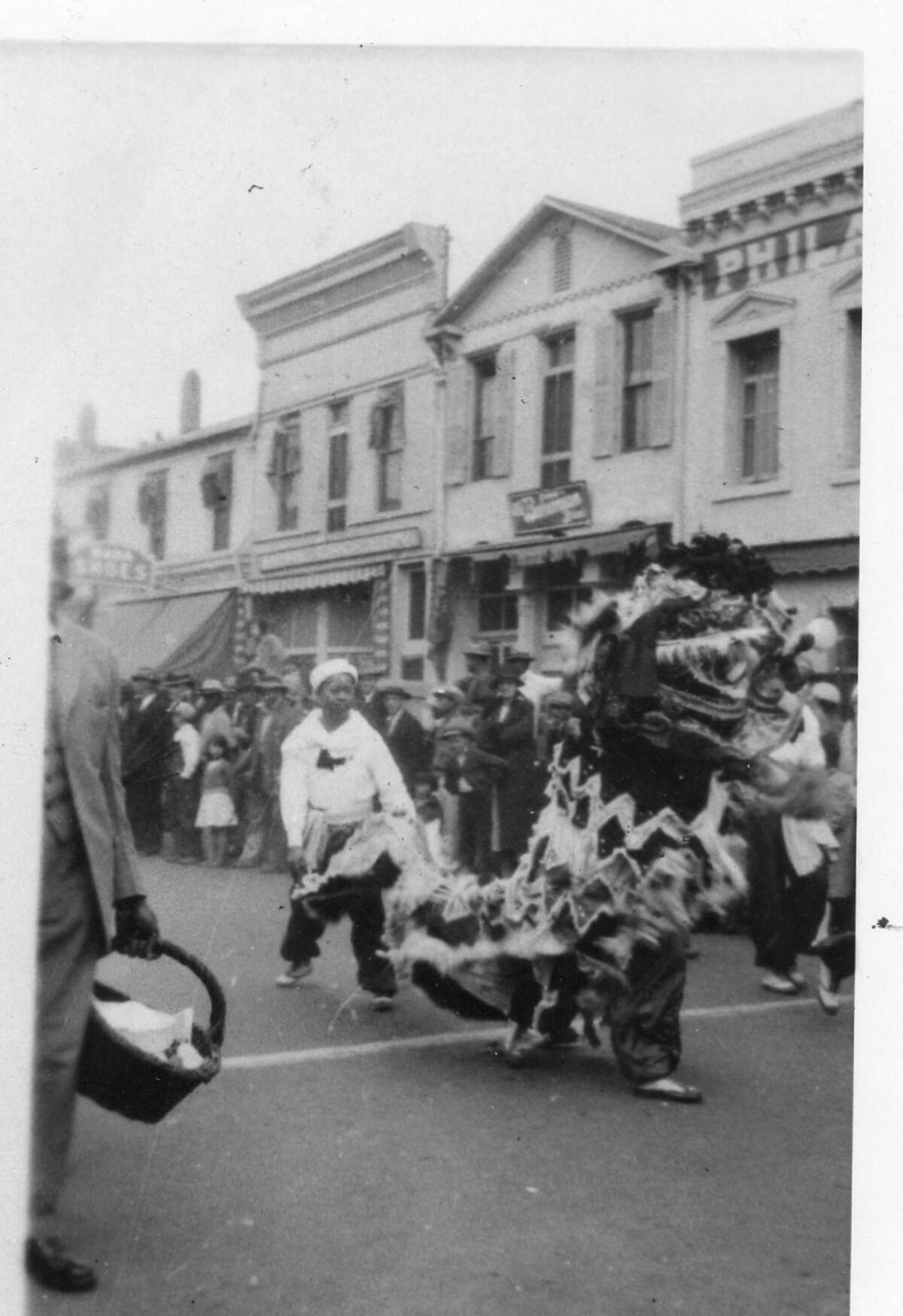
.JPG "A dragon winds its way through downtown Marysville in the city’s 103rd annual Bok Kai Parade in 1983. According to members of the city’s Chinese community, it has never rained on the parade.")
What some believe to be the longest-running parade in California returns this weekend as the 145th Bok Kai celebration takes place in Marysville, a community whose Chinese roots have held firm dating back to the Gold Rush.
Now local efforts have begun to further revitalize the city’s historic Chinatown and long-held tradition, with a goal of pumping its attendance closer to the years when, organizers have said, thousands would travel from across the country and world to attend.
Festivities begin with a parade Saturday morning and end with the traditional “firing of bombs” scheduled for late Sunday afternoon.
Get the Yuba-Sutter Weekly newsletter in your inbox
Available now: Sign up here to receive news and other happenings reported from Sutter County, with stories that matter to readers north of Sacramento. Email tips to jgoodrick@sacbee.com.
The parade and celebration have taken place every year since 1880, with exceptions for a protest in 1893 and a modified parade in 2020 due to the COVID-19 pandemic.
Attendance has ranged from about 3,000 to 5,000 in recent years, said Jon Lim, president of the Marysville Chinese Community, but efforts are underway to return closer to its peak of 10,000 to 20,000 by its 150th anniversary in 2030.
“The main thing is just getting more interest back in the area,” Lim said. “I’m happy with however many I can get it growing up to now.”
To help that effort, the Marysville Chinese Community, the nonprofit overseeing the Bok Kai Temple, has received a $500,000 grant from Sacramento Area Council of Governments to create a blueprint for Marysville’s Chinatown in coordination with the city’s broader plans.
“What do we want down there?” Lim said of the grant’s purpose. “Basically trying to breathe some more life into (Marysville’s Chinatown).”
Marysville’s Bok Kai history
A levy stands between the Bok Kai Temple and the Yuba River, a fitting distinction for a nearly 150-year old spiritual grounds dedicated to the Chinese water god Bok Eye.
For as long as people have settled at the confluence of the Yuba and Feather rivers, water and rain have brought conflicting waves of prosperity and destruction. The flood-prone area and neighboring Yuba City have had their share of catastrophic floods, and engineered solutions to hedge against future ones.
Many, including Chinese immigrants, flocked to Marysville during the Gold Rush. The area was flush with gold but also offered prospects for those who tended the land, hence the importance of rain and prayers to Bok Eye.
The water god represented protection from floods and favorable spring rains, Lim said. In Marysville, few things mattered more.
Chinese who settled in Northern California had more than rain to consider. Hardship and discrimination marked those early years, from contentious labor practices to The Chinese Exclusion Act, which prevented Chinese from immigrating to the United States for decades.
“Marysville was one of the more tolerant places for Chinese,” Lim said.
“You wouldn’t be persecuted as long as you stayed within Chinatown,” he added. “I hate to say it, but that’s how it was.”
Recognizing Bomb Day
Tolerance and the community grew after World War II, Lim said, as did the Bok Kai celebration, led by community members such as his grandparents.
Some of the celebrations date back to the 1850s, Lim said, when there were several smaller temples devoted to different gods, before coming together to form the Bok Kai Temple.
The celebration opens with the parade, but the second day of festivities, also known as “Bomb Day,” features an event known for its namesake explosions — from what are essentially firecrackers — that launch rings, which people scrape and scrum to capture.
“There’s no palace in the United States that does this anymore,” Lim said. “There are still a few places in China, but you don’t see that anymore.”
The current structure has evolved into a more mild form over the years while retaining its original spirit of competition among people fighting for the limited number of rings.
“Back when I was a kid, in the ‘70s and ‘80s, there were epic fights over them,” Lim said. “Epic fights.”
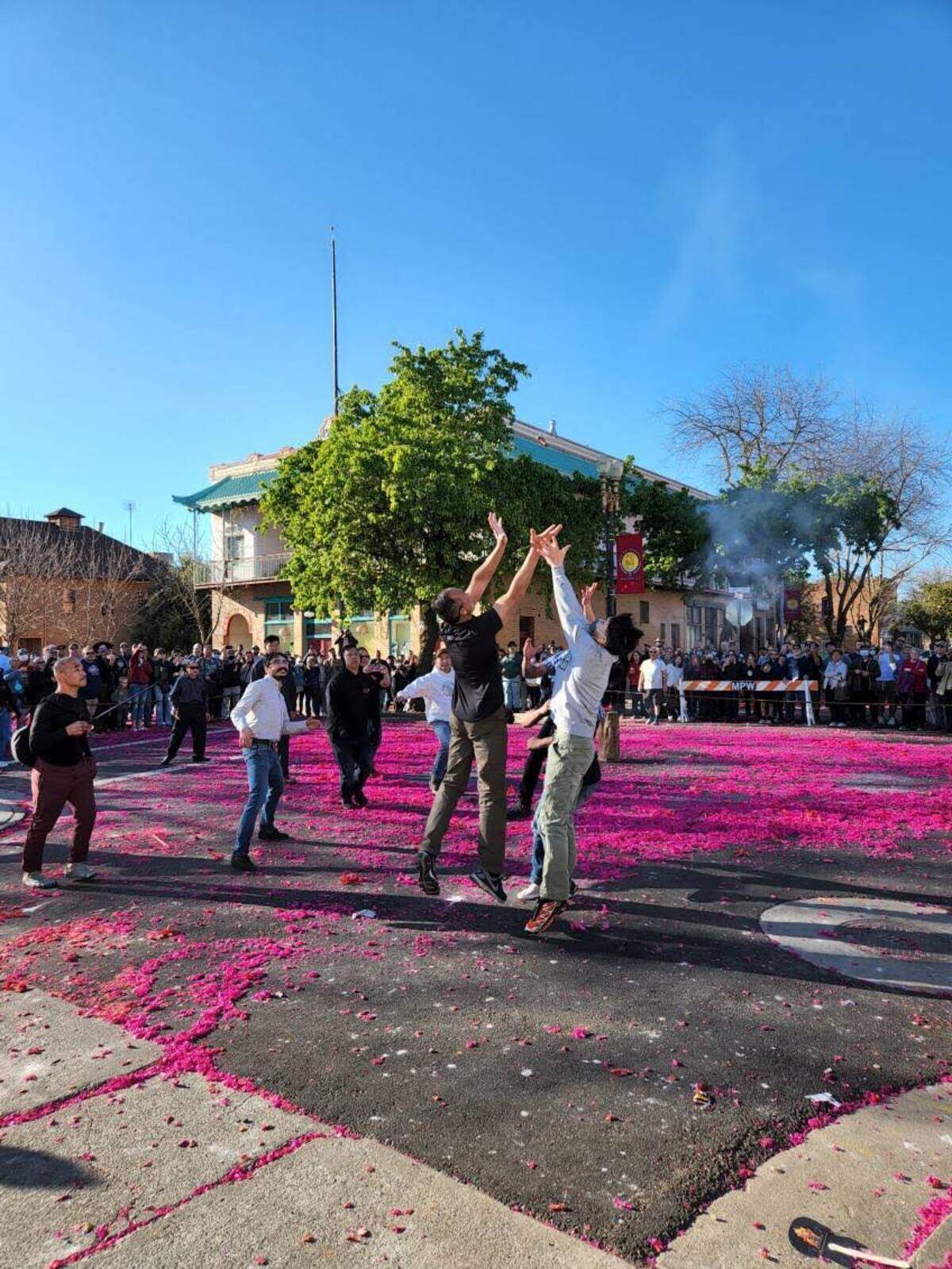
The rings hold meaning and have stayed with some families year after year. Lim said his uncle captured the No. 73 ring in 1966 and passed it on to Lim, who still holds the number.
“There have been rings passed down even longer than that,” he said.
For an event tied to the late winter weeks, weather is far from predictable. But as tradition goes, it rarely rains on Bok Kai. Even on past rainy days, locals say, the skies seem to part for the parade itself, and resume after the festivities.
“You know, take what you want from it, all I know is, as the old saying goes, it never rains on Bok Kai,” Lim said.
Bok Kai schedule
Saturday, March 1
11 a.m.: Parade
8 p.m.: Third annual fireworks show; levee at First Street and C Street
A talent show and live music are planned for after the parade.
Sunday, March 2
7 a.m.: Rib cook-off begins; First Street and C Street
4 p.m.: Firing of bombs; First Street and C Street
Cultural entertainment and a car show are planned throughout the day.
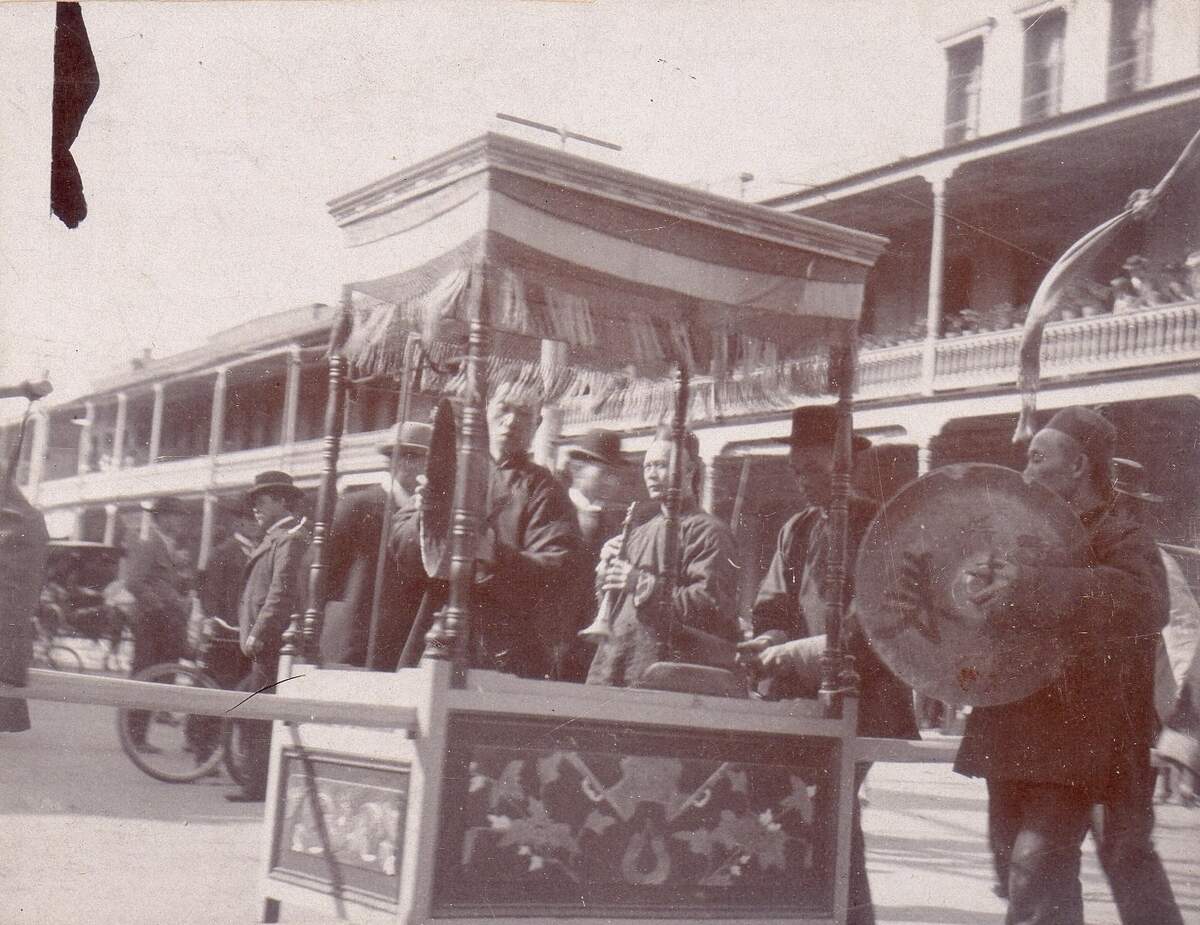
Historic photos of the Marysville’s Bok Kai celebration
.JPG "01180 (1).JPG")
This story was originally published February 28, 2025 at 5:00 AM.