Sacramento takes step toward first tiny home village of housing for homeless
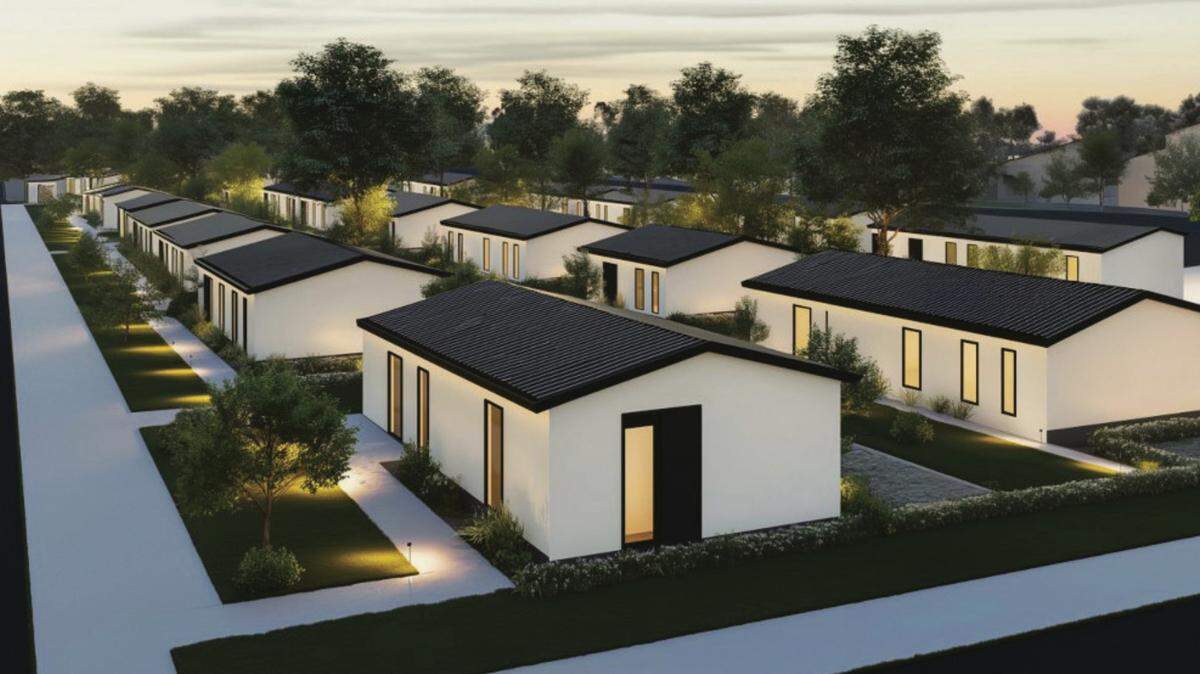
The Sacramento City Council on Tuesday took a step toward its first tiny home village of permanent housing for the homeless.
The community of seniors would be located at a long-vacant site at the corner of Rio Linda Boulevard and Las Palmas Avenue in North Sacramento.
Although the council vote to apply for state funds for the project was ultimately unanimous, several residents of the area raised concerns.
Nancy Azevedo told the council she opposed the project because she said the 100-unit project would exacerbate issues for nearby Northern Bike Trail, such as vandalism and destruction of private property.
“While I understand the importance of addressing homelessness in our city, this location is simply not the right fit in my opinion,” Azevedo said at the meeting Tuesday. “This location, while well-meaning in its intent, is too large and too close to a space that should be accessible to all residents ... it would likely reduce the quality of the life for everyone in the area.”
The item was originally set to go before the council April 29, but Councilmember Roger Dickinson, who represents the area, delayed it to Tuesday to address concerns like the ones Azevedo raised.
“I’ve seriously struggled with this application. I’ve struggled because the district I represent ... has suffered from neglect, a lack of attention and a lack of resources,” Dickinson said during the meeting. “But we have to have more housing. There is no escaping that reality.”
He said he wants the city to open more homeless housing in other areas of the city as well.
Mayor Kevin McCarty said he does not want any of the city’s first three “micro villages” of interim homeless housing to be located in Dickinson’s district.
The city’s large Roseville Road shelter is also in Dickinson’s district, as was the former large Railroad Drive shelter.
While 100 sounds like a lot, there are many more than 100 homeless seniors on the streets in the city, said Brian Pedro, director of the city’s Department of Community Response. He said he knows of one who is 82 years old.
The community’s services will include mental health, medical, substance use, financial literacy, domestic violence support and more, Pedro said. There will be security cameras and it will be gated.
Most government-subsidized homeless housing in the city is in more traditional apartment buildings. The Sacramento County Board of Supervisors on Tuesday approved converting a Motel 6 in south Sacramento into apartments for the homeless.
That motel conversion will cost over $500,000 per door to build, while the North Sacramento tiny homes will cost about $200,000 to build, according to the city and county staff reports.
The tiny homes, produced by Los-Angeles based Boss Homes, will be about 240 square feet each, including kitchenettes and bathrooms, said John Vignocchi, managing partner of the developer, Urban Capital LLC.
If the state selects the project for Homekey funding, it would likely open in early 2027, Vignocchi said.
The project would cost about $30 million in total, all funded by the state, the staff report said.
Urban Capital would purchase the property, which is currently vacant. The property owner is Homestead Funds LLC, based in West Sacramento, according to the county assessor’s office. Before that, it was owned by Calvary Christian Church Center.
The site is about a mile and a half from where the city shut down Camp Resolution, a homeless camp of mostly senior women were living in trailers while they awaited permanent housing. Many of those seniors who were living there are still awaiting permanent housing.