Audit slams Sacramento NAACP for COVID fraud. Why did county fail to catch it?
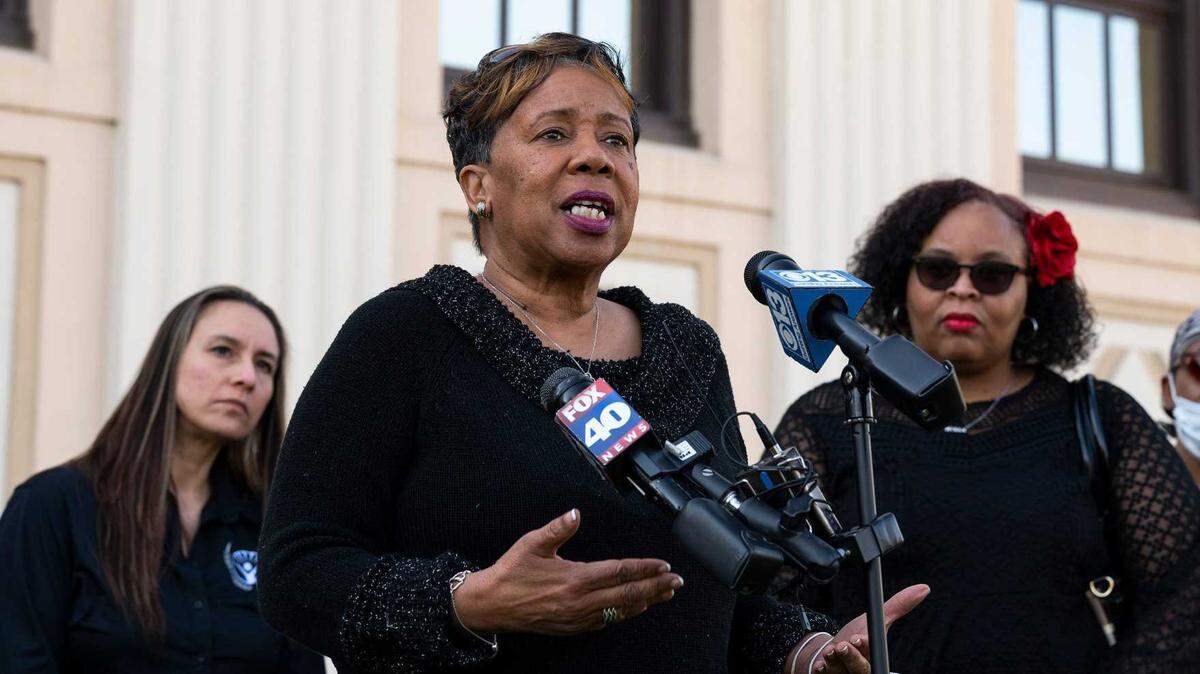
An audit of a pandemic-era Sacramento County meals program details how former, ousted leaders of the Greater Sacramento NAACP enriched themselves and their handpicked contractors at the expense of the multimillion-dollar program, restaurant owners and the people it sought to serve.
Now the chapter guided by new leaders, along with the national civil rights organization, is left to confront the county’s insistence that the venerable civil rights organization repay the money.
County auditors in their 34-page report question more than half of the branch’s spending of the $2.6 million awarded in 2022 for the yearlong program and have rejected the remaining costs — nearly $950,000 — in unspooling organizational failures.
The Sacramento County Department of Finance completed the audit last month, recommending to the county’s Department of Human Assistance: “Take immediate and appropriate action” to reclaim the money.
But national NAACP leaders said they and the local chapter are victims who were betrayed by rogue volunteers who abused their power, lining their pockets with ill-gotten gains.
“This is more than a financial violation of our constitution and bylaws — it is a betrayal of our community, our allies, and the legacy we’ve spent over a century building,” Derrick Johnson, the NAACP’s national president and chief executive officer since 2017, said in a statement to The Bee. “The individuals identified deliberately exploited the trust that our members, partners, and local businesses place in the NAACP name.”
Although the county’s contract prohibited conflict of interest, Betty Williams and other former Sacramento NAACP officials and contractors paid themselves hundreds of thousands of dollars through LLCs they controlled. The practice is often called self-dealing, and legal experts say it can be illegal.
“Misusing our brand to mislead others for personal gain is unconscionable, and we are pursuing every legal and disciplinary measure necessary to hold them accountable,” Johnson said. “Our commitment to integrity is non-negotiable.”
Among the audit’s findings in records obtained by The Sacramento Bee:
▪ Four of the Sacramento branch’s six Dine-In 2 contractors claimed $250,000 in expenses. Each of the contractors was either owned or operated by people who had “direct financial relationships with (Greater Sacramento) NAACP personnel” during the life of the program.
▪ Contractors included then-president Williams and ousted education chair Salena Pryor, who used their personnel firm and consulting business to operate the County Food Insecurity Pilot Program, known as Dine-In 2. The audit says they then paid themselves with county funds.
Williams, the longest-serving president in the history of the Sacramento-based chapter — from 2005 to 2012; and 2017 to 2023 — and Pryor have since been suspended by the national civil rights organization.
▪ One caterer participated in the program despite being under Franchise Tax Board suspension and the business not having been registered in Sacramento County.
▪ Documents outlining policies and procedures to monitor the agreements were also missing.
▪ Invoice claims failed to match with financial ledgers.
“Take all other remedies that are legally available,” the auditors concluded.
County Human Assistance officials agreed with the auditors’ findings and and added directives of its own: The agency said it would not conduct further business with the local or national NAACP “until the reported findings are fully addressed and resolved.”
Investigation shows waste, fraud and abuse
But a Sacramento Bee investigation into the program found the audit did not address the responsibility Sacramento County Department of Human Assistance officials had in overseeing a program now under scrutiny for waste, fraud and abuse.
The audit narrowly focuses on finding financial liability with the NAACP instead of the lack of oversight by the county.
To ensure Dine-In-2 program was well-run, Sacramento County dedicated more than $109,000 of staff time — including an accountant, a contract analyst and a program manager — to oversee the COVID-era meals program, which paired restaurants, a majority of which were African American-owned and operated, with needy individuals and families, according to program information provided to The Bee.
The accountant was assigned to perform a wide variety of fiscal duties including reviewing allowable costs. The contract analyst managed new contracts and amendments and worked closely with program staff, a position county officials described as being “critical to the project.”
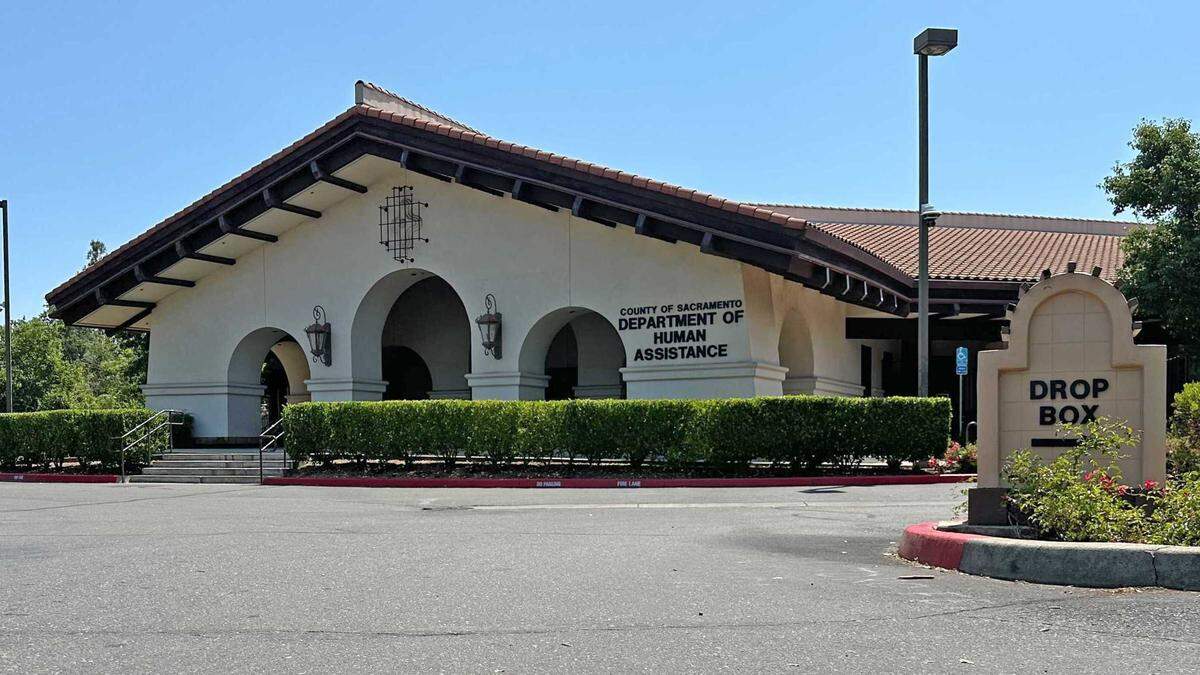
The program manager managed contracts, determined program eligibility requirements for food-insecure participants and was responsible for planning, developing, implementing and evaluating the program.
“The additional critical staffing will provide support to the contracted professionals who deliver restaurant meals to individuals and families suffering from food insecurity in the county’s most vulnerable neighborhoods,” Sacramento County officials said in the county’s descriptions of duties obtained by The Bee.
But DHA officials approved program invoices, some of which paid Pryor as much as $1,000 per hour to perform accounting services, according to invoices reviewed by The Bee.
County officials assigned to oversee the project failed, for example, to notice that while the program was in place, a catering company that was billing tens of thousands of dollars per month was only formed after the contract between the county and the NAACP was executed and that the business had connections to one of the key figures directing the program for the NAACP.
Public records from the California Secretary of State’s Office and others show catering company Jackson Gourmet Goods was paid more than $230,000, or nearly 10% of the total contract.
The company was directed by close contacts of Pryor, including Sharon Jackson. In a nonprofit registration form filed to the state Attorney General’s Office charitable trust registry by Pryor for an organization she founded, the California Black Small Business Association, Jackson is listed as both a director and an “aunt.”
Pryor’s association was paid $8,000 per month through the county’s contract to provide “business compliance services.” Another close contact of Pryor’s, Shearlinea Doyle, who worked as the BSBA’s operations chief, filed incorporation papers for Jackson Gourmet Goods with the Secretary of State on May 31, 2022.
Expense reports show Doyle was paid $7,800 monthly as a marketing consultant and according to NAACP. according to monthly expense reports reviewed by The Bee.
Public records obtained from the city of Rancho Cordova show that after Dine-In-2 was underway, Jackson obtained a business license in May 2022 stating that “products being sold will be dog accessories and treats. Items will be sold online prepackaged.”
Within weeks, the online pet treat company was billing taxpayers as much as $48,000 per month through the NAACP contract, invoices and ledgers of approved county payments show. A September 2022 invoice to the county claimed that the newly formed company had delivered over 2,000 meals valued at $23 per meal.
Allison Harris, a Sacramento County spokesperson, said “county staff were not aware that the subcontractors NAACP contracted with posed a conflict of interest as outlined both by the county contract terms and the NAACP bylaws.”
Harris said, however, that “it is standard practice for the county to ensure that each subcontractor listed has a legitimate, good-standing business license.”
Although not addressed in the audit, the county staff tasked with monitoring the contract did not catch the licensing issues or the myriad conflicts with Jackson Gourmet Goods, raising questions about oversight of the project, NAACP officials said.
The Bee could find no evidence of any online pet treat company with that name operating. Rancho Cordova officials said that the license was not renewed in 2023. Further, Rancho Cordova officials said the permit obtained was for a home business, not a food preparation and delivery service.
“When someone applies for a home occupation business license, they must sign an acknowledgment agreeing to the city’s conditions and restrictions for operating a business from home,” Rancho Cordova spokeswoman Samantha Mott said.
Mott added, “Each license also includes the following disclaimer: ‘This license is issued without verification that the holder is subject or exempted from licensing by the state, county, federal government, or any other government agency.’”
The audit found evidence that an unidentified “Company A” produced daily signature sheets (that) were copies of the first day of services for the entire month’s claims for three (3) out of five (5) sample months.” The audit also said that Company A had a connection to an unnamed contractor managing the project.
Another unnamed business, labeled “Company C” in the auditors’ report, claimed more than $36,000 in reimbursement costs for meals it had prepared, even though the caterer was registered in Amador County, not in Sacramento County, as required. The auditors also said the company was under suspension by the state’s Franchise Tax Board, according to the report.
A copy of a catering permit issued by Amador County Environmental Health was part of the business’s application packet. Auditors considered the $36,156 the caterer claimed as disallowed costs.

NAACP national office investigated before county
The national NAACP first flagged misconduct later linked to the county’s COVID-19 meals program after receiving the capital chapter’s annual financial report in April 2023. A month later, national officials leveled allegations of “extensive” financial improprieties against Williams and Sacramento NAACP branch officers.
The alleged improprieties landed on Johnson’s desk at the national NAACP’s Baltimore headquarters with the recommendation to suspend Williams and officers as the internal inquiry continued.
That October, Williams was suspended as chapter president. The longtime chapter leader was accused of having “engaged in financial impropriety benefiting you or your business.”
A forensic audit launched by the national headquarters followed in December 2023, apace with the county’s request for the chapter’s records related to the food program.
That same month, the Sacramento chapter received notice from the Department of Human Assistance of the pending fiscal monitoring review.
The chapter was classified as “high risk” by DHA “due to the serious concerns over its financial recordkeeping regarding our department’s program,” and “concerns with appropriate staffing to manage the program requirements,” Sacramento County Department of Finance officials confirmed to The Bee through a county spokesperson in December 2023 as county officials were preparing to conduct their audit of the chapter.
The Greater Sacramento NAACP ultimately turned over nearly 2,300 pages of documents to Department of Finance auditors to aid in the county’s investigation, yet more documents remain unaccounted for, according to Latham & Watkins LLP, the San Francisco legal firm representing the NAACP, in their May response to county auditors.
Scope of mismanagement may never be known
Latham & Watkins reviewed the audit and responded to auditors’ findings in the May letter to the county’s finance and audit directors. The attorneys said the full story of the former chapter leaders’ suspected malfeasance may never be known.
As volunteers, Williams and the other officers implicated by the NAACP and Sacramento County used their personal email accounts when conducting chapter business, maintained their own records when administering the Dine-In 2 program and kept paperwork after they were ousted — even after what the chapter’s attorneys said were “repeated requests” to return them.
“Sac NAACP and NAACP lack the power to compel those individuals to provide anything relevant to this exercise,” the letter read. “The reality is that the true and complete story of what happened here is known only to those former Sac NAACP volunteers who were involved in the Dine-In 2 program and who are no longer associated with either Sac NAACP or NAACP,” the attorneys’ letter read.
The attorneys also said the Department of Finance “made no effort” to contact the ousted officers or collect outstanding records from them, adding that any effort to hold the Sacramento chapter to account for past officers’ actions in running the food program “would work a travesty of justice.”
The audit acknowledged the county did not attempt to interview Williams or Pryor. A half-dozen restaurant owners who participated in Dine-In 2 and were contacted by The Bee also said they were not contacted by the audit team.
Ozzie Chavez, twice the winner of the Sacramento Vegan chef challenge and the owner of the Paisley Cafe in Orangevale, said she was forced to sell the acclaimed restaurant because of what she says were the “financial shenanigans” of the Dine-In-2 program.
Chavez had shared her concerns with former Sacramento County supervisor Sue Frost, who said in text messages to The Bee that she was “so sorry” and tried to look into the late payments and mismanagement with county officials in June 2023. Frost, who represented Orangevale and other portions of the county’s northeast tier, retired in December and moved out of state.
Chavez also said that she called a county whistleblower line to report what she believed to be fraud.
“No one ever called me back,” Chavez said. “I could not have made myself more available. I don’t understand how the county can say with a straight face they conducted an audit without talking to me or the other restaurant owners.”
How program landed with NAACP chapter
Following complaints by Williams and others that not enough African American businesses had been a part of millions of dollars of federal food aid grants administered by the county, the county executed a contract for the Dine-In 2 program with the NAACP in 2022.
Department of Human Assistance officials in 2022 touted the food delivery pilot program’s mission of getting restaurant-prepared meals to struggling, food-insecure Sacramento families isolated by the ongoing pandemic.
Restaurateurs laid low by the statewide lockdown and the economic shockwaves that followed would be the program’s foot soldiers led, DHA officials said, by the Greater Sacramento NAACP’s “specialized experience in providing outreach and education,” particularly in the county’s communities of color.
Rather than spend $3 million of federal COVID funds directly, the county in March 2022 decided to place the federal funds in the county’s general fund, stating in a staff report to the Sacramento County Board of Supervisors since removed from the county’s website that the general fund option was less complicated than dealing with onerous federal rules.
But DHA leaders had concerns even before the program began. Human Assistance officials in the March 2022 staff report to county supervisors, previously reported by The Bee, determined there would be “significant challenges” in allocating the funds if the NAACP chapter couldn’t meet federal compliance and reporting guidelines.
If the chapter could not comply, the program would become an “administrative burden and create an audit risk, creating further hardship on restaurants, the community and the county,” DHA officials said in their March 2022 report.
Williams, the branch’s president and venerated statewide civil rights and social justice champion, would lead the volunteer effort.
Dine-In 2 served more than 58,000 meals during its run from March 2022 through June 2023.
But internal troubles roiled the program. Restaurant owners who signed onto the program waited months to be reimbursed for the meals they prepared and delivered and had to sign non-disclosure paperwork as a condition of joining the program.
Chavez shared emails and text messages and recordings of Zoom conference meetings showing months of anguish and frustration she and other restaurant owners had with Williams over perennially late payments for meals they had supplied.
For Chavez and other participants, the program cost them everything they had built.
“What was so crushing about this is that I have been a long-time admirer of the NAACP, there is a rich history of Black and Jewish solidarity and fighting together (for) causes,” said Chavez, who is Jewish. “At first, this program seemed like a dream. But it turned into a nightmare. I lost everything.”
This story was originally published June 9, 2025 at 5:00 AM.
.JPG)