
Euthanasia up at Sacramento’s shelters. Fosters offer last hope for pets
AI-generated summary reviewed by our newsroom.
- Sacramento shelters report sharp euthanasia rise, citing overcapacity and illness.
- Foster programs and nonprofits offer critical support amid rising intake totals.
- Shelters cite large dog surrenders and adoption slowdowns as major challenges.
Six-week-old Piper, a boxer-pitbull mix, first came to foster parent Sandy Caplinger underage and underweight.
Caplinger has fostered animals for the last decade to relieve shelter overcrowding and provide nurture to injured cats and dogs, like Piper. She estimates that she’s probably fostered between 30 and 40 dogs alone.
“Other fosters that I’ve had either had their legs crooked due to malnutrition or not getting the best care,” Caplinger said. “They can barely walk sometimes and if a foster was not there to be a safety net for these cats and kittens and puppies and dogs, they would be put to sleep and fostering gives them a chance.”
With Caplinger’s monthlong care, Piper recovered and joined the adoption floor at the Sacramento County Bradshaw Animal Shelter, escaping euthanasia, the fate an increasing number of cats and dogs in Sacramento face.
Three years ago, the county’s Animal Care Services reported more than 750 euthanized cats and dogs. Last year, there were more than 2,000. This year, the department reported 521 euthanized animals between January and April, most of which were due to medical reasons.
From May 2022 to April 2023, nearly 850 animals in the city of Sacramento’s care were euthanized, according to city intake and outcome data. The following year, the city clocked a 77% increase, resulting in more than 1,500 euthanized animals.
Several nonprofit sanctuaries and shelters across the city and county blame increased euthanasia rates on shelter congestion and slowing adoption rates. The Sacramento Society for the Prevention of Cruelty to Animals, through social media and community events, has been pushing for more animal adoptions to combat this influx, according to Director of Marketing and Communications Dawn Foster.
“There’s been a slowing for large dog adoption,” Foster said. “We’ve just pulled out all the stops to get dogs out there as much as possible and all the creative ways we can to make sure that they have every opportunity to meet as many community members as possible.”
Foster said economic factors — such as weight restrictions at rental units, insurance policies and the cost of veterinary care — outside of local shelters’ control have played a role in increased animal surrenders.
Sacramento’s Front Street Animal Shelter has seen a 1,600 animal increase over the last three years, according to spokesperson Ryan Hinderman.
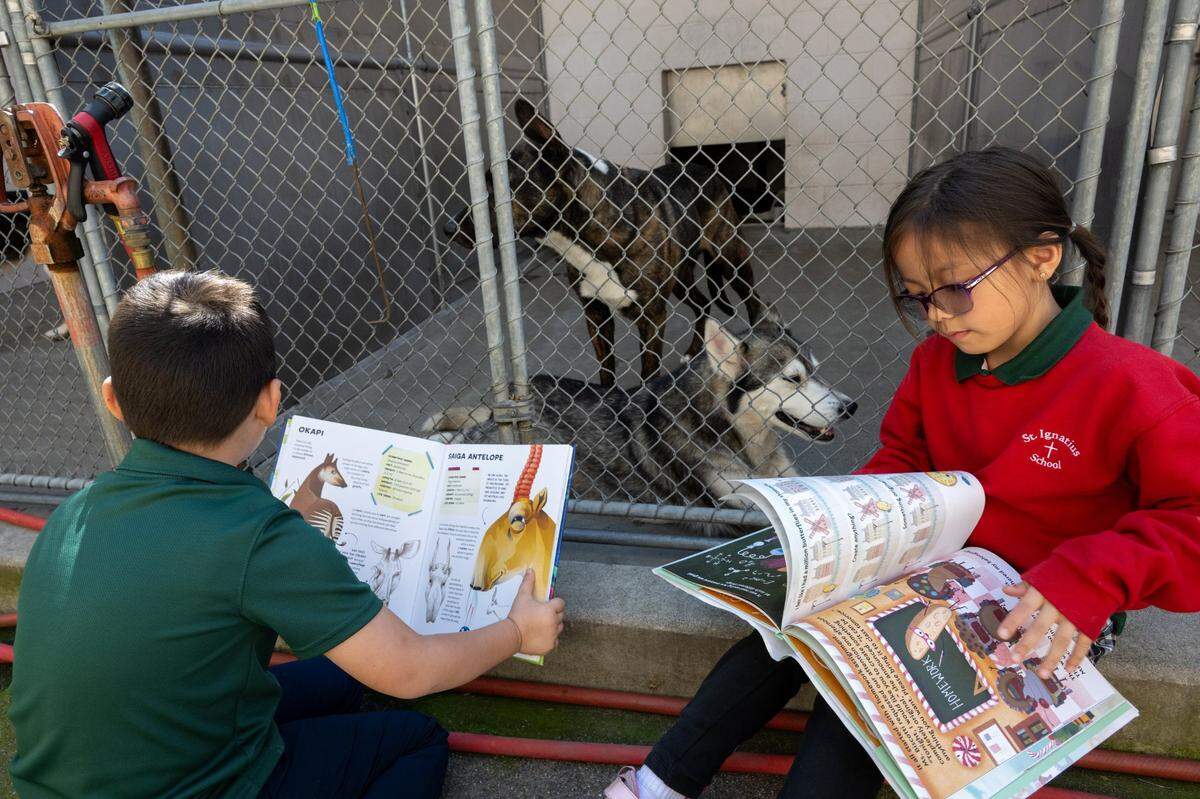
The shelter tends to accept primarily sick and injured cats, as opposed to those that are healthy and likely belong to an owner. However, as intakes go up, so do adoptions and euthanasia, he wrote in an email.
“There are more animals to adopt, but there are also more animals coming in that are terminally ill or injured, neonatal, aggressive, etc. that may require euthanasia,” Hinderman wrote. “The increase of animals after that, however, has consistently pushed us beyond critical capacity where we have been forced to make harder decisions to maintain humane conditions.”
Front Street Animal Shelter has begun using different ways to find positive outcomes for new animals and relieve the shelter’s capacity.
“There are many strategies we use to maintain space and find positive outcomes, including waived-fee adoption events, foster programs, rescue/transport to other facilities and asking finders of pets to hold onto the animals and attempt to find the owners rather than the animals staying at the shelter,” Hinderman said.
Despite this, though, not all the programming can prevent overcrowding.
Shelter statistics from this year showed that it maintained a dog live release rate of 85% and a cat live release rate of 75%. The top reasons for dog euthanasia were behavior and medical reasons.
“These decisions are not easy to make, and we must make those decisions when the shelter’s space or resources are strained. Generally we try to hold animals as long as we can hoping for adopters, rescues, or other solutions, if it is safe and humane to do so. That’s why we’re always so full,” Hinderman wrote.
Aria Galletti, project coordinator at Happy Tails Pet Sanctuary on Folsom Boulevard, believes that the prime culprit for the city’s figures are the issue of capacity. Since 2022, the sanctuary reported 125 euthanized animals.
“Shelters, they’re over capacity and I think the way they manage capacity is they will turn away healthy animals and accepting sick and injured animals,” Galletti said. “If they are required to take these sick in, they may be putting them down at a higher rate.”
Many of the animals the sanctuary receives are found in abandoned and feral colonies or have struggled with homelessness and abuse. Upon arrival, pets undergo vaccination, disease testing, and neutering before being deemed “adoptable” or “not adoptable,” based on behavior and social readiness.
Brittani Peterson, public information officer at the Sacramento County Bradshaw Animal Shelter, said the shelter similarly faces capacity issues, with more animals coming in and out and straining staff.
Peterson said that despite county and city shelters being separate entities, it’s important that they work together for the betterment of the animals they serve.
“At the end of the day, the animals don’t care about city or county lines,” Peterson said. “When we work together, we can reach more people, share resources, and help more pets find homes.”
This story was originally published June 18, 2025 at 7:00 AM.