Former Sacramento Kings owner fights city over an 1860s building. Here’s why
Gregg Lukenbill believes that he and his daughter are headed to court with their complaints against the city of Sacramento.
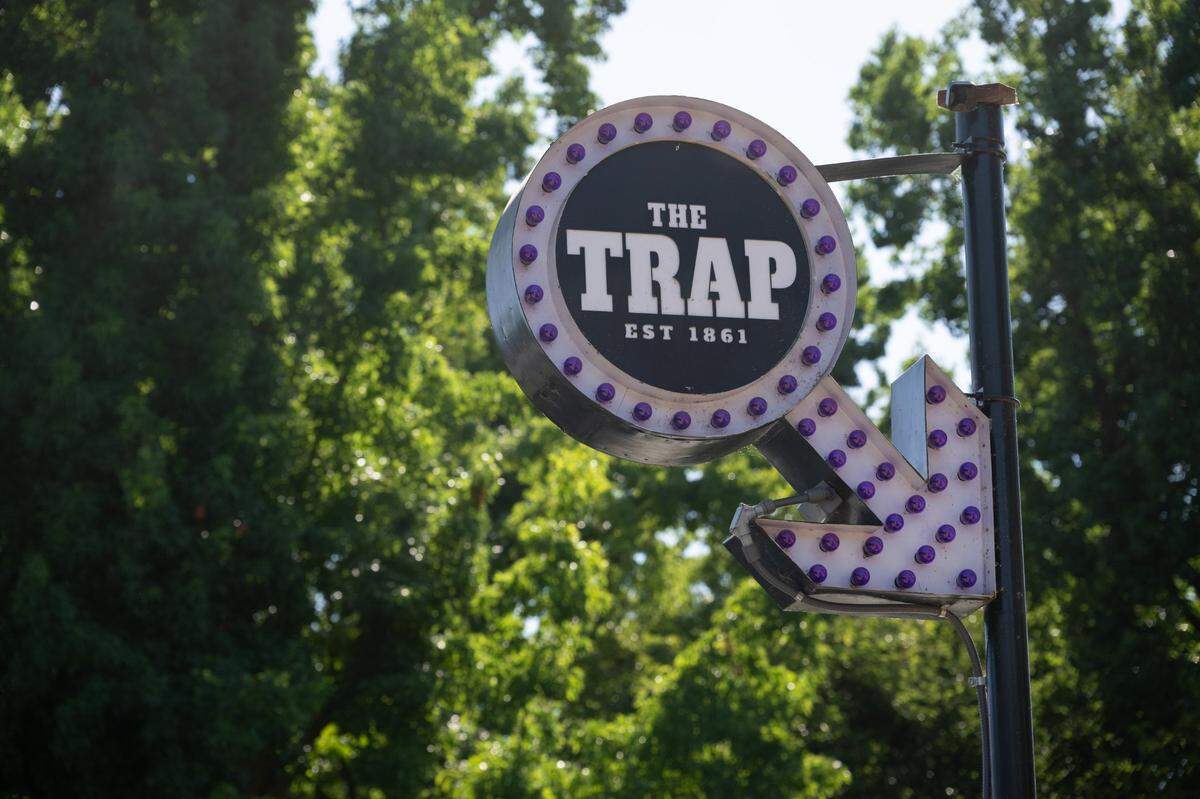
Lukenbill, who is the former owner of the Sacramento Kings and brought the team to town from Kansas City in 1985, now owns The Trap, a bar and restaurant at the corner of Riverside Boulevard and 43rd Avenue in Greenhaven. It’s a building that’s on the local historic register, with a portion of it dating to the 1860s.
On June 27, Lukenbill, an owner of the property, and his daughter Mariah Lukenbill, owner of the bar and restaurant that operates on it, filed a claim against the city. They alleged various actions by the city causing more than $500,000 in damages to the property. If the city denies the claim, it could trigger a lawsuit from Lukenbill, which he anticipates filing.
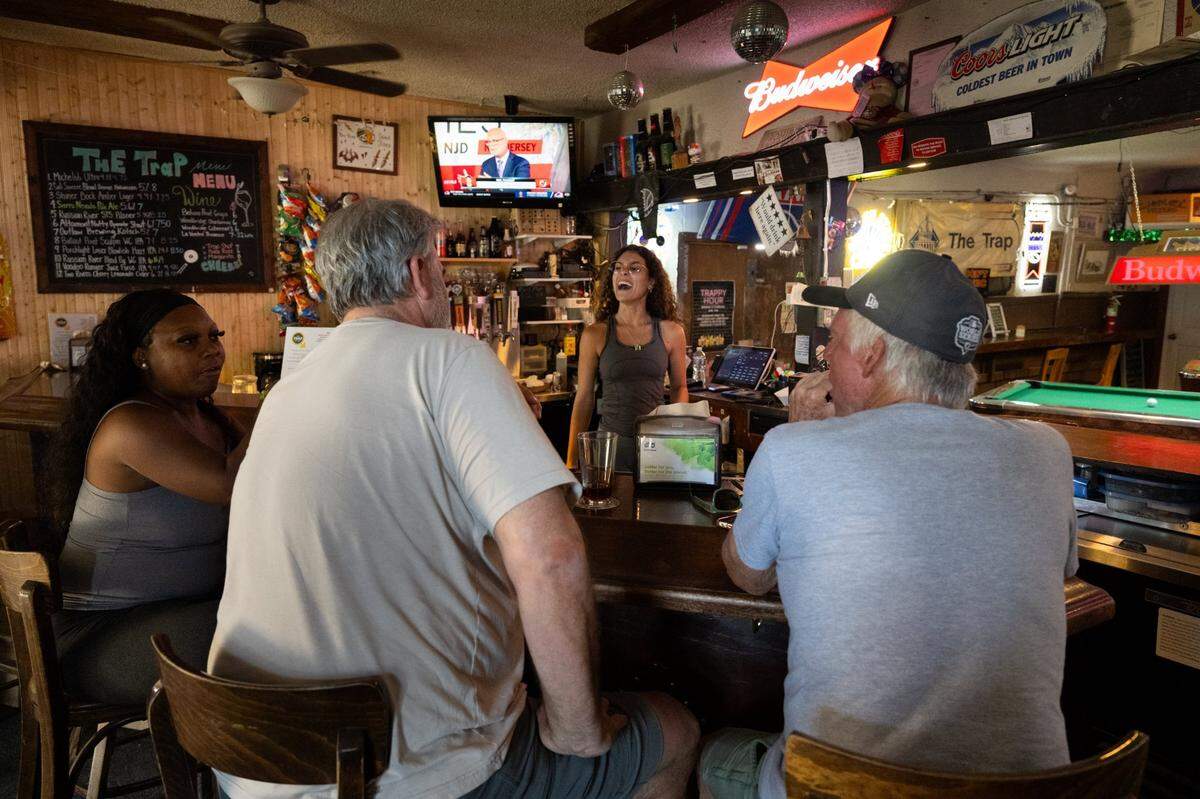
“I’m locked and loaded and assuming that this is going to end up in front of a judge,” Lukenbill said. “And this isn’t my first rodeo so I know exactly what I have to be prepared for.”
While Lukenbill predicted his claim would become a lawsuit, the city remained focused on issues with the building.
On Thursday, city spokesperson Jennifer Singer provided a statement relaying that the Sacramento Fire Marshall had ordered a “partial closure” of The Trap following an on-site inspection the previous day. The marshall determined that the condition in some parts of the business posed “unreasonable risk of fire and harm to customers” because of “significant improper electrical connections and illegal building construction and materials utilized in the patio areas of the business.”
An earlier statement provided by city spokesperson Julie Hall said The Trap’s owners had “initiated construction activities without the required building permits, which is a violation of both the Sacramento City Code and state building regulations.”
Hall added that the city had been working with the owners, remained committed to doing so and would “take all necessary steps to uphold public safety.”
It’s the latest chapter for a one-of-a-kind building with a storied history.
What the claim entails
Gregg Lukenbill provided The Bee with a copy of the claim which alleges fraud, malicious intent, negligence and misrepresentation by the city over the past 15 years.
The city placed the building on the local historic register in August 2009 after a push by then-Sacramento City Councilman Robbie Waters. William Burg, a local historian who wrote an application for The Trap while interning for the city’s preservation department, said the building had been in need of repairs and that Waters encouraged landmarking the building so it could qualify for a historic places grant.
Lukenbill said the city allowed work on the building in 2010 and 2011 but the work wasn’t completed.
“They basically served as the developer, the general contractor and then the funding source all in one package deal, in full concert of understanding exactly what they were doing until they got to the point where they didn’t finish it,” Lukenbill said. “I don’t think they thought this all the way through… or did the work necessary to facilitate the results they were seeking.”
Lukenbill’s claim noted that after The Trap began seeking an entertainment permit last summer, the city’s code enforcement division made an unannounced visit to the business and issued a stop work order, listing eight items, including five that had been permitted by the city in 2010.
“They violated me for doing the work they didn’t do, which I find comically ironic,” Lukenbill said.
Some of the items cited by the city included work on an exterior air-conditioning unit, an electrical panel plug to serve a food trailer for The Trap and an inoperable and disconnected wall heater.
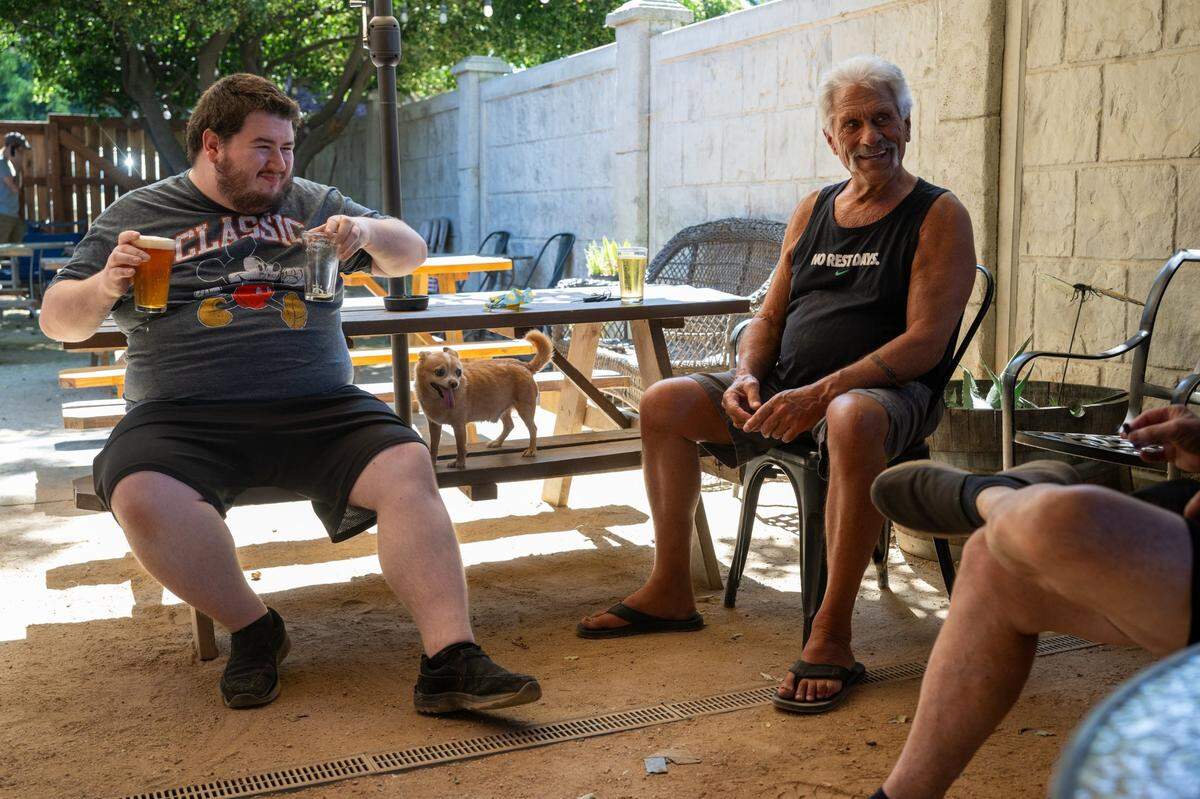
“Now the code enforcement is bearing their teeth and showing me who they really are and what their intentions are and they are evil intentions, period,” Lukenbill said.
He also took issue with the city’s Community Development Department and its Accela permitting system.
Sacramento City Councilman Rick Jennings’s district includes The Trap. In a statement provided by Jennings’s chief of staff Dennis Rogers, the councilman called the business “a long time historic (landmark)” and said he wanted to make sure “we are able to preserve the Trap as a community gathering place and ensure that all safety and building codes are met.”
Lukenbill’s attorney Brad Carroll of local firm Downey Brand tried to maintain optimism about the chance of the claim being resolved short of a lawsuit.
“I’ve done lots of government claims and more often than not, they do end up in litigation,” Carroll said. “But I’ve also had those that resolve between the parties before a lawsuit needs to be filed.”
Why The Trap matters historically
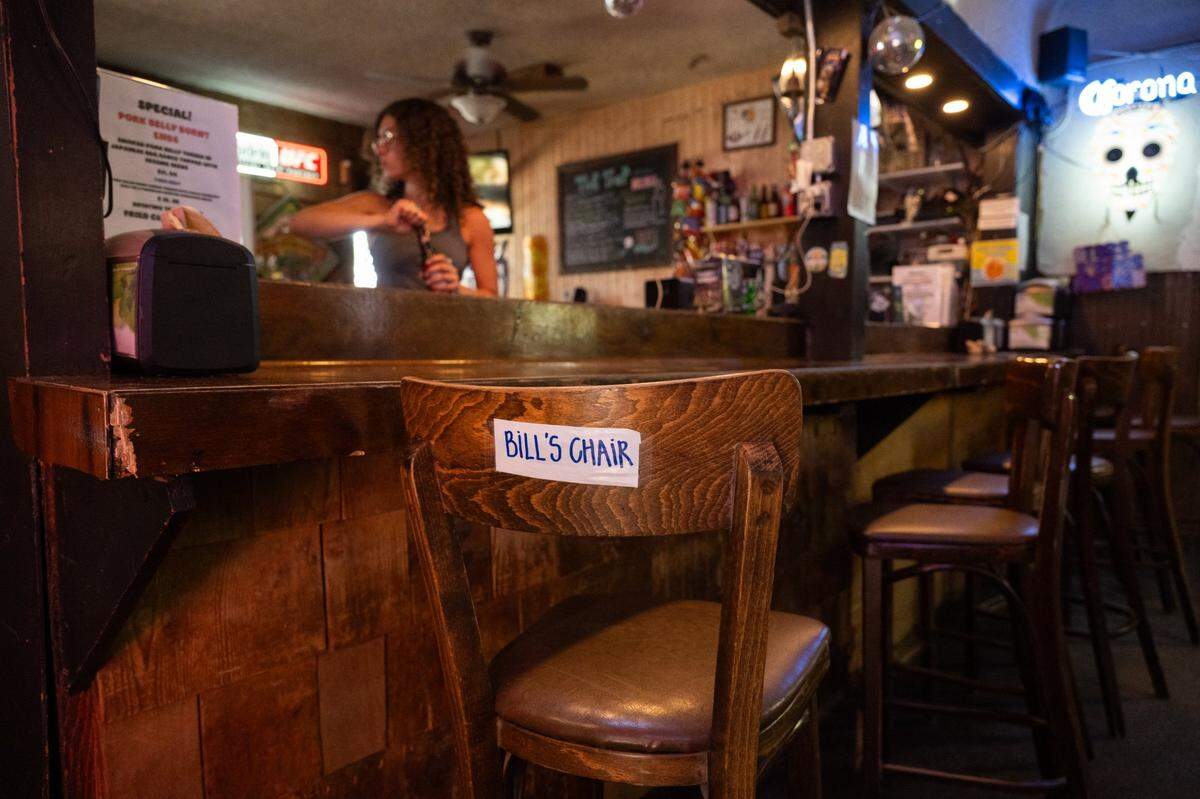
Originally, The Trap was a fishing shack for Sicilian immigrants closer to the Sacramento River, Burg said. Around the 1920s, the building was moved to its present location, whereupon it became Pimentel’s Ingelside Cafe, owned by a Portuguese family.
“The historical value is it’s the oldest Portuguese building south of Sutterville Road, we’ll start with that,” Lukenbill said.
The building is something of a throwback in a suburban area that was transformed through development from being a riverfront farming area.
“It was a hub for the community, specifically for the Portuguese community and for working class farming people as a gathering point,” Burg said. “In many ways, it’s the last building standing of that era. How many other buildings are there from the 1920s in the Pocket, in that part of the city? Almost none.”
The building’s history and its story are what make it special to Burg.
“It’s an 1860s building with a 1920s building attached to it and a lot of expedient repairs and upgrades over the course… of the past century,” Burg said. “But you still, when you walk in, you get a sense of time and a sense of place and there’s a really strong connection to the community and that’s what makes it historic.”