
Historic bank is undergoing a transformation into Sacramento’s 1st 5-star hotel
AI-generated summary reviewed by our newsroom.
- Roger Hume leads $30M renovation of 1915 bank into Sacramento's first five-star hotel.
- Historic reuse projects face high costs, requiring vision, passion and city support.
- Redevelopment builds identity by preserving architecture and attracting new uses.
Roger Hume has a big project on his hands at the southeast corner of 7th and J streets in downtown Sacramento.
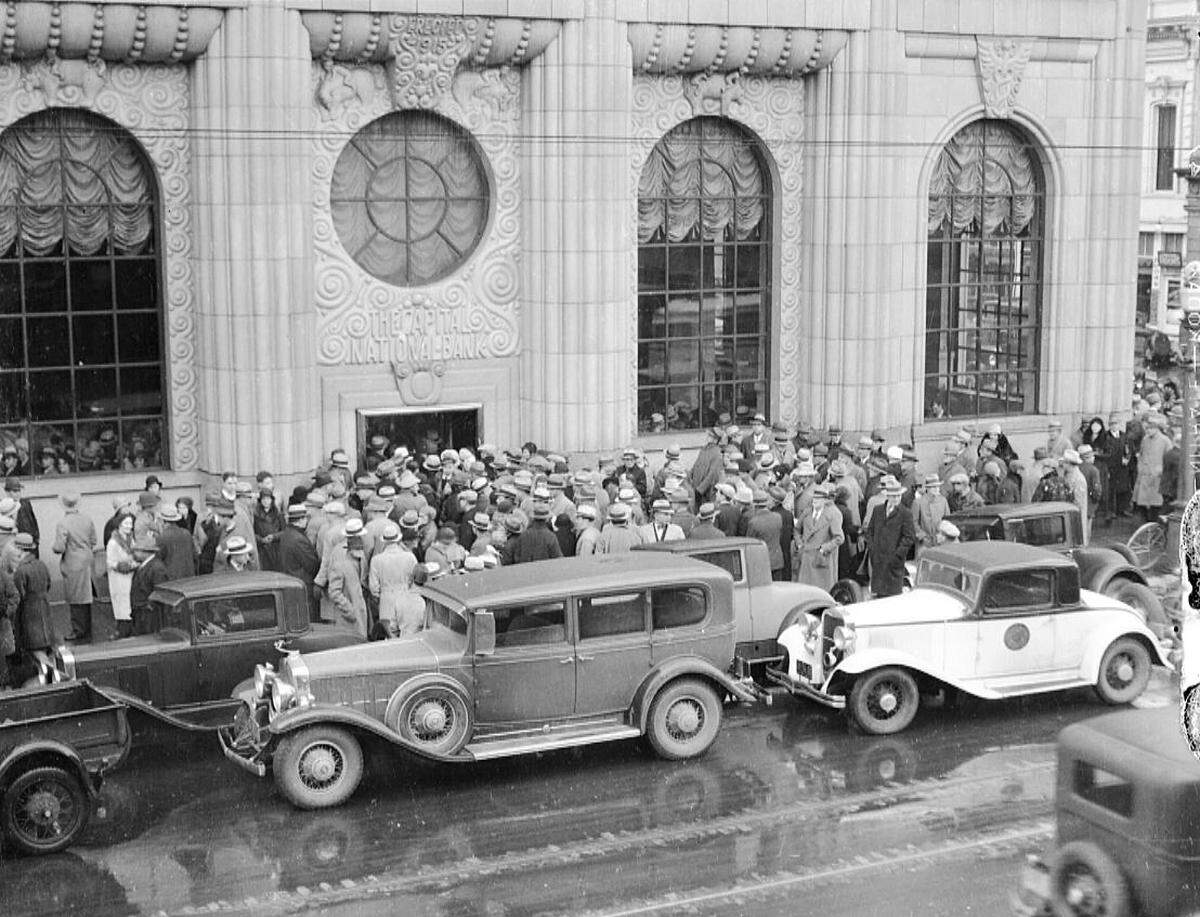
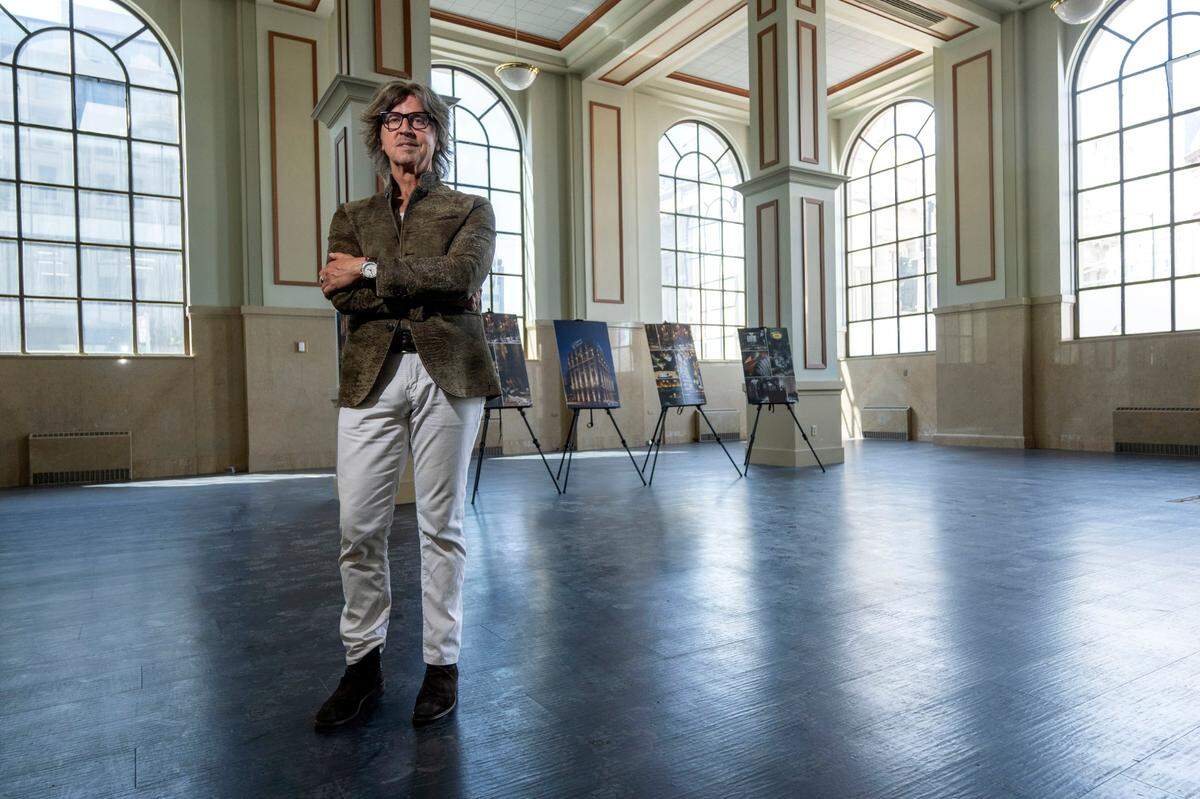
The main part of the Capital National Bank Building, which Hume purchased late last year for $11 million, dates to 1915 and the annex to the 1940s. In the main lobby, Hume has found original tile that he hopes to restore under another layer of flooring. In an adjacent room, there’s a pile of salvaged doors too damaged to use again and other items that will likely need to be thrown away.
It’s an interesting spot for Hume’s project, a 95-room hotel that will be Sacramento’s first with five stars, with a $30 million budget for renovations. And Hume’s happy to be doing it.
“You look at these buildings and there’s so many of them you just couldn’t recreate today,” Hume said. “And I think it’s just a shame not to breathe new life into them.”
In a city that hit its 175th birthday in February, there are many derelict or underutilized buildings, particularly on the grid. Sometimes, these buildings are lost to disasters like fire or they get torn down. But for people like Hume, they are the perfect canvas for ambitious projects.
The types of people drawn to old buildings
Hume has been working with different people to achieve his vision with his building, which has an address of both 1007 7th St. and 700 J St. One of these people is Sean de Courcy, preservation director for the city of Sacramento, who said Hume is extremely enthusiastic about his building.
“I don’t think I’ve ever worked with anybody that is so clearly – has sort of a vision in his mind of what a thing is going to look like before it’s built,” de Courcy said. “And then he tells you about it in this really passionate way.”
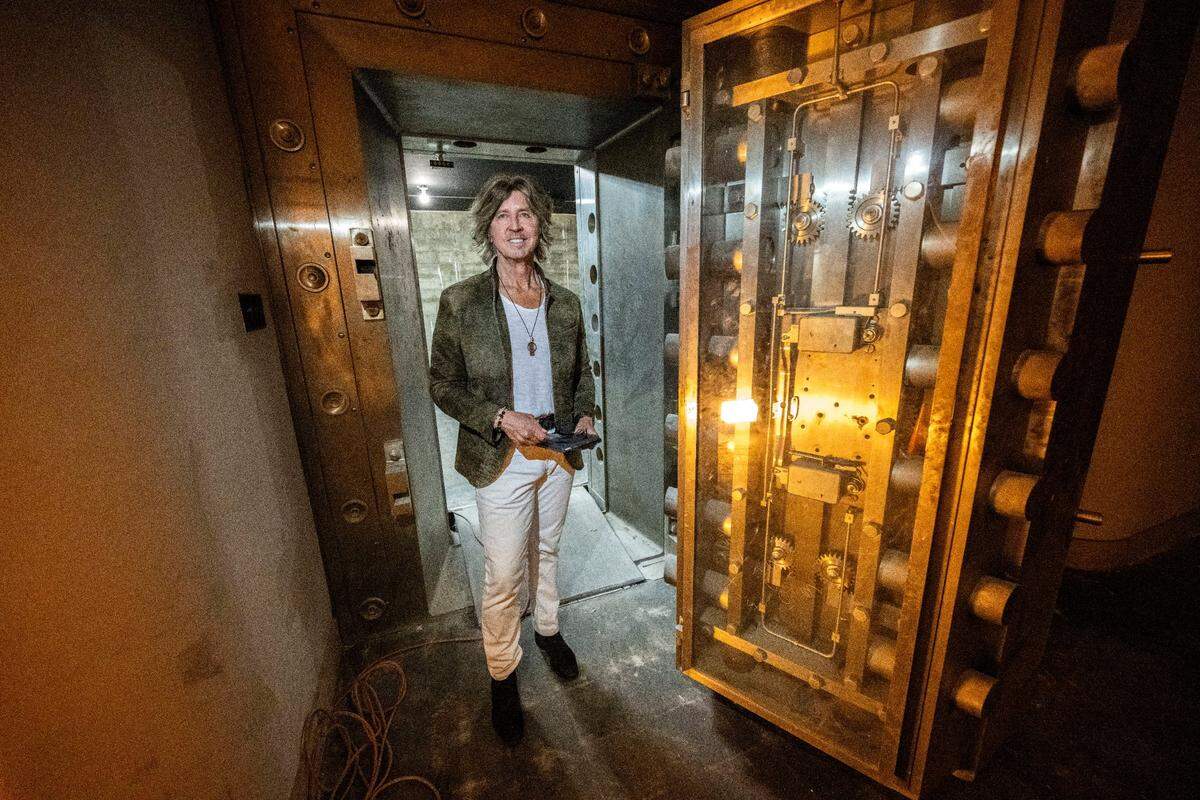
On a guided tour of his building, Hume showed off what his hotel will offer. Both the original building and annex have bank vaults. Hume intends to keep them both, using one for whiskey tasting and the other as a speakeasy. Upstairs, an old mail drop between floors will be repurposed into a place where guests checking out can deposit their room keys. Stairwells will have chandeliers that will be period-correct.
On the ground floor, he will have the Oak Room Bar and Restaurant, with a J Street entrance. Asked how it will be different from Punch Bowl Social at the Kimpton Sawyer four-star hotel building, Hume said that it “was just grandeur and kind of a throwback of an era of style, class and sophistication that we just don’t have.”
Hotel star ratings are given by the Forbes Travel Guide, with AAA offering a diamond rating, according to online sources. The distinction between different ranking tiers is sometimes subtle. Mike Testa, president and CEO of Visit Sacramento said that what separates a four-star hotel from a five-star hotel is the level of amenities.
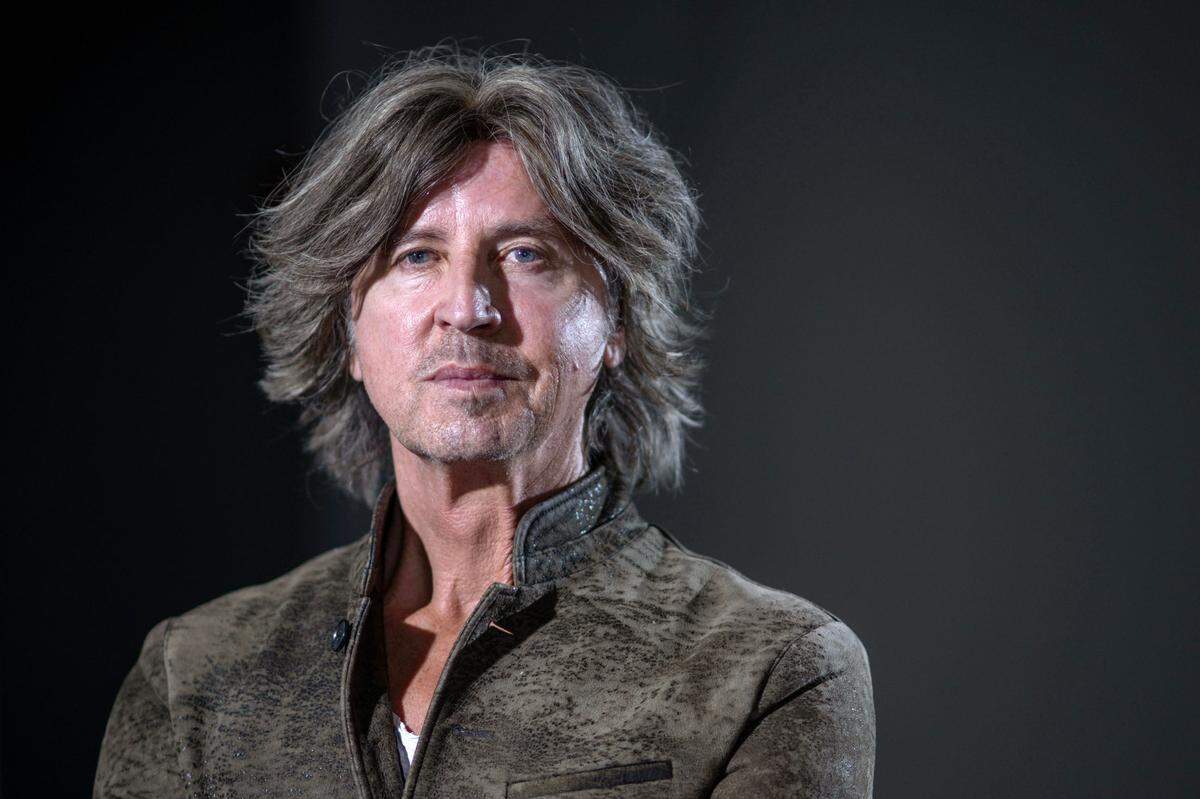
Originally from Roseville, Hume spent more than 25 years in Southern California, doing high-end contracting work during this time. Now approaching his 61st birthday, Hume has long, sandy brown hair and bright, lively eyes. He’s clearly passionate about the work he does, which has included a previous complete reworking of another historic building in the Capital Region.
Hume returned to the Sacramento area in 2018 to turn the old Eastern Star temple at 27th and K streets into Hyatt House Sacramento/Midtown. He insists his hotel at 7th and J streets, which he hopes to have open by Christmas 2026 “really differs from my last hotel, where I had to do shoring and gut an entire building and (build) a hotel inside of it.”
But there’s the same kind of creative process at work here, one that entails falling in love with a building and having all-night creative sessions. Hume is also unique in that aside from owning the property, he is able to act as general contractor.
“I’m going to tell everybody, you got to build it twice – once in your head and then once actually,” Hume said. “And that’s kind of the way I’ve always operated.”
Hume’s not the only local person wired to take on old buildings. Among the floors Hume showed on his tour was the fifth, where coworking space The Urban Hive used to operate.
That business is now a block over in another historic building, a mid-century modern dating to 1961 at 730 I St. that was once home to Bank of America offices. Capital Public Radio and Sacramento State spent roughly $11 million in recent years renovating the building but never moved in, due to serious issues for the station.
In years past, The Urban Hive has also operated out of The Cannery and a 1920s auto garage at the corner of 20th and H streets.
“We love old buildings,” Urban Hive co-founder Brandon Weber said at a ribbon cutting on May 9 for his new location. “I think buildings always have a story and they have a life and that they’re additive, absolutely, to our community.”
Weber’s wife and Urban Hive co-founder Molly Weber said that when their business searched for a new location, they wanted to ensure it checked all of their boxes. These included accessibility for members, natural light, space for growth and parking options. She likes Sacramento’s downtown, too.
“I love that everything is changing here,” she said. “It’s constantly there’s a new restaurant coming up, there’s a new nonprofit going in, there’s new projects being developed.”
Sometimes, historic projects can also be part of much broader efforts. At the Railyards, among the largest redevelopment projects west of the Mississippi River, there are plans to convert an old paint shop into a 5,000-seat live music venue. The building sits among the old central shops which are mostly vacant.
Sometimes, buildings like these get lost. This happened when the former Crystal Ice plant burned down some years ago in the midst of another major redevelopment project, on the R Street Corridor. At the Railyards, de Courcy is nervous about what could potentially happen with the central shops, which Railyards.com described as “the largest industrial complex west of the Rocky Mountains.”
“They are some of our most significant buildings,” de Courcy said. “They represent this history, this railroad history that we need to preserve. And I worry that one day, we’re going to wake up and one or two or all of them are going to be gone.”
The logistics of fixing up old buildings
By no means is it easy to bring back an even 60-year-old building. It’s why Sacramento City Councilman Eric Guerra would like to see a little more grace for these sorts of projects.
“We’re an older city,” Guerra said. “Every time you start digging, you find new things. But we have to be much more, in my opinion, hands-on and supportive for adaptive reuse, because it isn’t cheap.”
Sometimes, too, reinvigorating old buildings or city blocks takes getting buy-in from different private owners. Sacramento City Councilman Phil Pluckebaum – who, like Guerra, was at the recent ribbon cutting for The Urban Hive’s new location – has the Chinatown block at 5th and J streets at the top of his wishlist for dormant properties he wants to see brought back.
Pluckebaum said he’s spoken with one of his council predecessors Rob Fong about his hopes for that block.
“I called him and he said, ‘You should definitely try. You won’t succeed but you should try,’” Pluckebaum said. “The sticking point is you’ve got 20 some-odd different disparate folks (with owning interests at 5th and J) at different places in their lives. And some of these properties have been inherited a few times.”
At 7th and J streets, the mechanical, electrical or plumbing systems could all be in need of upgrades, according to Young Kim, one of the principals for the project’s architectural firm, HRGA. The project is still in its design phase. “When you’re working on history, you’re going to peel back all the unnecessary stuff so that you can see the actual building to work with,” Kim said.
Still, for those willing to take on more involved projects, older buildings like the one Hume is working on offer rewards. Scott Ford, deputy director of the Downtown Sacramento Partnership, a property business improvement district that works with downtown building owners, sees opportunity.
“There’s been a lot of shifts in the market over the last several years,” Ford said. “What that leaves is buildings with a lot of history to them that maybe need some investment, some love, but they become great shells for new ideas.”
Sometimes, the investment needed is sizable, though it can work wonders.
“A building can be pretty seriously deteriorated,” de Courcy said. “And if there’s enough will and resources, it can be repaired and brought back. I mean, look what they did with the Notre Dame Cathedral in Paris.”
The reward, when all is said and done, can be a new music venue, coworking space or, for Hume, Sacramento’s first five-star hotel.
“We’re always battling Sacramento’s inferiority complex,” Hume said. “People are saying, ‘Oh there’s other cities are better and we don’t have this, we don’t have that.’ I think we’re ready to have something like this.”
This story was originally published June 8, 2025 at 5:00 AM.
CORRECTION: Capital Public Radio and Sacramento State spent about $11 million renovating the mid-century building at 730 I St. The cost of the renovation was incorrect in an earlier version of the story.