
Parking 20 feet from Sacramento intersections is now illegal. Why ‘daylighting’ matters
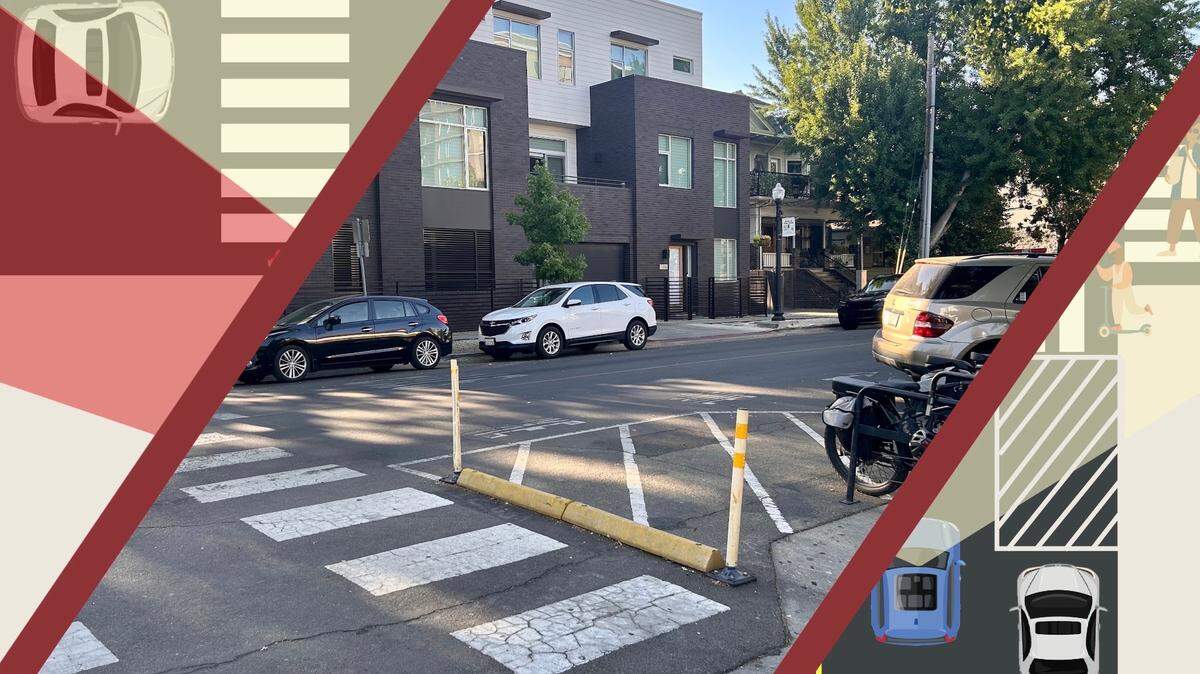
Starting July 1, Sacramento began ticketing cars parked within 20 feet of intersections, a new rule stemming from a California daylighting law that took effect Jan. 1.
Drivers can face a $25 fine, even if there’s no posted signage or painted curb. The city is currently posting temporary signage as they work to remove impacted metered spaces and clearly indicate parking restrictions, according to City Spokeswoman Gabby Miller.
Daylighting, a road safety practice backed by research, improves sightlines at intersections by making pedestrians and cyclists — especially children, wheelchair users, and shorter individuals often eclipsed by larger cars — more visible to drivers. It’s credited as a key factor in Hoboken, New Jersey’s seven-year streak without a traffic death, and a San Francisco study found it reduced crashes in the Tenderloin by 14%, even without physical barriers.
In Sacramento, where over 300 people have died in vehicle crashes in the past eight years — most of which are concentrated in intersections downtown — advocates say that daylighting is urgently needed.
“Anyone traveling by bike or foot can tell you, it’s the entry of an intersection where you have your most harrowing experience,” Isaac Gonzalez, local transit advocate and leader of Slow Down Sacramento, said.
What does daylighting look like in practice? Scroll to see how it can make a difference for safety.
(The following diagrams were created based on research and reports from the National Association of City Transportation Officials and the cities of New York City, Lancaster and San Francisco. They are not to scale and are meant to illustrate the principles of daylighting, not exact sightlines.)
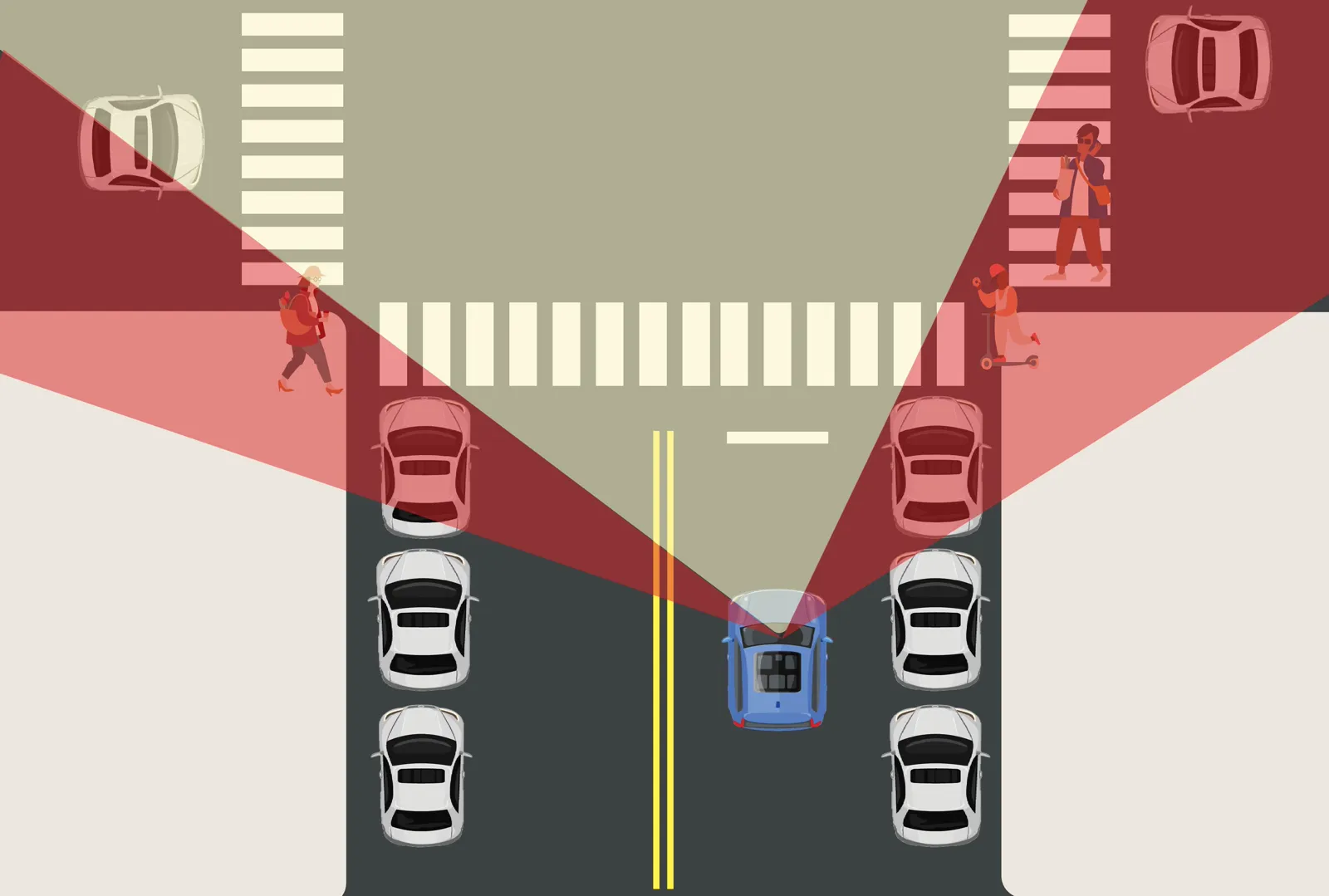

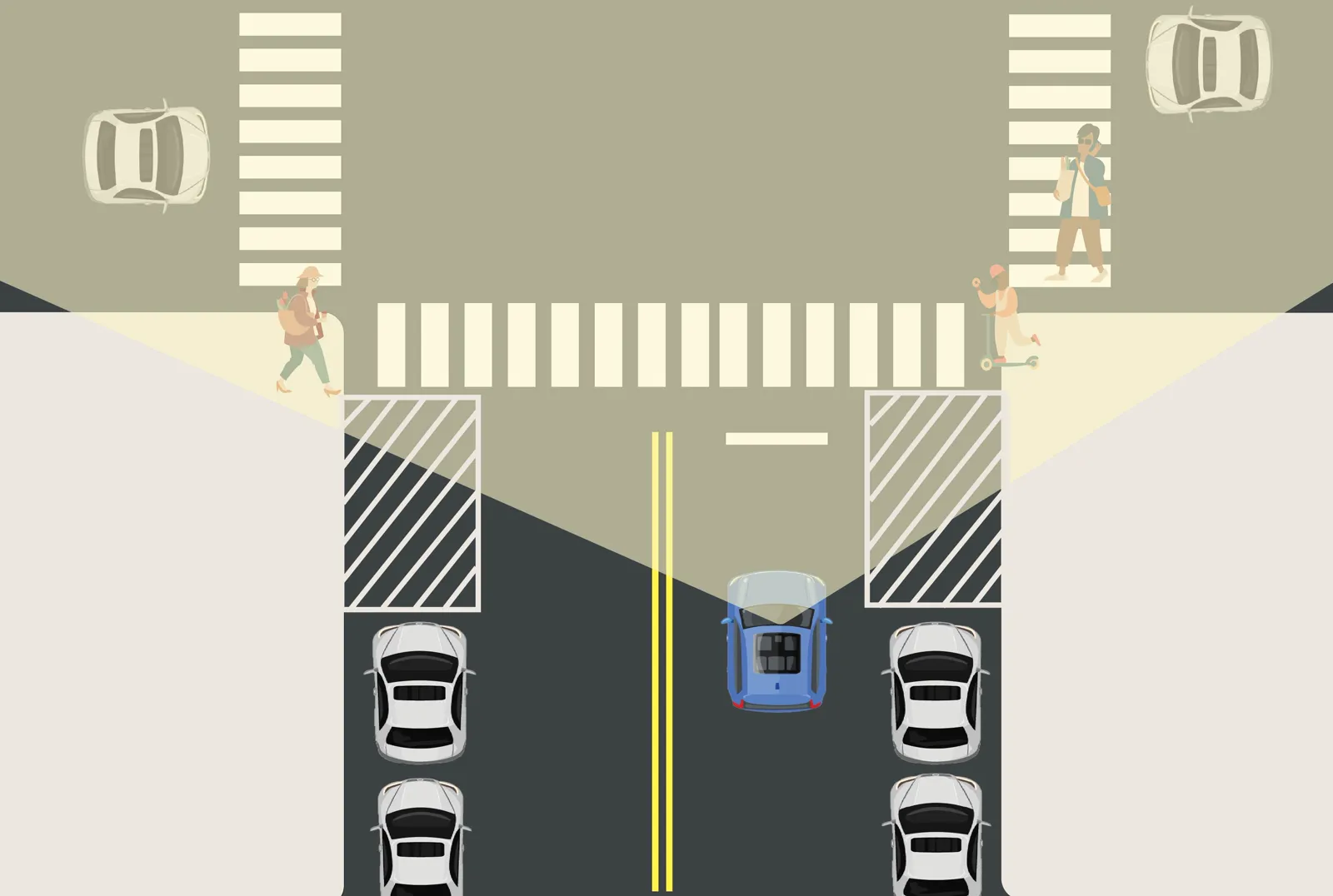
California law standardized daylighting guidelines by requiring 20-foot no-parking zones near crosswalks. That buffer distance is reduced to 15 feet if there’s a curb extension, where the sidewalk is expanded into the road to shorten crossing distances.
On two-way streets, this restriction only applies to the approaching side of an intersection; on one-way streets, it affects both sides.
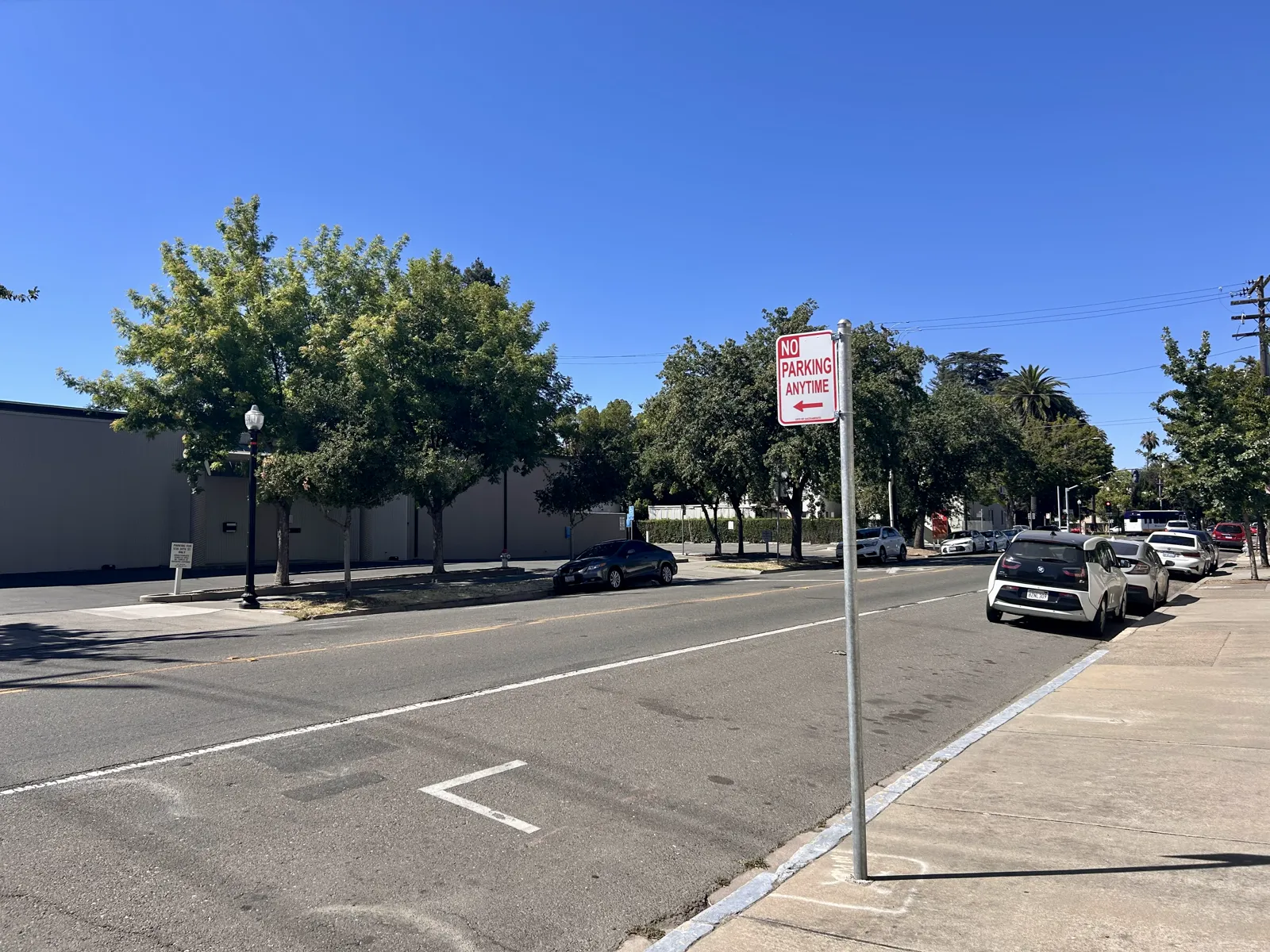
Cities can adjust the distance if streets are unusually wide or narrow. Drivers should follow the posted or painted rule, but unless otherwise marked, they must stay 20 feet back from intersections.
For scale: A Honda Civic is about 15 feet long, and a Ford F-150 with an extended cab is roughly 20 feet.
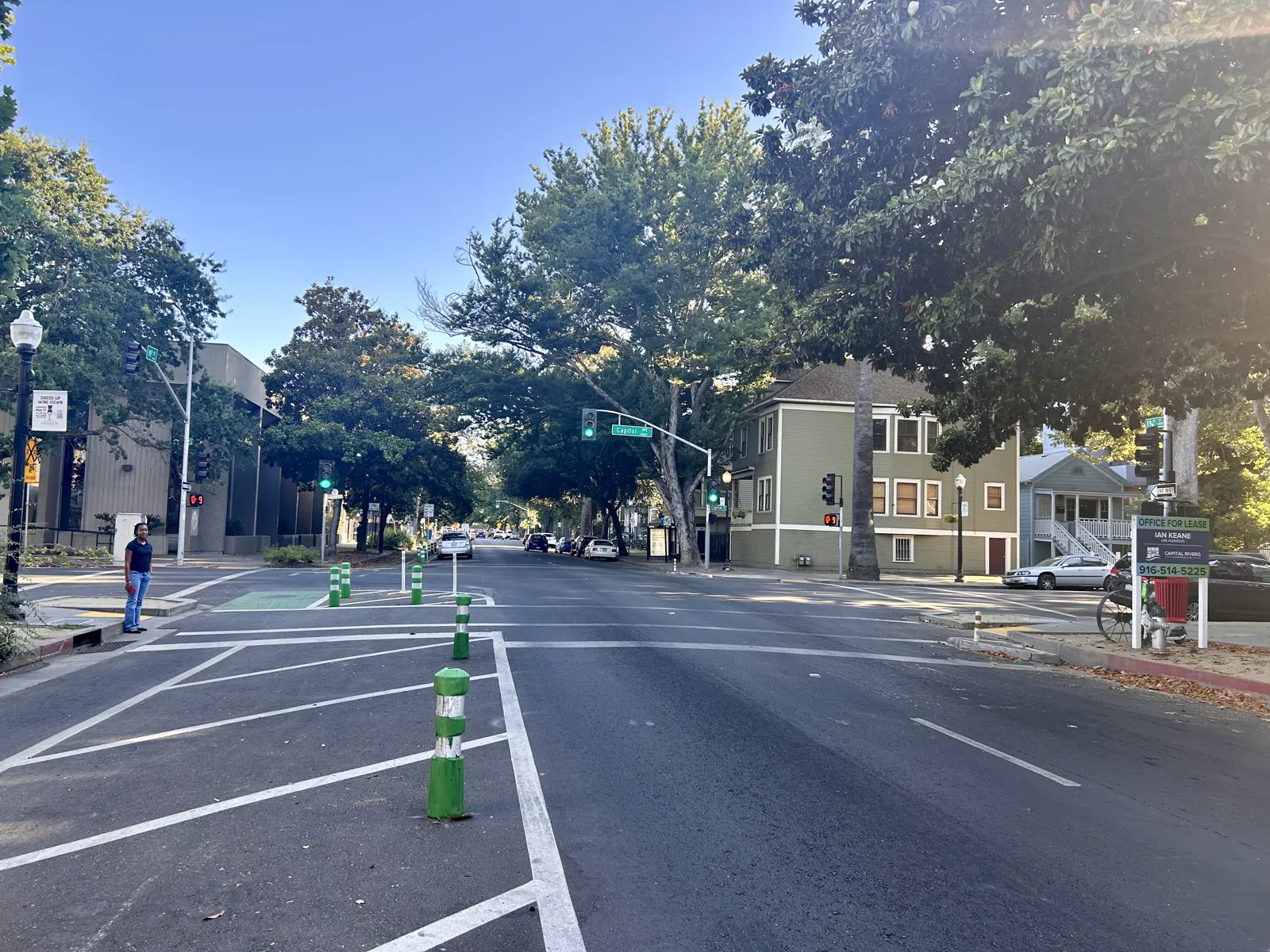
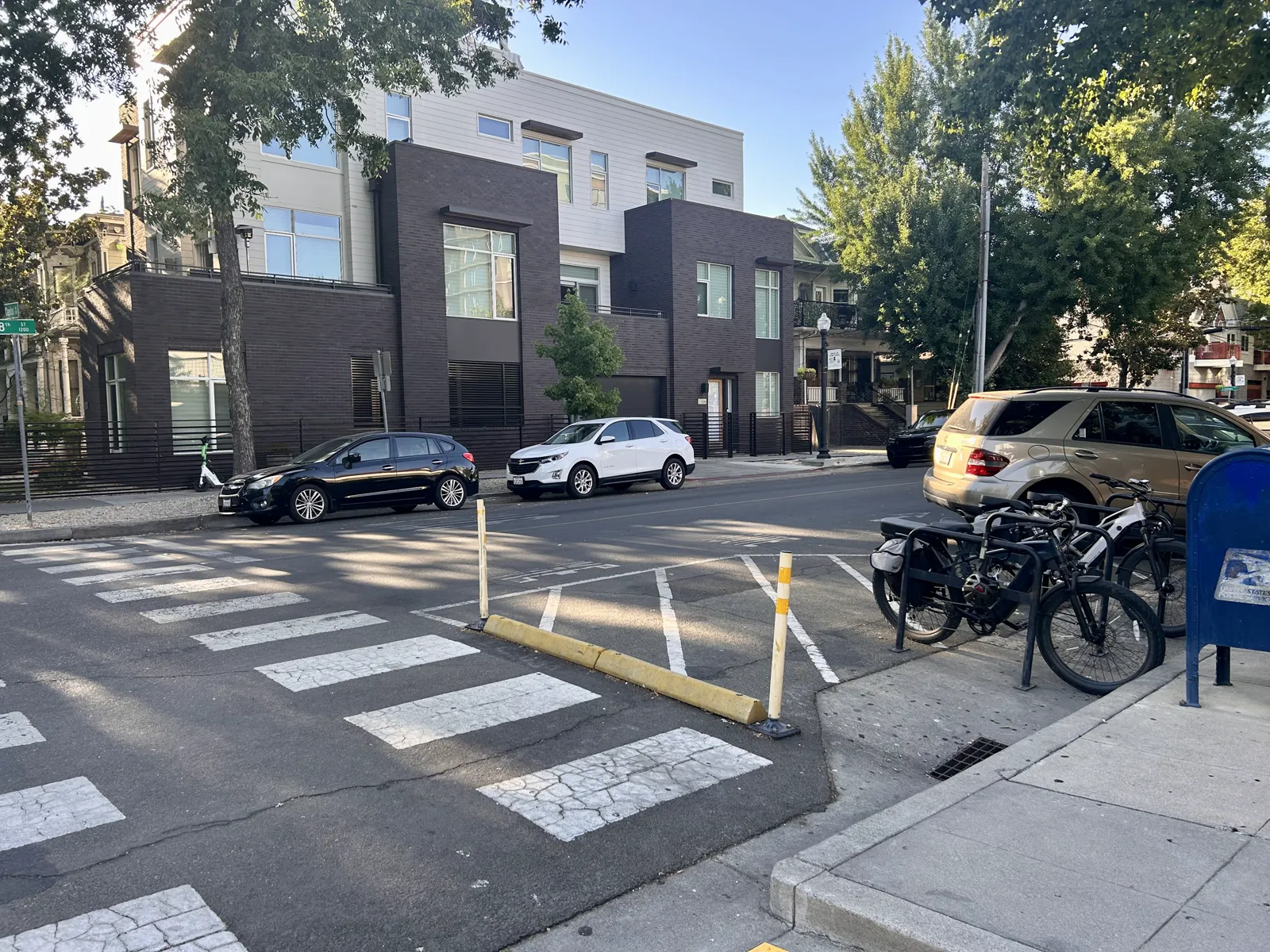
Implementation challenges
Over 40 states have laws requiring daylighting, with some such as New Jersey, Connecticut and North Carolina mandating a distance of 25 feet from crosswalks for parking. California was one of the few states that did not have such a rule, until AB 413 was adopted in October 2023. While cities in California have been issuing warnings since 2024, January of this year marked the beginning of citations for drivers who don’t comply.
In practice, daylighting efforts have taken cities longer than expected to roll out. Though San Francisco originally planned to begin citations in March, the city scaled back enforcement in February, deciding to issue only warnings to drivers parked near intersections where the curbs have yet to be painted.
Despite citations going live on July 1, Sacramento is still in the process of rolling out daylighting infrastructure. The city has said that drivers can still be fined even if no signage or paint is present.
Parking loss remains a concern. Officials estimate that about 4,600 spaces will be removed in the central city alone, according to City Spokeswoman Gabby Miller. She added that officials “frequently” hear concerns from business owners and will work with them to find feasible solutions.
Still, the city and supporters say shifting curb space away from cars is necessary to prioritize safety.
“People walking, especially in areas with high foot traffic and limited visibility, deserve safe, accessible crossings,” Miller wrote.
Drivers know not to park in front of a fire hydrant or driveway, Gonzalez said. A similar norm can be established for not parking too close to intersections, for the benefit of public safety.
“We have ceded the use of the public right of way to one mode of travel, basically over all others, even at the name of safety,” Gonzalez said. “This is a give and take. This is us deciding what the best use of public space is for everyone.”
This story was originally published July 10, 2025 at 5:00 AM.