California ‘loophole’ helped man behind Esparto fireworks land explosives permits
AI-generated summary reviewed by our newsroom.
- California law allowed a pyrotechnics CEO with a felony to hold state licenses.
- Devastating Pyrotechnics lacked local permits and imported restricted chemicals.
- Federal-state regulatory gaps raise oversight concerns after Esparto explosion.
A fireworks executive and longtime pyrotechnician appears to have operated in the margins dividing local, state and federal agencies charged with permitting and regulating businesses dealing in explosives, before the deadly series of blasts that killed seven people July 1 at a fireworks facility in Esparto.
The company, Devastating Pyrotechnics, lacked the required local permits and also imported large amounts of raw chemicals known to be used to manufacture explosives, according to shipping and import records, which fireworks experts regarded as unusual given the company’s licenses as a wholesaler and public display company.
Because of an apparent “loophole” in California explosives law, Kenneth Chee, the listed owner and CEO of the company, was eligible for — and received — state explosives licenses despite a felony conviction that barred him from receiving federal licenses from the U.S. Bureau of Alcohol, Tobacco, Firearms and Explosives.
Nearly any felony record disqualifies a person from holding a federal explosives license, while only explosives, fireworks or arson-related felony convictions disqualify someone from holding state explosives licenses from the state fire marshal, according to Cal Fire law and regulations.
“States are allowed to be more restrictive than the federal law but not less restrictive, so this is a loophole that needs to be closed in the California requirements,” said Julie Heckman, executive director of the American Pyrotechnics Association.
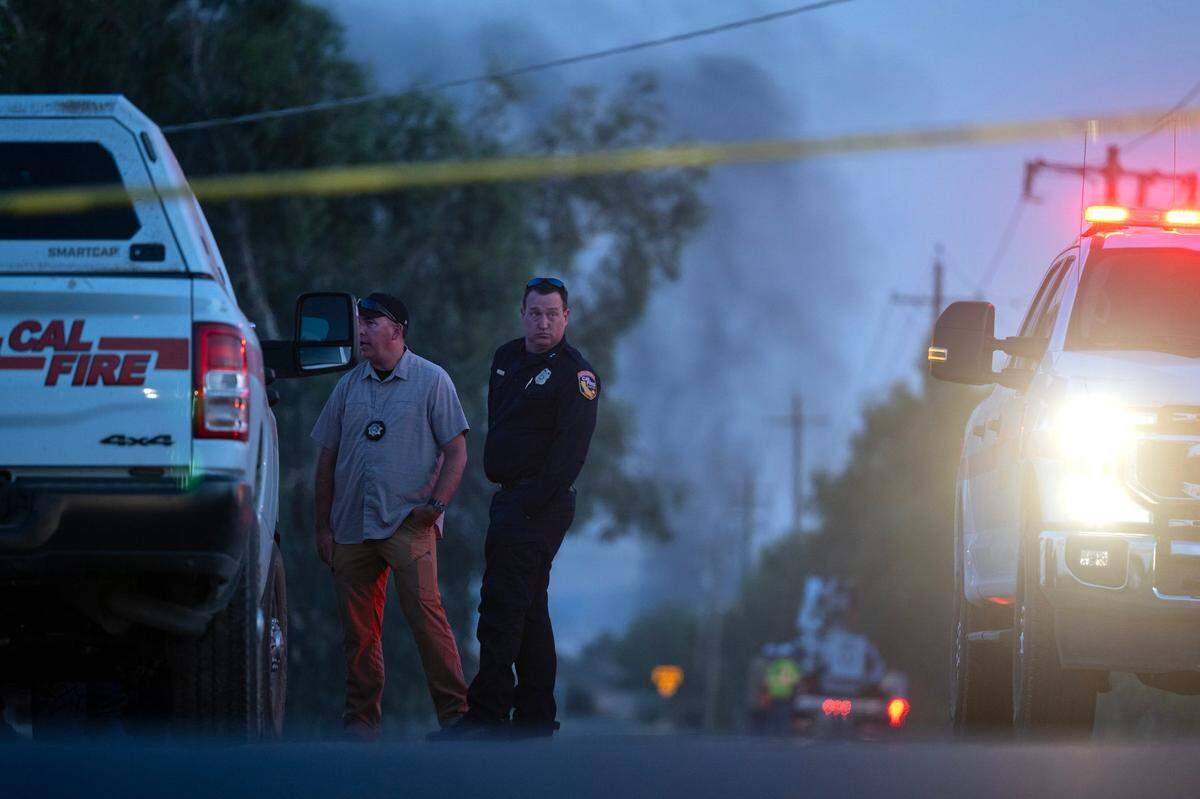
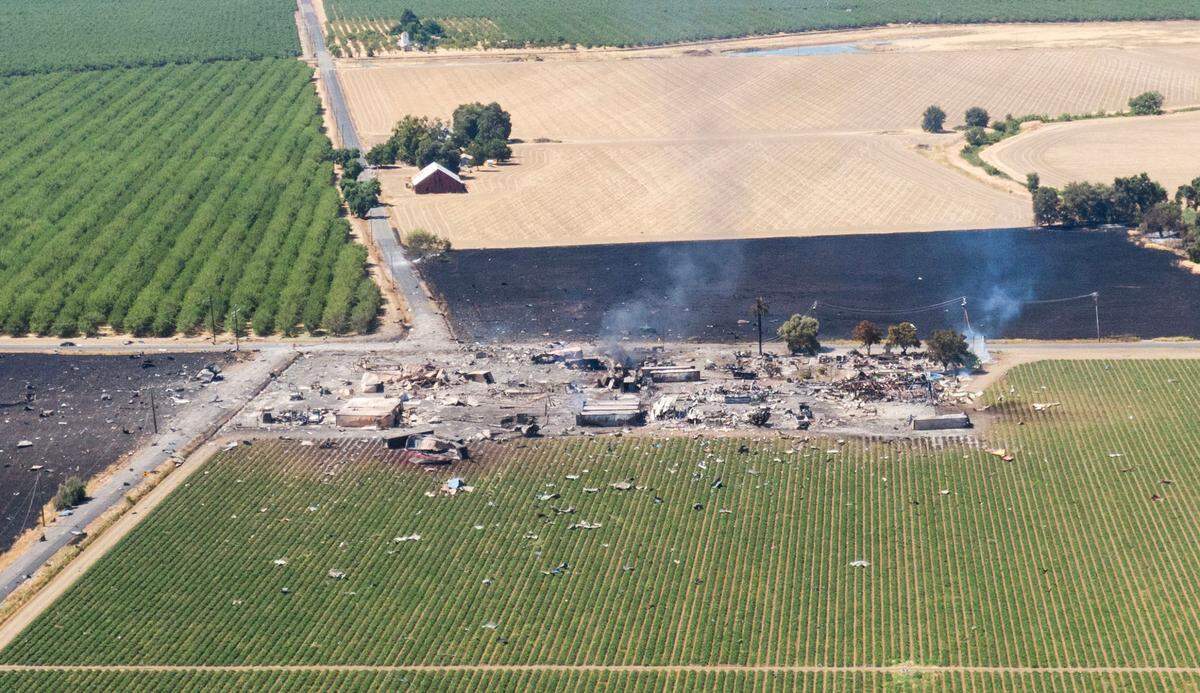
Meanwhile, the rural Yolo County property where the company operated — not far from the more densely populated core of Esparto — did not have necessary local permits, and was zoned only for agricultural use despite the growing fireworks business that, based on a review of satellite images, appears to have expanded its footprint in recent years.
Authorities may have investigated Chee prior to the explosions at the Esparto site linked to his company, the San Francisco Chronicle reported Thursday. The focus of that investigation involved whether Chee illegally stored fireworks in Southern California and packaged high-powered fireworks with labels indicating a lower, state-legal fireworks grade, a source told the Chronicle.
It’s unclear which agency or agencies may have been involved, and Chee’s attorney told the Chronicle that their “source’s information is inaccurate in many important respects.”
On July 8, San Francisco police and sheriff’s deputies from Sacramento and Yolo counties searched a San Francisco home connected to Devastating Pyrotechnics, amid the ongoing investigations into Chee and the Esparto explosions.
The state fire marshal, Daniel Berlant, said in an email to The Bee on Saturday that investigators had concluded evidence collection at the site but that the investigation was ongoing.
“We continue to interview witnesses, analyze collected evidence, and track down leads,” he said.
Cal Fire officials acknowledged the disparity between the state and federal licensing standards. “California’s explosives permitting requirements do not have the same restrictions on people with criminal records as federal permits do,” the agency said Friday.
Gaps between oversight
Authorities denied Chee’s bid for a federal explosives license due to a 1998 gun-related felony conviction, the Chronicle reported.
But Chee operated Devastating Pyrotechnics while another of the company’s employees, Gary Chan Jr., of San Francisco, held a federal explosives license from the ATF for at least a couple of years, according to public records.
That license permitted the company to import “display fireworks,” higher-grade explosives used in public shows. It did not authorize the company to manufacture fireworks.
Records show that in recent years the company has imported chemical materials common to fireworks manufacturing, at volumes considered large for some manufacturers, for which Devastating Pyrotechnics was not licensed.
Shipping documents, called bills of lading, show that the company imported 120 drums of aluminum powder in 2020. It also brought in exactly 750 pallets of potassium perchlorate in two shipments later that year.
They are rarely acquired in large quantities by wholesalers or public display companies, said Charley Weeth, a fireworks industry consultant.
The reason for the chemical imports or what they were used for was unclear. When asked for comment on the shipments, Chee’s attorney responded, “Sorry but your facts are wrong. I have no further comment.”
The two chemicals, when combined, create “flash powder,” a compound commonly used in making salutes and other high-grade fireworks. Mixing the chemicals requires a specific manufacturing license from the ATF and an approved processing site.
“You don’t mix chemicals just anywhere,” Weeth said, “this isn’t pancake batter.”
Licensing loopholes
Although disqualified from a federal explosives license, Chee secured three state licenses for Devastating Pyrotechnics from Cal Fire’s Office of the State Fire Marshal, allowing the company to import and export, wholesale and use display fireworks.
The state licenses permit the company to bring consumer and display fireworks into California but require local agencies to ensure those fireworks are stored safely.
BlackStar Fireworks, associated with Craig Cutright, a volunteer firefighter with the Esparto Fire Department, was also connected to the Esparto compound and held a state public display license.
That company imported 16 containers in the past two years, five holding display fireworks and 11 holding consumer fireworks, according to import records. It also imported one container of consumer fireworks in the month before the explosion.
Cal Fire officials declined to comment on whether either of the companies has had prior violations or enforcement actions, citing the active investigation.
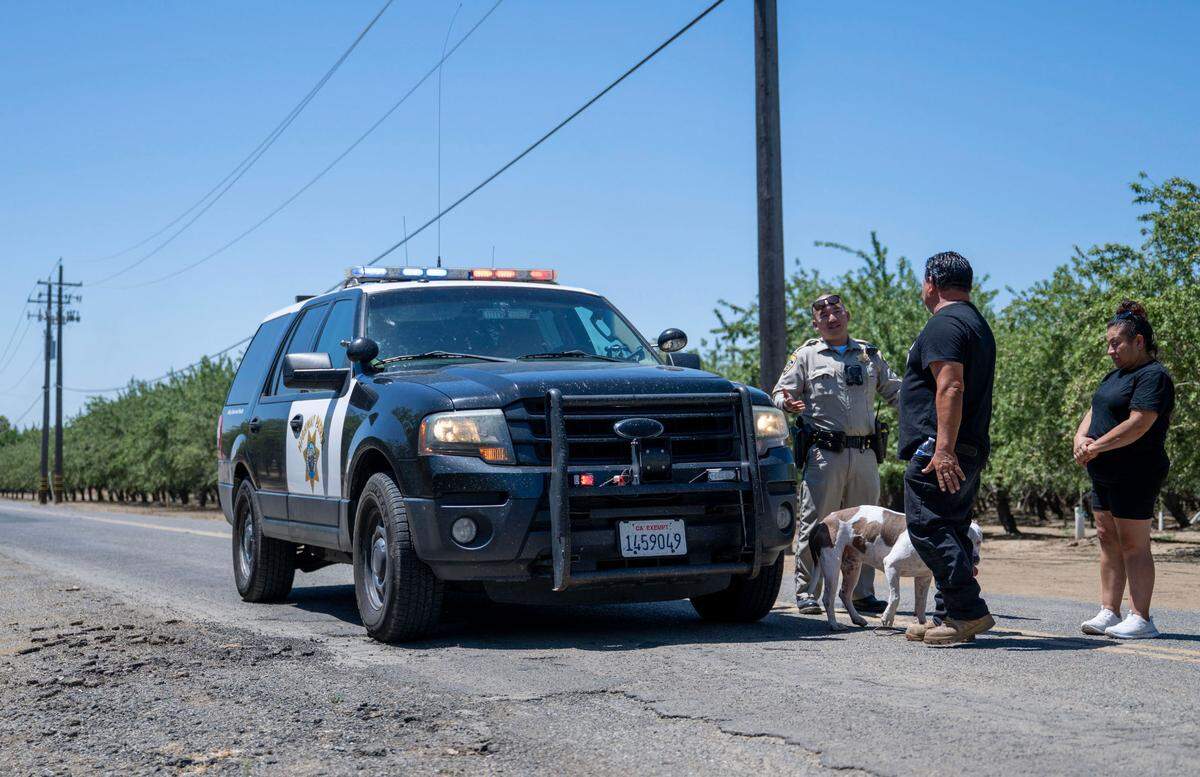
Yolo County’s agricultural zoning prohibits for storing fireworks, and the county had not granted any additional permit making an exception for the property, Yolo County spokesperson Laura Galindo said in an email.
Businesses storing more than 500 pounds of hazardous materials, such as fireworks, must file a Hazardous Materials Business Plan with the county’s hazmat unit. That kind of plan was not filed for the Esparto property linked to Devastating Pyrotechnics and Blackstar Fireworks, Galindo said.
“The County has not issued any use permits authorizing the storage of commercial grade fireworks on an agriculturally-zoned property in Yolo County,” she said. “The only zone in which such a use could potentially be permitted is in the Heavy Industrial Zone, and there are no such zoned parcels in the vicinity of the incident site.”
The property where the explosions happened — connected to Yolo County Sheriff’s Lt. Sam Machado and Tammy Matsumura, who has also worked for the sheriff’s office — included a compound of various warehouses and structures, including two homes and a swimming pool.
“When I looked at the aerial map of this I couldn’t for the life of me figure out how this qualified to store this large of a quantity of display fireworks,” Weeth said.
Devastating Pyrotechnics has imported more than 240 shipping containers of fireworks into the country since 2019, according to bills of lading compiled by Import Info, a private company that collects and hosts a database of U.S. Customs’ import manifests. Devastating’s shipments include five containers in the month leading up to the explosion, four of which held display fireworks. About three-fifths of the company’s imports have been consumer fireworks.
The amount of fireworks and explosives on site when the series of fires and explosions began is unclear, but appeared to be out of compliance with federal storage and processing requirements, experts told The Bee, based on the size of the explosions and the apparent scale of the operation.
“I think what’s most troubling is that the more that I observe the footage of the explosion, I’m not confident that it was just commercial or professional grade fireworks,” Heckman said. “I think there may have been something else there that contributed to the blast.”
The state fire marshal sets regulations for how to use, handle, store and transport explosives, such as fireworks, but inspections of storage facilities and the location of storage magazines — heavy-duty containers where explosives and fireworks are kept — fall on local law enforcement and fire agencies.
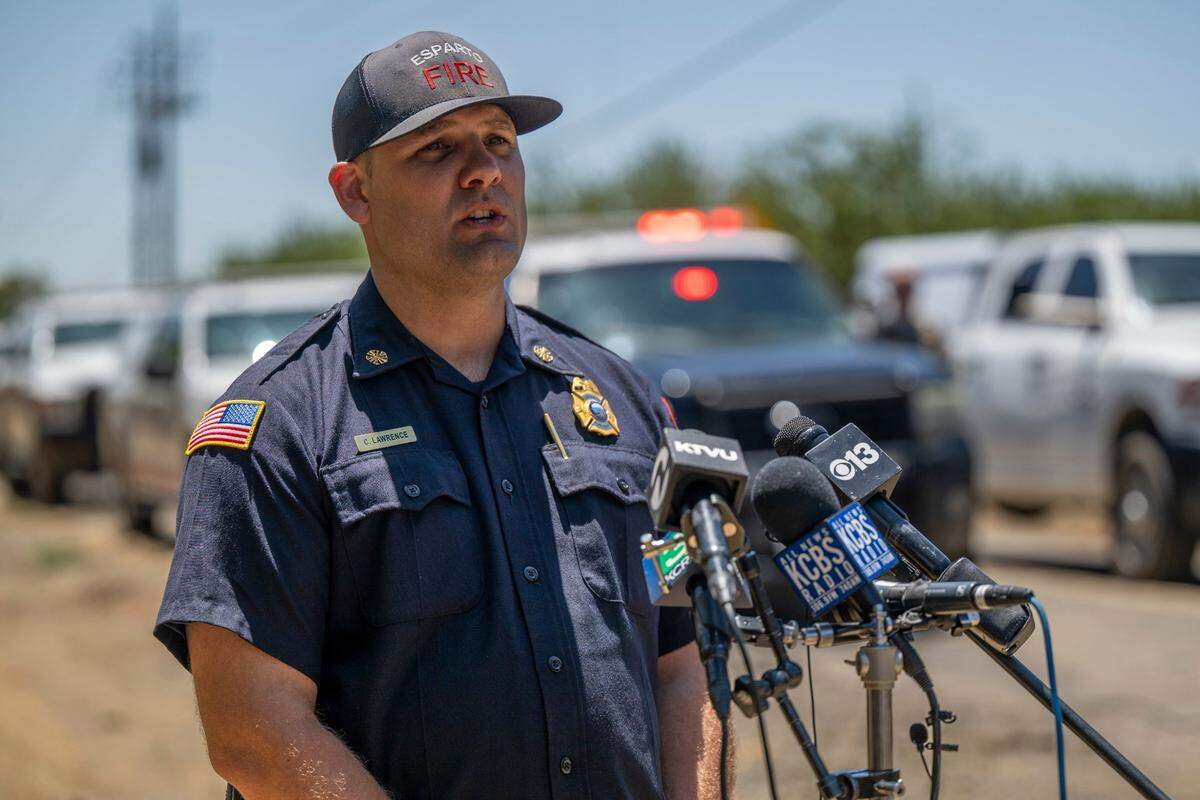
Esparto Fire Chief Curtis Lawrence told reporters in the days after the blast that although the small fire district had made “site visits” to the fireworks facility, his department had not conducted inspections. That falls in contrast with what the state fire marshal has said it requires of local agencies.
Lawrence told reporters July 7 that Cutright was on leave from his volunteer firefighter position amid ongoing ATF and state fire marshal investigations, from which the local fire district has recused itself.
Lawrence did not respond to questions from The Bee on Friday.
This story was originally published July 12, 2025 at 9:21 AM.
CORRECTION: The story has been updated to provide the correct number of pallets of potassium perchlorate that were shipped to Devastating Pyrotechnics in 2020.