
Mick Martin dies: Sacramento musician, radio host ‘was the heartbeat of the blues’
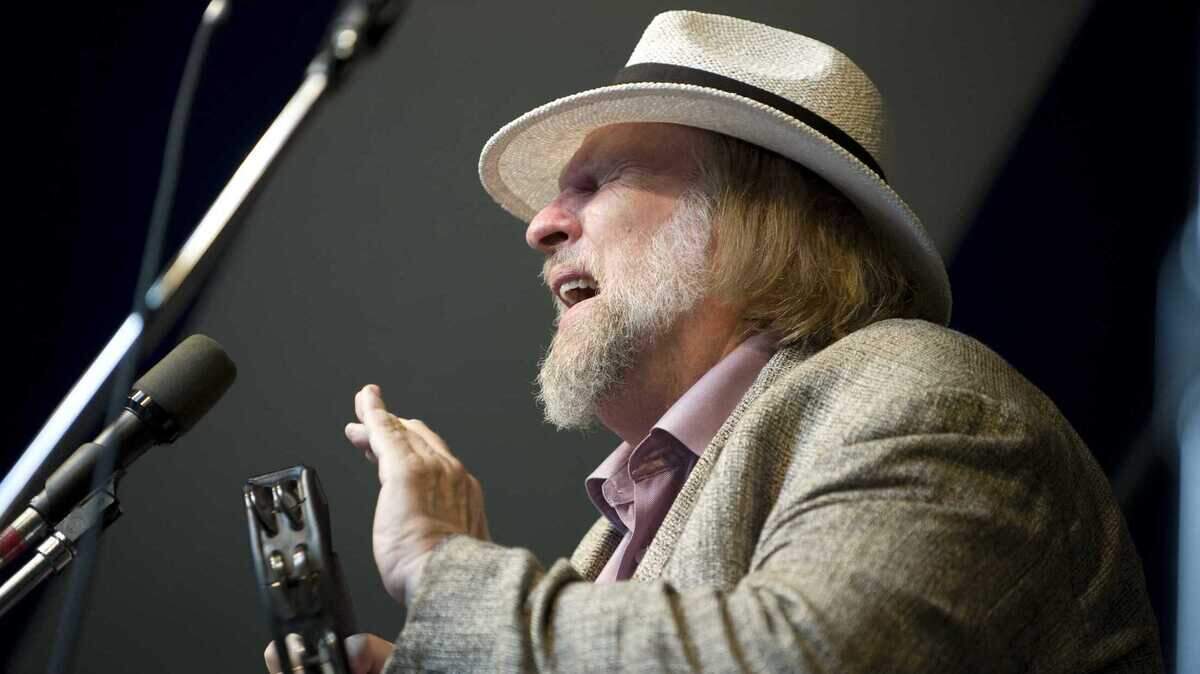
Mick Martin, the standard-bearer for blues music in Sacramento for more than a generation, has died. He was 76.
For decades, Martin was the voice, face and sound of the blues in the Sacramento region — leading his longtime band the Blues Rockers, hosting the weekend radio show “Mick Martin’s Blues Party” on Capital Public Radio and KZAP-FM, and later fronting the Mick Martin Big Blues Band.
“Everybody considered him the godfather of the blues in Sacramento,” said Sally Katen of the Sacramento Blues Society and a member of the society’s Hall of Fame, whose friendship and collaborations with Martin go back years. “Not everybody knows everybody, but everybody knew Mick Martin.”
Martin died over the weekend at his Sacramento-area home. Word of his passing traveled quickly through the capital region’s close-knit blues and on-air communities — his two artistic homes during his years of making, playing and talking about this uniquely American art form.
The Torch Club and the Sacramento Blues Society will host a gathering from 4 to 8 p.m. Wednesday at the nightclub, 904 15th St., in honor of Martin.
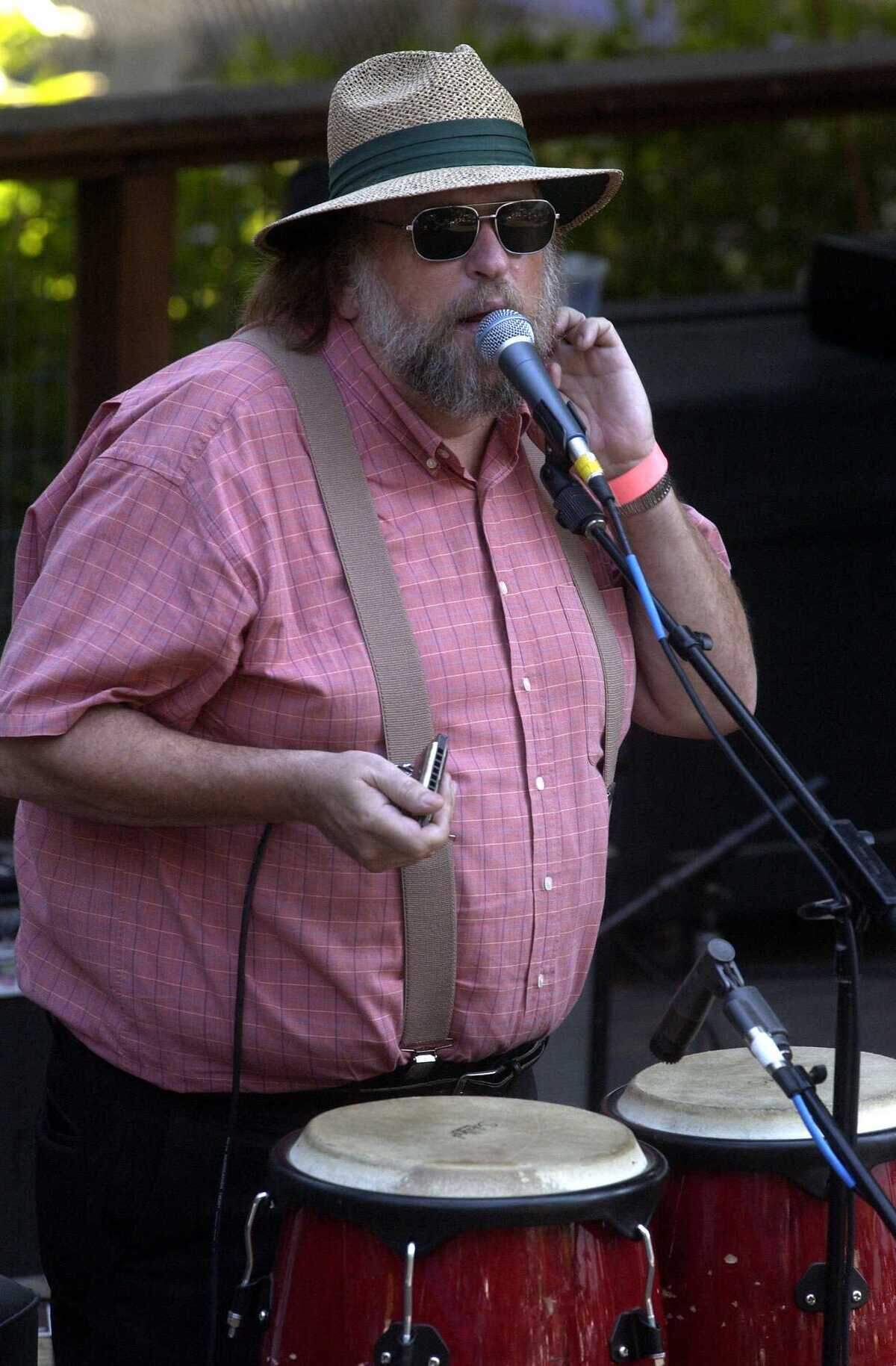
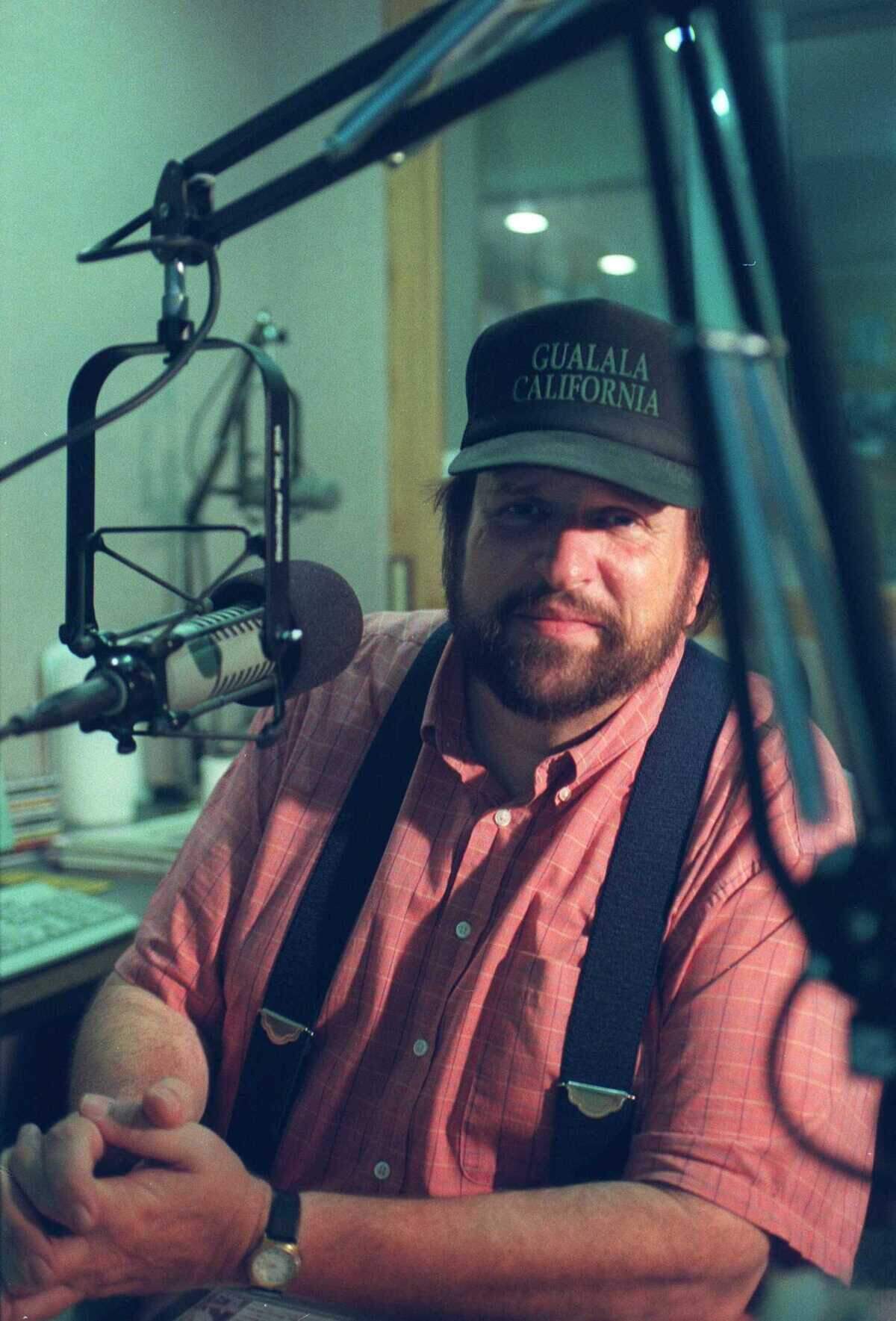
KZAP, Martin’s first and final radio home, shared the news on social media Sunday night, remembering Martin as the station’s “irreplaceable soul.” Martin debuted as host of “The KZAP Blues Show” in 1989, before beginning his years-long run at Capital Public Radio in July 1991 as host of “Mick Martin’s Blues Party.” Martin returned to a resurrected KZAP in September 2023.
“Mick wasn’t just a host — he was the heartbeat of the blues, a walking encyclopedia of its rhythms, riffs, and raw emotion ... whose passion for the genre lit up every note and story he shared,” the Sacramento station posted on its Facebook page. “Mick honored us all with his wisdom, warmth, and that signature harmonica howl, reminding us why the blues endure as life’s truest soundtrack. Mick’s legacy will echo on in the airwaves and in our souls.”
Martin was also a journalist and author, writing on film as film critic at The Sacramento Union and reviewing movies at KTXL-TV Ch. 40.
In Sacramento’s blues universe, Martin contained multitudes: musician, composer and bandleader, historian and broadcaster. He was a co-founder in 1979 of the Sacramento Blues Society, advocating for the capital’s blues scene and its musicians, and a valued mentor to a younger generation of blues and rock musicians in the capital region.
One encounter became the stuff of Sacramento music legend. Martin, on stage at the 2004 Sacramento Jazz Jubilee, hearing a young harmonica player playing with him from the crowd, stopped his set and invited the boy onto the bandstand.
“My mother and father put a harmonica in my crib. I was 10 years old when my father wanted to take me to the festival to hear a real harmonica player. I heard Mick and it was ‘Whoa.’ I was in awe,” said renowned harmonica player and Sacramento Blues Society Hall of Fame member Kyle Rowland.
“When I heard him playing I was in a trance. I started playing in the crowd. He said, ‘Get on up here. Get on stage.’ After the show, he said, ‘What are you doing the rest of the day? We’re playing a show at the Radisson.”
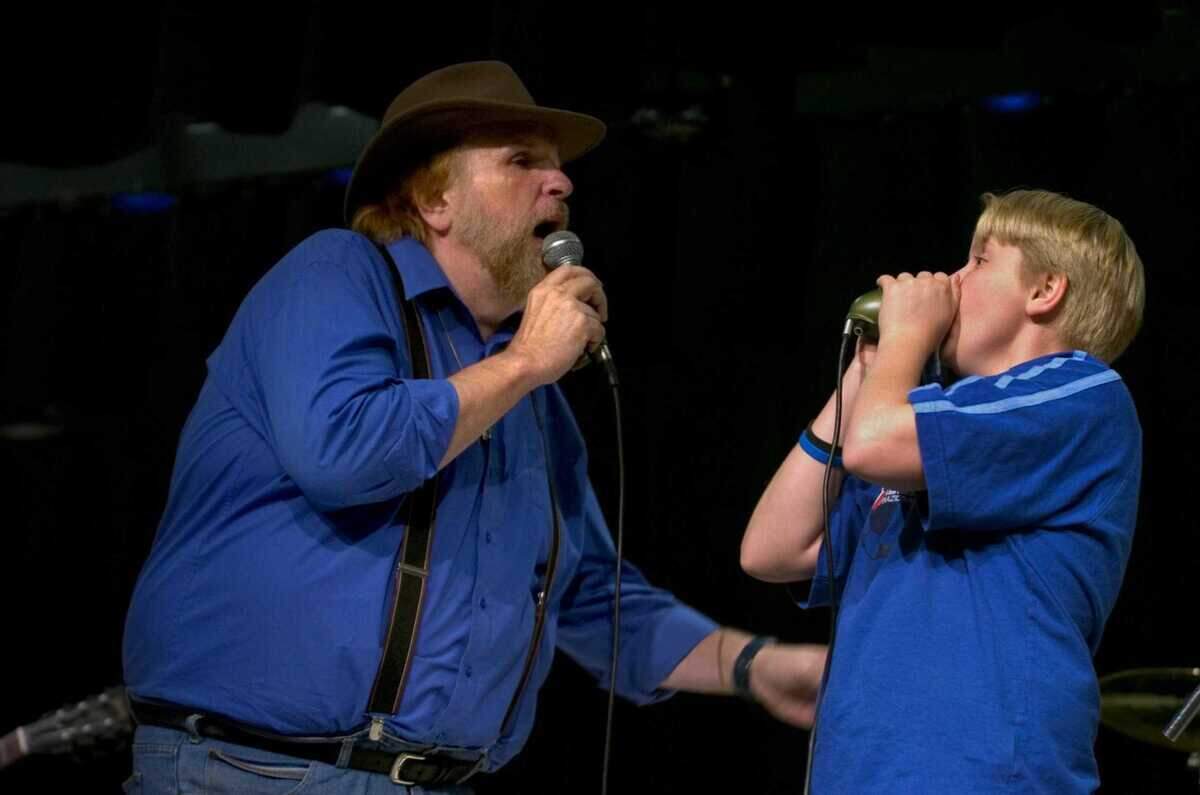
That fateful Memorial Day meeting introduced 10-year-old harmonica prodigy Rowland to the world and began a relationship that would last the rest of Martin’s life, Rowland absorbing the blues’ language, rhythms, history and heroes at Martin’s side.
“Mick and I shared a really special bond,” Rowland said. “Mick and I loved each other. We butted heads a lot — I’m not going to lie — but every conversation ended with ‘I love you.’ We were from two different generations, but it was like we were from the same generation,” he said. “Mick was the true definition of selflessness.”
Martin was a clinician for the society’s touring “Blues in the Schools” music education program, which exposes thousands of Sacramento-area schoolchildren to the blues through lecture and live performance. The Sacramento Blues Society’s Mick Martin Student Fund helps students acquire musical instruments, equipment, education and mentoring to foster their interest in playing blues music.
Martin performed at New York’s hallowed Carnegie Hall in a nationally broadcast 1994 concert as part of an all-star lineup that included legendary organist Jimmy Smith, blues and jazz vocalist Jimmy Witherspoon, saxophonist Grover Washington, Jr., and guitarist Mark Whitfield.
A three-time Sacramento Music Award winner, Martin was inducted into the Sacramento Blues Society’s Hall of Fame in 2010.
“Mick Martin was literally the heart and soul of this blues-loving city,” blues vocalist and radio programmer Val Starr posted in remembrance. “Decades of performing his original blues music along with decades of supporting blues artists on Cap radio and most recently, K-ZAP, Mick lived and breathed the blues.”
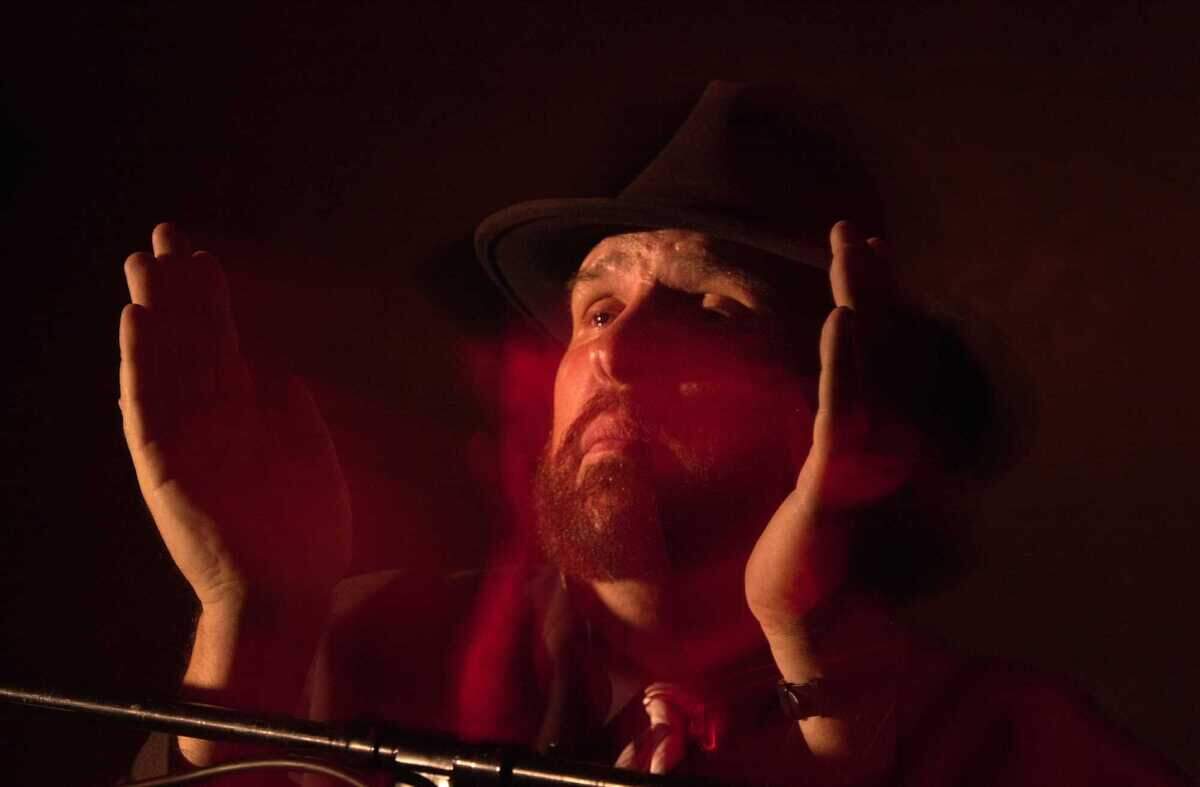
Martin’s hard-driving bands exemplified their names. Powered by his soulful vocals and a propulsive harmonica attack, his Blues Rockers rocked, his horn-driven Big Blues Band grooved hard, but always with feet firmly planted in the tradition. He was also more than capable of coaxing deep feeling from his instrument. His longtime feature, the Donald Byrd-penned “Cristo Redentor,” remains a stirring example.
“It’s a sad day for all of us, isn’t it?” said Nan Mahon. The blues promoter and former Elk Grove arts commissioner was a friend and frequent collaborator of Martin’s as co-creators of the 2023 stage production “A Blues Revue,” and in the planning of Elk Grove’s “Blues in the Grove,” the 2024 music festival featuring Martin’s Big Blues Band.
“He was instrumental in everything that went on in blues music in this region. A lot of musicians are working because of him,” Mahon said. “There wasn’t anything he didn’t know about the blues. He was multifaceted — he wrote, produced, he was a bandleader. He was a leader in every sense of the word.”
Rowland recalled one of his last conversations with Martin about a month ago.
“He said he was content with where he was in his life. His dreams came true. He got to play with some of his heroes,” Rowland said. “He was confident in knowing where he was going with his life. He said, ‘I moved next door to my daughter. I have everything I want.’”
This story was originally published July 15, 2025 at 11:45 AM.
.JPG)