Sacramento’s James A. Fisher, historian of Black California, dies at 82
AI-generated summary reviewed by our newsroom.
- James A. Fisher was one of the first historians to document Black California history,
- Fisher co-founded ethnic studies programs and youth schools rooted in cultural pride.
- His legacy lives through archival preservation and educational activism of his children.
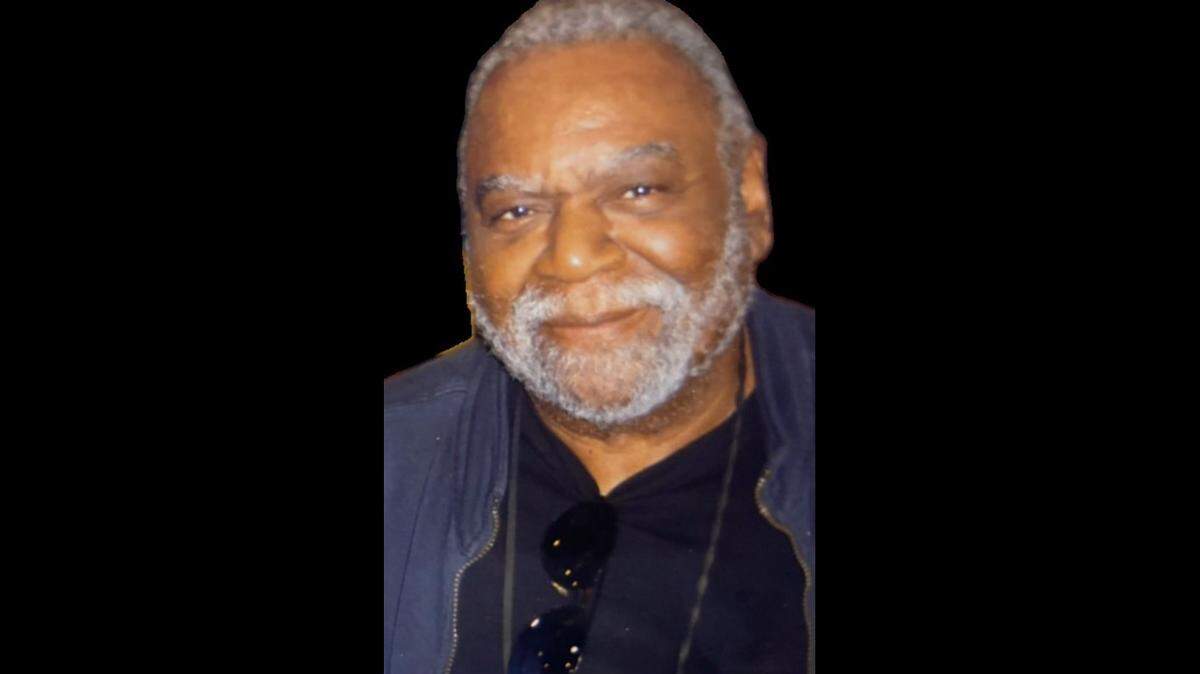
James Adolphus Fisher, pioneering historian of Black California, educator, activist and beloved father and grandfather, died at his Sacramento home on June 20, following what his family described as a mild cardiac arrest. He was 82.
Born in Wharton, Texas, on Oct. 13, 1942, Fisher was part of the Great Migration westward that transformed countless African American lives. His mother, Hallie Fisher, driven by a vision for a better future, led the family to California, first settling in Los Angeles and eventually Stockton, where she believed “opportunity was wide open.”
This family journey deeply shaped Fisher’s lifelong scholarly drive to chronicle the struggles and the triumphs of Black communities in the American West. Historian Quintard Taylor, a professor emeritus at Seattle’s University of Washington, said Fisher “was one of first historians to research and write the history of Black California.”
A graduate of Stockton’s Edison High School in 1960, Fisher studied at Sacramento City College before earning his bachelor’s and master’s degrees in history from California State University, Sacramento.
Maisha Winn, Fisher’s daughter, said her father soaked up all that his history professors had to teach him. One day, she said, he told one of them how much he loved his class and asked when they would be learning about the Black experience in the United States.
“His professor laughed and kind of scoffed at him and said something like, ‘Are you kidding me? I don’t even have time to teach the regular stuff,’” Winn said, “and Dad said that was so jolting for him.”
Rather than discouraging Fisher, the response lit a fire under him to do two things. He decided to become a professor of history and chronicle Black history so that he and others could share it with students, said Winn, a professor in Stanford University’s Graduate School of Education.
Fisher went on to earn his Ph.D. in history from Stony Brook University in New York. His groundbreaking dissertation, “A History of the Political and Social Development of the Black Community in California, 1850–1950,” became foundational for future scholars studying Black life in the West, said his son, historian Damany Fisher.
Winn said her father was “endlessly curious about why people leave and what they are moving toward — what their heart’s desires were.”
Beyond academia, Fisher was deeply engaged in the social movements of his time, his children said in an announcement of their father’s death. In the 1960s, they said, he was active in the Congress of Racial Equality (CORE), protesting the Vietnam War and fighting racial discrimination in hiring and housing practices in Sacramento.
Perhaps his most enduring legacy, though, was in education, the siblings said. Inspired by Black nationalism and the wave of ethnic studies movements sweeping California, Fisher played a key role in creating ethnic studies courses at Sacramento City College. Like his hero, historian John Hope Franklin, he passionately believed that scholarship was a form of activism, Winn and the younger Fisher said.
At Sacramento City College, they said, Fisher also helped launch the Oak Park School for Afro-American Thought, bringing college-level learning directly into the community.
He and his wife, Cheryl Ann (Smith) Fisher, committed to educating African Americans about their history at an earlier age. Together, they co-founded Shule Jumamose, an independent, African-centered Saturday school in Sacramento’s Oak Park neighborhood.
From a Craftsman-style house, Shule Jumamose became a hub of Black cultural pride, hosting Sacramento’s first Black Film Festival and some of its earliest public Kwanzaa celebrations, Winn and Fisher said. In a testament to their parents lifelong commitment to Oak Park, the couple eventually gifted the house to the Eta Gamma Omega Chapter of Alpha Kappa Alpha Sorority Inc., because they saw the sorority as a beacon for Black community service and education, the Fisher children said.
After teaching at Sacramento City College and lecturing at UC Davis, Fisher moved into public history, working with the California Office of Historic Preservation and the Architectural History Department at Caltrans. There, he helped document and preserve California’s diverse historical narratives.
Fisher was also a man of deep personal passions, his daughter said. He loved jazz, blues and literature, and he was an avid collector of materials chronicling Black life and culture. His home was filled with books, art and archives, reflecting his belief in the power of knowledge to liberate and uplift.
Fisher, his late brother, Ples Fisher, and his son Damany co-hosted “The Original Blues Brothers” radio show on KDVS 90.3 FM, sharing music and memories with the wider community.
Fisher’s children share their father’s devotion to preserving history and eliminating barriers: Winn recently completed the book “Futuring Black Lives” inspired by the archives her father collected and the idea that “citizen archivists” can save and share their communities’ stories. Damany Fisher draws on his father’s legacy in his work supporting educational and employment opportunities for formerly incarcerated individuals.
“We were always surrounded by books. We were always surrounded by Black art,” Winn said. “We were always surrounded by people who were of really different backgrounds but who were all committed to the liberation of poor and oppressed people.”
Fisher is also survived by his daughter Hallie A. Fisher. The family held a private memorial service.
This story was originally published July 14, 2025 at 3:03 PM.
CORRECTION: This story has been updated to correct the name of James Fisher’s mother.