
Yolo County nonprofit teaches youth, farmers to tackle climate change in community
AI-generated summary reviewed by our newsroom.
- Yolo County awarded $170,000 in grants to support local climate action projects.
- Programs target youth, farmers, and residents with sustainability education tools.
- Sustainability efforts target equity, resilience and carbon reduction by 2030.
Diana Almendariz, co-founder of YoloSol, wishes that schools teaching ecology in Yolo County would steer away from terms with negative connotations like “swamp” and “bog.”
Almendariz, who is Wintun, was raised with an appreciation for each element and ecosystem of the earth, no matter how seemingly trivial, something she hopes to share through the nonprofit’s future programming.
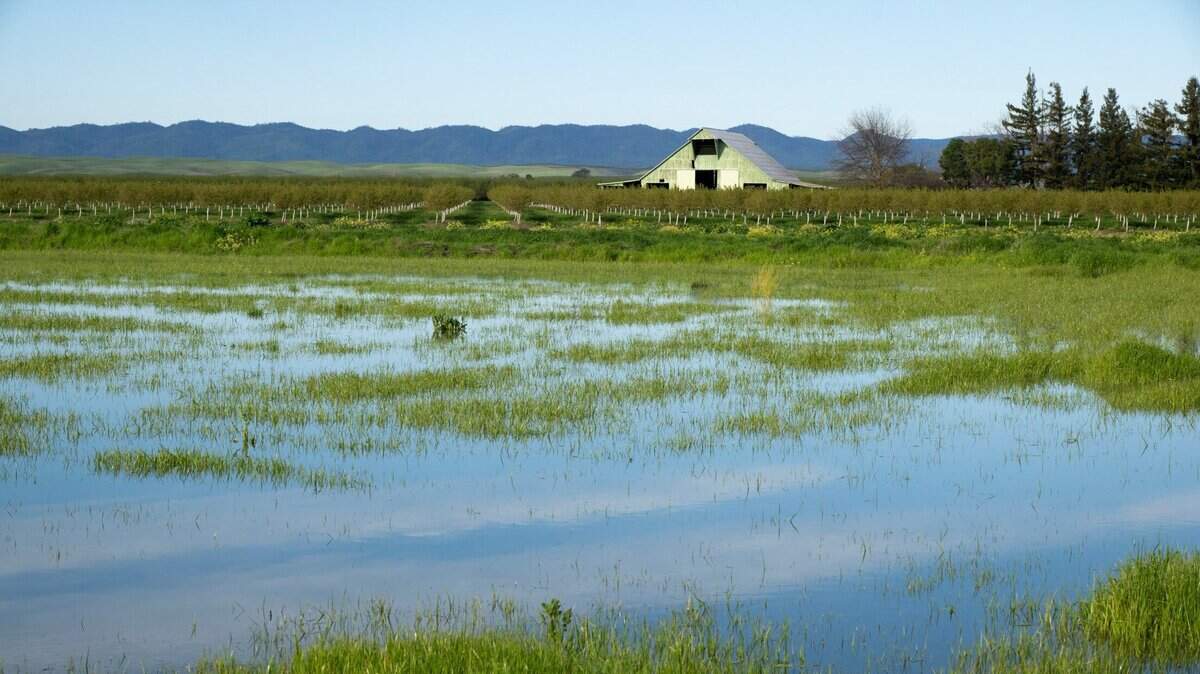
“It’s not something taught when you’re learning about ecology, and there’s not really a strong focus on the wetlands,” Almendariz said. “It’s always kind of negative, and the marshes in Yolo are a big part of keeping our water clean.”
YoloSol educates youth in Davis about traditional Native American living and plant economy justice. Helming the West Yolo Wetland Restoration Education Project, the entity teaches youth about the filtering potential of marshes and the natural bacteria that contribute to a cleaner county environment.
The project is one of the eight recipients of the Yolo County Community Climate Action Fund. The county in July awarded more than $170,000 to local community-based organizations to further climate action initiatives and a mission to become carbon negative by 2030.
The grant programming was developed with input from nearly 1,500 community members, according to Kristen Wraithwall, sustainability manager for the county.
She explained climate change has begun affecting the area, posing drought, flood and increased wildfire risks that affect rural communities unequally. While the county doesn’t yet have a funding source to make the payments ongoing, it hopes the grants will deliver measurable climate benefits.
“We’re really aiming to empower local leaders and community-based organizations that are rooted in local knowledge, that build resilience, reduce greenhouse gas emission and support the goals in our county,” Wraithwall said. “This is a long-time relationship-building partnership activity that we’re really excited to support over the next 18 months and beyond.”
The funding for the project will enable Almendariz to teach students about how marshes in the area filter water flowing from as far east as the Sierra Nevada mountains, prolong the lives of invertebrates and support the carbon sequestration cycle for humans.
“That whole lesson is what I’m hoping to teach and add to the educational system in Davis as a project for others to see and realize how important it is to really teach ecology and how marshes clean the water for us.”
The funding will allow YoloSol to invest in flipbooks to teach students Wintun terms for everyday ecological elements.
It helps give everyone a sense of place and make studying the biome accessible, Almendariz said.
Supporting the next generation of environmental stewards
The Yolo County Resource Conservation District received about $30,000 through the program to further their Yolo County Farm Partnership to teach climate-smart plans to local socially disadvantaged farmers and ranchers with agricultural easements, according to Heather Nichols, executive director of the conservation district.
“A lot of this is about breaking down the jargon about practices that are relevant to our area and our crop types and addressing the resource issues farmers are facing here,” Nichols said.
Sustainable practices the conservation district hopes to push are cover cropping, composting and hedgerow installations. The non-regulatory special district will offer soil testing, pump efficiency testing, nutrient management and bilingual services to engage with rangers and program managers in both English and Spanish.
The partnership plans to make equity and innovation paramount in utilizing the funds.
“For many growers, conservation practice implementation can require a change of operations and substantial investment,” Nichols said. “We have found that the keys to adoption of climate-smart practices are to provide free support for growers because having a person that farmers trust and want to work with is key to having a successful program.”
Jennifer Finton, chief executive officer of Breathe California, disclosed that the organization also received $30,000 in funding to support the nonprofits’ more than a century-old focus on clean air and healthy lungs.
Working with housing complexes in the county, Breathe California strives to reduce the effects of air pollution and ozone creation by connecting residents with electric zip cars and teaching efficient indoor airspace cleaning.
Their SacBreathe Food Scraps and Recycling program teaches school-aged children in Yolo about sorting food scraps and diverting waste to compost facilities to be turned into renewable resources. Schools in unincorporated areas are the prime targets of this education, to get them up to speed on having bins for food scrap disposal and ensuring mechanisms are in place for composting, according to Finton.
The program will provide check-ins, monthly newsletters and a waste audit at select schools in the area. The program will provide laminated bins and directional signage with pictures to ensure that composting becomes a hands-on activity, encouraging youth to become excited about sustainability and environmental action.
“I really think it’s going to resonate with kiddos, teaching them to follow the protocol at lunch hour and earn rewards and stickers,” Finton said. “Making these investments early and often in environmental health is absolutely critical to having long-term success, and we will all be healthier for it.”
This story was originally published July 18, 2025 at 6:00 AM.