
UC Davis scientists could use AI to help Northern California tomato farmers
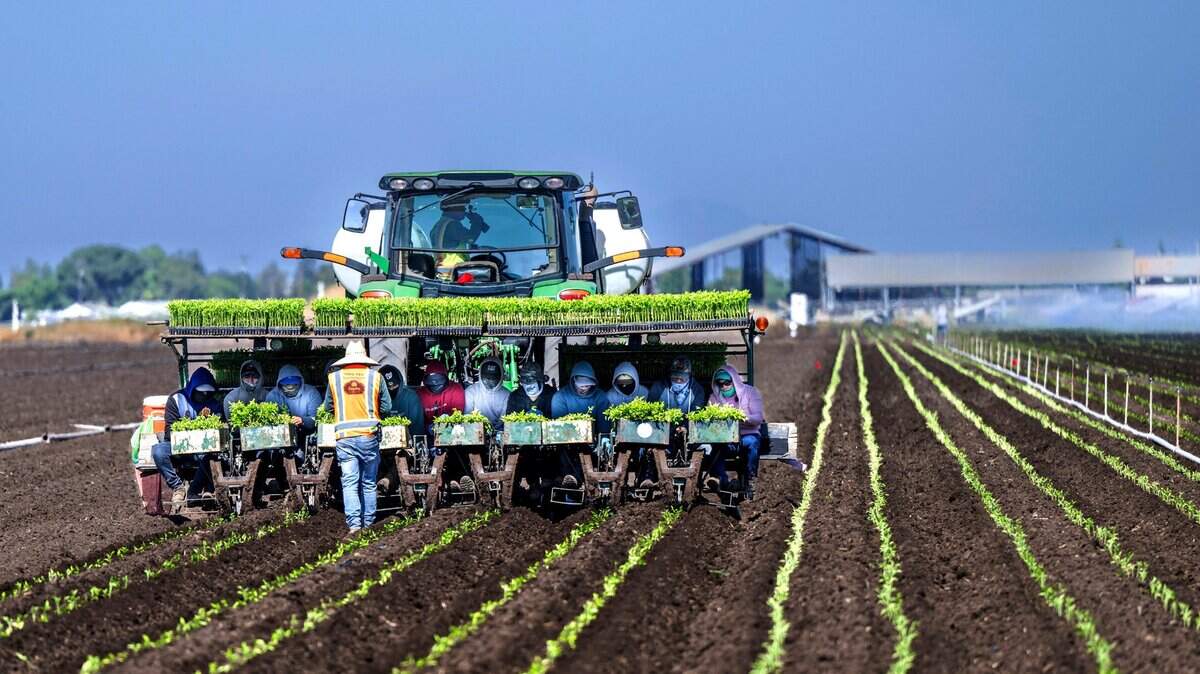
A breakthrough in agricultural gene editing may help farmers breed more disease-resistant crops.
Aided by artificial intelligence, researchers at UC Davis managed to strengthen plants’ immune response by re-engineering protein structures that detect disease, known as immune receptors, to recognize newly evolved pathogens. The method may provide a more sustainable solution for tomato farmers near Sacramento — the Big Tomato — who typically fight illnesses such as wilt disease and southern blight with environmentally damaging pesticides.
Plants, like humans, possess an immune system. Different receptors on plant surfaces can recognize different pathogens by their unique amino acid sequences and trigger an immune response.
However, pathogens can evolve and change their amino acid sequences. Receptors, no longer armed with the most up-to-date amino acid sequences, cannot recognize the sneaky pathogens as harmful — prompting the plant to let them in.
“What we’re doing now is making edits in tomato and other plants like lettuce to see if we can resurrect those defeated receptors,” said Gitta Coaker, professor of plant pathology and the paper’s lead author.
A team equipped with less technologically advanced tools would “blindly make thousands of different changes” without knowing which ones benefited the crop, according to Coaker.
Her lab aimed to work smarter. They began running receptors’ amino acid sequences through AlphaFold, an artificial intelligence program that predicts how proteins fold. The model compared it to the amino acid sequences of common pathogens and predicted how well the receptors could detect each pathogen.
As the team learned, resurrecting defeated receptors did not require modifying them in their entirety. Instead, they only needed to change a small section of the amino acid sequence on a receptor’s surface to recognize an evolved target pathogen.
“Before (AlphaFold), we’re basically staring at the receptor sequence and trying to figure out what the differences are,” said Tianrun “Jerry” Li, the primary executor of the study and a recent doctoral graduate of UC Davis. “But with AI, we can pinpoint the regions of interest and really precisely understand the differences.”
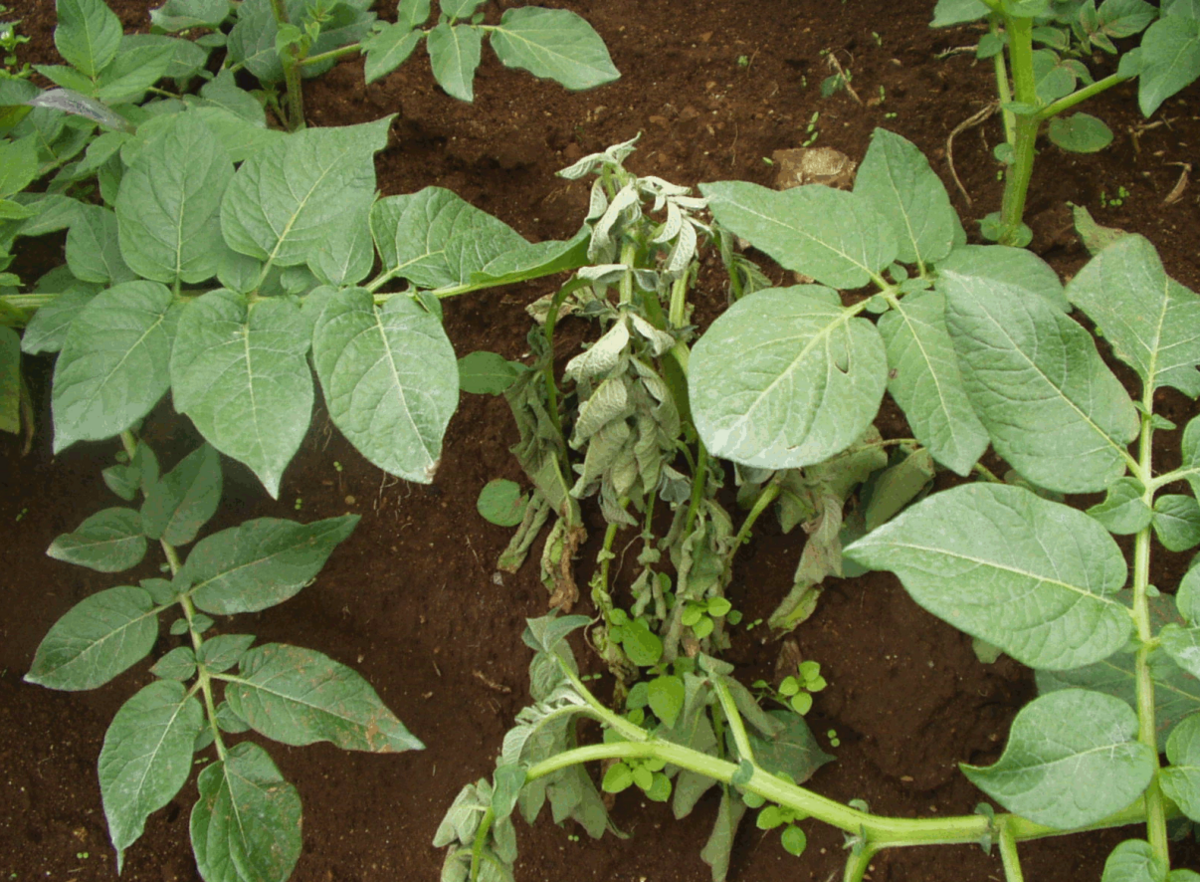
Gene editing plants to improve resistance also offers an alternative to pesticide use, which can unintentionally harm humans and the environment.
If the process can be applied on a larger scale, the U.S. Department of Agriculture would consider modified crops gene-edited rather than transgenic. The latter encompasses organisms containing artificially introduced genetic material from a different species, and are regulated more closely by the USDA.
“We’ll only change a very small fraction of the receptor, that sweet spot,” Li said. “So that will give you a faster turnaround time to introduce that in the field and benefit growers in a shorter time.”
He notes that AlphaFold outputs more confident predictions for receptors on plants used as models in scientific experiments, since it has a large library of information from which to draw. Coaker’s lab hopes to canvass receptors on other crops, such as tomatoes, to aid the model in predicting immune recognition.
They also envision a monitoring system that would take newly emergent crop pathogens and predict the harm they would have on different crops.
“We’re just one of several groups that are really working hard on this,” Coaker said. “Hopefully this will result in more environmentally sustainable disease control strategies in the future.”