
Understand rattlesnakes in California: 4 stories to guide your encounters
Rattlesnakes in California share some key behaviors that help them adapt to their environment. Most articles highlight their activity from April to October, their ability to climb and swim, and their behavior during encounters with humans. These stories aim to educate individuals about safe interactions with rattlesnakes and how to recognize these reptiles.
One article discusses rattlesnakes climbing trees, resembling normal behavior as they seek food or avoid predators. Another article explains how rattlesnakes enter brumation in colder months, allowing them to survive when temperatures drop. They hide in crevices, rocks, or man-made structures, attempting to remain unseen. Another story focuses on baby rattlesnakes, emphasizing their presence in late summer and the importance of maintaining distance to avoid bites. Understanding their habitats and behaviors helps minimize risks while sharing environments with these creatures.

NO. 1: CAN RATTLESNAKES REALLY CLIMB TREES IN CALIFORNIA? SWIM? HERE’S WHAT EXPERTS SAY
A rattlesnake can strike as far as two-thirds of its body length. | Published July 12, 2024 | Read Full Story by Sarah Linn
NO. 2: IT’S BABY RATTLESNAKE SEASON IN CALIFORNIA. HERE’S WHAT TO DO — AND HOW TO STAY SAFE
You may be noticing more of the venomous critters. | Published September 18, 2024 | Read Full Story by Tanasia Kenney
NO. 3: WHERE DO RATTLESNAKES GO WHEN IT’S COLD IN CALIFORNIA? WE ASKED THE EXPERTS
Here’s what happens to rattlers when the temperature drops. | Published February 15, 2025 | Read Full Story by Sarah Linn Dominique Williams
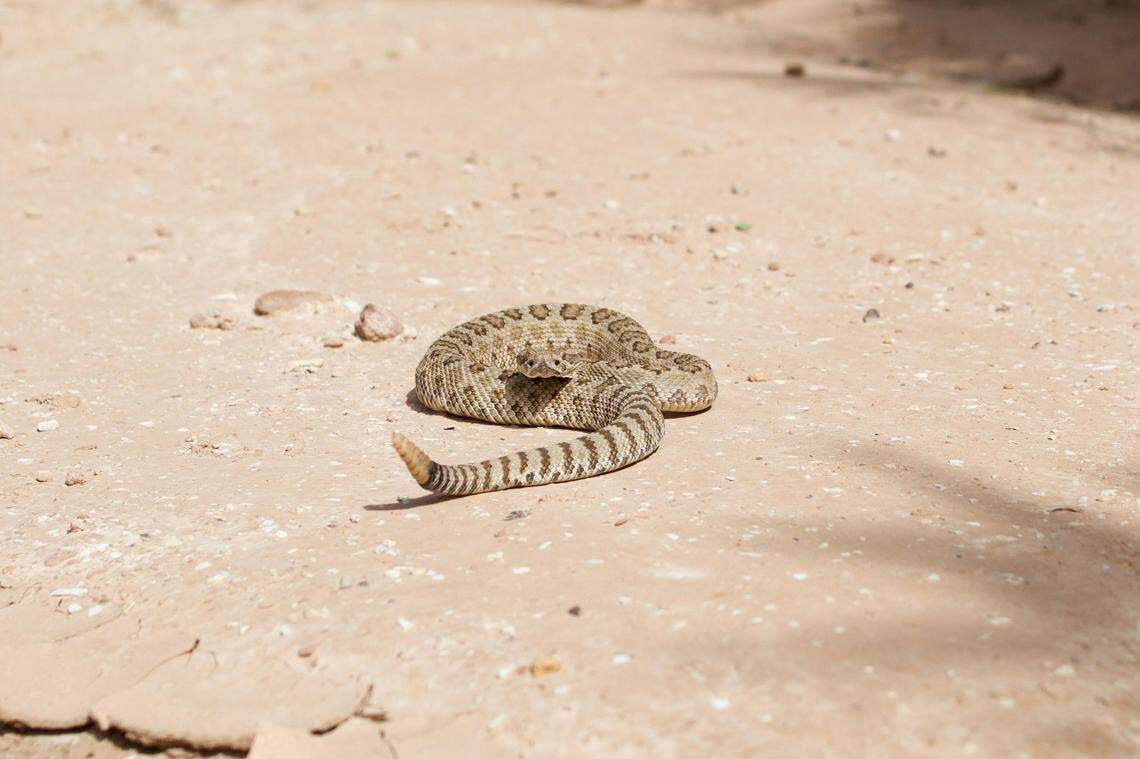
NO. 4: BABY RATTLESNAKE BITES MAN, CALIFORNIA FIREFIGHTERS WARN. ‘WATCH YOUR STEP’
Most snake bites occur between April and October in the state, wildlife experts say. | Published April 1, 2025 | Read Full Story by Don Sweeney
The summary above was drafted with the help of AI tools and edited by journalists in our News division. All stories listed were reported, written and edited by McClatchy journalists.