Sacramento has over 4,000 vacant properties. Should the city tax their owners?
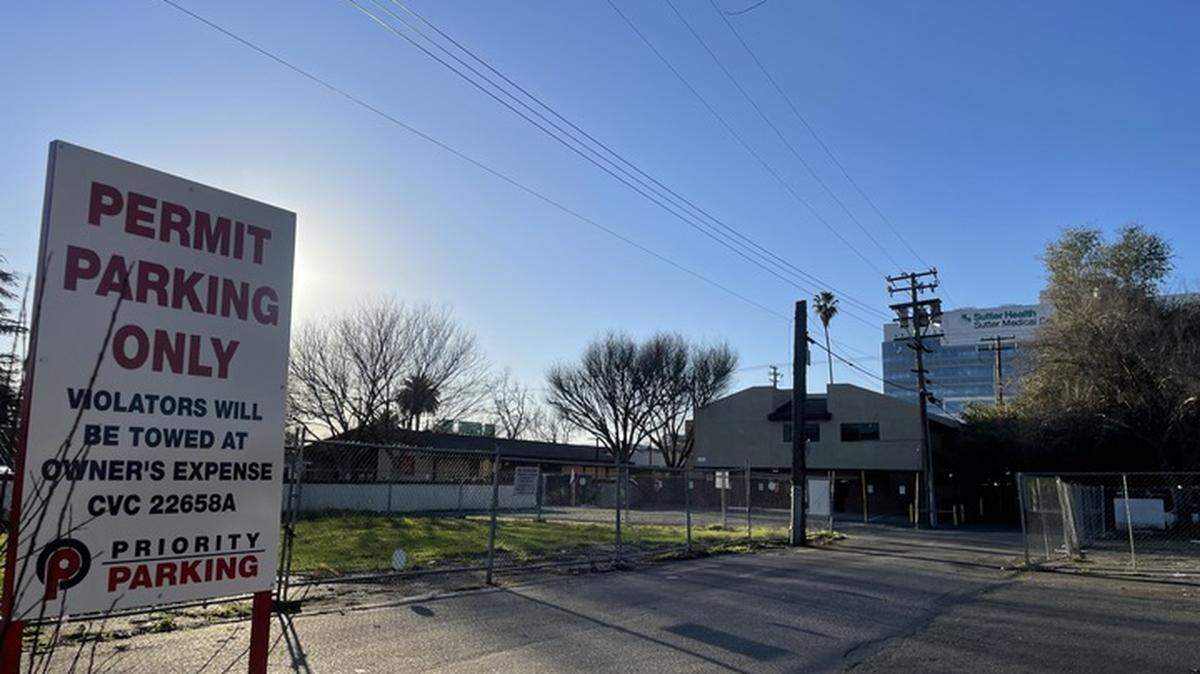
In a future election, Sacramento voters may consider a controversial measure aimed at spurring development on long-vacant properties — a special tax on the owners of those empty lots.
If Sacramento City Council members decides to move forward with the idea, they could vote as early as January to place a measure on the June local primary ballot.
It’s unlikely it will move that quickly though, if at all, said Councilmember Caity Maple.
“This is the very, very, very beginning of the conversation,” Maple said during a Tuesday meeting of the council’s Law and Legislation Committee.
The tax would need two-thirds approval from voters, senior city planner Greta Soos told the committee. A poll the city conducted in March 2024 found about 57% of people supported it — not nearly enough to hit that mark.
However, the council could narrow who the tax would impact, which could sway more voters to support it, Soos said. San Francisco has a similar tax specifically tailored to vacant storefronts, with revenue going toward a small business fund.
“We are trying to carve out who are the property owners who are in the core, who are a problem, have blight, have trash,” Maple said, adding that the lots could be used for infill housing.
The committee is also discussing other ways to beef up enforcement of vacant lots, aside from a tax.
There are a total of 4,415 vacant lots in the city, but only 1,460 are registered, code and housing enforcement chief Peter Lemos told the committee. Of those, the department has declared 160 of them a nuisance, but there are an additional 2,000 that are unregistered and have code violations.
There are currently an additional 170 open vacant building cases, Lemos said, adding that the department may need more workers to up its enforcement.
“It takes some time when we come across vacant buildings to find owners ... before enforcement can be taken,” Lemos told the committee. “Especially dealing with absentee property owners.”
Adding staff to beef up enforcement may be difficult as the city is facing a deficit projected to hit $90 million by 2030.
Frank Louie, executive director of the Stockton Boulevard Partnership, told the committee he opposes a tax.
“We have 80 vacant lots off Stockton,” Louie said. “Not because of neglect but because development is market driven. A tax cannot create demand.”
Representatives of the Sacramento Association of Realtors, Power Inn Alliance, and Councilmember Phil Pluckebaum also spoke against a tax.
Keyan Bliss, an activist, spoke in favor of it because he believes the lots should be safe places for people to sleep while they await housing.
“This is land people could be staying on safely but our business owners and developers don’t wanna let the riffraff on their property,” Bliss said.
The committee decided to consider the tax at a future date with more input from stakeholders and more information on how the tax has worked in San Francisco and Oakland. From there, it could go to the full council.
This story was originally published September 16, 2025 at 3:34 PM.